Pool Pump Making Noise Losing Pressure: A Denver Homeowner's Diagnostic Guide
Call (303) 431-8501 today to schedule a professional pool pump diagnostic and repair service with Neptune Pools.
A pool pump making noise losing pressure is usually caused by suction-line air leaks, low pool water levels, or clogged baskets. These issues restrict water flow. This restriction creates a strong vacuum that forces air or water vapor pockets to collapse violently against the pump impeller vanes. This process, called cavitation, sounds like rocks rattling inside the motor housing. It also causes the water pressure on your filter gauge to drop. Ignoring these signs can lead to permanent damage to your pump bearings, shaft seals, and motor. You can check the pump lid O-ring for cracks and clean the skimmer baskets. Raising your pool water level also helps solve these common issues before they require major repairs.
Pool Pump Making Noise Losing Pressure: What Causes a Pool Pump to Make Noise and Lose Pressure?
A pool pump is the heart of your pool filtration system. It should run with a steady, low hum under normal operating conditions. When you find your pool pump making noise losing pressure at the same time, it means the system is under stress. This twin issue usually points to a few common system faults that restrict water flow or introduce air into your pool lines.
Air Leaks and Low Water Levels
An air leak in your suction line is a very common cause of both noise and low pressure. When air enters the system, the pump cannot pull enough water to maintain system pressure. This often happens because of a dry, dirty, or cracked pump lid O-ring. A low pool water level can also cause the skimmer to pull air and water in gulps, which starves the pump. You can check these areas yourself during basic troubleshooting your pool pump before calling for service.
Pump Cavitation and Impeller Blockages
Cavitation is a specific type of pump stress that happens when the pump is starved of water. This restriction creates low pressure areas that form vapor pockets in the water. As these vapor bubbles move through the pump, they collapse with high force against the impeller. Cavitation makes a loud noise that sounds like gravel shaking inside the pump housing. Over time, these collapsing bubbles will slowly pit the impeller vanes, leading to permanent equipment damage.
Debris Clogs and Restriced Flow
Debris trapped in the pump impeller or skimmer baskets will also restrict water flow. This lack of water directly leads to low flow and decreased system pressure. Weekly cleaning of your skimmer baskets is vital to prevent debris from restricting water flow. To ensure proper water circulation and avoid component failure, the U.S. Centers for Disease Control and Prevention recommends maintaining pool filtration and recirculation systems according to manufacturer recommendations.
Worn Bearings and Mechanical Seals
If your pump is making a high-pitched screeching or whining sound rather than a gravel sound, the issue is likely worn motor bearings. Internal pump bearings can wear out over time due to age or water exposure from a leaking shaft seal. When these bearings dry out or rust, they create high friction and loud noise. Worn bearings do not directly drop your water pressure, but they show that your pump motor is close to total failure and needs immediate repair.
How to Diagnose a Noisy or Low-Pressure Pool Pump
You can find the root cause of water flow issues by following a clear path. A pool pump making noise losing pressure is often easy to fix if you check the parts in order. Testing each part one by one helps you spot simple issues like clogs or air leaks before you pay for major repairs.
Check the Pressure Gauge
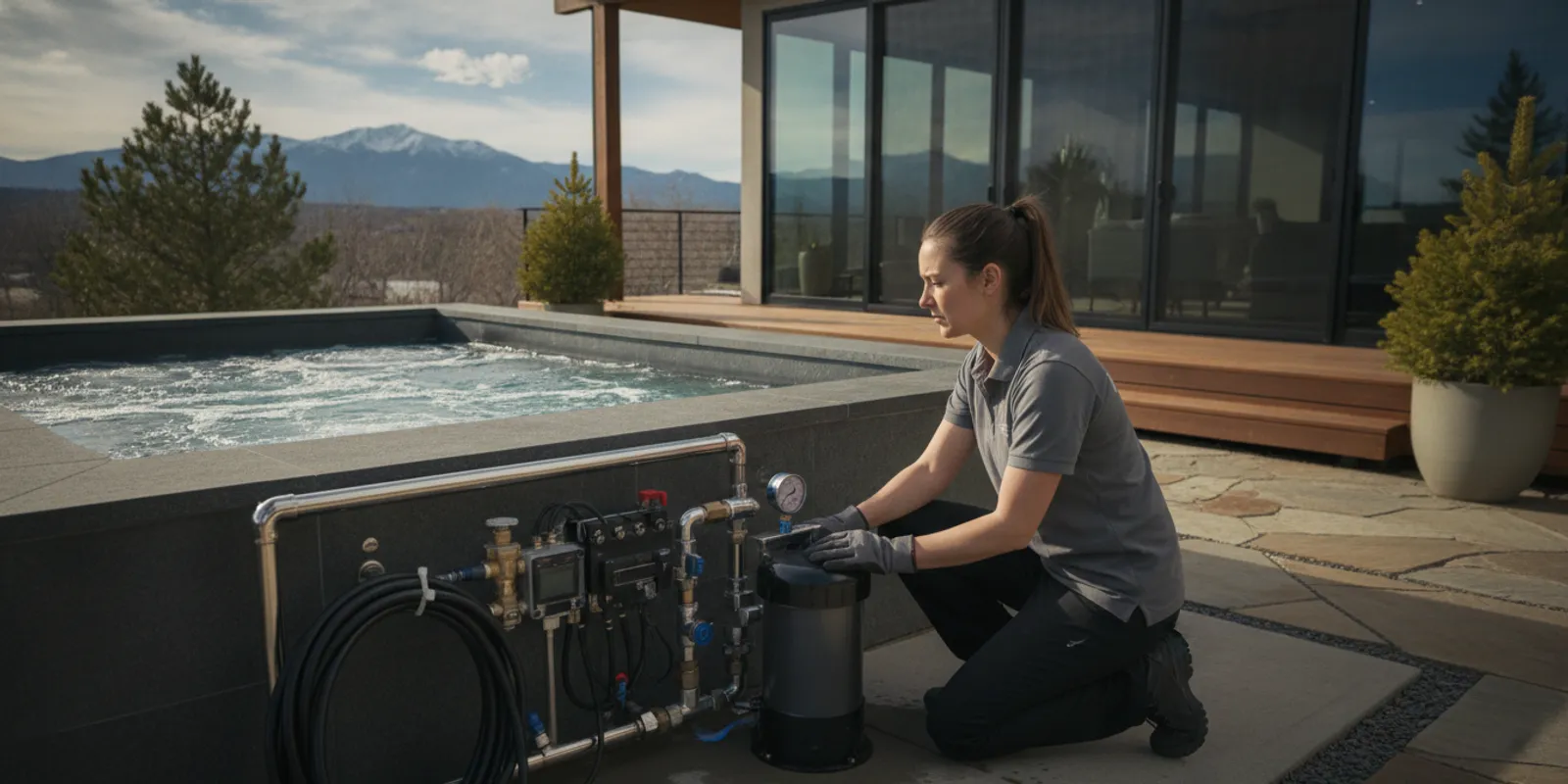
The first step in troubleshooting your pool pump is to read the filter pressure dial. This small round gauge shows if water is moving through the system in a safe way as noted by academic studies on circulating pumps. A healthy pool filter system should show a stable reading. A very low reading often points to a clog before the pump, while high pressure means the filter needs a backwash. Our staff can test these levels to ensure they stay in the proper range for your pool model.
Listen to the Sound Type
You can learn a lot by paying close attention to the noise your motor makes. A healthy pump operates with a steady, low hum. If you hear a loud screech or grind, the bearings inside the motor may be worn out. If the pump hums but does not start, it is a classic sign of a bad start capacitor. This small part stores power to start the motor, and you must replace it when it fails.
Inspect the Baskets and O-Rings
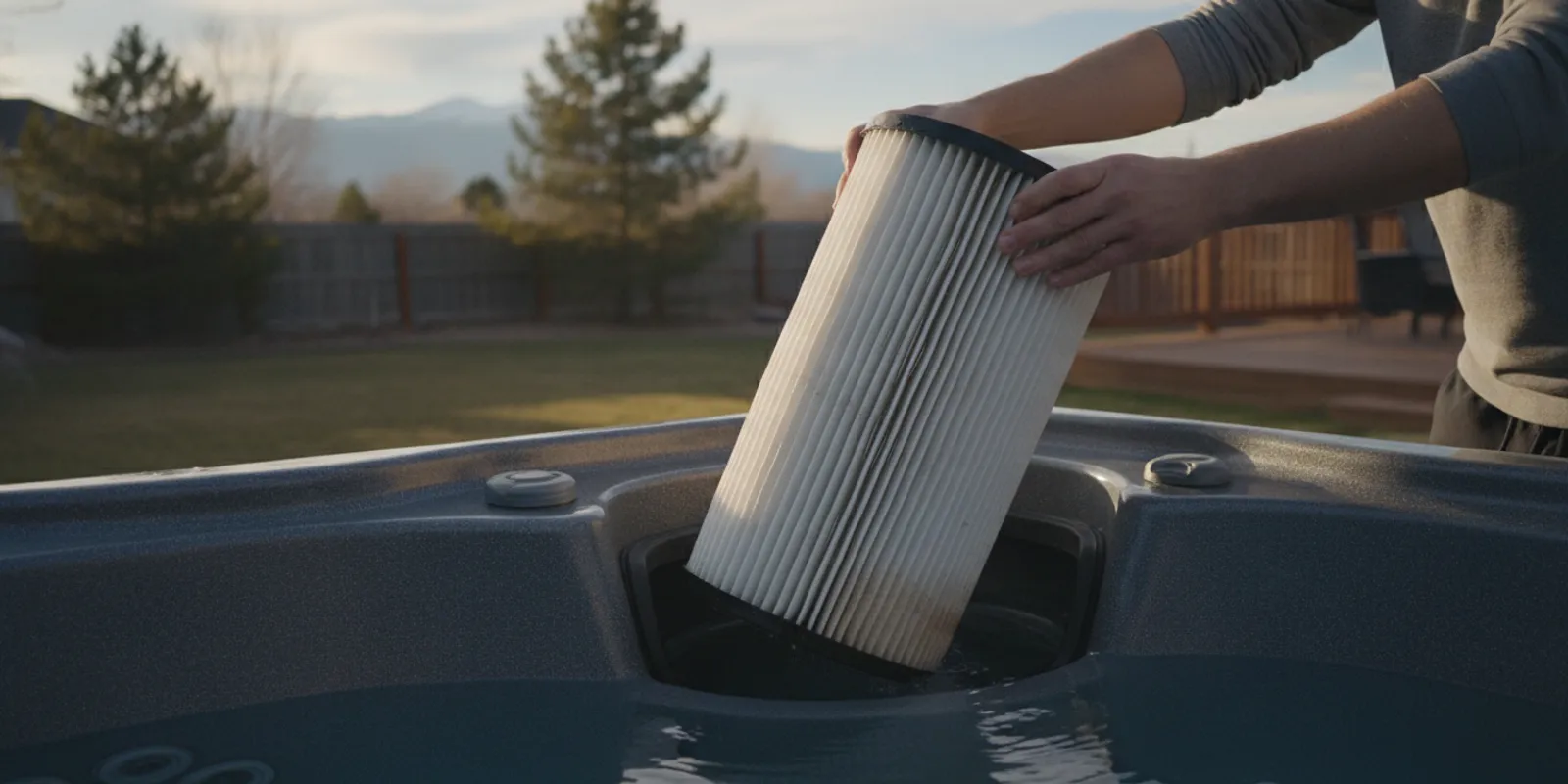
Next, turn off the system and look for blocks. Empty the pool skimmer basket and the pump strainer basket. Debris in these areas blocks water flow and drops system pressure. You should also check the rubber O-ring under the pump lid. If this seal is dry or cracked, it pulls air into the lines and causes the pump to lose its prime.
Verify the Pool Water Level
Make sure the water in your pool is high enough. The water level should sit right at the middle of the skimmer opening. If the pool water is too low, the skimmer will suck in air instead of water. This intake of air causes the pump to make loud noises and lose its steady pressure. Keeping your pool full is an easy way to prevent pump damage and keep your water clean.
- Read the gauge: Check the filter pressure dial to see if water is moving well or if you have a block.
- Listen to the noise: Match sounds like screeching or humming to issues like bad bearings or a failed capacitor.
- Clean the baskets: Remove leaves and dirt from the skimmer and pump strainer to restore strong water flow.
- Check the lid seal: Inspect the pump lid O-ring for cracks or dry spots that let air leak into the system.
- Check the water: Add water to the pool if the level is below the midpoint of your skimmer opening.
If these steps do not solve the issue, it may be time to learn when to replace your pool pump. Hard mechanical issues or deep air leaks often require expert tools to locate and fix safely.
Common Pool Pump Noises and What They Mean
A healthy pool pump should run with a steady, low hum. When it starts whining, grinding, rattling, or screeching, it is not just annoying. It is usually a warning sign that one or more internal components are wearing out or operating under stress. If your pool pump making noise losing pressure is a daily issue, checking the type of sound can help you find the source of the problem before complete failure occurs.
Listen to Your Pool Pump
Different sounds point to specific issues inside the pump motor or housing. A grinding sound often means debris is trapped, while a high screech is usually a sign of bad bearings. If you hear a soft hum but the motor will not spin, a bad part may be blocking the power supply. Recognizing these sounds early is critical for predictive maintenance in fluid circulation systems.
Common Pool Pump Noises
Below is a quick guide to help you identify pump noises, find their most likely causes, and take the right action. If these steps do not solve the problem, you may need a professional pool equipment repair to prevent further system damage.
| Noise Type | Most Likely Cause | Action |
|---|---|---|
| Grinding or Gravel Sound | Cavitation (low water level or restricted suction) | Check water level and clear the skimmer basket of any debris. |
| Screeching or Squealing | Worn motor bearings or failing shaft seal | Schedule professional replacement of the motor bearings or seal. |
| Humming (not spinning) | Bad start or run capacitor | Replace the bad capacitor to restore power to the pump motor. |
| Rattling or Vibration | Loose mounting base or debris in impeller | Inspect the pump base and clean out any clogged baskets. |
| Clicking + Intermittent Run | Thermal overload from overheating | Allow the motor to cool down and verify proper ventilation. |
When Your Motor Hums
A pool motor that hums but does not turn on is a classic sign of a failing capacitor. The capacitor acts like a battery to start the motor, and when it fails, the motor cannot spin. This can lead to overheating and pump damage if you do not replace the part. Regular inspection of these electronic parts can help prolong the lifespan of your pool equipment.
The Risk of Wear and Tear
Monitoring pump performance is essential for prolonging equipment lifespan and avoiding costly repairs. Evidence of fluid leaks around a pump housing typically indicates seal failure or degradation that requires investigation. If you notice leaks or ongoing noise, contact a trained technician to inspect your pool system.
When to Repair vs. Replace Your Pool Pump
Deciding between fixing a broken pump or buying a new one is a common choice for Denver pool owners. Some issues only need a cheap part to restore your water flow. Other problems mean your system has reached the end of its life, and continuing to fix it will cost you more money over time. Neptune Pools has served the Denver Metro area since 1982 with honest assessments to help you make the best decision for your budget.
Affordable Pool Pump Repairs
Many common pump issues do not require a full system replacement. If your motor hums but fails to turn on, you likely have a failing start capacitor. Replacing a capacitor is a quick and cheap fix that restores power instantly. Loud screeching or whining noises often point to worn motor bearings. You can replace these bearings or swap out a leaking shaft seal to stop the noise and keep your pump running. These targeted fixes are excellent ways to prolong the lifespan of your pool equipment, as noted in preventive maintenance studies published by Atlantis University.
When Replacement Is the Better Choice
There are clear signs that show when it's time to replace your pool pump. If your pump motor is over eight years old and begins to fail, investing in a new system is usually more cost-effective than continuous repairs. Severe mechanical wear also makes replacement necessary. For example, when a pump runs dry or loses pressure, cavitation can occur. This issue creates tiny vapor pockets that collapse and slowly pit the impeller vanes over time, destroying the pump's ability to move water. Physical damage to the pump housing, such as cracks caused by freezing Colorado winter weather, cannot be safely patched and requires a full replacement.
Why Professional Diagnostics Matter
Choosing the wrong path can lead to recurring failures and high utility bills. Older single-speed pumps use a large amount of electricity, while modern variable-speed pumps run quietly and save energy. Our certified technicians inspect your entire filtration setup, check the electrical connections, and measure water pressure against manufacturer specs. We do not use confusing industry jargon, so you always get a clear and honest recommendation. If you are dealing with a pool pump making noise losing pressure, we can help you find the most reliable and affordable path forward.
Why Colorado Weather Makes Pool Pump Problems Worse
Operating a swimming pool in the Denver Metro area comes with a unique set of weather challenges. Colorado's high altitude and extreme seasonal shifts place heavy stress on water circulation systems. If your pump seems louder or weaker than usual, local weather factors may be speeding up the wear on your equipment. You can troubleshoot your pool filter system to rule out filter-related pressure issues. Our local climate directly impacts how pool machinery functions throughout the year.
High Altitude and Thin Air
At 5,280 feet above sea level, Denver's thin air changes how heat disperses from pool motors. Pump motors rely on air flow to stay cool, but thin high-altitude air is less efficient at carrying heat away. This can cause motors to run hot and age faster. High altitude also alters water chemistry by accelerating evaporation and gas exchange. According to the Centers for Disease Control and Prevention (CDC), maintaining stable pool chemistry requires precise, proactive care. When water chemistry fluctuates, it leads to mineral scaling inside the pump, which restricts water flow and causes the motor to work harder.
The Freeze-Thaw Cycle
Colorado winters are famous for rapid temperature swings that swing above and below freezing. This freeze-thaw cycle is highly destructive to pool plumbing and pump housings. When water trapped inside a pump freezes, it expands and exerts immense pressure on the plastic casing. This expansion can cause hairline cracks in the pump housing, hair-pot lid, and wet-end seals. Even minor cracks can let air enter the system, causing the pump to lose its prime, make loud rattling noises, and lose water pressure. Addressing these mechanical failures quickly is vital to prevent permanent damage to your motor.
Intense UV Rays and Hard Water
Denver gets over 300 days of sunshine a year, and high-altitude sunlight contains intense ultraviolet (UV) rays. Over time, these strong UV rays degrade the plastic components of your pump, making the lid, baskets, and O-rings brittle. At the same time, Denver's hard municipal water contains high levels of calcium. As water evaporates rapidly in our dry climate, calcium scale builds up inside the pump impeller and heat exchangers. This mineral buildup restricts water flow, leading to cavitation, increased noise, and a drop in system pressure.
How Professional Maintenance Prevents Pool Pump Problems
Taking care of your pool equipment is the best way to stop issues before they start. Small maintenance tasks keep your pump running smoothly and prevent unexpected failures. By catching minor issues early, you can avoid stress and save money on major repairs.
Routine Inspections and Pressure Tests
Regular checks are vital for a healthy pool system. Professional technicians inspect your pump and perform pressure tests to find hidden issues. They check suction and discharge pressures against the manufacturer guidelines to make sure water flows correctly. You must maintain filtration and recirculation systems according to manufacturer recommendations to ensure safe water circulation and pool safety.
Replacing O-Rings and Seals
Air leaks often start at the pump lid. Technicians check the pump lid O-ring for cracks, dryness, or debris. Replacing a dry or worn O-ring is a simple task that costs very little. But a bad seal lets air into the pump, which leads to noise and pressure drops. A $20 O-ring replacement now can easily prevent a $500 motor repair later on. You can schedule professional Denver pool and spa maintenance to keep these small parts in top shape all year.
Freeze Protection and Winter Care
Colorado winters are very tough on pool gear. Cold weather can freeze water inside the pump, which cracks the housing and ruins the motor. Expert technicians test your freeze protection system before the cold weather starts. This ensures your pump runs when temperatures drop to keep water moving and prevent freezing. For over 44 years, Neptune Pools has helped local pool owners protect their systems from harsh winter weather.
Frequently Asked Questions
Why is my pool pump making a loud noise and losing pressure?
A pool pump making noise losing pressure is often caused by air leaks in the suction line, low water levels, or a clogged skimmer basket. According to Neptune Pools, these issues starve the pump of water, causing loud vibrations and a drop in system pressure.
What causes a pool pump to lose pressure after running for a few hours?
A pool pump often loses pressure after running for some time because of a dirty filter that needs backwashing. It can also happen due to a blocked pump impeller or an air leak around the pump lid O-ring. Cleaning the filter usually restores normal water flow.
How do I fix a pool pump that is humming but not starting?
A pool pump that hums but does not start often has a bad start or run capacitor. This electrical part helps start the pump motor. If the capacitor fails, the motor cannot spin. You should have a certified professional replace the bad part safely.
How often should I clean my skimmer basket to prevent pressure loss?
You should clean your pool skimmer baskets weekly to keep debris from blocking water flow. A clogged basket restricts water from reaching the pump, which leads to pressure loss. Regular pool care keeps your filtration system running smoothly and avoids pump damage.
Ready to set up a professional pool pump diagnostic?
Ignoring a noisy pump or a sudden loss of water pressure can quickly turn a simple fix into a complete filtration system failure. In the Denver area, Colorado's extreme weather and freeze-thaw cycles make immediate equipment repairs vital to prevent cracked piping and expensive motor damage. Getting professional help now ensures your pool water stays clean, clear, and safe to swim in all summer long. Our certified local experts can find and resolve the issue before it ruins your seasonal family pool plans. We offer transparent pricing on all maintenance visits.
Ready to schedule your service? Call (303) 431-8501 to book a professional pool pump diagnostic and repair service with Neptune Pools today.
Related Blogs