Pool Renovation Services Denver: What to Expect
An aging pool rarely has one isolated problem. A worn surface may appear alongside damaged tile, outdated equipment, freeze-related concerns, or water chemistry issues that are easier to address through a coordinated plan.
Professional pool renovation services denver can include an assessment, scope and material planning, surface or surrounding-component work, equipment coordination, construction oversight, and final visual and functional checks. The exact work depends on the pool's condition. A single-surface repair addresses one defined issue, while a renovation brings related improvements together after a broader assessment.
For Denver-area pools, that assessment should account for local conditions such as rapid temperature changes, freeze exposure, hard-water staining, intense UV exposure, and high-altitude water chemistry. Understanding the pool's current condition is the first step toward a practical renovation scope.
Explore Denver pool remodel and rehabilitation services.
How Do Pool Renovation Services in Denver Begin With an Assessment?
A useful renovation plan starts with understanding the pool as a complete system, not simply choosing a new finish. During an assessment, the technician reviews the condition of the pool surface, shell, tile, coping, surrounding areas, plumbing, equipment pad, and visible equipment. The goal is to separate one defined repair from related issues that could affect the result of broader work.
Reviewing the pool's current condition
The condition review considers what is visible and what may be contributing to it. Surface wear, damaged tile, loose or deteriorated coping, structural concerns, and evidence of leaks can each influence the recommended scope. The assessment may also include the equipment pad and plumbing because a surface project can expose the need to coordinate repairs in those areas. A thorough review helps prevent a homeowner from planning an attractive finish while leaving a connected functional problem unresolved.
This does not mean every pool needs the same group of services. One pool may need focused resurfacing, while another may require a coordinated rehabilitation involving several surfaces, structural repairs, leak work, or equipment-pad work. The assessment determines which components belong together and which can remain outside the renovation. That assessment-led scope creates a clearer basis for design decisions and project coordination without assuming a fixed package.
Accounting for Denver's climate and water conditions
Denver-area pools operate in conditions that can affect renovation choices. Freeze damage and rapid temperature changes deserve attention because seasonal expansion and contraction can affect vulnerable materials, plumbing, and other pool components. Freeze protection is therefore part of the local context when reviewing existing conditions and planning related work.
High-altitude water chemistry is another consideration for Denver pool work. Water balance affects how finishes, equipment, and surrounding components perform over time. So the assessment should consider the pool's operating history and maintenance needs rather than treating the surface in isolation. Hard-water staining can influence the appearance and condition of finishes. Intense UV exposure can also affect outdoor materials and their long-term appearance. These factors do not dictate one universal material or repair method, but they help a technician identify practical risks and explain the tradeoffs.
Turning findings into a workable scope
After the condition and local factors are reviewed, the findings can be organized into priorities. Safety, structural integrity, water retention, equipment function, appearance, and long-term usability may all be weighed together. The resulting scope should identify what needs attention, what is optional, and how connected work may be sequenced. It should also make clear which assumptions require confirmation before construction or installation begins.
For Denver homeowners, that process is the difference between selecting a surface in isolation and planning a renovation around the pool's actual needs. Neptune Pools combines certified technicians with Colorado-specific knowledge of high-altitude water chemistry and freeze protection. Its renovation and rehabilitation service covers assessment-led planning rather than promising that every project follows an identical path.
How Are Pool Renovation Materials and Design Choices Selected?
Material selection should follow the pool's existing condition, intended use, and surrounding environment. A finish that looks appealing in a sample may not be the right choice if the shell, waterline, coping, plumbing, or deck needs attention first. That is why renovation planning begins with an assessment rather than a fixed package. The findings help define which components need repair, replacement, coordination, or no change at all.
Surface choices balance appearance and pool condition
The interior surface is one of the most visible parts of a renovation. Resurfacing or replastering may be considered when the existing finish is worn or no longer performing as expected. The appropriate approach depends on the condition of the surface and any related structural or leak concerns identified during the assessment. Choosing a finish based only on color or texture can overlook problems beneath it. While choosing strictly for appearance can create an impractical result for the pool's use and maintenance needs.
Denver-area conditions also belong in the conversation. Freeze damage, rapid temperature changes, hard-water staining, intense UV exposure. And high-altitude water chemistry may influence how a surface is evaluated and how the finished pool will be cared for. These factors do not create one universal material recommendation. They provide useful context for matching the design to local operating conditions. Neptune Pools' remodel and rehabilitation services take an assessment-led approach to that broader scope.
Tile and coping connect design with function
Tile replacement can update the waterline and improve the visual relationship between the pool surface, coping, and surrounding area. Coping replacement may also be appropriate when the existing edge is damaged, deteriorated, or no longer works well with the planned finish. These choices should be considered together because changes at the pool edge affect appearance, transitions, drainage details, and how the area feels underfoot.
Safety and durability matter as much as color coordination. Materials and edge details should support a stable, usable pool environment, not simply create a new look. If the assessment identifies structural repairs, leak work, equipment-pad repairs, or plumbing concerns. Those issues may need to be coordinated with surface and coping decisions so that new finishes do not conceal unresolved work.
Surrounding components complete the renovation plan
A renovation may extend beyond the basin to related features or surrounding components when the assessment supports it. The goal is a coherent scope in which the surface, tile, coping, deck-area details, and connected systems work together. Some pools need a focused material update. Others need several related improvements planned as one rehabilitation project. The final selections should reflect the pool's condition, the property's priorities, Colorado exposure, and the level of maintenance the owner can reasonably support.
What Does Renovation Coordination Include From Demolition to Installation?
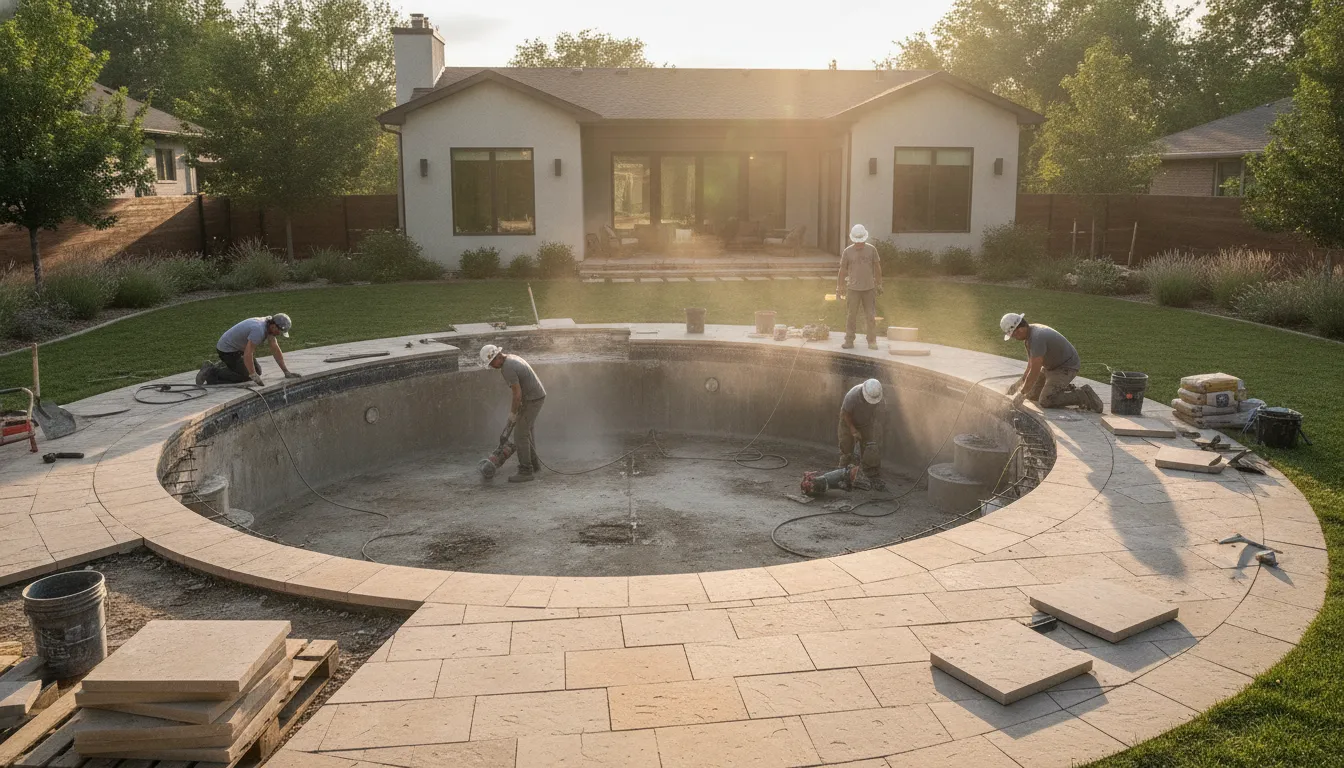
Coordination turns an assessment-led plan into an orderly construction process. A renovation may involve several connected scopes, but the appropriate sequence depends on the pool's condition, access, selected materials, and the work identified during assessment. Demolition or preparation should not begin simply because a surface looks worn. Structural concerns, leaks, plumbing, equipment-pad conditions, tile, coping, and finish work may affect one another, so the plan should account for those relationships before work starts.
Confirm the approved scope and work areas
The project begins with a clear record of what is included and what is not. That scope may address a defined combination of structural repairs, leak work, equipment-pad or plumbing repairs, tile or coping replacement, and surface preparation or refinishing. A single-surface repair is not automatically a full renovation. The difference is that renovation coordination can connect multiple related improvements after assessment. For homeowners, HOAs, and property managers, documenting the work areas helps prevent assumptions when conditions become visible after removal.
Prepare the site and complete demolition carefully
Preparation can include protecting surrounding areas, establishing access, isolating equipment, draining or securing the pool as appropriate, and removing damaged or obsolete materials. Demolition should expose the areas that need correction without treating every underlying condition as known in advance. If removal reveals a structural issue, leak path, deteriorated plumbing, or another condition outside the original assumptions, communication is important before the next scope proceeds. This is also where practical site coordination matters: materials, debris, work areas, and safety procedures need to be managed around the property and its occupants.
Complete structural, leak, plumbing, and pad-related work first
Work below or behind a finished surface generally needs attention before that surface is installed. Depending on assessment findings, this stage may include structural corrections, leak work, plumbing repairs, or repairs to the equipment pad. Resolving these related conditions first helps keep new tile, coping, plaster, or other finish materials from covering an unresolved problem. It does not mean every project requires each category. The assessment determines which items belong in the construction sequence.
Coordinate tile, coping, and surface installation
Once the necessary preparation and corrective work are complete, installation can move through the selected finish components. Tile and coping may need to align with surrounding edges, elevations, and the chosen pool surface. Resurfacing or replastering follows the requirements of the prepared substrate and the project specifications. The order can vary by site, material, and scope, so a reliable plan should explain dependencies rather than promise one universal schedule. During this phase, workmanship, clean transitions, and protection of completed areas are as important as the visual selection.
Keep communication and documentation current
Good coordination gives the customer a usable record of progress, decisions, changed conditions, and completed work. Neptune's broader operating process includes electronic service reports, photo documentation, customer communication systems, and precise chemical dosing records. Those practices can help homeowners understand what was found and addressed, while giving HOA boards and property managers clearer documentation for oversight. After construction, equipment and connected systems should be reviewed as part of the final inspection rather than treated as unrelated to the renovation. For a closer look at the possible scope, visit the Denver pool renovation services page.
When Should Equipment Be Included in a Pool Renovation Plan?
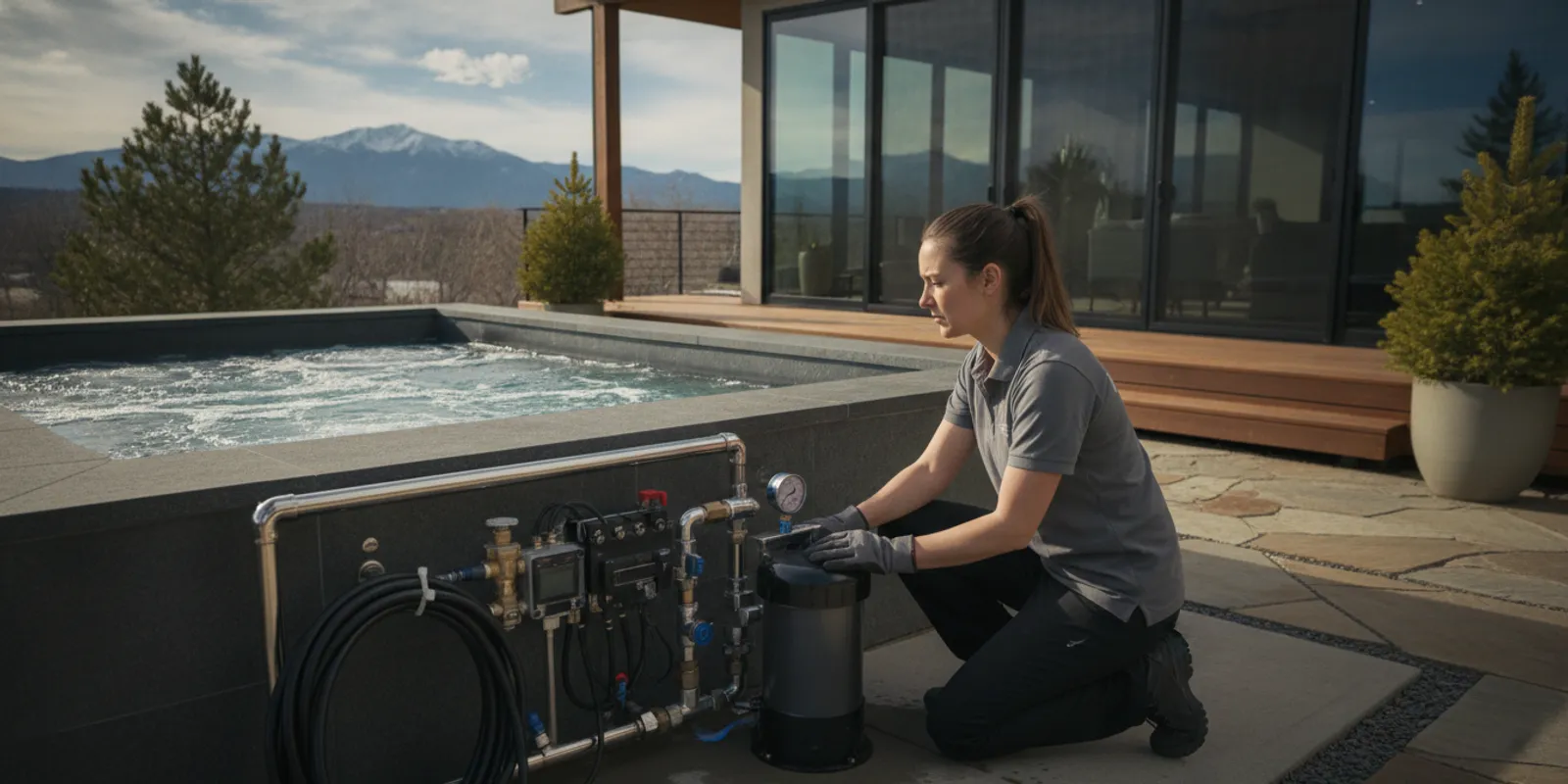
Equipment should be part of the renovation conversation whenever its condition, placement, or performance could affect the finished pool. A new surface does not correct an aging pump, an unreliable heater, restricted filtration, or plumbing problems at the equipment pad. Reviewing these systems alongside surface work can help keep the project scope coordinated instead of treating connected problems as unrelated repairs.
Review the systems that keep the pool operating
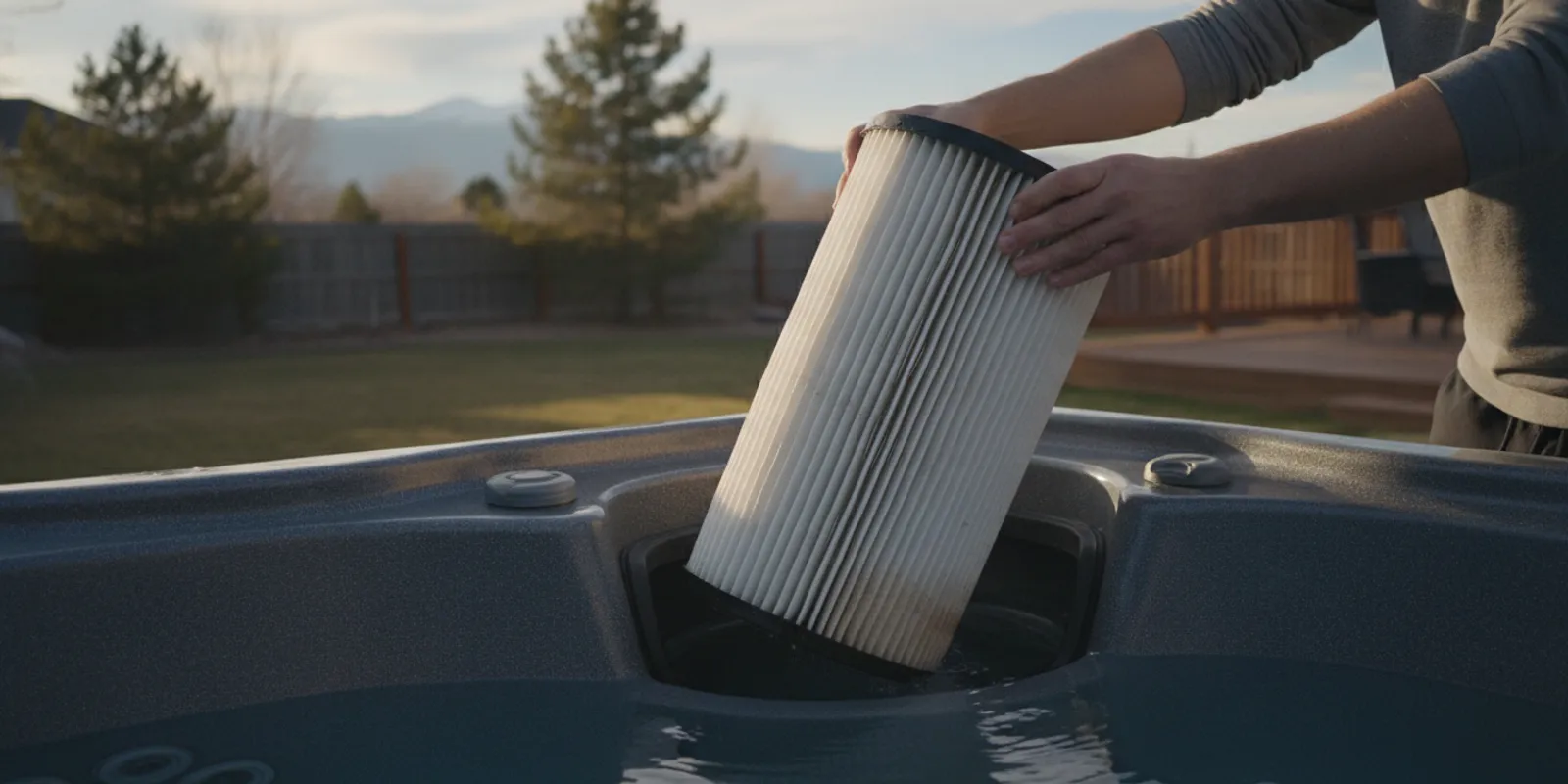
An assessment may include the pump, heater, filter, automation controls, equipment pad, and accessible plumbing. Neptune Pools supports multiple equipment types, including variable-speed and single-speed pumps, gas heaters, heat pumps, solar systems, cartridge filters, sand filters, and DE filters. The right next step depends on the existing installation and the pool's operating needs. Replacement is not automatically the answer. In some cases, a repair, configuration change, or efficiency adjustment may be more appropriate.
Automation deserves attention when controls are outdated, difficult to use, or disconnected from the way the pool is managed. Possible solutions include smart controllers, remote management systems, and timers. These options should be considered in relation to the pump, heater, filtration cycle, and homeowner or property manager expectations. A system that is technically capable but poorly configured can still create confusion and unnecessary operating strain.
Coordinate equipment-pad and plumbing work with construction
Equipment-pad or plumbing repairs may be coordinated with resurfacing, replastering, tile replacement, coping work, or other renovation components. This matters because access, connections, and final operating checks can influence how work is sequenced. Addressing a known leak or pad issue during a broader rehabilitation plan may avoid finishing surrounding work before a related problem has been evaluated.
Equipment planning can also include upgrade consultation, OEM parts sourcing, warranty-compliant installation, efficiency tuning, and configuration when those services fit the assessed scope. These are possibilities to discuss, not a fixed package for every pool. The goal is a compatible system that performs properly with the renovated pool, rather than adding equipment simply because it is newer.
For homeowners in the Denver Metro area, local conditions can also inform the discussion. Freeze exposure, rapid temperature changes, high-altitude water chemistry, hard-water staining, and intense UV exposure may affect how a renovation and its equipment are evaluated. Neptune's equipment team can address the technical side through pool equipment repairs and servicing while the renovation scope is developed.
Explore pool remodel and rehabilitation services.
What Is the Difference Between a Repair and a Full Renovation?
A single-surface repair and a full renovation can both improve an older pool, but they solve different kinds of problems. A repair is usually focused on one defined issue or surface. A renovation is broader and may coordinate several related improvements after an assessment clarifies how the pool, surrounding components, and equipment work together.
| Single-surface repair | Assessment-led renovation |
|---|---|
| Addresses one defined issue or surface. | May coordinate related work across multiple areas. |
| Usually keeps the scope narrowly focused on the identified defect. | Can include surfaces, features, equipment, plumbing, or surrounding components when the assessment supports that need. |
| May be appropriate when the rest of the pool remains suitable for continued use. | May be appropriate when several connected conditions should be considered together. |
| May involve a targeted correction without changing the broader design. | Can include coordinated design, material, construction, equipment, and final inspection decisions. |
What a defined repair is designed to do
A repair concentrates attention on a known area. Depending on the assessment, that could mean addressing a specific surface, leak-related issue, structural concern, or localized equipment-pad or plumbing problem. The objective is to correct the defined condition without automatically expanding the work to unrelated parts of the pool.
That focused approach can make sense when one component is the primary concern and the surrounding systems do not require coordinated changes. It does not mean the issue is unimportant. A targeted repair can protect function and help prevent a localized problem from affecting adjacent components.
How a renovation scope becomes broader
Renovation and rehabilitation work may bring several connected decisions into one plan. Possible components include resurfacing or replastering, tile or coping replacement, structural repairs, leak work, and equipment-pad or plumbing repairs. These are not a standard package. The assessment determines which elements are relevant and how they should fit together.
For Denver-area pools, that assessment may also consider Colorado-specific conditions such as freeze damage, rapid temperature changes, hard-water staining, intense UV exposure, and high-altitude water chemistry. Those factors can influence which improvements should be addressed together, but they do not automatically make every project a full renovation.
Where the scopes can overlap
A repair can become one part of a renovation when the same area connects to larger work. For example, a defined plumbing or structural repair may need coordination with surface work. Conversely, an assessment-led renovation may still contain several discrete repairs, each with its own purpose and verification.
The practical distinction is not the label attached to the project. It is whether the work remains limited to one defined condition or whether multiple related improvements need to be planned as a coordinated whole. Explore Neptune Pools' pool remodel and rehabilitation services.
What Should Final Pool Renovation Checks Confirm?
Final inspection is the point where the completed work is reviewed as a working pool system, not just as a finished surface. The exact checklist varies by scope. A project focused on resurfacing will require different checks from one that also includes tile, coping, structural work, plumbing, or equipment changes. The assessment and approved work plan should determine what is reviewed before handoff.
Visual finish and workmanship
The first review should confirm that the visible work matches the approved scope and selected materials. That can include the consistency of a new interior finish, the alignment and condition of replacement tile. The fit and appearance of coping, and the treatment of surrounding components included in the renovation. The review is not simply about whether the pool looks newer. It should identify unfinished edges, damaged adjacent areas, inconsistent transitions, or details that need correction before the project is considered ready for use.
Denver conditions can make this practical review especially important. Hard-water staining, intense UV exposure, rapid temperature changes, and freeze-related damage can influence renovation decisions and long-term performance. Any local considerations identified during assessment should be reflected in the completed work and explained to the owner rather than left as an assumption.
Function, equipment, and system integration
A renovated pool should be checked in operation, within the limits of the work performed. Depending on the project, that may include confirming circulation, observing valves and plumbing connections, checking for visible leaks, and verifying that water moves through the intended equipment. Equipment integration may involve pumps, heaters, filters, or automation systems. Neptune supports equipment such as variable-speed and single-speed pumps, gas heaters, heat pumps. Solar systems, cartridge, sand, and DE filters, along with smart controllers, remote management systems, and timers. The relevant components should be tested and configured when they are part of the approved scope.
When equipment-pad or plumbing repairs are coordinated with surface work, the handoff should make clear what was repaired, replaced, adjusted, or left unchanged. If an upgrade consultation or efficiency tuning was included, the owner should understand the resulting settings and normal operating controls. For complex systems, a short demonstration can prevent confusion after the crew leaves. More specialized concerns can be continued through pool equipment repairs and servicing.
Safety-related details and operating guidance
Safety review should be appropriate to the project and the property. That may include checking that walking surfaces and coping are secure, access points and visible fittings are in acceptable condition. Equipment areas are orderly, and no construction debris or obvious hazards remain. It should also be clear which safety features were included in the renovation and which existing conditions were outside the scope. A final review is not a substitute for a code inspection or a determination by the appropriate authority when either is required.
Water care is part of a responsible transition back to operation. The owner should receive practical guidance on initial care, circulation, filtration, and chemical handling as applicable to the completed work. Neptune's operating process includes precise chemical dosing records, which can help document the condition of the system at handoff without suggesting that one chemical program fits every pool.
Documentation and the customer handoff
A useful handoff records what was completed and gives the customer a clear next step. Electronic service reports and photo documentation can capture the finished condition, relevant equipment settings, and items that may need future attention. The customer should have an opportunity to ask questions about controls, maintenance responsibilities, care of new materials, and any follow-up work identified during inspection. HOA boards and property managers may also need organized documentation for their records and future service coordination.
Finally, the renovation should transition into an appropriate care plan. New surfaces and integrated equipment still require routine observation, water balance, seasonal preparation, and timely attention to developing issues. Neptune's ongoing pool cleaning and maintenance can help establish that next phase based on the pool's condition, equipment, and operating needs.
Explore pool remodel and rehabilitation services.
Frequently Asked Questions
What is included in professional pool renovation services in Denver?
The scope depends on the assessment, but it may include surface refinishing, replastering. Tile or coping replacement, structural or leak work, equipment-pad or plumbing repairs, equipment integration, and final checks. A renovation can coordinate several related improvements rather than treating each issue as an isolated job.
Why is an assessment important before renovating a pool?
An assessment identifies the pool's actual condition and helps determine which work is necessary. In Denver, the review may also consider freeze damage, rapid temperature changes, high-altitude water chemistry, hard-water staining, and intense UV exposure. This prevents a fixed package from being applied where a different scope is more appropriate.
Can pool equipment be included in a renovation plan?
Yes. Pumps, heaters, filters, automation, equipment pads, and connecting plumbing may need to be evaluated alongside surface or structural work. Coordinating these areas can help ensure that repaired or upgraded equipment works properly with the renovated pool system.
How is a repair different from a full renovation?
A repair addresses one defined issue or surface, such as a specific leak or damaged component. A renovation or rehabilitation project may coordinate improvements across multiple surfaces, features, equipment, or surrounding components after assessment. The right choice depends on the condition and goals of the pool.
What should be checked when a renovation is finished?
Final review should address the completed appearance, functional operation, equipment integration, safety-related details, and any care or documentation handoff appropriate to the project. The exact checks vary by scope, so the completion review should reflect the work that was actually performed.
Ready to Plan Your Denver Pool Renovation?
An assessment-led conversation can help clarify which renovation or rehabilitation work fits your pool's condition, goals, and existing equipment. It also gives you a practical way to discuss priorities before deciding how the project should proceed. Review the available scope with Neptune Pools, then take the next step for your Denver pool project. Review Neptune Pools' remodel and rehabilitation services.
Related Blogs