Pool Repair Cost: A Denver Homeowner's Guide
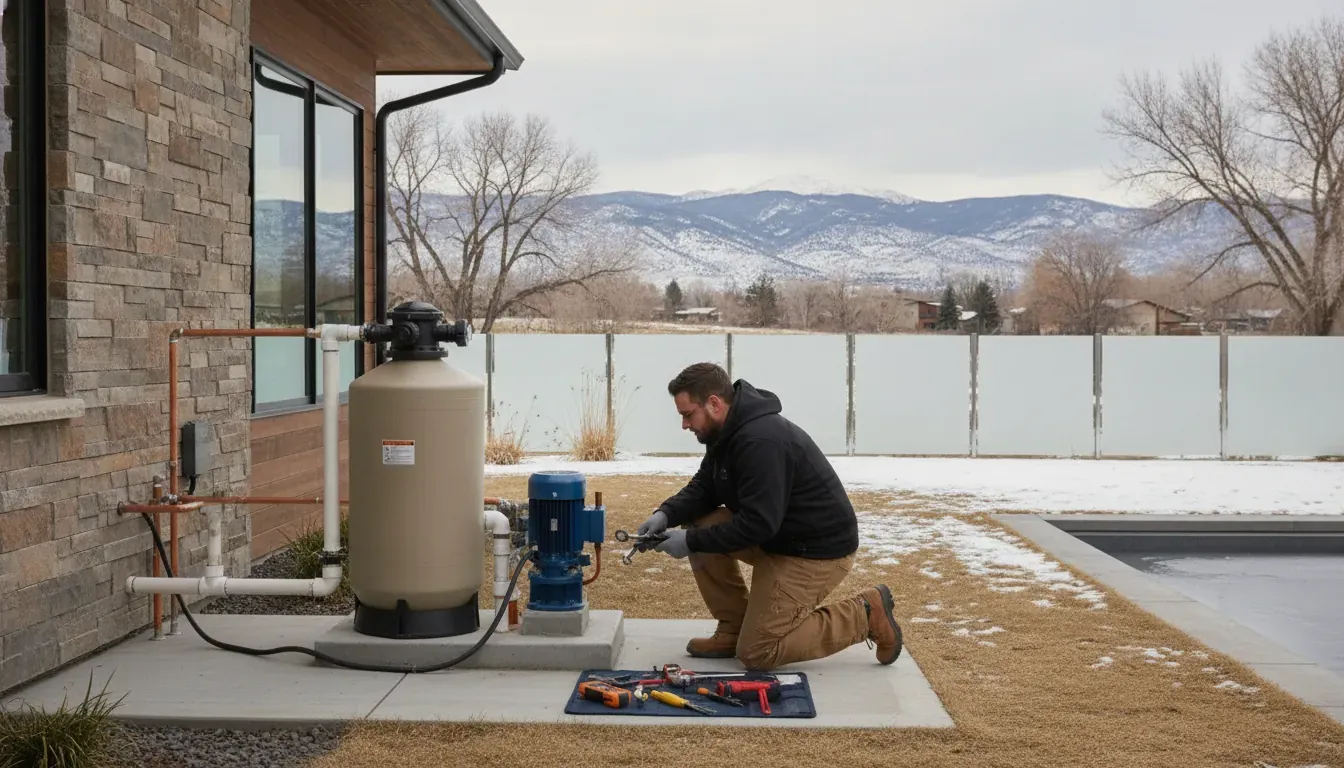
A pool problem rarely arrives with a neat price tag. A humming pump, falling water level, or heater that will not start may point to a single worn component. A broader equipment issue, or damage that is harder to access.
In Denver, pool repair cost depends on the diagnosis, failed component, compatible parts, labor, equipment access, and whether the issue extends into plumbing or the pool structure. Online national ranges can provide planning context, but they are not a Neptune Pools quote.
Colorado conditions add another planning consideration. Rapid temperature changes and freeze exposure can affect outdoor equipment and plumbing, although the actual scope depends on what failed and how the system was protected. The most useful estimate starts with identifying the problem, separating equipment repair from remodeling, and documenting what the technician finds. Here is how those factors shape a realistic Denver repair plan.
Request a pool equipment evaluation from Neptune Pools.
What Does Pool Repair Cost in Denver?
There is no responsible universal answer to the question, "What does pool repair cost in Denver?" A minor pump or seal issue is different from a heater failure. It is also different from a buried plumbing leak or structural problem. Online cost guides can provide broad planning context, but they are not a Neptune Pools quote. They may not reflect Denver labor, access conditions, equipment compatibility, or the actual cause of the symptom.
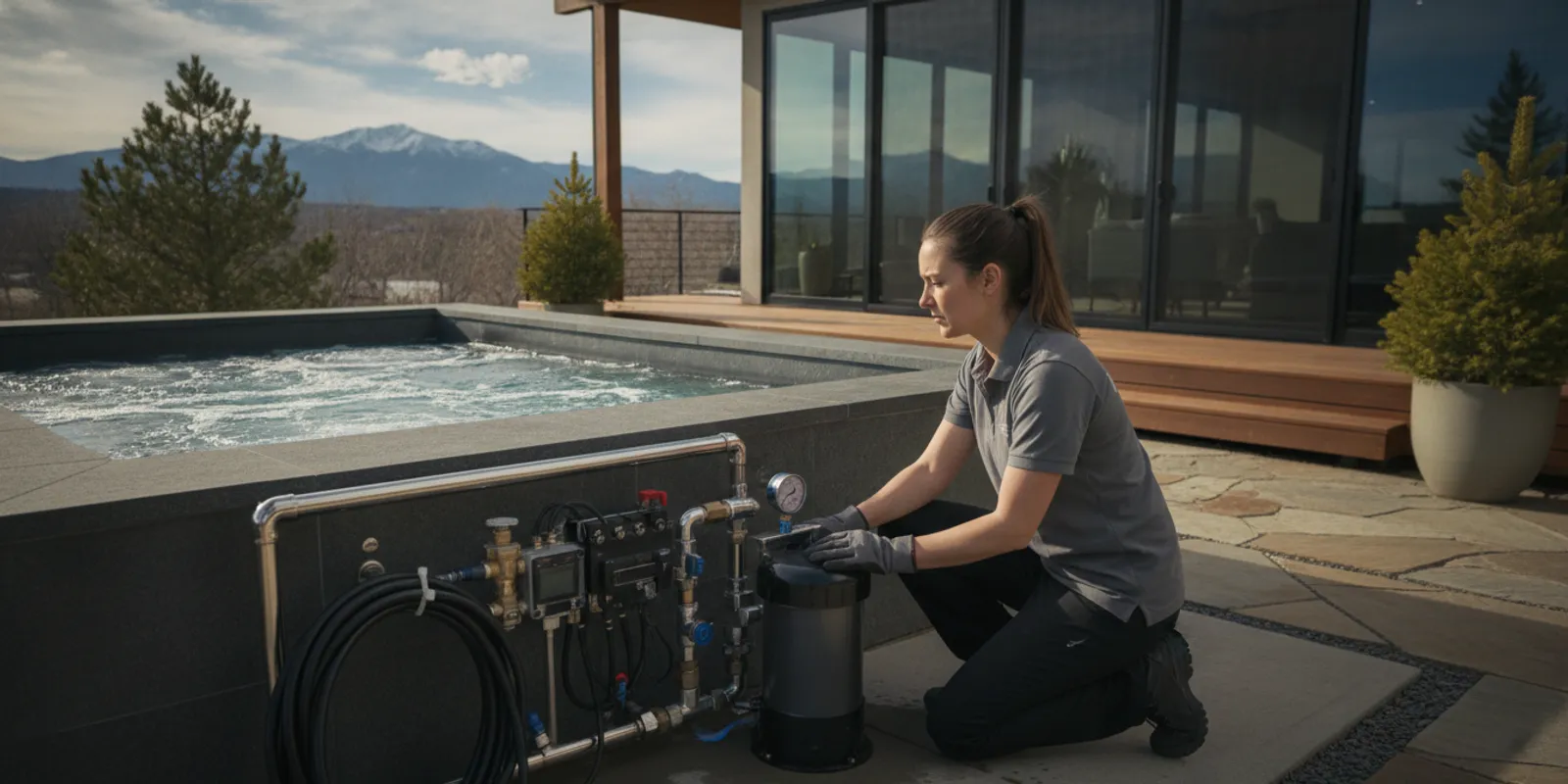
A useful estimate starts with diagnosis. A technician needs to determine whether the problem involves the pump, filter, heater, automation controls, electrical components, plumbing, or more than one connected system. The visible symptom is not always the failed part. For example, low flow may relate to a filter, pump, suction-side issue, valve, or obstruction. Replacing a component before identifying the cause can leave the original problem unresolved.
What goes into the estimate?
- Diagnosis: Testing and inspection establish what failed and whether another component contributed to the problem.
- Parts and compatibility: The required part must match the equipment model and the existing system. Older or discontinued equipment may require additional planning.
- Labor and access: A clear equipment pad is simpler to work on than a cramped installation. Buried plumbing, difficult access, or work around hardscape can expand the scope.
- System condition: Corrosion, worn seals, freeze-related damage, poor installation, or repeated failures can affect whether a repair is practical.
It is also important to separate equipment repair from remodeling. Repair work typically addresses a failed or malfunctioning component, such as troubleshooting a heater, servicing a pump, inspecting filter performance, or correcting an equipment connection. Remodeling and rehabilitation may involve resurfacing, tile, coping, structural cracks, plumbing changes, or equipment-pad stabilization. Those projects require a custom scope rather than a simple repair figure. Neptune's pool remodeling and rehabilitation options are a better fit when the pool itself or its surrounding structure needs work.
For Denver homeowners, the most useful estimate explains what was tested, what failed, which parts and labor are included, and whether follow-on work is recommended. That level of detail makes it easier to compare repair and replacement choices without treating a generic national number as a promise.
What Factors Change Pool Repair Cost?
A useful estimate starts with the cause of the problem, not just the symptom you noticed. A pump that will not start, for example, could involve the motor, a seal, wiring, controls, or a related flow issue. Neptune Pools technicians inspect the system to identify the failed component and determine whether one repair will resolve the problem or whether the original failure has caused additional damage.
Several factors can change the scope of work and the resulting pool repair cost:
- Diagnosis and failed component: Pumps, filters, heaters, automation systems, plumbing, and electrical components require different testing and repair methods. A heater evaluation may involve temperature and sensor testing, flow, ignition, gas, and electrical checks. A pump issue may involve noise, vibration, leaks, seals, or a worn motor component.
- Labor and parts: The estimate depends on the time required to access, test, remove, repair, and verify the equipment. Replacement parts also vary by model, availability, and compatibility. Using a part that does not match the equipment can create performance or reliability problems, so the correct model and installation requirements matter.
- Equipment-pad access: A clear, accessible equipment pad generally makes inspection and service more straightforward. Crowded pads, restricted working space, deteriorated connections, or equipment that has been installed in an unusual configuration may increase the time needed to complete the work.
- Buried plumbing and hidden damage: A visible leak or pressure problem may originate in plumbing that is difficult to see. If testing shows that the issue extends beyond an exposed fitting or valve, locating and accessing buried lines can expand the repair scope.
- Pool material and age: Vinyl, fiberglass, and concrete pools have different repair considerations. Older equipment may have limited parts availability, outdated controls, or several components nearing the end of their useful service life. In that situation, repair and replacement options should be compared rather than choosing a part in isolation.
- Weather and timing: Denver's rapid temperature changes and freeze exposure can affect outdoor equipment and plumbing, but the impact depends on the system, exposure, timing, and what actually failed. Weather may also affect access and the order in which related work can be completed.
- Additional damage: Removing a failed component can reveal corrosion, cracked connections, water intrusion, or damage caused by a continuing leak. A transparent estimate should distinguish the original repair from newly identified work so you can make an informed decision.
For a clearer plan, ask what was diagnosed, which parts are being recommended. What labor is included, and whether the estimate covers only equipment repair or additional plumbing and structural work. Neptune's pool equipment repair services cover evaluation and servicing for major pool and spa equipment brands.
How Do Common Pool Equipment Repairs Affect the Estimate?
The equipment symptom is only the starting point for a useful estimate. A pump that is noisy may have a worn motor, a seal problem, restricted flow, or a related plumbing issue. A heater that will not run may require temperature and sensor testing, flow checks, ignition review, or gas and electrical troubleshooting. The repair category helps a technician decide what to test, which parts may be compatible, and whether repair or replacement is the more practical path.
That is why a responsible pool repair cost estimate follows diagnosis rather than a guess based on one symptom. Neptune Pools provides troubleshooting, repair, and replacement for major pool and spa equipment brands. The following comparison shows what commonly changes the scope.
| Equipment or symptom | What diagnosis may examine | What can change the estimate |
|---|---|---|
| Pump or motor | Noise, vibration, leaks, seals, motor operation, and worn components. | Whether one component can be repaired, the pump needs replacement, or flow and plumbing problems are also involved. |
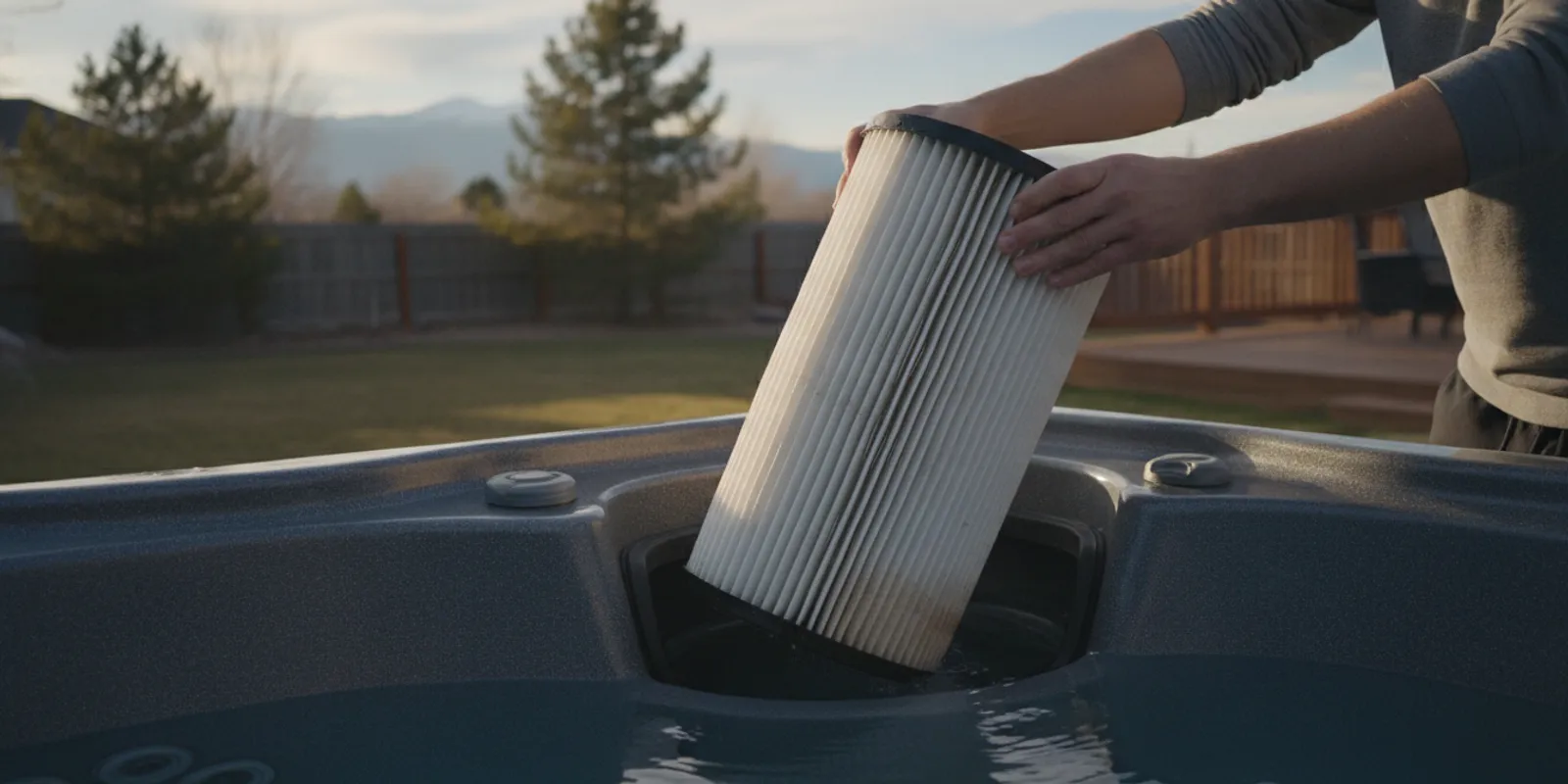
| Filter | Filter media, pressure, flow, cleanliness, and signs of restricted circulation. | Media condition, deep-cleaning needs, minor repairs, replacement parts, and compatibility with the existing system. |
| Heater | Temperature sensors, water flow, ignition, gas connections, electrical components, and operating efficiency. | The failed subsystem, fuel or electrical configuration, model compatibility, and whether additional safety testing is needed. |
| Automation or controls | Control signals, programming, sensors, communication, and equipment response. | Whether the issue is a setting, a replaceable control, a sensor, or compatibility between older and newer equipment. |
| Electrical symptom | Power supply, connections, switches, wiring, and the equipment receiving power. | Where the fault is located, safe access to the equipment pad, and whether the electrical issue caused secondary equipment damage. |
| Leak or plumbing symptom | Visible connections, equipment seals, flow behavior, and possible buried plumbing concerns. | The leak location, access, excavation or additional testing, and whether the problem is limited to equipment or extends into the pool system. |
For a clearer scope, gather the equipment model, describe when the symptom started, and note unusual noise, pressure, water loss, or freeze exposure. Then request pool equipment repair services so the evaluation can separate diagnosis, parts, labor, and any follow-on work.
Get a clear pool equipment evaluation before approving repair work.
Why Can Freeze-Related Damage Increase Repair Scope?
Colorado freeze exposure can turn an equipment problem into a larger repair, but it does not happen in every pool or after every cold spell. The outcome depends on how much the plumbing and equipment were exposed. Whether water remained in vulnerable areas, when temperatures dropped, how long the freeze lasted, and which component failed.
Water expands as it freezes. If trapped water is inside an outdoor pump housing, filter, heater, valve. Or section of plumbing, that expansion can stress seals, crack housings, split fittings, or damage connected components. A visible leak at one fitting may therefore be a symptom of pressure or cracking farther along the same system. Diagnosis matters because replacing the first failed part without checking the connected equipment can leave the underlying problem unresolved.
Why one damaged component may not be the whole repair
Pool equipment works as a connected system. A pump moves water through the filter, heater, valves, and return lines. When a freeze affects one point in that path, technicians may need to inspect flow, fittings, unions, seals, controls, and nearby plumbing before defining the repair scope. Buried or hard-to-access lines can require more investigation than an exposed equipment-pad connection. In some cases, the damage remains limited to a replaceable component. In others, multiple parts need repair or replacement to restore safe, reliable circulation.
Freeze timing also matters. A problem discovered during startup may involve a cracked fitting, a pump that will not prime. A heater flow fault, or a leak that was not visible while the system was idle. Those symptoms do not identify the cause by themselves. An evaluation should distinguish freeze damage from normal wear, improper operation, corrosion, or a pre-existing leak.
Winterization is condition-specific
Neptune Pools' pool closing work can include water adjustment, winter chemicals, equipment shutdown, line blow-out, winter-cover installation, and a winter risk check. That does not mean one water level, shutdown method, or winterization step applies universally. Pool design, equipment, plumbing layout, weather, and the owner's service plan all affect the appropriate approach.
For Denver homeowners planning pool repair cost, the useful question is not simply whether a freeze occurred. Ask which components were exposed, what testing confirmed, and whether the estimate includes related fittings or connected plumbing. A documented inspection can separate an isolated repair from a broader freeze-related scope before work begins.
Should You Repair or Replace Pool Equipment?
A repair is often the sensible choice when the underlying equipment is otherwise sound and the failed part can be identified. Sourced, and replaced without creating new compatibility problems. Replacement becomes more practical when the same system has repeated failures, parts are difficult to obtain, or the equipment no longer meets the pool's operating needs.
Questions that favor repair
Start with the equipment's actual condition rather than its age alone. A pump with a worn seal, unusual vibration, or a failing motor component may be repairable if the housing, wiring, and connected plumbing remain in good condition. A filter may need media service, cleaning, pressure troubleshooting, or a limited repair rather than a complete replacement. Likewise, a heater diagnosis may isolate a sensor, flow, ignition, gas, or electrical issue instead of indicating that the entire unit has failed.
Repair is also worth considering when:
- The failure is isolated and the remaining components are operating normally.
- Replacement parts are available and compatible with the existing model.
- The equipment has not required repeated service for the same or related problems.
- Keeping the current setup avoids unnecessary changes to plumbing, electrical connections, controls, or the equipment pad.
When replacement may be the better plan
Replacement deserves closer consideration when an older unit has a pattern of breakdowns. When the manufacturer no longer supports essential parts, or when a repair would only postpone a larger failure. Compatibility matters as much as the equipment itself. A new pump, heater, filter, or automation component must work with the pool's flow requirements, controls, electrical service, plumbing, and available space. Choosing a unit without checking those connections can create additional labor or performance issues.
Downtime is another practical factor. If a critical component has failed during the swimming season, a replacement that is readily available may restore operation more reliably than waiting for an uncertain part. An evaluation should compare the immediate repair, the replacement option, expected remaining service life, and any related work needed for a safe installation. That comparison is more useful than treating a national pool repair cost range as a universal answer.
Finally, confirm whether the problem is truly equipment-related. Cracks, shifting, structural leaks, damaged plumbing, or an unstable equipment pad may require a broader project than a pump or filter repair. When the pool needs resurfacing, structural work, tile, coping, or other restoration, review pool remodeling and restoration options separately from an equipment service estimate.
How to Get a More Useful Pool Repair Estimate
A little preparation can make an equipment evaluation more efficient and help you understand what a pool repair cost estimate actually covers. The goal is not to diagnose the problem yourself. It is to give the technician enough context to test the right systems, identify the failed component, and separate a focused repair from a larger project.
- Document the symptoms. Write down what you see, hear, or smell, and when it happens. Note whether the pump is noisy, the filter pressure changes, the heater fails to reach temperature, water is losing level, or an automation system stops responding. Photos and short videos can be useful, especially when the issue is intermittent. If you have already reviewed visible damage, keep that information available without assuming it identifies the cause.
- Identify the equipment and model. Photograph the labels on the pump, filter, heater, controls, and other equipment at the pad. Record model numbers when they are legible. Equipment repair may involve pumps, filters, heaters, automation systems, plumbing, or electrical components, and model compatibility can affect the practical repair path. Do not remove covers or open electrical equipment to find a label.
- Note timing and possible freeze events. Record when the problem began and whether it followed a cold snap, winter closing, opening, power interruption, or unusual weather. Colorado freeze exposure can affect outdoor equipment and plumbing, but the actual scope depends on what was exposed and what failed. This history helps the technician investigate without treating every winter issue as the same.
- Gather service history. Collect prior invoices, equipment replacements, maintenance notes, water-loss observations, and any recent chemical or pressure readings. Neptune Pools uses electronic service reports that can include chemical readings, dosage records, and before-and-after photos. A clear history can show whether the current symptom is new, recurring, or connected to an earlier repair.
- Ask what the diagnosis includes. Before work begins, ask which systems will be tested, whether the estimate separates diagnostic work from repair work, and what assumptions could change the scope. A useful evaluation should clarify the likely failed component, recommended repair, compatible parts, access requirements, and any follow-on work that is not included.
- Separate repair from remodel scope. An equipment repair is different from resurfacing, structural repair, plumbing rehabilitation, or a broader restoration. If the inspection finds cracks, shifting, damaged coping, or other structural concerns, ask for that work to be identified separately rather than blending it into an equipment estimate. This makes the next decision easier and keeps a repair conversation from becoming an unclear project budget.
For help diagnosing pumps, filters, heaters, automation, and related equipment, review Neptune Pools' pool equipment repair services.
Request a pool equipment evaluation from Neptune Pools.
Frequently Asked Questions About Pool Repair Cost
What is the average pool repair cost?
There is no responsible single average for every Denver pool. A minor equipment issue may require a different scope than a buried plumbing problem, leak, heater failure, or structural repair. National cost guides are useful for broad planning only, not as a Neptune Pools quote. A reliable estimate requires identifying the failed component, checking access and compatibility, and confirming whether additional damage is present.
What factors affect pool repair cost?
The main factors are the diagnosis, labor, replacement parts, equipment age, model compatibility, access, and whether the work involves equipment, plumbing, or the pool structure. In-ground systems can require more investigation when plumbing is buried or access is limited. Denver weather and possible freeze exposure may also affect the scope, depending on what was exposed and what failed.
Does homeowners insurance cover swimming pool repairs?
Coverage depends on your policy, the cause of the damage, exclusions, and your deductible. Sudden damage from a covered event may be treated differently from wear, neglected maintenance, or an aging component. Review your policy and contact your insurer before authorizing covered-loss work. Ask whether documentation, photos, or an adjuster's inspection is required.
What is the most expensive part of a pool?
The most expensive scope is often structural or renovation work rather than a single replaceable equipment part. Resurfacing, major plumbing, cracks, shifting, or reinforcement can expand the project substantially. These conditions need a custom evaluation, and they should be separated from routine pump, filter, heater, automation, or minor leak repairs when planning a budget.
How can I tell whether a pool problem needs repair or replacement?
Consider the equipment's age, parts availability, repeat failures, efficiency, compatibility, downtime, and the total scope of work. Repair may make sense when the underlying equipment is sound and the failed component is serviceable. Replacement may be more practical when failures recur or parts are unavailable. A professional evaluation can compare both options before you commit.
Request a Pool Equipment Evaluation
When a pool problem involves more than a visible symptom, an equipment evaluation can help clarify what failed and what the next repair step should address. Neptune Pools can review the situation with your Denver-area pool in mind. Request a pool equipment evaluation. You can also call 303-431-8501 if you prefer to speak with the team.
Related Blogs