Pool Repair Denver CO: Visible Damage and Triage Guide
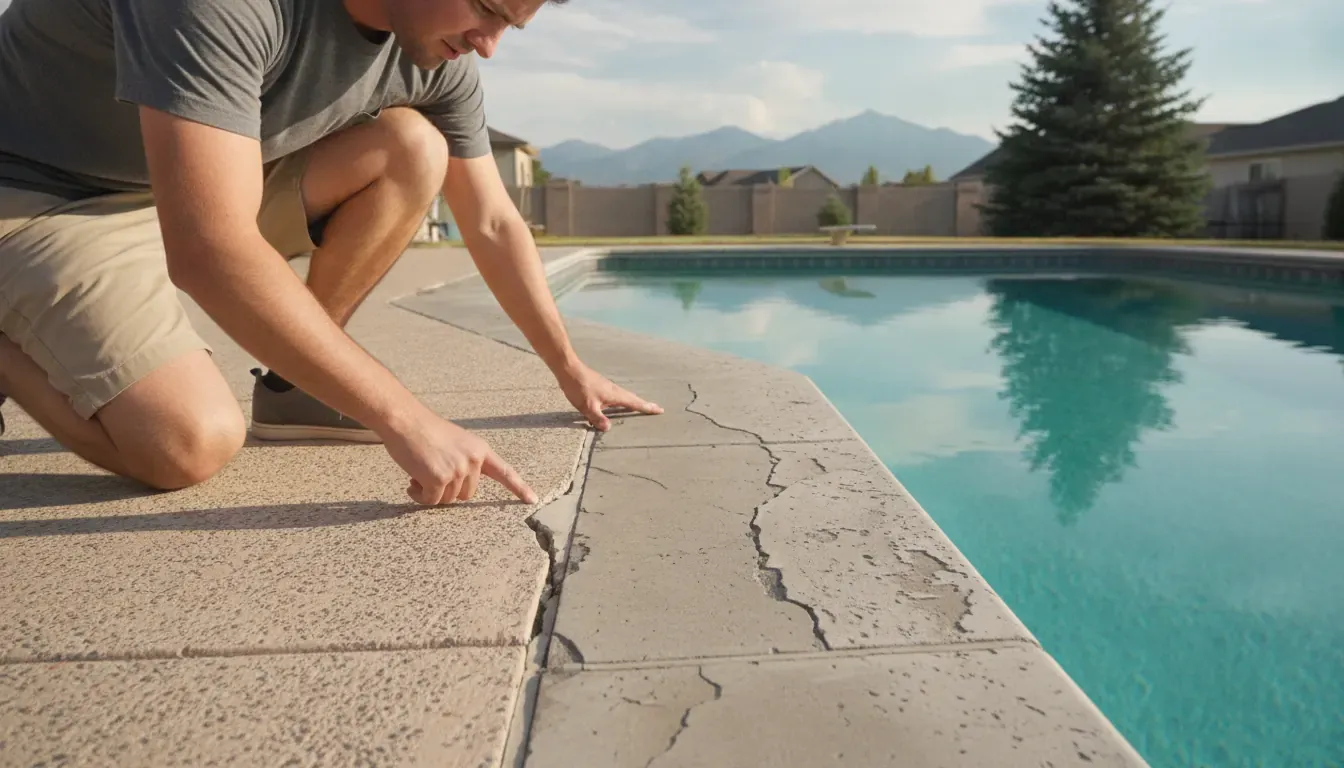
A crack in the pool shell, loose coping, flaking concrete, or a sudden change in the waterline deserves more than a quick cosmetic patch. In Denver, freeze-thaw cycles and rapid temperature changes can contribute to concrete deterioration, while stains and surface wear may point to a different underlying issue.
Explore Denver pool restoration options.
For homeowners researching pool repair denver co, non-equipment repair generally covers visible problems in the pool shell, interior finish, coping, deck, tile, or other surrounding surfaces. A technician should assess the cause, the full extent of the damage, and whether repair is necessary before recommending a method. Cracking, scaling, spalling, delamination, and surface wear are recognized concrete defect categories, but the visible symptom alone does not identify the right fix.
The safest first step is to document what you see without draining, chipping, or sealing the area yourself. That distinction between an observable symptom and a confirmed diagnosis helps clarify which issues belong in a professional inspection and which visible conditions fit the broader category of non-equipment pool repair.
What does pool repair in Denver CO cover beyond equipment?
A non-equipment pool repair addresses the pool's visible structure, finish, or surrounding hardscape rather than machinery. Visible concerns can include shell cracks, loose coping, deteriorated grout, failing tile, worn plaster, damaged decks, or movement around the pool edge.
These problems may look cosmetic at first, but appearance alone does not reveal the cause or the full extent of damage. A narrow crack could be limited to a finish, or it could reflect movement beneath the surface. Flaking concrete, hollow-sounding areas, scaling, spalling, delamination, and unusual surface wear are recognized concrete defect categories in the California Department of Transportation's repair guidance. The guide recommends assessing the defect, determining its cause, defining the limits of the defective material, and deciding whether repair is necessary before selecting a method. See the concrete repair process for that diagnostic framework.
Common non-equipment issues
- Pool shell and structure: visible cracking, displacement, settlement concerns, or areas that appear to be opening or shifting.
- Interior surface: widespread roughness, peeling, scaling, staining that will not clean away, exposed substrate, or finish deterioration that may call for resurfacing.
- Coping and tile: cracked, loose, chipped, or moving edge materials, failed joints, and gaps where the pool edge meets the deck. Neptune's guide to cracked pool coping repair covers this issue in more detail.
- Deck and safety surfaces: trip hazards, broken concrete, failing expansion joints, sharp edges, or surfaces that have lost a secure walking finish.
Colorado conditions make a careful assessment especially important. Neptune identifies freeze damage, rapid temperature changes, hard-water staining, high-altitude chemistry, and intense UV exposure among local pool concerns. Cyclic freezing and thawing is also recognized as a cause of concrete deterioration by the Bureau of Reclamation. That does not mean every crack is structural, but it does mean patching a symptom without identifying the cause can leave the underlying problem unresolved.
Concerns involving pumps, heaters, filters, lights, automation, or plumbing belong with pool equipment repair services, rather than this non-equipment triage guide.
Use the inspection notes to guide the next step.
Which visible pool problems need a technician in Denver?
Some surface changes are cosmetic. Others indicate movement, material failure, or water loss that should be evaluated before the damage spreads. You can document what you see, but a photograph rarely identifies the cause or the full extent of a pool defect. A sound repair decision starts by assessing the defect and determining its cause. It also asks whether repair is necessary. This approach is reflected in public guidance from the California Department of Transportation.
Signs that deserve an inspection
- Cracks that grow, widen, or cross multiple surfaces: A fine, isolated line in a finish may be limited to the surface. Cracks that continue through the shell, coping, deck, or adjoining areas are more concerning, especially when they change over time.
- Movement or separation: Uneven coping, shifted deck sections, gaps, or a noticeable change in elevation can create trip hazards and may point to movement below the visible surface. Do not pry, chip, or fill the area before it has been assessed.
- Spalling, delamination, and loose material: Flaking, hollow-sounding areas, exposed aggregate, or pieces breaking away are not just appearance issues when they occur in walking areas or around the pool edge. These conditions can worsen and leave sharp or unstable surfaces.
- Unusual water loss: A lower water level can have several explanations, including evaporation, splash-out, or a leak. If the loss is persistent or accompanied by a crack, damp area, soil change, or shifting finish, request professional evaluation rather than guessing at the source.
- Staining that does not respond to normal care: Discoloration may be mineral-related, chemical-related, or associated with deterioration beneath the finish. Persistent stains should be documented before aggressive cleaning changes the evidence.
Denver's conditions add context to these observations. Colorado pools face rapid temperature changes, hard-water staining, intense ultraviolet exposure, and freeze damage. Cyclic freezing and thawing is recognized as a cause of concrete deterioration, and published repair guidance includes cracking, scaling, spalling, delamination, and surface wear among defect categories. That does not prove a particular cause at your pool, but it is a reason to take changing cracks, loose surfaces, and winter-related movement seriously.
Prioritize an inspection when a defect affects footing, exposes sharp material, changes quickly, is paired with unexplained water loss, or appears after a freeze-thaw cycle. Keep people away from unstable areas and avoid making a structural repair based on appearance alone.
Next, assess whether the visible change is growing or affecting safety.
A technician can separate a finish concern from a broader surface or structural problem, document the affected area, and recommend the appropriate next step. The goal is not to label every stain or hairline crack an emergency. It is to identify when observation is no longer enough for a safe, informed decision.
How to triage a pool issue before the inspection
A careful pre-inspection record helps a technician understand what changed without asking you to diagnose the cause. Treat the pool as a work site: stay out of unsafe areas, do not enter the water if the condition is uncertain, and do not chip, scrape, seal, drain, or pressure-test a damaged surface on your own. Cracking, scaling, spalling, delamination, and surface wear can look similar from a distance, while the right repair depends on the cause and the limits of the affected area. Those are inspection decisions, not conclusions a homeowner should make from a photograph.
- Observe from a safe position. Walk the deck only if it is stable and dry enough to do so. Look for new or changing cracks, displaced coping, loose pieces, hollow-sounding areas you can identify without striking the surface, staining, exposed material, or a visible change in the pool finish. Note whether the issue appears at the waterline, along the edge, on the deck, or across a larger area. If the deck is shifting, a surface is actively shedding material, or anyone could trip or fall, keep people away and say so when you request help.
- Photograph the condition in context. Take wide photos showing the pool and surrounding deck, then closer photos from several angles. Include a familiar reference, such as a coping joint or tile line, when it helps show scale. Photograph the same area again if it changes. Avoid moving loose pieces or cleaning away material before the inspection. If the concern is cracked coping, this cracked pool coping repair guide can help you recognize the visible edge conditions to document, but it should not be treated as a remote diagnosis.
- Record timing and conditions. Write down when you first noticed the issue, whether it followed freezing weather, a rapid temperature change, heavy precipitation, maintenance, or nearby work, and whether it has spread. Colorado conditions can matter because cyclic freezing and thawing is a recognized cause of concrete deterioration. Include the date of each photo and any relevant seasonal history.
- Track water-level changes without experimenting. Note whether the water level is lower than usual, when you last topped it off, and whether the change continues when the pool is not being used. Do not drain the pool or conduct an improvised leak test unless a qualified professional tells you how. Water loss may have more than one possible explanation, and changing the conditions can make the inspection less useful.
- Preserve the evidence. Keep loose material in place, avoid experimental repairs, and share the photos and timeline with the technician.
Why Denver conditions change the repair decision
A visible pool problem does not always mean the same thing in Denver as it might in a milder climate. Elevation, dry air, sharp weather changes, and winter exposure can influence how a surface mark, crack, stain, or area of wear develops. These conditions are useful context, but they are not a diagnosis. A dark line may be staining, a finish issue, or evidence of movement. The correct repair decision depends on examining the defect, its limits, and its likely cause.
Freeze-thaw exposure can change the significance of a crack
Denver pools experience repeated seasonal transitions. Water can enter small openings, then expand when temperatures fall. Over time, repeated freezing and thawing is a recognized cause of concrete deterioration, including cracking, scaling, spalling, and delamination. The Bureau of Reclamation identifies cyclic freezing and thawing weather as a cause of concrete damage: its concrete repair guide explains the process.
That does not mean every crack is freeze damage. During a seasonal check, note whether the line is new, widening, branching, or accompanied by loose material. Look for changes after winter and again during spring startup. A technician still needs to determine whether the issue is limited to the surface or extends farther into the pool structure.
Altitude, temperature, and sun affect what you see
Colorado pool care also has to account for high-altitude conditions, rapid temperature changes, hard-water staining, and intense UV exposure. Those factors can contribute to discoloration, surface wear, or faster-looking changes, but they do not identify the repair method by themselves. A white or gray deposit could be mineral staining. Fading may reflect UV exposure. Flaking or roughness may point to a surface defect. Treat each as an observation to document, not a conclusion to act on.
Take clear photos from the same angle, record when you first noticed the change, and note whether it appears above or below the waterline. If staining or surface changes keep returning despite routine care, include that history in the service request. Neptune's pool and chemical support can help with water-related observations. Regular pool cleaning and maintenance can provide useful observations over time, but persistent cracking, movement, spalling, or rapid change deserves a professional assessment.
For pool repair in Denver, CO, Neptune's Denver service area is the relevant local context, but local conditions should shape the questions asked during an inspection, not replace the inspection itself. The practical goal is to identify the cause, define the affected area, and select a repair approach that fits the actual defect.
Schedule a pool repair assessment.
What happens during a professional pool repair assessment?
A professional assessment is more than a quick look at the most obvious crack or stain. The technician documents what you are seeing, considers how long it has been present and looks for related signs that may reveal the cause or extent of the problem. That distinction matters because a visible defect does not always show how far an issue extends beneath or behind the surface.
A sound evaluation follows a practical sequence: determine the likely cause, evaluate the damage, decide whether repair is necessary, and select an appropriate repair method and material. This general repair framework is consistent with guidance from the U.S. Bureau of Reclamation. A qualified technician should then confirm whether the concern is localized or part of a broader surface condition.
What the technician may check
Depending on the symptoms, the assessment can include the pool shell and other visible surfaces, walls, tile, coping, skimmers, and surrounding areas. The technician may look for cracking, scaling, spalling, delamination, surface wear, movement, loose materials, staining, or water-level changes. Those observations help establish whether the concern appears localized or connected to a larger surface or structural condition.
Water conditions are part of the picture as well. Testing and recorded readings can help distinguish a water-balance concern from a physical surface problem and provide a useful baseline for next steps. Share recent observations and photos with the technician so the assessment can stay focused on the visible condition.
How the findings are documented
Neptune Pools uses certified and insured technicians, professional-grade tools, and industry-standard safety procedures for applicable service types. The visit may include photographs of the condition, notes about its location and apparent severity, and recommendations based on what can be observed safely. Service reports can include chemical readings, dosage records, before-and-after photos, and email delivery within 24 hours. Clear documentation gives a homeowner or property manager something concrete to review instead of relying on memory or a verbal impression.
The assessment does not automatically mean a particular repair or outcome. It is a way to understand the condition, identify the next appropriate method and determine whether the issue should be monitored, repaired, resurfaced, or evaluated as part of a larger project.
Use the inspection notes to guide the next step.
When repair becomes resurfacing or renovation
A visible pool problem does not automatically mean the entire pool needs to be renovated. A small, contained defect may be suitable for localized work, while repeated deterioration or damage across several areas can point to a larger surface or structural project. The distinction matters because the right scope depends on the cause, the extent of the damage, and whether the surrounding material is still sound.
Use the comparison below as a conversation starter, not a remote diagnosis. Concrete repair guidance from the Bureau of Reclamation and California Department of Transportation emphasizes identifying the cause, defining the limits of defective material, and selecting a repair method based on what an inspection finds. Pool surfaces, coping, and surrounding construction have their own conditions, so a technician should confirm the recommendation in person.
| What you observe | Possible scope | What to do next |
|---|---|---|
| A limited crack, chipped area, or isolated coping defect with no obvious movement or nearby deterioration. | Localized surface, coping, or masonry repair may be considered if the underlying material is stable. | Photograph the area, note when it appeared, and request an assessment before patching or removing material. |
| Cracking, scaling, spalling, worn finish, or visible damage that keeps returning or appears across connected areas. | The issue may extend beyond one spot and require broader surface preparation or repair planning. | Ask a qualified technician to evaluate the damage pattern and its likely cause rather than treating each symptom separately. |
| Widespread finish wear, multiple deteriorated surfaces, movement, or damage affecting the pool's overall appearance and use. | Resurfacing, rehabilitation, or a larger renovation may be more appropriate than a series of small repairs. | Review Denver pool restoration options and compare the recommended scope with the condition of the full pool. |
Resurfacing is generally a finish-level decision, but it still requires checking what lies beneath the finish and whether adjacent coping or deck areas need attention. Neptune's swimming pool resurfacing guide explains the homeowner questions that can help you prepare for that discussion. If the concern is limited to an edge or coping area, keep the inspection focused on whether the defect is isolated or connected to movement elsewhere.
For homeowners searching for pool repair Denver CO, the most useful first step is not choosing a repair category from a photo. It is documenting the visible change and having the cause and extent evaluated before deciding between a localized repair, resurfacing, or renovation.
Schedule a non-equipment pool repair assessment through Neptune Pools' contact form.
Frequently Asked Questions
How do I know whether a pool crack needs professional attention?
Have a technician assess cracks that are widening, repeating across the surface, accompanied by movement, or associated with unexplained water loss. A surface mark alone does not identify the cause. An inspection should determine the defect's extent, whether repair is necessary, and which repair method fits the material and location.
Can Denver weather make a visible pool problem worse?
It can. Freeze-thaw cycles, rapid temperature changes, hard-water staining, intense UV exposure, and high-altitude conditions can all affect pool surfaces and structures. If damage appears after a freeze or changes between seasons, document what you see and arrange an evaluation rather than applying a patch without identifying the cause.
How much does a pool repair assessment cost?
There is no responsible single answer without knowing the issue, its location, the material involved, and the extent of damage. A technician can evaluate those factors before recommending a repair, resurfacing, or broader renovation. Ask for the scope of the assessment and the next steps rather than relying on a generic online price.
What should I do before a pool repair technician arrives?
Take dated photos of cracks, stains, coping movement, damaged surfaces, and the surrounding deck. Note when the issue started, whether water levels changed, and whether it followed freezing weather or other seasonal changes. Avoid chipping, sealing, draining, or dismantling anything that could hide the defect or create a safety risk.
Schedule a Pool Repair Assessment
Visible cracks, surface damage, coping concerns, or unexplained changes can be difficult to evaluate from the deck. A focused assessment helps clarify what you can observe, what needs professional attention, and which repair path fits the condition.
Schedule a non-equipment pool repair assessment through Neptune Pools' contact form.
Related Blogs