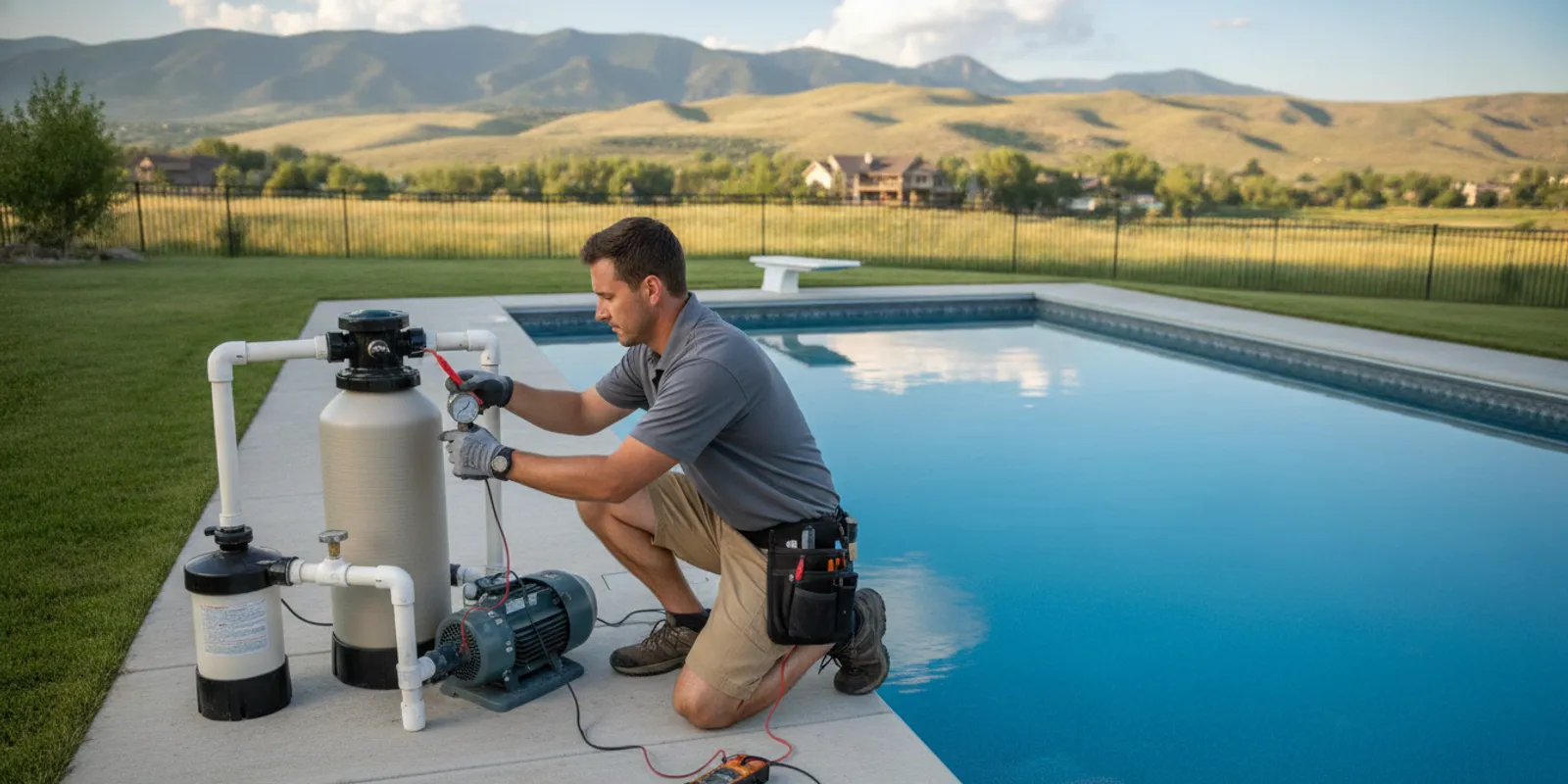
Pool Restoration Services Denver: A Practical Guide
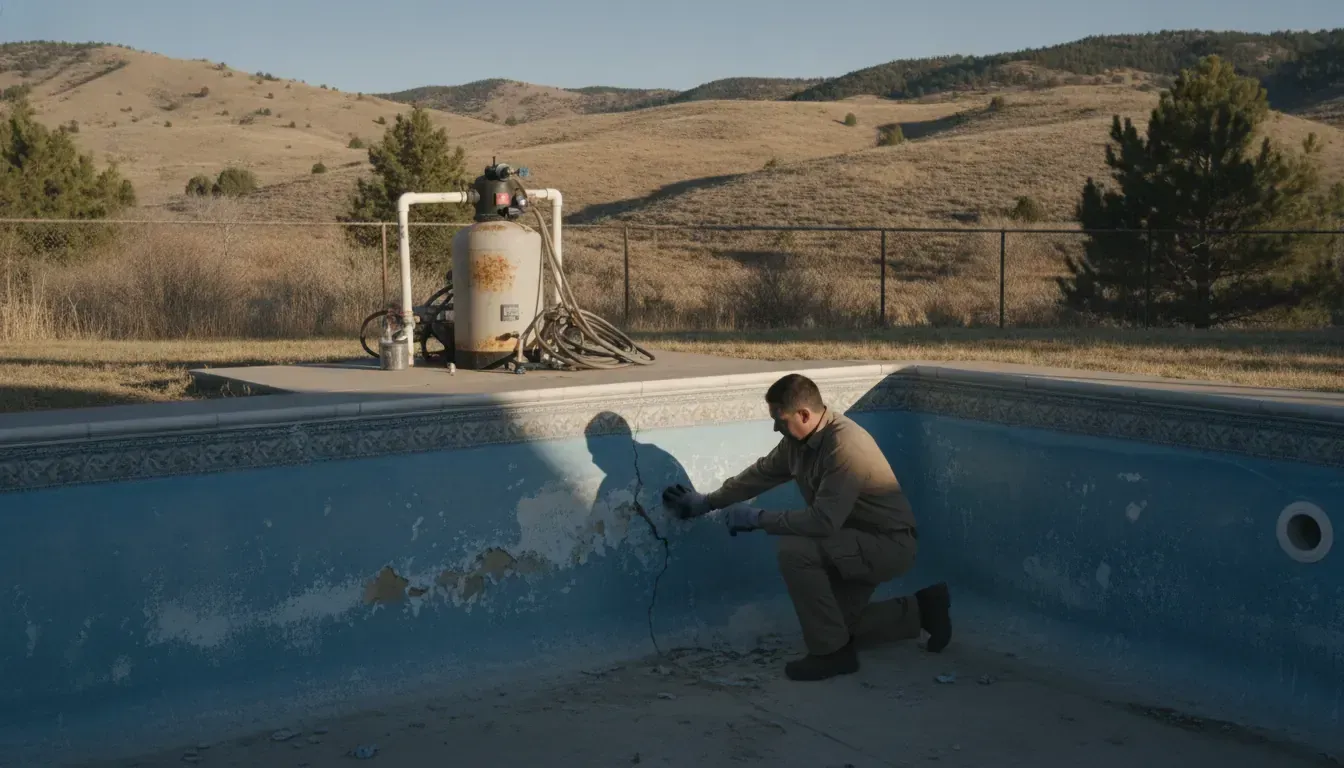
A pool can look tired without needing a full visual makeover, and it can look attractive while problems are developing beneath the surface. For Denver-area homeowners, the distinction matters because freeze and thaw exposure, aging plumbing, and equipment wear can turn a small concern into a larger repair.
Pool restoration services denver address the pool's structural and functional health, including issues such as persistent leaks, rough interior surfaces, failing equipment, chemical imbalances, and structural cracks. A cosmetic remodel, by contrast, primarily changes appearance through updates such as tile patterns or deck resurfacing. An inspection should determine which type of work your pool actually needs.
The right starting point is not a preferred finish or a tempting upgrade. It is a clear understanding of what is failing, why it is failing, and whether the proposed work will hold up in Colorado conditions. That distinction makes the scope, priorities, and approval questions much easier to evaluate.
Explore Denver pool restoration and rehabilitation services.
Restoration vs. Cosmetic Remodel: What Is the Real Difference?
The distinction comes down to what the work is meant to solve. Restoration, also called rehabilitation or rehab, addresses the pool's structural and functional integrity. A cosmetic remodel improves the visible finish and overall appearance. Both can be worthwhile, but treating a structural problem as a design project may leave the underlying failure unresolved.
Restoration and rehabilitation address function first
Restoration is appropriate when the pool is showing signs that its core systems or structure need attention. That can include persistent leaks, plumbing problems, rough or deteriorating interior surfaces, failing equipment, or other conditions that affect how the pool operates. The work may involve re-plastering, leak repair, or a plumbing overhaul, depending on what an inspection finds.
The goal is dependable operation and protection against more serious failures. A rough finish is not only uncomfortable for swimmers; it can indicate that the interior material is degrading. Likewise, recurring chemical imbalances may point to a material or equipment issue rather than a problem that can be solved through routine chemical adjustments alone. The right scope should follow documented findings, not an assumption that one visible symptom tells the whole story.
If the interior surface is part of the problem, Neptune's swimming pool resurfacing process can help explain how that portion of a rehabilitation project differs from a purely visual update.
Cosmetic remodeling changes the look
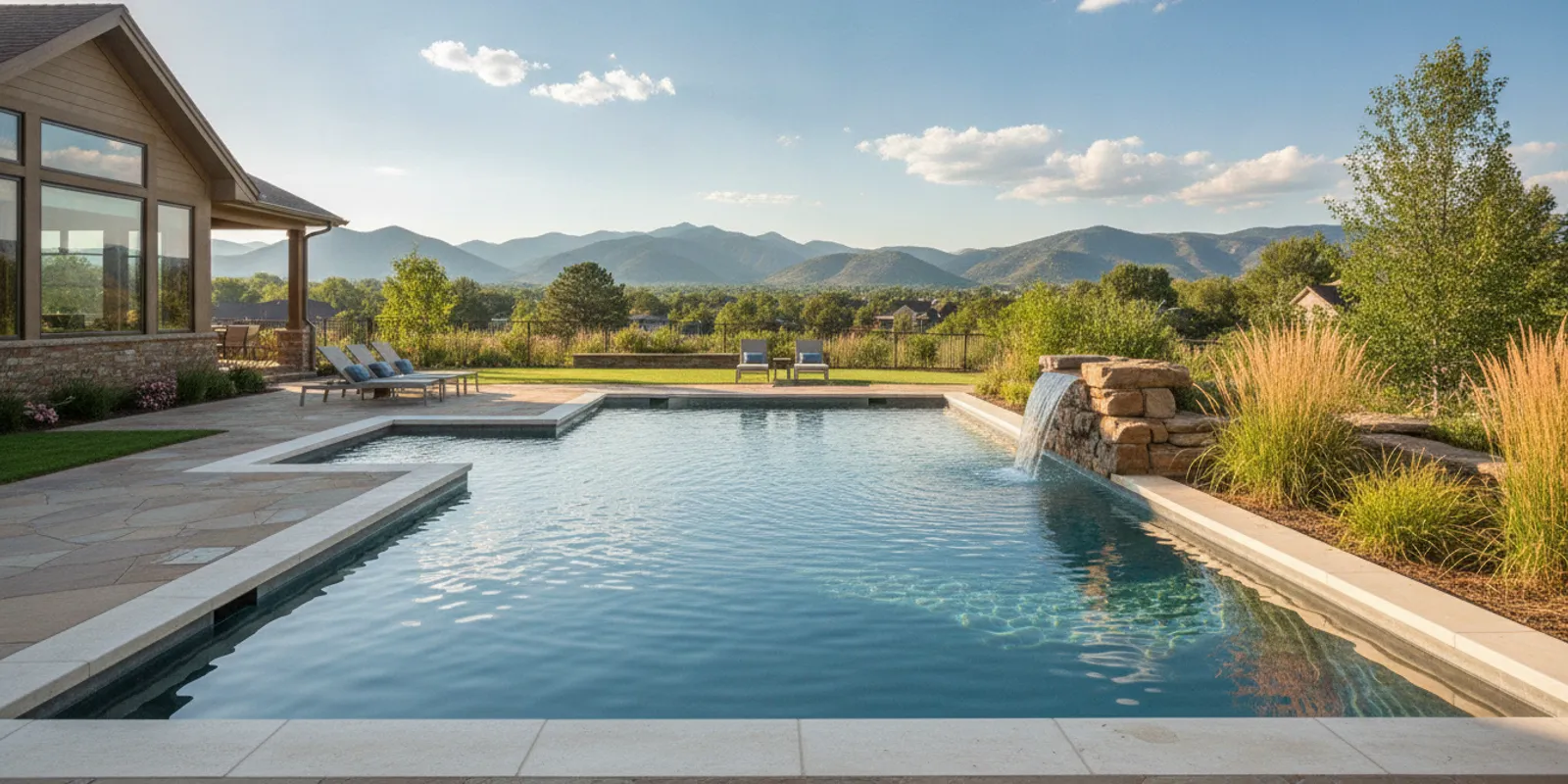
A cosmetic remodel focuses on appearance and finish selections while the pool's essential structure and equipment remain serviceable. Examples include changing tile patterns or resurfacing a deck for a refreshed visual style. These improvements can make an older pool feel current and better suited to the surrounding outdoor space. But they are not substitutes for correcting leaks, plumbing failures, structural cracks, or failing equipment.
In practice, a project may include both categories. A homeowner might want a new finish and tile while also needing repairs beneath the surface. Separating the two objectives makes it easier to understand which recommendations protect function and which ones change appearance.
| Consideration. | Restoration or rehab. | Cosmetic remodel. |
|---|---|---|
| Primary purpose | Restore structural integrity and reliable operation. | Improve appearance and finish design. |
| Typical focus | Leaks, plumbing, interior degradation, and equipment. | Tile patterns, deck finishes, and visual updates. |
| Best starting point | Inspection and defined repair scope. | Design goals and finish selections. |
For Denver-area pools, the distinction matters because a surface improvement should not conceal a functional issue. An inspection can clarify whether the project is primarily a restoration, a cosmetic remodel, or a combination of both.
What Pool Restoration Services Denver Homeowners Can Expect to Address
A pool can remain usable while its underlying problems steadily become more difficult to manage. Aging signs do not point to one automatic repair, and a photo or brief description cannot confirm the cause. They are reasons to schedule an inspection that separates structural concerns from surface wear, equipment limitations, and water-management problems. Neptune Pools identifies persistent leaks, rough interior surfaces, failing equipment, frequent chemical imbalances, and structural cracks as key signs that a pool may need restoration or rehabilitation. The inspection and restoration scope should be based on documented findings, not an assumed diagnosis.
Structural clues
Persistent water loss deserves attention, especially when normal evaporation does not explain it. A leak may involve plumbing, the shell, fittings, or another part of the system, so adding water repeatedly is not a repair strategy. Structural cracks also warrant professional inspection. Some may be superficial, while others could affect the pool's integrity. The important next step is determining what the crack or leak indicates before selecting a surface treatment. A restoration plan should address the underlying failure rather than conceal a symptom.
Surface and interior clues
Rough interior surfaces are more than an appearance issue. They can make swimming uncomfortable and may indicate that the pool material is degrading. Depending on inspection findings, restoration may involve work such as re-plastering or another appropriate surface repair. That is different from choosing a new tile pattern or updating the deck solely to change the look. Homeowners should expect the condition of the existing surface to be evaluated alongside the rest of the pool, rather than treated as an isolated cosmetic decision.
Equipment clues
Equipment that fails regularly can signal that the pool's broader system needs attention. Repeated problems may involve a pump, filter, plumbing connection, or another component, and the visible failure does not necessarily identify the root cause. Restoration services may therefore evaluate whether repair, replacement, or a wider system update is appropriate. Keep a record of recurring shutdowns, unusual operation, and service visits. That history can help the technician connect individual failures to the pool's overall reliability without assuming a specific component is at fault.
Water-behavior clues
Frequent chemical imbalances are another aging sign, particularly when routine testing and maintenance do not keep conditions stable. The cause may be related to leaks, circulation, filtration, deteriorating materials, or how the system is being operated. Water behavior should be investigated rather than treated as proof that more chemicals are needed. A complete evaluation can connect chemistry patterns with the physical pool and equipment, then identify which part of the system requires restoration. The goal is a clear scope of work that reflects the pool's actual condition, not a one-size-fits-all remedy.
Why Denver Conditions Change the Restoration Conversation
A pool in the Denver Metro area operates through a demanding cycle of temperature changes. Freeze and thaw exposure, elevation, and shifting water chemistry can all affect how a restoration project is evaluated. That does not mean every crack, leak, or chemistry problem requires the same repair. It means the inspection should consider local conditions before anyone recommends a surface treatment or equipment replacement.
Freeze and thaw exposure matters
Colorado winters make freeze protection an important part of pool planning. Water that remains in vulnerable plumbing or equipment can expand as it freezes, while repeated freeze and thaw cycles can place stress on connected components and surrounding structures. Neptune Pools identifies Colorado-specific freeze protection as part of its local expertise. For that reason, a restoration evaluation should look beyond visible finish damage and consider whether plumbing, equipment, and other exposed systems were properly protected through winter conditions.
Freeze-related damage is not automatic, and a visual symptom does not prove a specific cause. A professional should document what was observed, identify areas that need testing, and distinguish seasonal wear from a deeper structural or mechanical problem. The goal is to address the condition that created the failure, not simply cover the evidence with a new finish.
Water balance can affect both comfort and components
Water chemistry is another evaluation consideration. The CDC explains that pool water below pH 7.0 makes pipes more likely to corrode or break down, while pH above 8.0 reduces chlorine's ability to kill germs. Its guidance describes a pH range of 7.0 to 7.8 as the best balance among germ control, pipe lifespan, and swimmer comfort. These ranges are not a diagnosis for an individual pool, but they show why recurring chemistry issues deserve more than a quick adjustment.
In Colorado, high-altitude water balance may require specialized techniques to keep a pool safe throughout the season. If water repeatedly falls out of balance, the evaluation should consider the maintenance history, possible leaks, circulation or filtration concerns, and the condition of pool materials. A restoration plan may include repair work, equipment attention, or improved maintenance practices, depending on the documented findings. Homeowners can review Neptune's pool cleaning and maintenance information for context, but ongoing imbalance should not be treated as proof that a full rehabilitation is necessary.
Explore Denver pool restoration and rehabilitation services.
The Typical Pool Restoration Process, From Inspection to Testing
A well-defined restoration process helps homeowners understand what is being evaluated, what work is approved, and how the pool will be returned to service. The service stages generally move from consultation and inspection to scope definition, repair or rehabilitation work, and final testing with chemistry balancing. That sequence keeps structural and mechanical concerns from being covered up by a surface-only improvement. Neptune Pools also emphasizes upfront pricing and a clear service scope, so the proposed work should be explained before the project moves forward.
Consultation and inspection
The first step is to discuss the pool's symptoms, history, and intended use, then inspect the structure, interior finish, plumbing, circulation equipment, and other relevant systems. Homeowners should point out persistent leaks, rough surfaces, recurring chemical problems, cracks, or equipment that fails regularly. These observations do not establish a diagnosis by themselves, but they help direct the inspection. Ask the technician to explain the likely structural or mechanical cause of each significant problem, rather than recommending a surface fix without investigating what is underneath. The documented findings should identify observed conditions and distinguish confirmed issues from items requiring additional testing.
Scope definition and approval
After the inspection, the provider should translate the findings into a written scope. It should describe the repairs, replacement or resurfacing work, materials, affected systems, preparation, testing, and any exclusions. The scope should also explain why each item supports the pool's long-term health, including how the proposed approach fits Colorado conditions. Clear documentation gives homeowners, HOAs, and property managers a shared reference for approval and reduces confusion if the work involves several trades or pool systems. Confirm the total price, payment terms, assumptions, and change-order process before authorizing work. Do not approve a vague description such as "repair pool" when the underlying tasks are not listed.
Repair, rehabilitation, or restoration work
Once the scope is approved, the work addresses the identified causes. Depending on the inspection, that may include leak repair, plumbing work, interior restoration, equipment servicing or replacement, or related preparation. The crew should protect unaffected areas and communicate any condition that differs materially from the original findings before expanding the scope. Keep records of approved changes, product information, equipment model details, and work performed. If a system-specific component is involved, homeowners should retain documentation showing the technician's qualifications or certification when applicable. A clear work record is especially useful for future maintenance and for properties managed by more than one person.
Final testing and chemistry balance
Completion is more than making the pool look finished. The provider should test repaired systems, confirm that circulation and equipment operate as intended. Check for remaining leaks or visible defects, and balance the water before the pool is returned to normal use. Request written test results, the chemistry readings and products used, operating instructions, warranty information, invoices, approved change orders, and recommendations for follow-up maintenance. The final handoff should also identify any limitations or items that were observed but not included in the scope. For Denver-area pools, ask how ongoing care and Colorado-specific freeze protection relate to the completed work. These records create a practical baseline for future service and help verify that the restoration addressed function as well as appearance.
The documented sequence and handoff materials should make it possible to understand what changed, why it changed, and what care the pool needs next. For the verified service stages and restoration scope, see Neptune Pools' restoration and rehabilitation guidance.
Questions to Ask Before You Approve Pool Rehabilitation Work
A clear proposal should explain more than what will be replaced. It should connect the recommended work to the condition of the pool and the demands of the Denver-area climate. Before approving rehabilitation, use the consultation to test whether the plan solves the underlying problem or only improves what is visible.
What caused the failure?
Ask, "What is the structural cause of this failure?" This question is especially important when the recommendation involves a surface repair. A new finish may improve appearance, but it may not resolve an underlying leak, plumbing issue, or structural concern. Ask the technician to distinguish between the observed symptom and the cause they believe produced it. If the cause is uncertain, the proposal should identify what inspection or testing is needed before work begins.
How will the repair hold up in Colorado?
Ask, "How long will the repair last in Colorado conditions?" Denver pools face seasonal temperature changes and freeze-thaw exposure. So durability should be discussed in local terms rather than as a generic product promise. The answer should explain why the proposed materials and methods fit the pool's environment and how the work accounts for Colorado-specific freeze protection. A useful response will also identify maintenance factors that affect the expected service life.
Are you certified for the systems involved?
Ask, "Are you certified for this specific system?" This matters when rehabilitation includes equipment such as high-efficiency filtration or heating units. Certification should match the actual system being inspected or modified, not simply be a general statement about pool experience. Request the system-specific qualifications that support the recommendation, particularly when an equipment change could affect circulation, heating, filtration, or winter protection.
What exactly is included in the scope?
Ask for the scope in writing. It should identify the areas to be repaired, the work that is excluded, and the condition that would require a change in recommendation. Clear service scope helps prevent a structural repair from quietly turning into an appearance-only project, or a limited rehabilitation from being mistaken for a complete remodel. The proposal should also explain why each major item is necessary for the pool's long-term health.
How will the work be tested and documented?
Ask what testing will occur after the repair and what information you will receive. Confirm how the technician will verify the completed work, explain any remaining limitations, and address water chemistry before the pool returns to regular use. Request a written record of findings, completed repairs, recommended follow-up, and any exclusions. Finally, ask what the next step is if testing reveals another issue. Transparent answers make it easier to approve the right rehabilitation scope with confidence.
How to Decide Whether Restoration or a Cosmetic Update Comes First
The right starting point depends on what the pool is telling you. If there are persistent leaks, structural cracks, rough interior surfaces, failing equipment, or recurring chemical imbalances, treat the project as a restoration question. Do that before treating it as a design project. These signs can point to underlying material, plumbing, or equipment problems that a new tile pattern or deck finish will not solve.
Start with safety and function
First, identify anything that affects safe operation or the pool's ability to hold, circulate, and treat water. Ask what is causing the leak, whether a crack is superficial or connected to a larger structural concern, and whether equipment is operating reliably. The goal is not to assume that every visible defect requires a major rebuild. It is to have the cause evaluated before covering the symptom.
This is especially important when a pool has a history of winter problems. Denver-area pools face Colorado freeze and thaw cycles, so freeze protection belongs in the functional discussion. A restoration plan should account for the conditions the pool must withstand, not just how it looks on the day work is approved.
Then assess the surface
Once the pool's structure and systems are understood, review the interior finish and other surfaces. A rough finish can affect swimmer comfort and may indicate that the material is degrading. Re-plastering or another appropriate surface treatment may therefore be part of a functional rehabilitation plan, not merely a cosmetic preference. The inspection should clarify whether the surface needs repair, replacement, or only continued monitoring.
Finish with appearance, unless the project is clearly cosmetic
After function and surface condition are addressed, appearance choices become easier to evaluate. Tile, coping, decking, color, lighting, and layout details can then support the pool's intended use without concealing unresolved problems. Restoration focuses on structural and functional integrity, while a cosmetic remodel primarily changes aesthetics. Neptune Pools describes these as distinct objectives, though one project may reasonably include both.
The exception is a pool that is operating properly, holding water, and showing no unresolved structural, equipment, or surface concerns. In that case, an appearance-led update may be a sensible first step. Even then, confirm the scope in writing and ask what inspection or testing supports that conclusion. A consultation and inspection should lead to a defined scope, the agreed work, and final testing with chemistry balancing, rather than an assumption based only on appearance.
Explore Denver pool restoration and rehabilitation services.
Frequently Asked Questions
What are the common signs that a pool needs restoration?
Persistent leaks, structural cracks, rough interior surfaces, failing equipment, and recurring chemical imbalances all warrant a professional evaluation. These symptoms can have different causes, so an inspection should determine whether the problem is limited to a surface or points to plumbing, equipment, or structural deterioration.
What is the difference between pool resurfacing and restoration?
Resurfacing addresses the pool's interior finish, such as worn or rough plaster. Restoration is broader and may include resurfacing along with leak repair, plumbing work, equipment updates, or other repairs needed to restore safe, reliable operation. A cosmetic remodel may focus mainly on tile, coping, or deck appearance.
How often do inground pools need to be resurfaced?
There is no reliable schedule for every pool. Resurfacing depends on the interior material, installation history, water care, use, and visible wear. Rather than resurfacing by age alone, ask a technician to document the finish condition and explain whether a broader restoration issue is contributing to the deterioration.
Do Denver homeowners need specialized pool freeze protection?
Yes, Colorado freeze and thaw conditions should be part of the restoration evaluation. Ask how the proposed work protects plumbing and equipment through winter, what must be winterized, and how the system will be checked before seasonal operation resumes. The right scope depends on the pool's design and condition.
What should I ask before approving rehabilitation work?
Ask, "What is the structural cause of this failure?" Also confirm how long the repair is expected to last under Colorado conditions. Confirm that the technician is certified for the specific system. Ask what the documented scope includes and how final testing and chemistry balancing will be handled.
Ready to Plan Pool Restoration in Denver?
If your pool shows aging signs, recurring equipment concerns, or surface problems, a documented evaluation can help clarify whether restoration, rehabilitation, or a cosmetic update fits the property. Neptune Pools can review the condition of your pool and help you understand the work that may be appropriate before you approve a scope.
Contact us to request a pool restoration evaluation in Denver.
Related Blogs