Pool Resurfacing Cost in Colorado: 2026 Guide
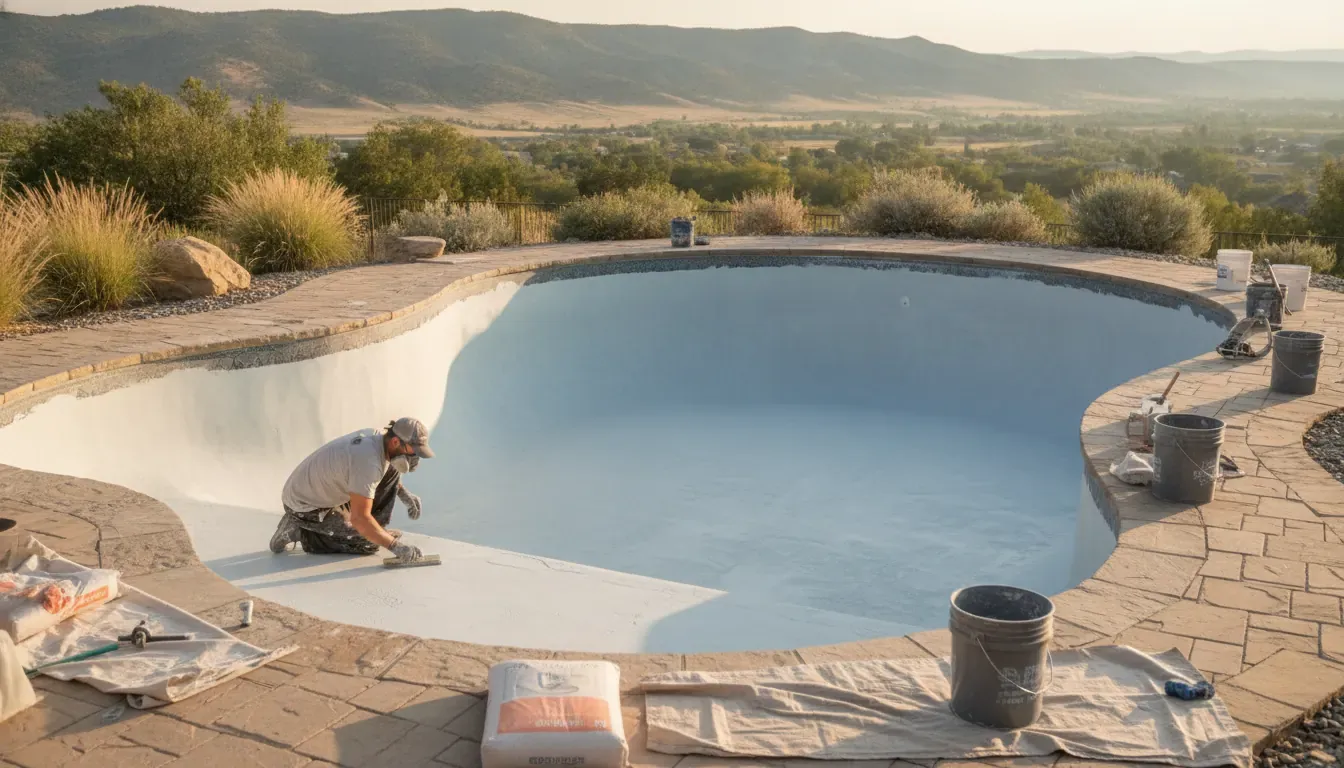
Pool resurfacing is rarely priced by the finish alone. The pool's size, existing surface, underlying repairs, access, and Colorado's freeze-thaw conditions can all change the final scope. For planning purposes, national residential projects are often reported around $6,000 to $15,000, but that range is context, not a quote for a Denver-area pool.
In Colorado, pool resurfacing cost depends on the finish, shell preparation, and any freeze-related damage or equipment issues. A site assessment is the only reliable way to separate a cosmetic finish replacement from a larger rehabilitation project.
Plaster, quartz, pebble, and polished aggregate each balance appearance, texture, upkeep, and expected service life differently. The next step is to compare realistic pricing bands and see which project factors are most likely to move your estimate.
Explore Denver pool resurfacing and restoration options.
What Does Pool Resurfacing Cost in Colorado?
As a broad national planning range, most residential pool resurfacing projects are reported at $6,000 to $15,000, with an average near $11,000. A separate regional estimate places standard residential work at roughly $5,000 to $12,000. These figures are useful for starting a budget, not a Colorado quote. Pool dimensions, the selected finish, and repairs discovered before resurfacing can move the final number substantially. These figures come from non-Colorado market estimates and should be treated as general planning context.
Finish choice is one of the clearest differences between projects. The table below compares planning context, not fixed pricing from Neptune Pools. A contractor still needs to inspect the pool and confirm its surface condition. The inspection should also identify tile, coping, plumbing, shell, or equipment work that may need attention.
| Finish | Planning context | What can affect the estimate |
|---|---|---|
| Plaster | Often the baseline finish for comparing resurfacing options. | Pool size, removal and preparation, surface repairs, and startup requirements. |
| Quartz | A finish upgrade to evaluate when appearance and wear considerations matter. | Material selection, installation scope, surface preparation, and water-balance work. |
| Pebble | A higher-end finish option that may carry a larger material and installation budget. | Aggregate selection, application complexity, pool geometry, and repair needs. |
| Polished aggregate | A premium finish to compare for texture, appearance, and long-term planning. | Chosen aggregate, preparation, installation details, and post-installation care. |
Colorado conditions deserve special attention. Freeze-thaw cycles can increase stress on pool surfaces and affect longevity and maintenance needs. When water freezes, expansion can damage related plumbing and equipment, so an estimate should account for more than the visible finish. Ask whether cracks, fittings, drains, or other underlying issues need attention before a new surface is installed. For Denver Metro homeowners, the most useful budget is an itemized estimate that separates the finish from repairs, preparation, and startup care.
Which Pool Finish Gives You the Best Value?
The best value is not always the finish with the lowest installation cost. A surface should fit how you use the pool, the texture you prefer underfoot. The amount of maintenance you can provide, and the conditions the pool faces through a Denver winter. Finish choices also affect the overall pool resurfacing cost, so compare useful life and upkeep alongside the initial proposal.
| Finish | Appearance and texture | Upkeep and durability considerations | Often suits |
|---|---|---|---|
| Plaster | Classic, smooth surface with a clean, uniform appearance. | Usually the straightforward baseline option. Water chemistry and proper startup matter because aggressive or imbalanced water can wear the surface. | Homeowners who prioritize a smooth feel and a simpler finish design. |
| Quartz | More color and visual variation than basic plaster, while remaining relatively smooth. | Offers a middle ground between a traditional surface and a more textured aggregate. Long-term performance still depends on installation and chemistry. | Projects seeking added color character without a highly textured finish. |
| Pebble | Natural, dimensional appearance with a noticeable texture and more visual depth. | Texture can improve traction, but it may feel less smooth. General industry context places properly cared-for pebble finishes at up to 20 years, not a guaranteed service life. | Owners who value a natural look, texture, and a longer-term finish strategy. |
| Polished aggregate | Reflective, refined aggregate appearance with a smoother feel than exposed pebble. | Can provide a durable premium surface. Some general guidance cites up to 20 years with proper care, but actual results vary with installation, chemistry, and exposure. | Renovations where visual finish quality and durability are major priorities. |
How to weigh the tradeoffs
Plaster can make sense when comfort, a familiar appearance, and a controlled project scope matter most. Quartz may justify a higher starting investment when you want more visual character while keeping a comparatively smooth surface. Pebble and polished aggregate can be attractive when you are planning for durability and a distinctive finish. Their value depends on whether the texture and appearance suit your household.
Do not treat a lifespan estimate as a promise. The quality of surface preparation, application, water balance, cleaning routine, and exposure to Colorado freeze-thaw conditions all influence performance. High-altitude chemistry also deserves attention because proper surface maintenance helps prevent chemical imbalances. A finish that costs more can be poor value if it is not installed correctly or maintained consistently. A simpler finish can serve you well when the pool's needs and care routine are a good match.
Ask for each finish to be shown as a separate line in the proposal. Confirm what preparation, repairs, startup instructions, and aftercare are included before comparing options. This makes the finish price easier to evaluate. It also prevents confusion between a surface upgrade and structural or equipment work.
What Makes a Resurfacing Estimate Increase?
An online pool resurfacing cost range can help with early planning, but it cannot price your pool accurately. A regional estimate of $5,000 to $12,000, for example, is described as varying by pool size, finish selection, and repairs needed before resurfacing. Treat that figure as general context, not a Colorado quote. The final scope depends on what an inspection finds.
Pool size and existing surface condition
A larger pool requires more preparation material, labor, and finish. Shape and depth can also affect the amount of surface that must be prepared. Condition matters just as much. Peeling, cracking, hollow areas, stains, exposed aggregate, or severe roughness may require more removal and preparation than a surface that is simply worn. The contractor may need to chip out failing material before applying a new finish. That extra demolition and disposal increases both labor and project time.
Repairs beneath or around the finish
Resurfacing should not conceal structural or plumbing problems. During draining and preparation, an inspection may identify cracks in the shell, leaks, damaged fittings, compromised drains, or problems around steps and returns. These repairs are separate from the finish itself, but addressing them before application helps prevent a new surface from covering an unresolved issue. Tile, coping, expansion joints, and related deck-edge work can also expand the estimate when they are damaged or included in the requested scope.
Access, water handling, and finish choice
Site logistics affect the estimate too. Tight side-yard access, long equipment paths, limited staging space, or difficult debris removal can add labor. Draining, handling, and replacing the pool water must be planned safely, especially where groundwater or site drainage creates added risk. A basic plaster finish may have a different material and labor cost than quartz, pebble, or polished aggregate. The right choice depends on appearance, texture, maintenance expectations, and how the finish fits the pool's condition and use.
Ask for the estimate to separate surface preparation, repairs, finish application, tile or coping work, water handling, and startup care. A written scope makes it easier to compare proposals and identify allowances that could change later. For process context, review this guide to pool renovation and resurfacing in Denver. Only an in-person review can confirm the pool's condition, access requirements, and complete resurfacing scope.
How Colorado Freeze-Thaw Cycles Affect Pool Surface Cost
Denver's winter conditions can make a resurfacing estimate different from a price based only on pool size and finish. Colorado's repeated freeze-thaw cycles place additional stress on pool surfaces and surrounding components, which can shorten surface longevity and increase maintenance needs. The effect is not limited to the visible finish. Water left in pipes, fittings, valves, or pump equipment can freeze, expand, and create damage that must be addressed before a new surface is installed.
Colorado State University Extension explains that water expands as it turns to ice. That expansion can burst pipes, crack valves, and split pump cases. The same pressure is why a contractor should investigate cracks, leaks, loose fittings, and other signs of winter damage. A new finish should not cover an unresolved problem. Read CSU Extension's explanation of freeze damage.
Winterization can protect the project before it starts
Proper winterization helps limit the water exposure that creates freeze damage. Depending on the pool and equipment layout, that may include draining appropriate lines, protecting equipment, and removing trapped water from water-bearing infrastructure. CSU Extension notes that compressed air is used to expel remaining water from systems. A pool professional can determine which lines and components require attention, since draining a pool or equipment incorrectly can create separate problems.
Timing matters, too. If a freeze damages plumbing or the pool shell, those repairs may need to happen before surface preparation and finish application. That can extend the project schedule and change the budget. Weather can also affect when work is practical, how the surface cures, and when the pool can be refilled. The contractor's fill, startup, and water-balance instructions should control the final timeline, not a generic online estimate.
Look beyond the visible crack
A crack or rough patch may be a surface issue, but it can also point to movement, water intrusion, or damage beneath the finish. Colorado's freeze-thaw cycle significantly affects pool surface longevity and maintenance requirements, according to Neptune Pools' Colorado seasonality guidance. See how Colorado seasonality affects pool maintenance. High-altitude water chemistry also matters after installation. Poor surface maintenance and chemical imbalance can accelerate deterioration, reducing the value of a lower upfront pool resurfacing cost.
Ask for an estimate that separates surface work from crack repair, plumbing or equipment repairs, water handling, and winterization. That makes the price easier to compare and helps prevent an inexpensive surface application from becoming a more costly repair later.
Request a Denver pool resurfacing and restoration assessment.
When Should Denver Homeowners Resurface a Pool?
There is no calendar date that automatically means a pool needs a new finish. The right timing depends on the condition of the surface, the pool shell, equipment, and the way the pool has been maintained. Use these checkpoints to decide when an assessment makes sense without assuming that every crack or stain requires a complete resurfacing.
Look for changes that do not improve with routine cleaning
Persistent cracking, flaking, staining, roughness, or exposed material deserves attention. A rough surface can be uncomfortable for swimmers and may catch on swimwear. Stains can have several causes, and a small defect may be repairable, so treat these observations as reasons to schedule an inspection, not as a remote diagnosis.
Ask an experienced professional to separate surface wear from structural problems
Before comparing pool resurfacing cost, ask what is actually included in the recommendation. The assessment should distinguish finish deterioration from movement, leaks, plumbing concerns, tile or coping damage, and equipment issues. Resurfacing involves draining the pool, preparing the existing surface, and applying a new finish. If repairs or additional preparation are needed first, they can change both scope and timing.
Plan around Denver weather and the project's startup requirements
Colorado freeze-thaw cycles can increase stress on pool surfaces and other water-bearing components. Water expands when it freezes, which can damage pipes, fittings, valves, and pump cases. Your contractor can recommend timing that allows the work and startup process to proceed in suitable conditions, while also addressing winterization or freeze protection where needed.
Follow the contractor's fill, cure, and swim instructions exactly
A general industry reference advises waiting 7 to 10 days before swimming for curing and water balance, but the contractor's written instructions control. Do not drain, brush, add chemicals, or start equipment on your own schedule if those actions conflict with the specified startup process. The new surface needs carefully managed water chemistry while it cures.
Keep the new finish stable with consistent maintenance
High-altitude conditions make surface maintenance and chemical balance especially important. After startup, follow the recommended testing and adjustment schedule, monitor water level and equipment, and arrange professional pool maintenance when you need ongoing help. Good care supports the finish, but no online guide can promise a fixed service life for every pool.
How to Budget for a Pool Resurfacing Project
A useful pool resurfacing budget starts with a detailed scope, not a single price pulled from a national cost article. Published residential estimates often land between $6,000 and $15,000, but that range is planning context rather than a Colorado quote. Pool dimensions, the selected finish, surface condition, access, and repairs can all change the final number. In the Denver Metro area, an inspection also needs to account for freeze-thaw exposure and the condition of water-bearing components.
Ask for an estimate that separates the finish itself from the work required to prepare the pool and restart it. A transparent quote should identify:
- Finish and application: Confirm whether the proposal covers plaster, quartz, pebble, or another aggregate finish, including the material grade, color, texture, and application method.
- Surface preparation and demolition: Look for the cost of draining, removing the existing finish, cleaning, bonding, patching, and preparing the shell. If demolition or disposal is excluded, the apparent low price may not represent the complete project.
- Structural and plumbing repairs: Ask whether cracks, hollow areas, leaks, fittings, returns, drains, or other plumbing issues will be inspected. Repairs discovered after the pool is empty should be priced separately or described with a clear allowance.
- Access and water handling: Narrow gates, landscaping, equipment placement, drainage, water disposal, refilling, and water delivery can affect labor and logistics. Make sure the quote explains who handles each item.
- Coping, tile, and drains: Confirm whether damaged tile, coping, main drains, covers, trim, or depth markings are included, excluded, or available as add-ons.
- Startup and cleanup: The proposal should state who balances the water, manages the initial startup process, removes debris, cleans the work area, and provides instructions for the curing period.
Colorado conditions make the inspection especially important. Freeze-thaw cycles can increase stress on pool surfaces, while freezing water can damage pipes, fittings, valves, and pump cases. A surface-only quote may not identify those risks. Ask the contractor what was inspected, what was not accessible, and which findings could change the scope.
This approach gives you a more useful budget than comparing a local quote with a generic national average. It also helps distinguish resurfacing from a broader renovation when the pool needs structural, plumbing, tile, coping, or equipment work. Neptune Pools treats resurfacing and replastering as part of major pool rehabilitation, with transparent pricing and Colorado-specific expertise. Request an inspection-based scope rather than assuming the least expensive finish is the lowest-cost option over time.
Request a transparent quote for Denver pool resurfacing and restoration.
Frequently Asked Questions
What is a reasonable pool resurfacing cost in Colorado?
National planning context places many residential resurfacing projects between $6,000 and $15,000, with a broad average near $11,000. Your Colorado estimate may fall outside that range because pool size, finish selection, access, draining, surface preparation, and repairs all affect the scope. Treat online ranges as budgeting context, not a quote. A site inspection is needed to price the actual project.
Which pool finish is best for a Colorado pool?
That depends on your priorities. Traditional plaster generally offers the simplest finish path, while quartz, pebble, and polished aggregate can change the appearance, texture, maintenance needs, and upfront cost. Pebble and polished aggregate are often described as durable finishes that can last up to 20 years with proper care. Installation quality, water chemistry, and Colorado exposure affect actual service life. Ask for finish samples and a written explanation of the tradeoffs.
How do freeze-thaw cycles affect resurfacing decisions?
Colorado freeze-thaw cycles can increase stress on pool surfaces and connected equipment. When water freezes, it expands and can damage pipes, fittings, valves, and pump cases, according to Colorado State University Extension: water expands as it freezes. Before resurfacing, ask whether cracks, plumbing issues, drainage, and winterization concerns need attention so cosmetic work does not conceal a larger problem.
How long should I wait before swimming after resurfacing?
Follow the resurfacing contractor's fill, startup, and water-balancing instructions. A commonly cited planning range is 7 to 10 days before swimming to allow curing and initial water balance. The required time can vary by finish, weather, and project conditions. Keep records of startup instructions and chemistry checks, especially during Colorado's changing temperatures.
Ready to Plan Your Pool Resurfacing Project?
A careful evaluation can separate surface wear from underlying repairs and help you compare finish options for Colorado conditions. Neptune Pools can help you turn those considerations into a clear project plan for your Denver Metro pool.
Request a transparent Denver Metro pool resurfacing and restoration quote.
Related Blogs