5 Pool Resurfacing Options: Pros, Cons & Costs
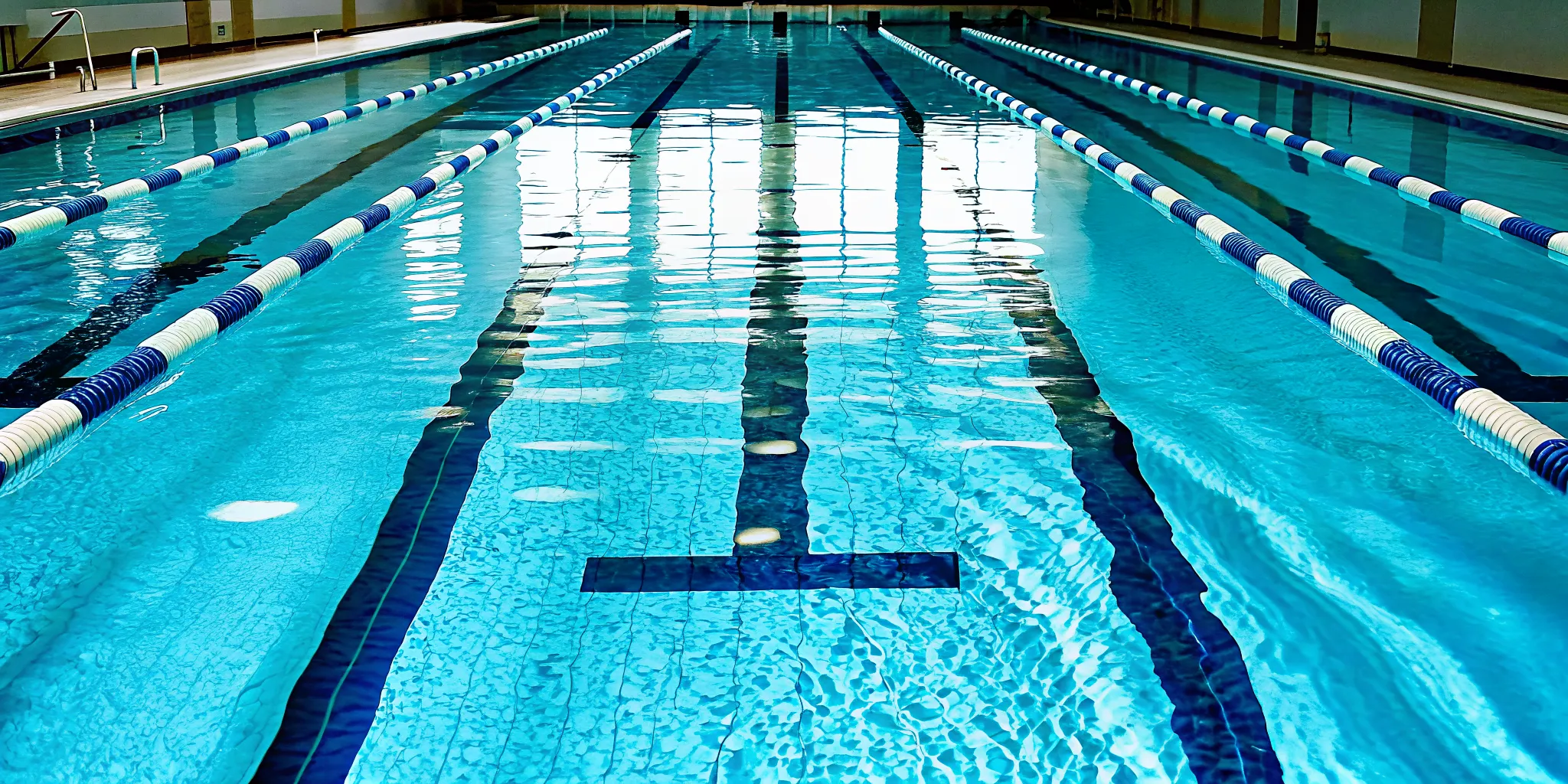
Here in Denver, our pools endure a lot. The intense summer sun and harsh freeze-thaw cycles are incredibly tough on pool surfaces, causing them to wear out faster than in other climates. Choosing the right finish isn't just about color; it's about selecting a material that can withstand our unique weather year after year. A durable surface is your best defense against cracking, fading, and premature failure. We’ll explore the best pool resurfacing options specifically suited for the Colorado climate, ensuring your investment is protected and your pool stays beautiful through every season, from hot summer days to snowy winters.
Ready for a cleaner pool?
Denver's trusted pool care professionals since 1982. Get started today.
Schedule ServiceKey Takeaways
- Identify the Telltale Signs: Your pool likely needs a new surface if you notice stubborn stains, a rough texture that feels like sandpaper, or visible cracks and flaking. Remember, resurfacing is a cosmetic fix; it will not solve deeper structural problems like leaks.
- Weigh Upfront Cost Against Longevity: Choosing a finish involves balancing your budget with long-term value. While plaster is affordable initially, durable materials like aggregate can save you money over time by lasting much longer and requiring less frequent replacement.
- Prioritize Prep Work and Aftercare: A beautiful new finish can fail without proper preparation of the old surface and diligent care during the first few weeks. Following the curing process, especially water balancing and brushing, is essential for protecting your investment.
What Is Pool Resurfacing? (And How to Know You Need It)
Think of your pool's surface as its skin. Over the years, that skin takes a beating from UV rays, pool chemicals, and the freeze-thaw cycles we know so well here in Denver. Eventually, it wears out. Pool resurfacing is the process of applying a brand-new surface to the inside of your pool, making it look and feel new again. It’s more than just a cosmetic fix; it’s a crucial part of maintaining your pool’s health and longevity.
When you resurface your pool, you’re not just getting a pretty new finish. You’re also restoring the waterproof layer that protects the pool’s structure from water damage. A fresh surface is smoother, easier to clean, and safer for swimmers. Whether you’re dealing with a few stubborn stains or a surface that feels like sandpaper, resurfacing can completely transform your swimming experience. It’s one of the most impactful upgrades you can make and is often a core part of a larger pool remodel. But how do you know when it’s time to take the plunge? Your pool will usually give you some pretty clear signals.
Telltale Signs Your Pool Needs a New Surface
Your pool is great at telling you what it needs; you just have to know what to look for. If you notice any of the following signs, it’s likely time to start thinking about resurfacing:
- Visible Stains: Are there rust-colored spots or widespread discoloration that regular cleaning can’t remove? These stains can point to chemical imbalances or even rebar seeping through the surface.
- Rough Texture: If the bottom of your pool feels like sandpaper on your feet, the plaster has eroded. This roughness not only feels unpleasant but also creates a perfect breeding ground for algae, making cleaning and maintenance much harder.
- Cracks and Flaking: Small "spiderweb" cracks or areas where the plaster is chipping or flaking away (a problem called spalling) are definite signs that your surface is failing.
- Blisters: Small bumps or bubbles on the surface are often a sign that water is getting behind the finish, causing it to separate from the pool shell.
What Resurfacing Can Fix (and What It Can't)
It’s important to have realistic expectations about what a new surface can accomplish. Resurfacing is the perfect solution for fixing the cosmetic and surface-level issues we just covered. It provides a fresh, durable, and waterproof membrane that makes your pool look incredible and protects its underlying structure. It can solve problems with staining, roughness, and minor cracking, giving you a clean slate.
However, resurfacing is not a cure-all. It is not a structural repair. If your pool has deep, structural cracks in its concrete shell or is actively leaking, simply applying a new finish won't solve the underlying problem. Those issues require a more in-depth approach, which might involve professional equipment repairs or servicing to address the root cause before a new surface can be applied. That’s why it’s so important to have a certified technician properly assess your pool first.
Your Pool Resurfacing Options at a Glance
Choosing a new surface for your pool is a big decision, but it doesn't have to be complicated. Each option has its own unique benefits, from budget-friendly classics to luxurious, long-lasting finishes. Getting familiar with the basics will help you figure out what might work best for your backyard oasis. While we can handle all types of pool remodels and rehabs, it’s always good to have an idea of what you like. Here’s a quick rundown of the most popular choices.
Plaster: This is the traditional go-to for a reason. It’s the most affordable option and is relatively easy to patch up if needed. The main drawback is that it's a porous material, which makes it more likely to stain over time. You can expect a classic plaster surface to last about 5 to 10 years before it needs another update.
Aggregate: Think of this as plaster with a stylish upgrade. It’s a mix of cement with small pebbles, quartz crystals, or glass beads blended in. Aggregate finishes are incredibly durable, resist stains well, and offer a more natural, textured look. The surface can feel a bit rough on your feet, and it comes with a higher price tag, but it can last 15 years or more.
Tile: For a truly premium look, tile is unmatched. It’s the most durable option out there, with a potential lifespan of over 20 years, and it’s very easy to keep clean. The design possibilities are practically endless, but it is the most expensive resurfacing material by a significant margin.
Fiberglass: Applying a new fiberglass layer over an existing concrete pool is another durable choice. The surface is smooth and non-porous, which helps keep algae at bay and can reduce your need for chemicals. However, the installation process is complex and costly, and repairs can be tricky. A fiberglass finish typically lasts 15 to 25 years.
Pool Paint: If you're looking for a quick, low-cost refresh, pool paint is an option. It’s a project some homeowners even tackle themselves. Just know that it’s the least durable choice and will likely need to be redone every few years, as it's prone to fading and peeling over time.
Plaster: The Timeless Classic
When you picture a classic backyard swimming pool, you’re probably thinking of a plaster finish. For decades, plaster has been the go-to standard for pool surfaces, and for good reason. It’s a simple, reliable mixture of white cement, water, and sand or marble dust that creates a smooth, watertight seal. The result is that iconic, light-blue look that feels timeless and inviting. While newer materials have come along, plaster remains a popular choice, especially for homeowners looking for a clean, traditional aesthetic without a hefty price tag.
Plaster is the most budget-friendly option on the market, making it an accessible starting point for a pool refresh. Its smooth texture is comfortable on your feet, and its uniform color gives the water a crisp, refreshing appearance. Think of it as the perfect blank canvas for your backyard oasis. If you're considering a pool makeover, a fresh coat of plaster is one of the most effective ways to make an old pool look brand new. A professional remodel and rehab project can transform a worn-out surface into a beautiful, sparkling pool that you’ll love for years to come.
The Good and the Bad
Like any material, plaster has its own set of pros and cons. Its biggest advantage is its price point; it’s the most economical resurfacing option available. This makes it a fantastic choice if you're working with a tight budget. The smooth, classic finish is also a major draw for homeowners who love that traditional swimming pool look and feel.
On the flip side, plaster is more porous than other materials. This means it can absorb minerals and chemicals from the water over time, making it more susceptible to staining and discoloration. Its porous nature can also make it a bit easier for algae to take hold if your water chemistry isn't perfectly balanced. This is why consistent professional cleaning and maintenance is so important for extending the life and look of a plaster finish.
How Long It Lasts & What It Costs
You can typically expect a plaster surface to last between five and 10 years. The exact lifespan depends heavily on how well the pool is maintained. Pools with consistently balanced water chemistry and regular cleaning will see their plaster last much longer than those that are neglected. Over time, you might notice some etching or roughness, which is a sign that the surface is beginning to wear down and may need attention.
From a cost perspective, plaster is your most affordable option. While prices vary, it has the lowest upfront installation cost compared to aggregate or tile. This makes it a great value for the initial investment. However, it’s worth remembering that you may need to resurface it sooner than you would with a more durable finish. When you’re weighing your options, consider balancing the lower initial cost of plaster against the longer lifespan of other materials.
Aggregate Finishes: The Durable Upgrade
If you're looking for a pool surface that's as tough as it is beautiful, an aggregate finish might be your perfect match. Think of it as the next generation of plaster. Instead of just a simple cement mixture, aggregate finishes blend that cement with small, smooth stones like quartz, river pebbles, or even polished glass beads. This creates a stunning, multi-dimensional look that can transform your pool from basic to breathtaking. You've probably heard of popular brands like PebbleTec®; these are prime examples of aggregate finishes.
They are a popular choice for pool owners who want a premium surface that stands up to heavy use and Colorado's demanding climate. While the initial investment is higher than traditional plaster, the trade-off is a finish that is incredibly resilient and requires less frequent resurfacing down the line. This makes it a smart choice for a long-term pool remodel that adds both beauty and value to your backyard oasis. The variety of stone colors and sizes also gives you a ton of creative control, allowing you to achieve anything from a sandy beach look to a deep blue lagoon. From earthy tones to vibrant blues, the embedded stones catch the light and give the water a beautiful shimmer that you just can't get with a flat finish.
The Good and the Bad
The biggest advantage of an aggregate finish is its incredible durability. These surfaces are tough, stain-resistant, and great at hiding minor imperfections, which means your pool looks newer for longer. The textured surface also provides excellent slip resistance, a huge plus for families with kids. On the flip side, that same texture can feel a bit rough on sensitive feet compared to silky-smooth plaster. The other consideration is the upfront cost, which is higher than some other options. However, many homeowners find the longevity and lower maintenance needs make it a worthwhile investment.
How Long They Last & What They Cost
When you choose an aggregate finish, you're making a long-term investment in your pool. These surfaces are built to last, with a typical lifespan of 15 years or even more with proper care. Pebble finishes, in particular, are considered the most durable cement-based option available. In terms of cost, you can expect to pay between $5 and $7 per square foot. While this is a premium price point, it reflects the quality of the materials and the extended life of the surface. Considering you won't have to think about resurfacing again for well over a decade, the value is clear.
Other Popular Finishes: Tile, Paint, and Liners
While plaster and aggregate are the go-to choices for most concrete pool remodels, they aren't the only options on the table. Depending on your pool type, budget, and long-term goals, you might consider a few other finishes. Tile, paint, and vinyl liners each have a distinct set of pros and cons. Understanding these alternatives will help you feel confident that you’re making the best choice for your backyard and your wallet, whether you're looking for a quick refresh or a lifetime investment. Let's break down what makes each of these finishes unique.
Tile: The Breakdown
If you’re looking for the absolute peak of luxury and durability, a full-tile finish is it. Using glass or porcelain, a tile finish offers endless design and pattern options, turning your pool into a true work of art. Tile is incredibly tough, standing up to chemicals and algae with ease, and it feels smooth and solid underfoot. With proper care, it can last for decades. The major consideration here is the cost. Tiling an entire pool is a significant upfront investment, making it the most expensive resurfacing option by a wide margin. It’s a premium choice for a long-lasting, show-stopping result.
Pool Paint: The Breakdown
Think of pool paint as a short-term facelift rather than a full-on resurfacing. It’s the most budget-friendly way to give your pool a new color and temporarily seal minor cracks. You’ll find two main types: acrylic and epoxy, with epoxy being the more durable of the two. However, "durable" is a relative term here. Paint is the least permanent option and is prone to fading, blistering, and peeling, especially with Colorado's intense sun and temperature changes. You’ll likely need to reapply it every few years. While it’s a quick fix, it’s not a lasting solution for a pool that needs a true rehabilitation.
Vinyl Liners: The Breakdown
It’s important to know that a vinyl liner isn't a resurfacing material for a concrete pool. Instead, it’s the surface for a specific type of pool built with a frame and a flexible liner. If you have this kind of pool, "resurfacing" simply means replacing the old liner with a new one. Vinyl liners feel soft and smooth, and they are less expensive to install initially compared to building a concrete pool. The downside is their lifespan. A liner typically needs to be replaced every five to nine years and can be punctured by sharp objects, requiring careful patch repairs or a full replacement.
How to Choose the Right Pool Surface for You
Picking a new pool surface is a big decision, and it goes way beyond just choosing a color. The right finish can transform your backyard, while the wrong one can lead to years of frustration. Think of it as choosing the foundation for all your future pool memories. You’ll want to consider your budget, your backyard’s style, and how much time you want to spend on upkeep. It’s about finding that sweet spot where cost, appearance, and durability meet.
This choice impacts everything from the feel of the water to the overall look of your outdoor space. Are you aiming for a classic, bright blue swimming hole or a dramatic, deep-toned lagoon? Do you prefer a silky smooth finish under your feet or something with a bit more texture? As you explore your options, remember that the best surface is the one that fits your family’s lifestyle and your home’s aesthetic. Our team can walk you through the entire remodels and rehabs process, ensuring you find the perfect match for your Denver pool.
Balancing Upfront Cost vs. Long-Term Value
Let’s talk budget. It’s often the first thing on everyone’s mind, and for good reason. The upfront cost of resurfacing can vary quite a bit depending on the material you choose. For example, a classic plaster finish is one of the most affordable options, often costing around $5 per square foot. On the other end, premium glass tile can run upwards of $30 per square foot. A common middle ground is an aggregate finish, which offers more durability than plaster for a moderate price increase.
It’s helpful to think beyond the initial price tag and consider the long-term value. A less expensive finish might save you money today but could require another pool resurfacing in 7 to 10 years. A more durable, higher-priced material might last twice as long, saving you money and hassle down the road.
Factoring in Colorado's Climate
Here in Colorado, our pools go through a lot. From intense summer sun to freezing winter temperatures, the dramatic weather shifts can be tough on a pool’s surface. This is why choosing a material that can handle our specific climate is so important. The constant freeze-thaw cycles can cause some materials to crack or delaminate if they aren't installed correctly or aren't suited for this environment.
Materials like aggregate finishes are often a great choice for our area because they are incredibly durable and resistant to weather-related damage. They expand and contract without cracking as easily as some other surfaces. When you choose the best material, you're not just picking a color; you're making an investment in a surface that can stand up to everything a Colorado year throws at it.
Finding Your Perfect Look and Feel
This is where you get to be creative. Your pool’s finish is the single biggest factor in its overall appearance. It determines the water color, the texture underfoot, and the way light reflects on the surface. A white plaster or light aggregate will give you that classic, bright sky-blue water color. If you want a deeper, more dramatic look, a dark gray or black finish will create a stunning lagoon-like effect by absorbing more sunlight.
The texture is just as important as the color. Do you want the silky-smooth feel of polished aggregate or the rustic, natural texture of a pebble finish? Even the choice of pool finish can affect the water temperature. Darker surfaces tend to absorb more heat, which can help warm your pool naturally. Think about the entire sensory experience you want to create for your backyard oasis.
Understanding Future Maintenance Needs
Every pool surface needs care, but the amount and type of maintenance can differ. Your goal should be to choose a surface that fits the level of upkeep you’re comfortable with. For instance, plaster is durable, but it’s more porous and can be more susceptible to staining if the water chemistry isn't consistently balanced. Aggregate and tile finishes are less porous, making them more stain-resistant and a bit easier to maintain over the long haul.
No matter which surface you choose, the single most important thing you can do is commit to proper cleaning and maintenance. Balanced water chemistry is the key to making any finish last as long as possible. It’s also critical to follow the specific startup procedures for a new pool surface, as the first 30 days are crucial for curing and preventing long-term issues.
Pool Resurfacing Mistakes to Avoid
A pool resurfacing project is a significant investment in your home, so you want to make sure it’s done right. Getting a beautiful, long-lasting finish comes down to smart planning and avoiding a few common missteps along the way. Think of it less as a simple makeover and more as a foundational upgrade for your pool. When you know what to watch out for, you can feel confident that your new surface will look great and perform well for years to come.
From the initial prep work to your final material choice, every decision matters. Rushing the process or cutting corners can lead to a finish that fails prematurely, costing you more time and money in the long run. The key is to treat resurfacing as a comprehensive project that addresses the pool's overall health, not just its appearance. By working with a professional team, you can ensure every step of your pool remodel is handled correctly, from inspection to installation. Let’s walk through the biggest mistakes homeowners make so you can steer clear of them.
Don't Skip the Prep Work
It’s easy to focus on the exciting new finish, but the most critical part of a resurfacing job happens before the new material is even mixed. Proper surface preparation is everything. If the existing surface isn't correctly prepped, the new layer won't bond properly, leading to issues like peeling, bubbling, and cracking. Think of it like painting a wall; you wouldn't just paint over dirt and peeling paint, would you?
Thorough prep work involves draining the pool, cleaning the old surface, and often acid washing or sandblasting it to create the right texture for the new finish to grip onto. Any minor cracks or hollow spots also need to be repaired at this stage. Neglecting this step can seriously shorten the lifespan of your new surface, turning your investment into a frustrating problem.
Check for Deeper Structural Problems
One of the biggest myths about pool resurfacing is that it’s a cure-all for any pool problem. In reality, a new surface is purely cosmetic and can't fix underlying structural issues. If your pool has significant cracks, is leaking, or has damage from soil shifting, simply applying a new finish is like putting a bandage on a broken bone. The problem will eventually reappear, and it will likely ruin your new surface in the process.
Before you commit to a new finish, it’s essential to have a professional inspect your pool for any deeper issues. An experienced technician can identify problems with the pool shell or plumbing that need to be addressed first. Taking care of these foundational repairs ensures your new surface is applied to a stable, healthy structure, giving you peace of mind for years to come.
Avoid Choosing Based on Price Alone
While budget is always a factor, choosing a pool surface based on the lowest price tag is a classic mistake. The cheapest option upfront, like a standard white plaster, often comes with a shorter lifespan and higher maintenance needs. This means you could find yourself paying for another resurfacing project much sooner than you expected. It's more effective to think in terms of long-term value rather than initial cost.
A slightly more expensive aggregate or tile finish might last twice as long as plaster and require less chemical maintenance to keep it looking good. When you compare your options, weigh the upfront cost against the expected lifespan and ongoing upkeep. A higher-quality material often proves to be the more economical choice over the life of your pool.
Know the Long-Term Maintenance Commitment
Every pool surface comes with its own set of maintenance requirements, and it's important to choose one that fits your lifestyle. Some finishes are more prone to staining and require diligent water chemistry management, while others are more durable and forgiving. For example, a plaster finish is sensitive to chemical imbalances, while a pebble aggregate finish is incredibly tough and resistant to stains.
Before you fall in love with a certain look, be honest with yourself about how much time and effort you’re willing to put into pool care. Understanding the maintenance needs of different materials will help you make a practical choice you’ll be happy with long-term. And if you’d rather enjoy a pristine pool without the work, you can always rely on a professional cleaning and maintenance service to keep your new surface in perfect condition.
Caring for Your Newly Resurfaced Pool
Getting your pool resurfaced is a big investment, and the work isn’t quite over once the professionals leave. The first few weeks are critical for helping your new surface cure properly, ensuring it looks great and lasts for years. Proper care starts the moment your pool is refilled with water. While it might seem like a lot to manage, following a few key steps will protect your beautiful new finish. If you’d rather leave it to the experts, our team at Neptune Pools is always here to handle the post-resurfacing care for you.
Balancing Your Water Chemistry
Think of water chemistry as the most important part of your new pool’s diet. During the curing process, an imbalanced pH or low alkalinity can pull minerals from the new finish, causing stains or a rough texture. Your main goal is to keep the water balanced to protect the surface, not just to make it swimmable. According to the experts at ecoFINISH, you should adjust alkalinity to stay between 80 and 120 parts per million, as this level acts as a buffer to prevent wild swings in your pH. We can help you find the right supplies and chemicals to get these levels just right without any guesswork.
The First 14 Days: What to Do (and What to Avoid)
The first two weeks are the most intensive phase of caring for your new pool surface. As one pool owner on Reddit noted, this is a well-known "14-day rule" for a reason. During this time, you’ll need to test your water regularly, maintain the chemical balance, and brush the pool to remove plaster dust. Brushing the entire surface twice a day prevents this dust from settling and hardening, which can leave a rough finish. You should also avoid using automatic pool cleaners, as they can be too aggressive for the soft, curing surface. It’s also best to hold off on heating the water and, most importantly, no swimming until your pool professional gives you the green light.
Long-Term Care Tips for Your New Surface
After the initial curing period, your focus shifts to long-term maintenance to keep the surface in top condition. Continue with weekly brushing and consistent water chemistry checks. A smooth, freshly resurfaced pool not only looks fantastic but also ensures a safer swimming experience for everyone. Keep an eye on the texture of your pool; if your pool’s surface feels gritty, scratches your feet, or flakes away, it’s a clear sign the finish is breaking down and needs attention. A consistent cleaning and maintenance schedule is the best way to protect your investment and enjoy your pool for many seasons to come.
So, Which Pool Surface Is Right for You?
Okay, we've covered a lot of ground. Choosing the right finish for your pool is a big decision, but it's also one of the most exciting parts of giving your backyard a fresh start. The best choice for you will come down to balancing three key things: your budget, your personal style, and the amount of maintenance you’re willing to handle long-term. There’s no single "best" option, only the one that’s best for your home and lifestyle.
If budget is your main concern, a classic plaster finish offers that timeless swimming pool look without a major upfront cost. However, it has a shorter lifespan of about 5 to 10 years. On the other end of the spectrum, aggregate and tile finishes require a larger initial investment but can last for decades, saving you from frequent remodels and rehabs. Think of it as the difference between a quick-fix and a long-term solution for your backyard oasis.
Your tolerance for upkeep is another huge factor. Tile is the champion of durability and is incredibly easy to clean, while aggregate surfaces are also famously tough. While beautiful, plaster is more porous and demands consistent water chemistry to prevent stains and etching. If you’d rather spend more time swimming and less time scrubbing, a more durable finish might be worth the cost. Proper cleaning and maintenance are key for any surface, but some are simply more forgiving than others. Ultimately, the right surface is the one that makes you excited to jump in the water, season after season.
Ready for a cleaner pool?
Denver's trusted pool care professionals since 1982. Get started today.
Schedule ServiceFrequently Asked Questions
How long does the entire pool resurfacing process take? Generally, you can expect the project to take between one and two weeks from start to finish. This timeline can vary based on weather, the size of your pool, and the extent of prep work needed. The process includes draining the pool, preparing the old surface, applying the new finish, and allowing time for refilling and initial chemical balancing.
Why is it so important to brush a newly resurfaced pool? Brushing is a critical step, especially with a new plaster finish. As the surface cures, it releases a fine layer of plaster dust. Brushing this dust away twice a day prevents it from settling and hardening on your pool's floor and walls. If left alone, this dust can create a rough, gritty texture, so consistent brushing is your best bet for achieving that smooth, comfortable finish you paid for.
Can I swim in my pool as soon as it's refilled with water? As tempting as it is, you’ll need to hold off for a bit. Most pool professionals recommend waiting at least seven days, and sometimes up to two weeks, before swimming. The new surface is still soft and curing during this time. Jumping in too early, using automatic cleaners, or turning on the heater can damage the delicate finish before it has a chance to fully harden.
Will choosing a darker finish actually make my pool water warmer? Yes, it can have a real impact. Dark-colored surfaces, like a deep gray aggregate or a black plaster, absorb more of the sun's rays compared to traditional white or light blue finishes. This absorption helps to naturally heat the water, often raising the temperature by several degrees. It’s a great way to get a little help from the sun and possibly extend your swim season.
Is pool resurfacing a project I can do myself to save money? While you might be able to tackle a simple paint job on your own, resurfacing with plaster, aggregate, or tile is a complex job that’s best left to certified professionals. Proper surface preparation and application require specific equipment and a lot of experience. A failed DIY attempt can lead to a finish that cracks or peels quickly, ultimately costing you more to have it fixed by a pro.
Related Blogs