Pool Skimmer 101: Your Guide to a Cleaner Pool
You’ve spent time and effort getting your water chemistry just right, only to look out and see a film of pollen and leaves on the surface. It’s a frustratingly common problem for pool owners. Before you grab the manual net for the tenth time this week, let’s talk about the built-in solution designed to handle this job for you: your pool skimmer. This essential device is your automated surface cleaner, created to draw in all that floating debris so you don’t have to. When it’s working correctly, it makes your life easier and keeps your pool looking pristine and ready for a swim.
Ready for a cleaner pool?
Denver's trusted pool care professionals since 1982. Get started today.
Schedule ServiceKey Takeaways
- A skimmer protects your entire pool system: It's not just for leaves. Your skimmer is the only part of your pool that removes surface oils from sunscreen and lotions, preventing clogs and reducing the workload on your main filter.
- Prioritize two key maintenance tasks: Keep your pool water level halfway up the skimmer opening to ensure proper suction, and empty the skimmer basket at least once a week to prevent clogs and protect your pump from damage.
- Address problems before they get worse: While you can handle simple tasks like emptying the basket, don't ignore signs of bigger trouble. Call a professional for issues like large cracks, persistent weak suction, or air bubbles in your return jets to avoid costly damage.
What Is a Pool Skimmer?
Think of your pool skimmer as the first line of defense in keeping your water sparkling clean. It’s a vital part of your pool's circulation system, built into the side of the pool wall, and its main job is to pull water from the surface. As it draws water in, it skims off floating debris like leaves, flower petals, bugs, and oils before they have a chance to sink to the bottom or clog your filtration system. A properly functioning skimmer is essential for maintaining clear, healthy water and reducing the amount of manual cleaning you have to do. It works hand-in-hand with your pump and filter to create a continuous cleaning cycle, making it one of the hardest-working pieces of equipment your pool has.
How Does a Pool Skimmer Work?
The process is simple yet effective. Water from your pool enters the skimmer through a rectangular opening. Inside this opening is a floating, hinged flap called a weir. This little door allows water and debris to flow into the skimmer but prevents them from floating back out into the pool. Once inside, the water passes through a removable skimmer basket. This basket acts as a primary filter, catching all the larger items like leaves, twigs, and unfortunate insects. This crucial step stops debris from traveling further into your plumbing, which could cause clogs and damage your pool pump. If you ever notice your skimmer isn't pulling water effectively, it might be a sign of a clog that needs professional attention from an equipment repairs expert.
Why Your Pool Needs a Skimmer
While catching leaves is an obvious benefit, your skimmer handles much more than that. It’s uniquely designed to remove oily substances that float on the water's surface. Things like sunscreen, body lotions, and natural oils from swimmers collect on the top layer of the water, creating a slick film that can make the pool feel unpleasant and look cloudy. The skimmer is the only part of your circulation system that specifically targets this surface water. By constantly pulling this top layer through the filtration system, it effectively removes those oils, keeping your water fresh and inviting. This function is a cornerstone of any good pool cleaning and maintenance routine, ensuring your pool is always ready for a swim.
How Skimmers Support Your Filtration System
Your skimmer does more than just keep the surface clean; it’s a critical partner to your main pool filter. By capturing large debris in its basket, the skimmer acts as a pre-filter, significantly reducing the strain on your primary filter. This allows your main filter to focus on capturing finer particles, making it more efficient and extending its lifespan. When debris isn't removed quickly by the skimmer, it sinks and begins to decompose. This process degrades water quality and can lead to the formation of chloramines, which are responsible for that strong "chlorine" smell and can cause skin and eye irritation. A working skimmer helps prevent this, leading to more balanced water and a reduced need for corrective pool chemicals.
Pool Skimmer Types
Not all pool skimmers are created equal. From simple handheld nets to sophisticated robotic devices, there’s a skimmer designed for every type of pool and every kind of owner. Understanding the differences can help you choose the right tool to keep your water sparkling clean. Whether you prefer a hands-on approach or want a system that does the work for you, let’s look at the main types of skimmers you’ll encounter. Each one offers a unique way to tackle floating leaves, bugs, and other unwanted debris.
Manual Skimmers
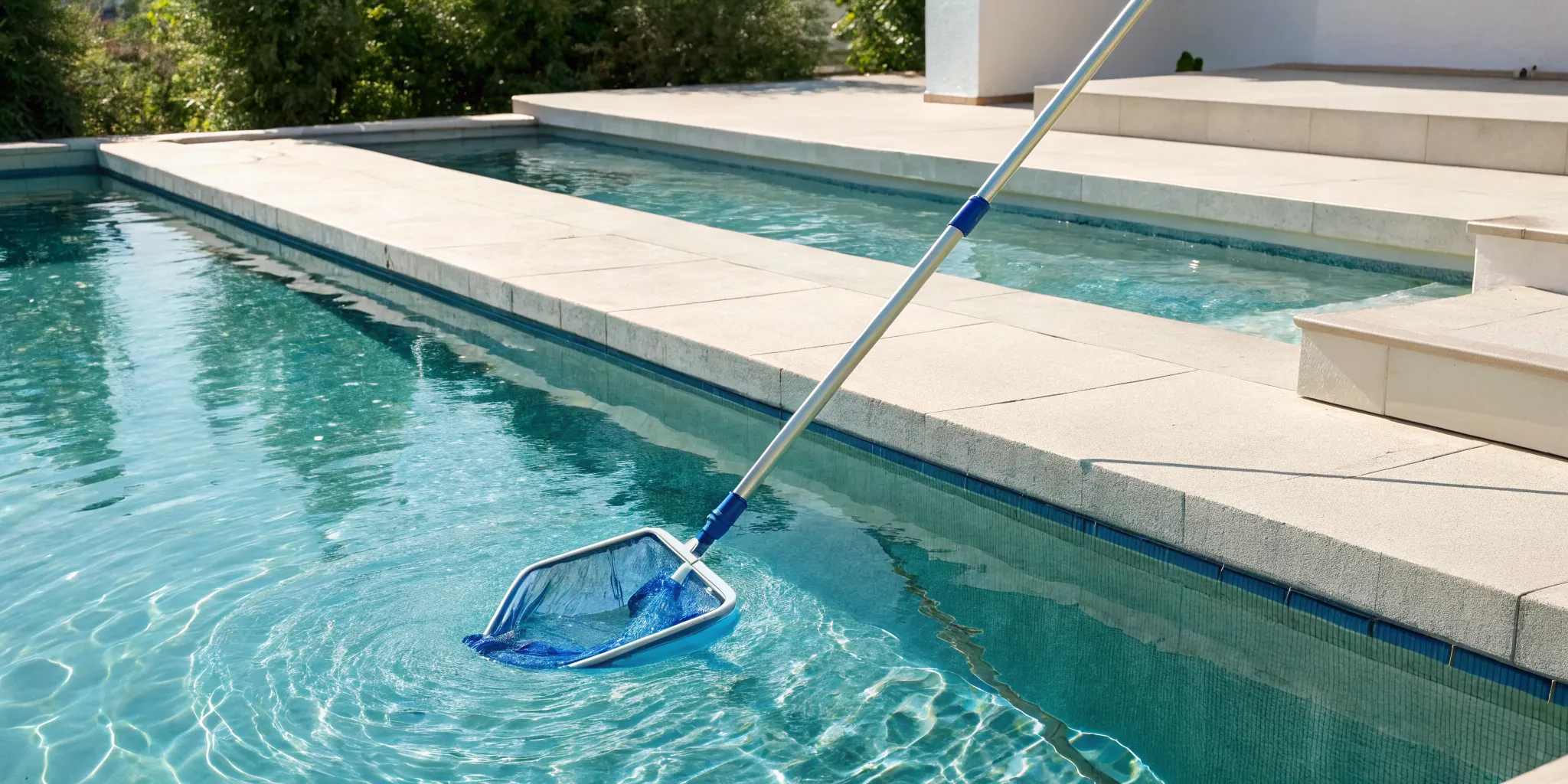
The manual skimmer is the classic tool you probably picture when you think of pool cleaning: a simple mesh net attached to a long pole. This type of skimmer gives you direct control, allowing you to scoop out debris from the water's surface with your own two hands. They are perfect for quick, targeted clean-ups, like grabbing a few leaves before guests arrive. While they require physical effort, manual skimmers are an essential, inexpensive tool for every pool owner. They work best as part of a broader cleaning and maintenance routine, helping you manage surface debris between more thorough cleanings.
Automatic Skimmers
If you’d rather spend less time skimming and more time swimming, an automatic skimmer might be for you. These devices connect directly to your pool’s filtration system and use suction to pull in floating debris while the pump is running. They move around the pool surface on their own, continuously collecting leaves, pollen, and bugs before they have a chance to sink. This "set it and forget it" approach saves you time and effort, ensuring your pool stays cleaner with minimal daily work. Because they are part of your pool's circulation system, it's important to keep them in good working order, which may require professional equipment repairs and servicing.
Robotic Skimmers
For the ultimate in automated pool care, look no further than robotic skimmers. These high-tech gadgets are completely autonomous, navigating your pool's surface to hunt down and collect debris. Many are solar-powered and operate independently from your pool's filtration system, equipped with their own internal filter basket. Some advanced models can even clean both the surface and the floor of your pool. Robotic skimmers are highly efficient and represent a significant step up in pool cleaning technology. They are a fantastic investment for anyone who wants a pristine pool with almost zero manual effort.
Floating Skimmers
Floating skimmers are another great automated option, often powered by solar energy. These devices drift along the water's surface, moving with the current to collect debris as they go. Their main advantage is catching leaves and other floating items before they become waterlogged and sink to the bottom, where they are harder to remove and can stain your pool’s surface. A floating skimmer is an excellent supplement to your main skimming system, especially for pools in areas with lots of trees. They work quietly in the background to give your primary skimmer and filter a helping hand.
Wall-Mounted Skimmers
Wall-mounted skimmers are the built-in units you see in most in-ground pools. Installed directly into the pool wall, these skimmers are a permanent and essential part of your pool's circulation system. Water from the surface flows into the skimmer opening, passing through a basket that catches larger debris before the water heads to the filter. This provides continuous, low-maintenance surface cleaning whenever your pump is running. If you're building a new pool or considering a major upgrade, installing a quality wall-mounted skimmer is a key part of effective remodels and rehabs.
What to Look for in a Pool Skimmer
Choosing the right pool skimmer can feel like a small decision, but it has a big impact on your pool's cleanliness and your maintenance workload. With so many types on the market, it’s helpful to know what features truly matter. The best skimmer for your pool depends on its size, the kind of debris it collects (hello, Colorado cottonwoods!), and how much time you want to spend on upkeep.
Think of it this way: your skimmer is the first line of defense for your entire filtration system. A good one captures leaves, bugs, and oils before they can sink and cause bigger problems. When you’re shopping, focus on a few key areas: compatibility with your pool, how much debris it can hold, its durability, and how easy it is to use. Some modern skimmers even have advanced features that make them more efficient. Considering these factors will help you find a skimmer that keeps your water sparkling and simplifies your pool cleaning and maintenance routine.
Pool Size and Compatibility
Before you buy a new skimmer, the first thing to check is its compatibility with your pool. A skimmer needs to fit your pool’s size and, if it’s an in-wall unit, your existing system. For example, some modern models are designed as an all-in-one skimmer upgrade that can enhance your current setup, but only if it’s compatible. Making sure you have the right fit ensures your skimmer operates at peak efficiency, pulling in debris effectively and keeping your water surface clear. An ill-fitting skimmer won't create the right suction, leaving debris floating around and defeating its purpose.
Debris Capacity
How often do you want to empty your skimmer basket? If your answer is "as little as possible," then debris capacity is a feature you need to pay close attention to. A skimmer with a larger basket can hold more leaves, twigs, and other debris before it needs to be cleaned out. This is especially useful for pools in the Denver area surrounded by trees. Some high-capacity baskets can hold over 300 cubic inches of debris, a significant increase from the standard 220 cubic inches. This larger capacity means less frequent maintenance for you and a more consistent flow of water to your pump, which helps your entire system run better.
Material and Durability
Your pool skimmer lives a tough life. It’s constantly submerged in chemically treated water and exposed to the sun's UV rays. That’s why material and durability are so important. Look for skimmers made from heavy-duty, UV-resistant plastic that won't become brittle or crack after a season or two. Some manufacturers are so confident in their materials that they offer a lifetime warranty, promising it will be the last skimmer basket you ever need to buy. Investing in a durable skimmer from the start can save you the headache and cost of frequent replacements. If a part of your skimmer system does crack or fail, it’s often a job for a professional equipment repair service.
Ease of Use and Maintenance
A pool skimmer should make your life easier, not more complicated. Look for models that are simple to install and even simpler to maintain. Many modern skimmer upgrades can be installed in just a few minutes without any special tools. A user-friendly design also means the basket is easy to access and remove for cleaning. You shouldn't have to wrestle with the weir door or struggle to get the basket out. The easier it is to empty, the more likely you are to do it regularly, which is key to preventing clogs and keeping your pool water pristine. This simple feature is a cornerstone of any good pool cleaning and maintenance schedule.
Smart Features and Automation
Today’s skimmers can do more than just sit there and wait for debris to float by. Some advanced models have smart features that actively improve their cleaning power. For instance, certain designs create a vortex that can pull in debris from much farther away than a standard skimmer, even if you have a weaker or variable-speed pump. This means your pool surface gets cleaner, faster. This enhanced performance helps your entire circulation system work more effectively, ensuring that surface water is constantly moving toward the filter. These automated features are a great way to get a cleaner pool with less manual effort.
Eco-Friendly Options
A highly effective skimmer is also an eco-friendly one. Your pool skimmer is your primary tool for removing surface oils from things like sunscreen and lotions before they can break down in the water. By efficiently capturing these substances, the skimmer reduces the overall contaminant load in your pool. This, in turn, can lower your reliance on chemicals to keep the water balanced and sanitary. A cleaner system is a more efficient one, which not only creates a healthier swimming environment for your family but also lessens the chemical impact on the environment. It’s a simple way to make your pool a little greener.
How to Install and Maintain Your Pool Skimmer
Proper skimmer installation and maintenance are the secret to a sparkling clean pool. While some of these steps are simple enough for a weekend afternoon, tasks like installation or leak repair often require a professional touch. Getting it right from the start prevents headaches later and ensures your filtration system works efficiently. Here’s how to install and care for your pool skimmer.
Choose the Right Location
Where you place your skimmer matters. For the best results, the skimmer should be installed on the side of the pool that gets the most wind. This might seem counterintuitive, but it allows the wind to naturally push leaves, pollen, and other floating debris directly toward the skimmer's opening. This strategic placement lets nature do some of the work for you, maximizing how much debris your skimmer can capture before it sinks. A well-placed skimmer means less manual scooping and a cleaner pool surface with minimal effort.
Set the Correct Height and Water Level
For your skimmer to work correctly, the water level in your pool is key. You should aim to keep the water level about halfway up the skimmer's opening. If the water is too low, the skimmer can suck in air, which can damage your pump motor. If the water is too high, the floating weir door won't be able to create the suction needed to pull in surface debris effectively. Regularly check your water level, especially after heavy rain or during hot, dry spells in the Denver area, and add or remove water as needed to keep your skimmer functioning at its best.
Connect to the Filtration System
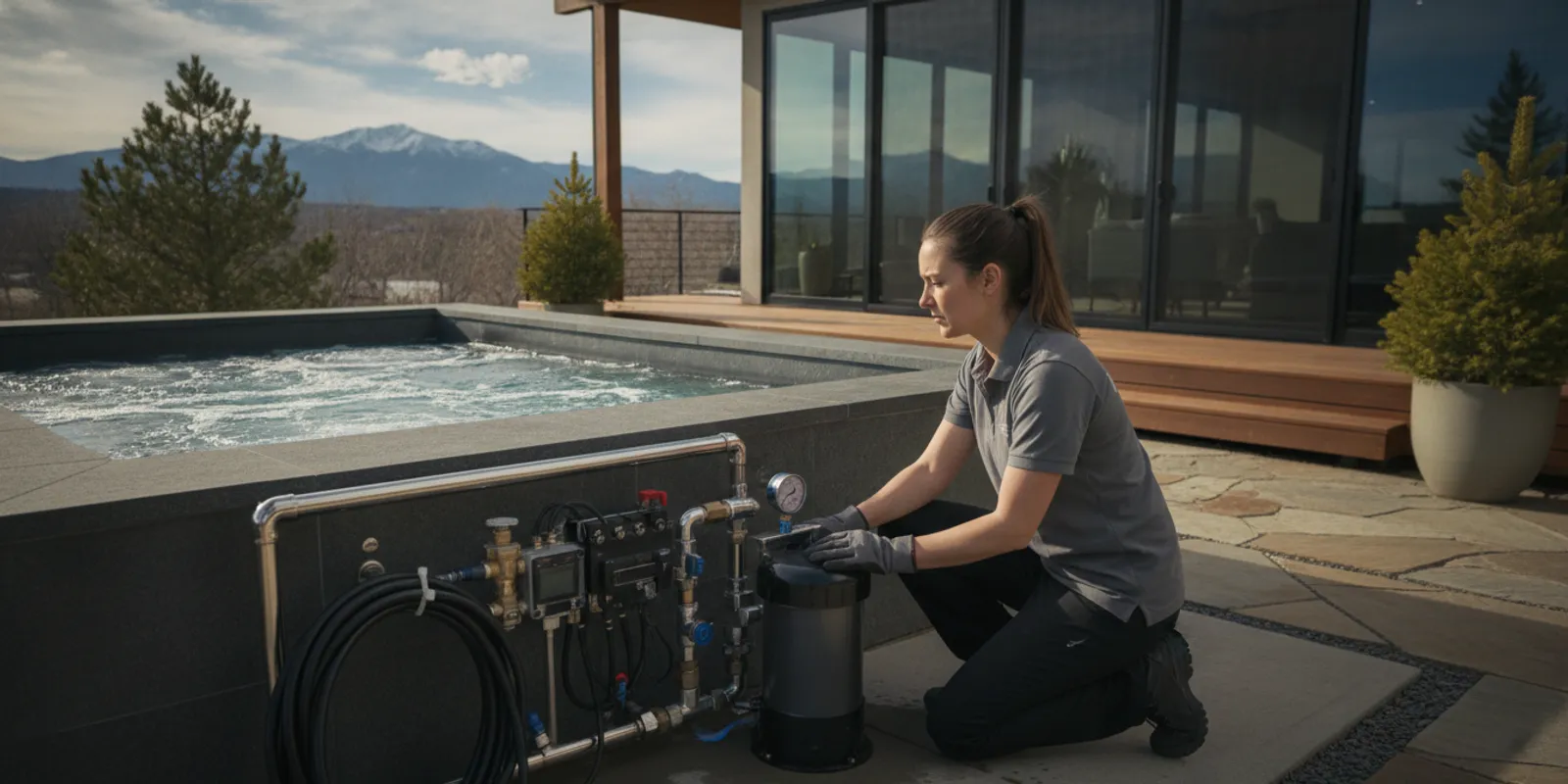
The skimmer is your filtration system's first line of defense, so connecting it properly is a critical step. This involves plumbing the skimmer directly into the suction side of your pool pump. It's important to use the correct size piping to ensure strong water flow and avoid putting extra strain on your pump. Because this involves cutting into your pool's plumbing lines, it's a task best left to professionals. Our certified technicians can handle all your equipment repairs and servicing needs, ensuring your skimmer is perfectly integrated with your existing system for optimal performance.
Clean the Skimmer Basket Regularly
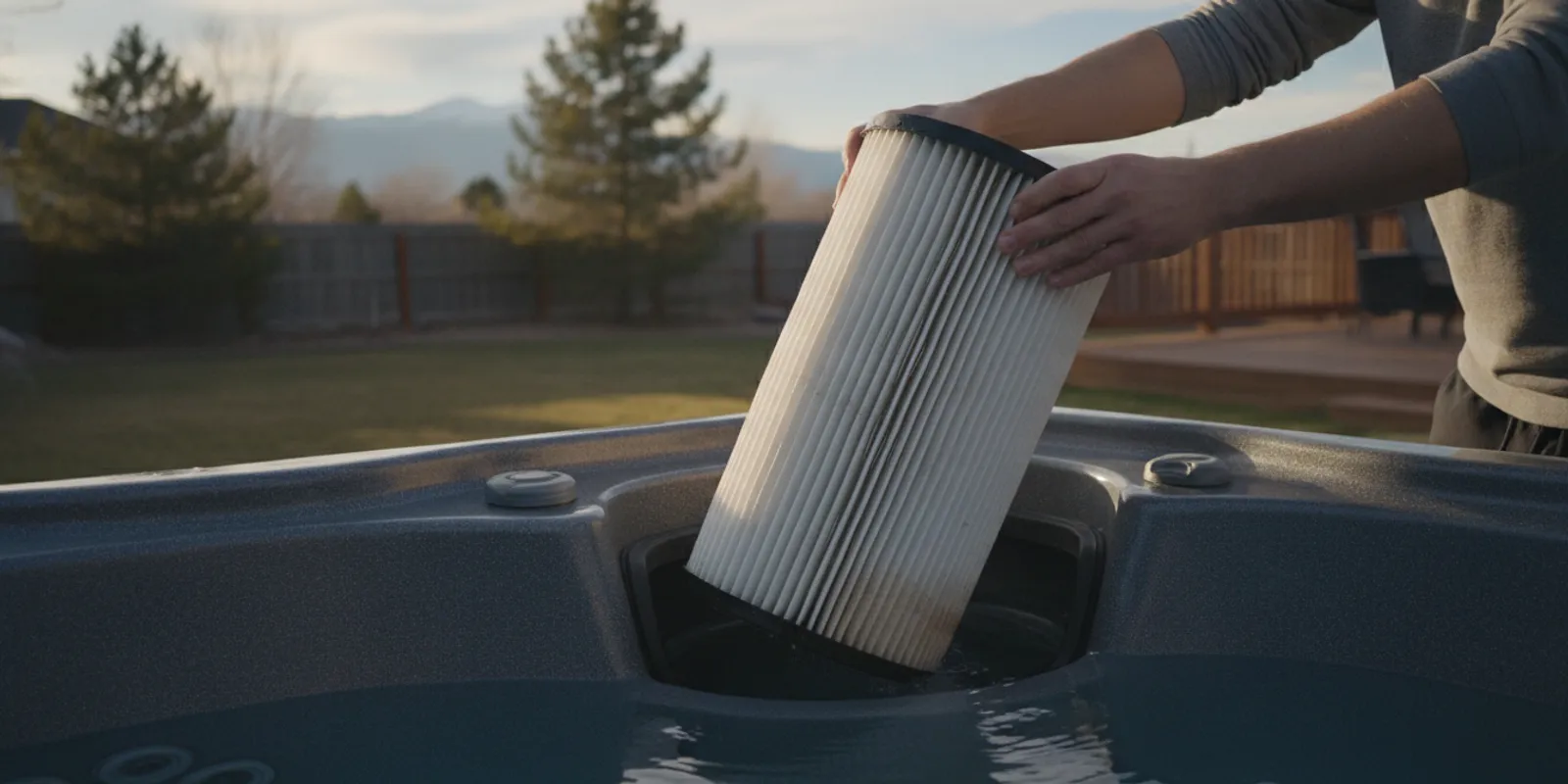
Think of the skimmer basket as a pre-filter for your main pool filter. It catches larger debris like leaves, twigs, and insects. To keep water flowing freely, you should empty this basket at least once a week. If you have a lot of trees around your pool, you may need to do it more often. A clogged basket restricts water flow, which makes your pump work harder and less effectively. Making this simple check part of your routine is one of the easiest ways to maintain your pool. If you're short on time, our weekly cleaning and maintenance service handles this for you.
Use a Skimmer Sock for Fine Debris
For an extra layer of filtration, a skimmer sock is a fantastic and inexpensive tool. These fine mesh socks fit over your skimmer basket and are designed to trap tiny particles like pollen, dust, and oils that would normally pass through the basket and into your filter. Using a skimmer sock can significantly extend the life of your filter cartridge or sand, as it reduces the amount of gunk the main filter has to handle. Just remember to clean or replace the sock regularly, as it will get clogged much faster than the basket alone.
Inspect for Cracks and Leaks
Over time, the plastic housing of your skimmer can develop cracks due to sun exposure and shifting ground, especially with Colorado's freeze-thaw cycles. Regularly inspect the skimmer body, lid, and the area around it for any visible cracks or signs of a leak, like damp soil or eroding concrete. A small crack can lead to significant water loss and can pull air into the system, which can be catastrophic for your pump. Catching these issues early and calling for a professional repair can save you from much larger and more expensive problems down the road.
Common Pool Skimmer Problems
Even the best-maintained pool can run into issues, and your skimmer is no exception. Since it’s on the front lines of debris collection, it often shows the first signs of trouble. Recognizing these common problems early can save you a lot of time and prevent bigger headaches down the road. Let’s walk through a few of the most frequent skimmer issues and what you can do about them. If you find yourself dealing with a persistent problem, our team is always ready to help with professional equipment repairs and servicing.
Clogs and Weak Suction
If your skimmer isn't pulling in leaves like it used to, a clog is the most likely culprit. Debris can get stuck in the skimmer basket, the skimmer throat, or even further down in the plumbing lines. This blockage reduces suction, making your skimmer much less effective. When water can't circulate properly, your pool's overall cleanliness and chemical balance can suffer. Regularly checking and emptying the skimmer basket is your first line of defense. If the suction is still weak after clearing the basket, the clog might be deeper in the system, which can require a professional touch to resolve without damaging your pipes.
Incorrect Water Levels
For your skimmer to work correctly, the pool's water level needs to be just right, typically about halfway up the skimmer opening. If the water is too low, the skimmer will start sucking in air instead of water. This can cause the pump to lose its prime and run dry, leading to serious and expensive damage. On the other hand, if the water level is too high, the skimmer door (or weir) won't be able to create the surface tension needed to pull in floating debris effectively. You can maintain your pool water level by regularly adding water with a hose, especially during hot, dry Colorado summers.
Air Leaks in the Pump
Do you see air bubbles shooting out of your return jets? This is a classic sign of an air leak somewhere in your system, which reduces suction and hinders your skimmer's performance. The leak could be coming from a loose pump lid, a worn-out O-ring, or a crack in the plumbing. Finding the source can be tricky, but it's important to address it quickly to prevent pump damage. A simple inspection of your pump and its connections can sometimes reveal the problem. If you can't locate the leak, it’s a good idea to call in a professional to diagnose and fix it.
Debris Bypassing the Basket
The skimmer basket is designed to catch larger debris before it reaches your pump and filter. If you notice leaves and twigs getting past it, there are two likely reasons: either the basket is overflowing or it isn't seated correctly. A full basket allows water to flow over the top, carrying debris with it. An improperly fitted or cracked basket will also let debris slip through. This can lead to clogs in your pump impeller or filter, reducing efficiency and potentially causing damage. Make a habit of emptying the basket regularly and ensuring it’s securely in place to keep your system protected.
Repair or Replace Your Pool Skimmer?
It’s a question every pool owner faces eventually. You’ve noticed your skimmer isn’t working quite right, and you’re wondering if you’re looking at a simple fix or a major project. The answer depends on a few key factors, including the skimmer's age, the type of damage, and whether a repair is a cost-effective long-term solution. A faulty skimmer can’t do its job of pulling debris off the water’s surface, which means your pump has to work harder and your water quality suffers.
Making the right call between repair and replacement can save you a lot of headaches down the road. A small crack might just need a patch, but ignoring a bigger problem could lead to significant water loss or damage to your pool’s structure. In Colorado's climate, where freeze-thaw cycles can be tough on pool equipment, it’s especially important to address skimmer issues promptly. Understanding the signs of trouble will help you decide on the best course of action to keep your pool clean, safe, and running efficiently for years to come.
Signs You Need a Repair
If you’re seeing minor issues, you can often get by with a simple repair. One of the most common problems is a small leak or crack in the skimmer body. If you notice the water level dropping near the skimmer, you might have a crack that can be patched with pool-grade epoxy or sealant. Another frequent issue is a clog. If your skimmer basket is constantly overflowing or the suction seems weak, the problem might be a blockage in the plumbing lines rather than a broken skimmer. A professional can often clear these lines and restore proper flow. These types of fixes are relatively straightforward and can extend the life of your existing equipment without the cost of a full replacement.
Signs You Need a Replacement
Sometimes, a repair just won’t cut it. If your skimmer has large, severe cracks, especially below the water line, replacement is usually the smarter choice. These major breaks can cause substantial water loss, which wastes water and throws off your pool’s chemical balance. Age is another big factor. Pool skimmers typically last about 10 to 15 years. Over time, the plastic becomes brittle from sun exposure and chemical use, making it prone to cracking. If your skimmer is old and starting to show its age, replacing it is a good investment. A new skimmer will be more efficient and far less likely to cause problems, making it a key part of any pool rehabilitation project.
When to Call a Professional
While some minor skimmer maintenance is DIY-friendly, it’s important to know when to call for backup. If you’re dealing with complex plumbing issues or if the skimmer is built into the concrete shell of your pool, it’s best to let an expert handle it. Safety is also a major concern. Never attempt to fix anything if you suspect an electrical problem with your pool equipment. A certified technician can accurately diagnose the issue, whether it’s a simple clog or a critical failure. Getting a professional opinion from a company that specializes in equipment repairs and servicing ensures the job is done right and prevents a small problem from turning into a costly disaster.
Ready for a cleaner pool?
Denver's trusted pool care professionals since 1982. Get started today.
Schedule ServiceFrequently Asked Questions
How often should I empty my skimmer basket? While once a week is a good general rule, the real answer depends on your pool's environment. If you live in an area with lots of trees, especially during the fall or after a windy day, you should check it daily. A full basket restricts water flow, making your pump work harder and less efficiently. Keeping it clear is one of the simplest and most effective things you can do for your pool's health.
My skimmer isn't pulling in debris. What's the first thing I should check? Before you panic, check two things. First, look at your pool's water level. It should be about halfway up the skimmer opening. If it's too high or too low, the skimmer can't create the right suction. Second, check the skimmer basket itself. Even if it doesn't look completely full, a few strategically placed leaves can create a blockage. If both of those look good, you might have a clog deeper in the plumbing, which is a good time to call a professional.
What is that flapping door inside the skimmer opening? That little door is called a weir. Think of it as a one-way gate for your pool. Its job is to let water and floating debris flow into the skimmer basket, but it swings shut to prevent them from floating back out into the pool. It's a simple but crucial part that helps keep all the gunk you've collected contained.
Is it okay to patch a crack in my skimmer myself? For a very small crack above the water line, you might be able to use a special pool-grade epoxy for a temporary fix. However, skimmer cracks can be tricky. A bad patch can fail, and cracks below the water line can cause significant water loss and even damage the ground around your pool. Given Colorado's freeze-thaw cycles, it's usually best to have a professional assess the damage to ensure a permanent and reliable solution.
Why are there bubbles coming out of my pool's return jets? Bubbles coming from your return jets are a classic sign that air is getting into your filtration system somewhere. The most common culprit is a low water level, which causes the skimmer to suck in air along with water. It could also be a sign of a poor seal on your pump lid or a crack in the plumbing. It's important to figure this out, because running the pump with air in the system can cause serious damage to the motor.
Related Blogs