Pool Water Feature Maintenance in Colorado: A Seasonal Care Guide

Pool water feature maintenance is part of keeping a pool system clean and dependable, not simply keeping a waterfall or fountain looking attractive. In Colorado, windblown debris, intense sun, elevation, and abrupt weather changes can all influence how a feature runs. A simple routine helps homeowners spot changes early and plan for the transition from warm-weather use to colder conditions.
Ask Neptune Pools about water feature care.
This guide focuses on ongoing care for an existing pool feature: debris control, circulation, filtration, chemistry, and seasonal operation. It is different from choosing a feature's appearance, planning a new installation, comparing installation costs, or diagnosing a malfunction. For those separate needs, see Neptune Pools' pool equipment repair and servicing information or its pool remodel and rehabilitation services.
What belongs in a pool water feature maintenance routine?
A water feature relies on the pool's water, circulation, and often its filtration system. Care therefore starts with the whole system rather than the visible cascade alone. A routine check should answer four practical questions:
- Is the feature free of leaves, grit, and other material that can obstruct a flow path?
- Does the pump run normally, with a steady and familiar sound?
- Is water moving through the pool's circulation and filtration system as expected?
- Are water level and test results within the ranges specified for the pool and its equipment?
Use the equipment manuals and your pool's established care plan as the baseline. Features vary: some use a dedicated pump, while others share circulation equipment with the pool. The correct inspection points and operating schedule depend on that setup, so do not assume that a neighbor's settings apply to your system.
How can you control debris around a waterfall or fountain?
Leaves and small debris are more than a cosmetic nuisance. Material can collect in a catch basin, at an intake, around a skimmer, or along a feature's channel. It may also decompose in the water. Check the feature and nearby pool surface during normal cleaning, with more frequent attention when trees are shedding or wind is carrying debris across the yard.
- Skim visible debris. Remove leaves and floating material from the pool and feature basin with a suitable net. Avoid forcing debris into a drain or narrow opening.
- Look over exposed channels and edges. Check for accumulated leaves, grit, and plant material where water enters or exits the feature. Follow the manufacturer's instructions for safe cleaning.
- Keep the surrounding area tidy. Trim back plant growth that drops directly into the water, where appropriate, and remove loose material from the deck before it blows in.
- Notice recurring buildup. If debris quickly returns to the same spot, note where it gathers. The pattern can help identify a cleaning need or a flow issue that deserves closer attention.
Do not use a pressure washer, sharp tool, or unapproved cleaning chemical on stone, tile, seals, or a feature surface. A finish that looks sturdy can still be damaged by the wrong method. For routine pool care that includes skimming and other regular tasks, review the company's pool cleaning and maintenance service.
What should you check on the pump and filtration system?
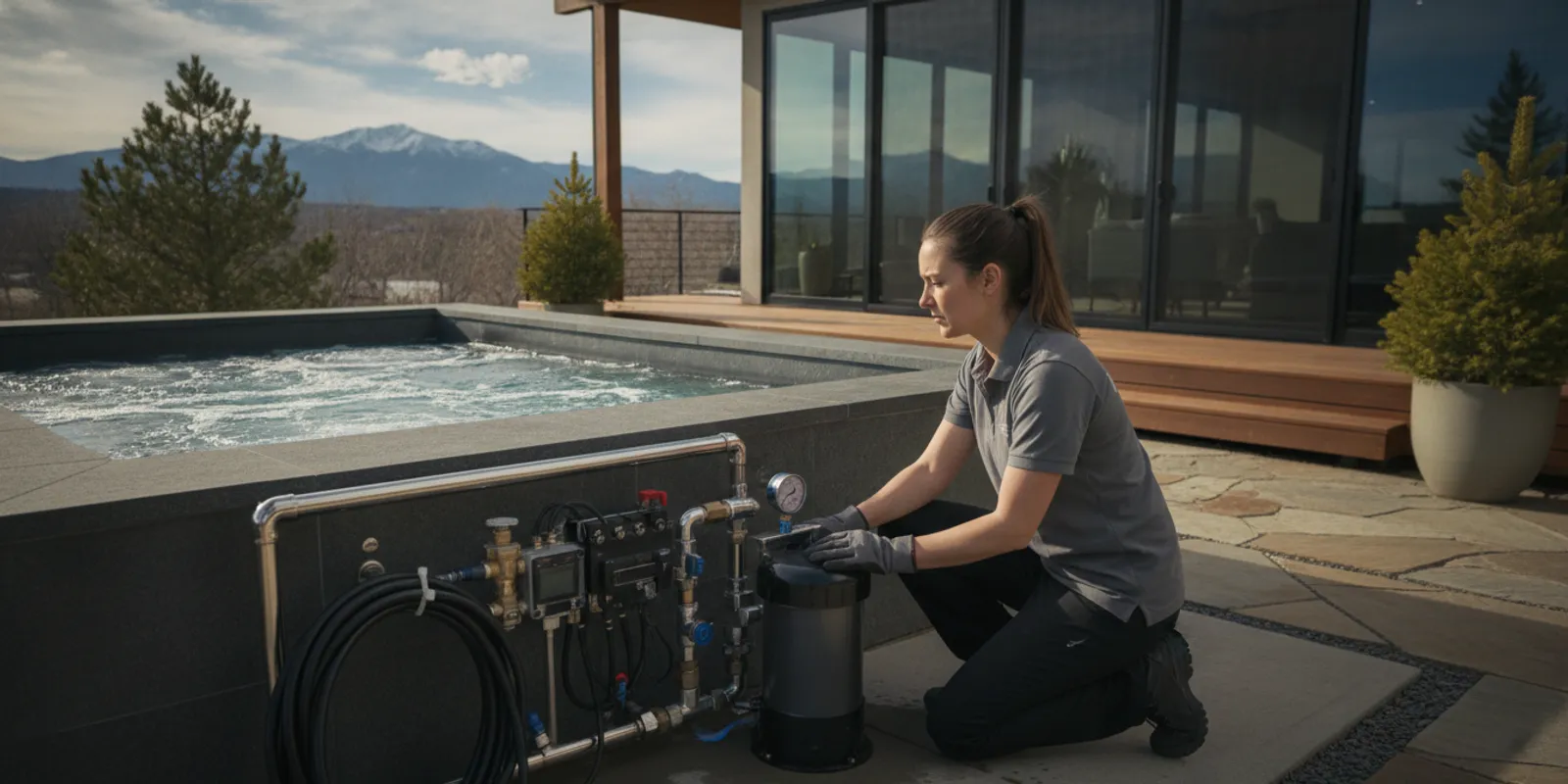
Water that looks different from its usual pattern may point to debris, a water-level change, a setting, or an equipment concern. These observations are useful; they are not a reason to open electrical equipment or take apart plumbing. Keep checks visual and within the maintenance steps allowed by the equipment maker.
- Compare the flow with its normal appearance. Notice whether the waterfall or fountain has become uneven, unusually weak, or intermittent. A change is more informative than trying to judge flow against another pool.
- Listen for a changed sound. A new rattle, grinding sound, or repeated starting and stopping is a reason to stop and seek qualified advice rather than continuing to experiment.
- Check the pool water level. A level below the pool's normal operating range can affect circulation. Follow the pool and equipment instructions for the proper level; do not infer a leak from one observation alone.
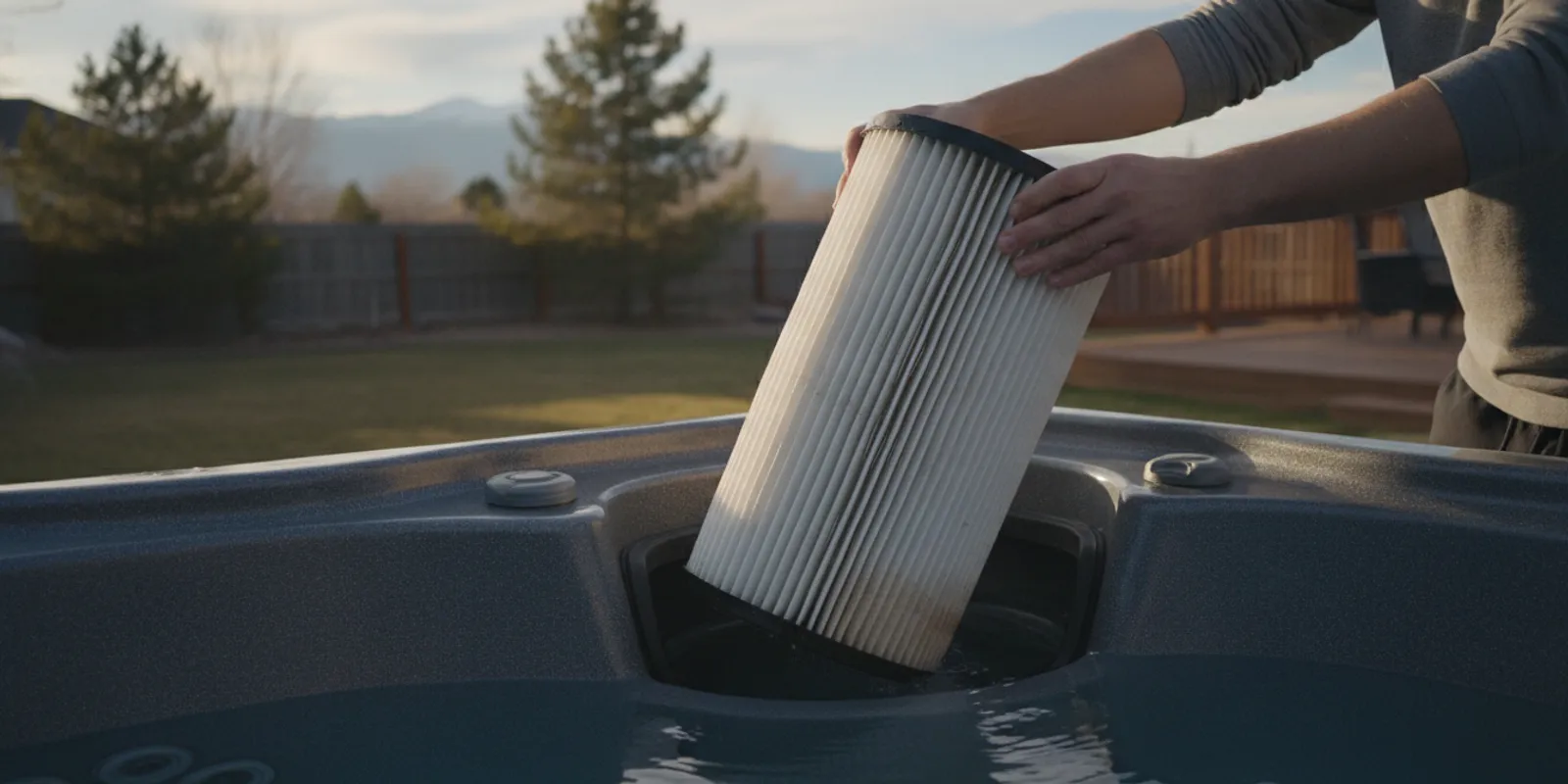
- Check accessible baskets and filter indicators. If the equipment instructions allow homeowner cleaning, follow their shutdown and restart directions. Otherwise, leave the task to a technician.
- Record settings before changing them. If a timer or valve setting has been altered, note the original position and consult the system documentation before making further adjustments.
Features can change the hydraulic demands on a pool system, but this guide is not a pump-sizing or troubleshooting manual. Do not change valve positions, bypass equipment, or run a pump outside its specified conditions just to make a feature look stronger. If a symptom persists, or you are unsure whether a feature uses shared or dedicated equipment, use the equipment repair and servicing page to find the appropriate next step.
How should you manage water chemistry?
A waterfall or fountain does not replace the pool's normal testing and treatment routine. It circulates pool water and can expose more water to air, but the proper chemistry targets still depend on the pool surface, sanitizer system, and product or equipment instructions. Test the pool on the schedule in your care plan, and make adjustments based on actual test results rather than appearance alone.
Pay attention to more than clarity. Keep a written record of test readings and the products added. If the water becomes cloudy, develops deposits, or causes a noticeable change in the feature surface, test before adding chemicals and compare the results with the pool's recommended ranges. Avoid combining products or adding chemicals directly to a feature basin unless the label and system instructions specifically allow it.
Colorado's elevation and dry, sunny conditions are reasons to follow a consistent local routine, not a basis for guessing at a correction. A pool's volume, sanitizer system, use, and recent weather all matter. Neptune Pools offers pool supplies, chemicals, and water testing for Denver-area pool owners. A documented result can help you or a service professional distinguish a water-balance question from a circulation or surface issue.
Maintenance decisions also have resource implications over time. A journal article on residential swimming pool maintenance uses life-cycle assessment to examine environmental impacts, which is a reminder to base care choices on the actual pool and its needs rather than adding products or running equipment without a clear purpose (study of residential pool maintenance).
How does pool water feature maintenance make routine checks repeatable?
A repeatable inspection takes only a few minutes when you follow the same order. Tie it to an existing pool-care visit rather than relying on memory. Start at the pool, continue to the feature, and finish by recording anything that differs from the last check. That sequence helps you notice changes without making every inspection a repair investigation.
- Start with the pool. Look at the water level and general condition. Complete the normal pool-cleaning and testing tasks in your care plan.
- Follow the water path. Look for debris where water enters the feature, travels across a channel or spillway, and returns to the pool. Remove loose material only where it is safe and accessible.
- Observe a normal operating cycle. When the system is scheduled to run, compare the flow and sound with what is usual for that feature. Do not change a timer or valve just to conduct a test.
- Close the loop. Record test results, cleaning, and unusual observations. If there is a concern, note whether it persists and share the details with the service professional.
Keep the checklist near your pool records, along with equipment manuals and service notes. If a professional maintains the pool, ask what observations are useful between visits and which tasks should be left to the technician. Owners can also review Neptune Pools' service options to see how routine care fits into the broader pool-service picture. A shared, clear plan is more useful than changing multiple settings or chemical doses at once.
Keep the feature's normal operating schedule with the pool records. Some features run whenever the pool circulation system is on; others may have separate controls or a schedule set for the pool. Follow the equipment documentation and the pool's care plan rather than applying a generic runtime. A waterfall that looks active does not by itself confirm that every part of the pool is receiving the circulation and filtration intended for that system.
If an authorized schedule adjustment is needed, record the previous setting and change only what the equipment instructions permit. Then observe whether the feature behaves normally and make a note of the result. Do not compensate for a sudden flow change by extending run time or changing multiple valves; first check the safe, visible basics and seek service if the change continues. This keeps routine observation separate from equipment diagnosis.
How do you plan water feature care through Colorado seasons?
Colorado weather can shift quickly, and a calendar date alone cannot determine when it is safe to run or shut down a feature. Use forecasts, equipment guidance, the pool's normal operating plan, and advice from a qualified pool professional. The following table is a planning aid, not a universal schedule.
| Season or condition | Routine focus | Practical action |
|---|---|---|
| Spring startup | Debris, visible condition, normal circulation | Clear winter debris, check accessible components according to their manuals, and confirm the feature operates as intended after the pool is prepared for the season. |
| Warm-weather use | Frequent debris and water checks | Include the feature in regular skimming and pool testing; watch for changes in flow, sound, or water level. |
| Windy or leaf-heavy periods | Accumulation at intakes, basins, and channels | Inspect more often and remove material safely before it gathers or breaks down in the water. |
| Cold snaps or uncertain forecasts | Freeze exposure and manufacturer requirements | Do not assume continuous operation or immediate shutdown is right for every system. Consult the equipment instructions and a pool professional about the specific setup. |
| Planned seasonal closing | Coordinated pool and feature preparation | Include feature plumbing and equipment in the pool's closing plan; confirm what must be drained, protected, or left in place for that system. |
Water moving through a feature can be exposed to cold air, but that does not make “leave it running” or “turn it off” a safe rule for every pool. Pumps, exposed plumbing, construction, controls, and the forecast all affect the right decision. Do not drain lines, blow out plumbing, add antifreeze, or change water levels based on a generic online checklist. Those actions can damage equipment or conflict with the pool's winterization plan.
When the pool is being closed, coordinate the feature with the rest of the system rather than treating it as a decorative accessory. Neptune Pools' page on pool closing and winterization in Denver is a relevant starting point. The necessary steps depend on the installation, so confirm the plan with a qualified professional familiar with the equipment. For service-area information, see Neptune Pools' Denver-area locations.
How do routine care and repair needs differ?
Routine maintenance means cleaning accessible debris, tracking water conditions, and noticing how the system normally behaves. Repair work begins when there is a persistent fault, visible damage, or an equipment symptom that requires diagnosis. Keeping the distinction clear helps prevent unnecessary adjustments and unsafe do-it-yourself work.
Consider professional assessment if the feature stops unexpectedly, a pump makes a new harsh noise, water flow changes and does not return after basic checks, a fitting appears damaged, or water loss seems unusual. These signs do not identify a single cause. Avoid repeatedly restarting equipment, opening electrical enclosures, or dismantling a pump or plumbing line to test a theory. A technician can assess the actual equipment and pool configuration.
This article is about maintenance, not choosing a feature design or estimating a construction project. If you are planning a new feature or a larger pool update, the remodel and rehabilitation service is the appropriate route for discussing project scope. For ordinary upkeep, a recurring pool maintenance plan may help keep cleaning, circulation observations, and water care on a consistent schedule.
What should you keep in a simple maintenance log?
A short record makes small changes easier to compare over time. It is also useful when you contact a pool professional, because it replaces “it has seemed off lately” with a description of what changed and when.
- Date and weather conditions when you inspected the feature.
- Debris removed and any area where it accumulated repeatedly.
- Water-test results and any products added, including the amount and date.
- Whether the feature's flow and sound seemed normal or different.
- Any equipment setting changed, who changed it, and the original setting if known.
- Seasonal steps already completed and questions that remain before a cold-weather transition.
Do not use a log as a substitute for testing or professional diagnosis. Its value is consistency: clear notes help separate a one-day change after wind from a recurring condition that needs attention.
Contact Neptune Pools to discuss your pool's care needs.
Frequently asked questions
How often should I clean a pool waterfall?
Check the feature during your regular pool-cleaning routine and more often when leaves, wind, or other debris are gathering. The right frequency depends on the feature's surroundings and how quickly material accumulates.
Does a water feature need separate water chemistry?
Most pool features circulate pool water, so they are part of the pool's water-care system rather than a reason to guess at a separate chemical dose. Follow the pool, sanitizer, and product instructions, and base treatment on test results.
Should I leave a waterfall running when freezing weather is forecast?
There is no universal answer for every pool. The pump arrangement, exposed plumbing, feature construction, equipment guidance, and forecast matter. Ask a qualified pool professional for a plan specific to your installation instead of relying on a general run-or-stop rule.
Is weak flow always a pump problem?
No. Debris, water level, settings, filtration, or equipment can all be relevant, and one symptom does not prove a cause. Check only the homeowner-safe items allowed by your equipment instructions; seek service if the change persists.
With regular debris removal, sensible testing, and careful seasonal planning, a pool water feature can remain part of a well-maintained pool without confusing routine care with design or repair. When a change is persistent or cold-weather decisions are unclear, get advice based on your actual system.
Related Blogs