Pool Water Products 101: A Complete Guide
It can be tempting to grab the cheapest bucket of chlorine at a big-box store, but not all pool supplies are created equal. When it comes to the health of your water and the longevity of your equipment, quality makes a significant difference. Professional-grade pool water products are more concentrated and contain fewer fillers, meaning they work more effectively and protect your investment. Using the right supplies is the secret to water that feels great on your skin and gives you peace of mind. Let’s explore why quality matters and where to find trusted products for your Denver pool.
Ready for a cleaner pool?
Denver's trusted pool care professionals since 1982. Get started today.
Schedule ServiceKey Takeaways
- Test your water weekly before adding chemicals: Clear water isn't always healthy water. Regular testing is the only way to know exactly what your pool needs to stay safe and balanced, which prevents you from using the wrong products or amounts.
- Match your products to your pool's system: The best maintenance plan depends on your pool's specific setup, including its size and whether it uses chlorine, salt, or minerals. Using the right products for your system ensures they work effectively and protect your investment.
- Invest in quality supplies and expert advice: Professional-grade chemicals are more concentrated and effective than many retail options. Sourcing your supplies from a local expert saves you money by preventing costly guesswork and protecting your equipment from damage.
What Pool Water Products Does Your Pool Need?
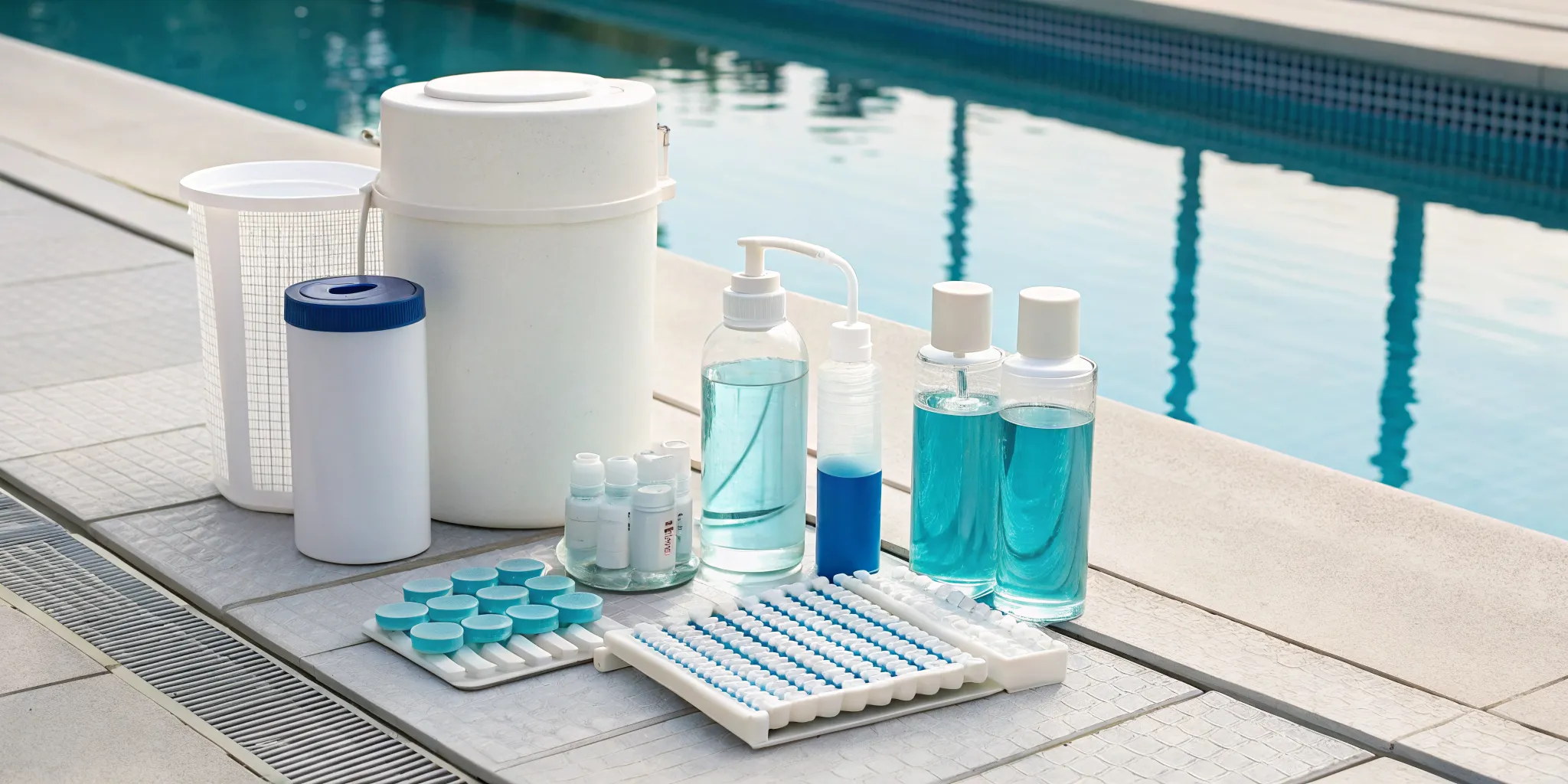
Walking down the pool chemical aisle can feel overwhelming, but keeping your water clean, safe, and sparkling doesn't have to be complicated. Think of it like stocking a pantry; once you have the right staples on hand, daily upkeep becomes a breeze. Having the correct products ready means you can tackle any issue, from a cloudy afternoon to the first signs of algae, without a last-minute scramble. At Neptune Pools, we keep all these essential supplies and chemicals in stock, so you can feel confident you’re getting exactly what your pool needs. Let’s break down the must-have products for every Denver pool owner.
Sanitizers
Sanitizers are the single most important part of your pool care routine. Their job is to kill bacteria, viruses, and other unwelcome microorganisms that can make swimmers sick. Pool sanitizers are what keep your water safe and healthy. The most common choice is chlorine, which is highly effective and budget-friendly. Bromine is another option, often used in spas and indoor pools because it’s a bit gentler on skin and eyes. Saltwater systems are also popular, as they use a generator to create their own chlorine, providing a steady, low level of sanitizer that many people find feels softer on the skin.
Shock Treatments
Sometimes your pool needs a reset. A shock treatment is a powerful dose of oxidizer that quickly eliminates contaminants, kills algae, and clears up cloudy water. You’ll want to use a pool shock after a big pool party, a heavy rainstorm, or anytime your regular chlorine levels just aren’t cutting it. Shocking your pool regularly breaks down chloramines, which are the culprits behind that strong "chlorine" smell and eye irritation. It’s a key step for restoring water clarity and ensuring your sanitizer can work effectively.
Algaecides
Nothing ruins a perfect pool day faster than a patch of green algae. Algaecides are your best defense against these pesky invaders. While your sanitizer does a lot of the heavy lifting, understanding algaecides and using them as a preventative measure can save you a major headache, especially during Colorado's sunny, warm months. Adding a maintenance dose of algaecide weekly or bi-weekly helps keep algae from ever getting a foothold. Think of it as an insurance policy for clear, beautiful water, working alongside your sanitizer to keep things pristine.
pH Balancers and Stabilizers
Maintaining the right chemical balance is a delicate dance, and pH is the star performer. The ideal pH balance for pool water is between 7.2 and 7.8. If it’s too high or too low, your chlorine won’t work properly, and the water can irritate your skin and eyes. You’ll use pH increasers (like soda ash) or decreasers (like sodium bisulfate) to keep it in that sweet spot. For outdoor pools, a stabilizer like cyanuric acid is also crucial. It acts like sunscreen for your chlorine, protecting it from being destroyed by the sun’s UV rays so it lasts longer and works more efficiently.
Clarifiers and Enzymes
Even with balanced chemicals, your water can sometimes look a little dull or cloudy. That’s where clarifiers and enzymes come in. Pool clarifiers work by gathering the tiny, microscopic particles that are too small for your filter to catch and clumping them together into larger particles that can be easily filtered out. Enzymes, on the other hand, are fantastic for breaking down organic waste like sunscreen, body oils, and lotions. Using these products helps your filter and sanitizer work more efficiently, giving your water that extra sparkle and reducing the overall demand on your system.
Water Testing Kits
You can’t fix what you don’t know is broken. A water testing kit is your window into your pool’s health, allowing you to accurately measure chemical levels. You can’t just eyeball it; learning how to test your pool water is the first and most important step in any maintenance routine. Whether you use test strips or a liquid reagent kit, you should be checking your water at least once or twice a week. Regular testing tells you exactly what your pool needs, so you can add the right chemicals in the right amounts, saving you time, money, and frustration.
Chlorine, Saltwater, or Minerals: Which System Is Right for You?
Choosing how to keep your pool water clean is one of the biggest decisions you’ll make as a pool owner. The right sanitizing system keeps your water safe and sparkling, and it can also affect everything from your budget to how the water feels on your skin. The three main players are traditional chlorine, saltwater, and mineral systems. Each has its own set of benefits and maintenance needs, so let’s break down how they work to help you find the perfect fit for your Denver pool.
How Chlorine Systems Work
Chlorine is the classic, tried-and-true method for pool sanitation, and for good reason. It’s highly effective at killing germs and algae, and the supplies and chemicals are affordable and easy to find. This system works by manually adding chlorine tablets, liquid, or granules to the water. The key to a successful chlorine pool is consistency. You’ll need to test the water regularly, usually weekly, and adjust the chemical levels to keep everything balanced. When managed correctly, it’s a reliable and cost-effective way to maintain a healthy pool. If the levels are off, however, it can lead to skin and eye irritation.
How Saltwater Systems Work
A common misconception about saltwater pools is that they are chlorine-free. In reality, they use a salt chlorine generator to turn simple table salt into chlorine. This process creates a steady, low level of chlorine that is often gentler on the skin and eyes, giving the water a noticeably softer, smoother feel. The initial setup cost is higher than a traditional system, and the salt can be corrosive to certain pool ladders, lights, and equipment over time. If you're considering a switch, it's a good idea to have a professional assess if your current setup is compatible or needs equipment repairs or upgrades.
How Mineral Systems Work
Mineral systems are another fantastic option for those with sensitive skin. These systems use cartridges filled with natural minerals like silver and copper to kill bacteria and prevent algae growth. The result is silky, irritation-free water with a much lower chemical load. While minerals do a lot of the heavy lifting, they can’t sanitize the pool entirely on their own. Most mineral systems still require a small, supplemental amount of chlorine to ensure the water is completely sanitized. They are, however, much less harsh on your pool’s surfaces and equipment than saltwater systems, making them a great part of a pool remodel.
Comparing Maintenance and Feel
So, which one is best? If you prioritize effectiveness and a lower upfront cost, a traditional chlorine system is a solid choice, especially for pools with heavy use. For those seeking a gentler swimming experience with softer-feeling water, saltwater systems are an excellent upgrade, though they require an initial investment. Mineral systems offer the most luxurious feel and are incredibly gentle, making them ideal for anyone with skin sensitivities. No matter which system you choose, consistent cleaning and maintenance is the key to perfect pool water all season long.
Essential Equipment for Clean and Safe Water
While chemicals do the microscopic work, your pool's equipment is the muscle. Think of it as the foundation of your pool care routine. The right machinery not only keeps your water sparkling but also automates much of the work, giving you more time to actually enjoy your pool instead of just maintaining it. From basic circulation to high-tech cleaning, having the right gear makes all the difference in creating a safe, clean, and inviting swimming environment. Let's look at the essential pieces of equipment that form the backbone of any healthy pool.
Pumps and Filters
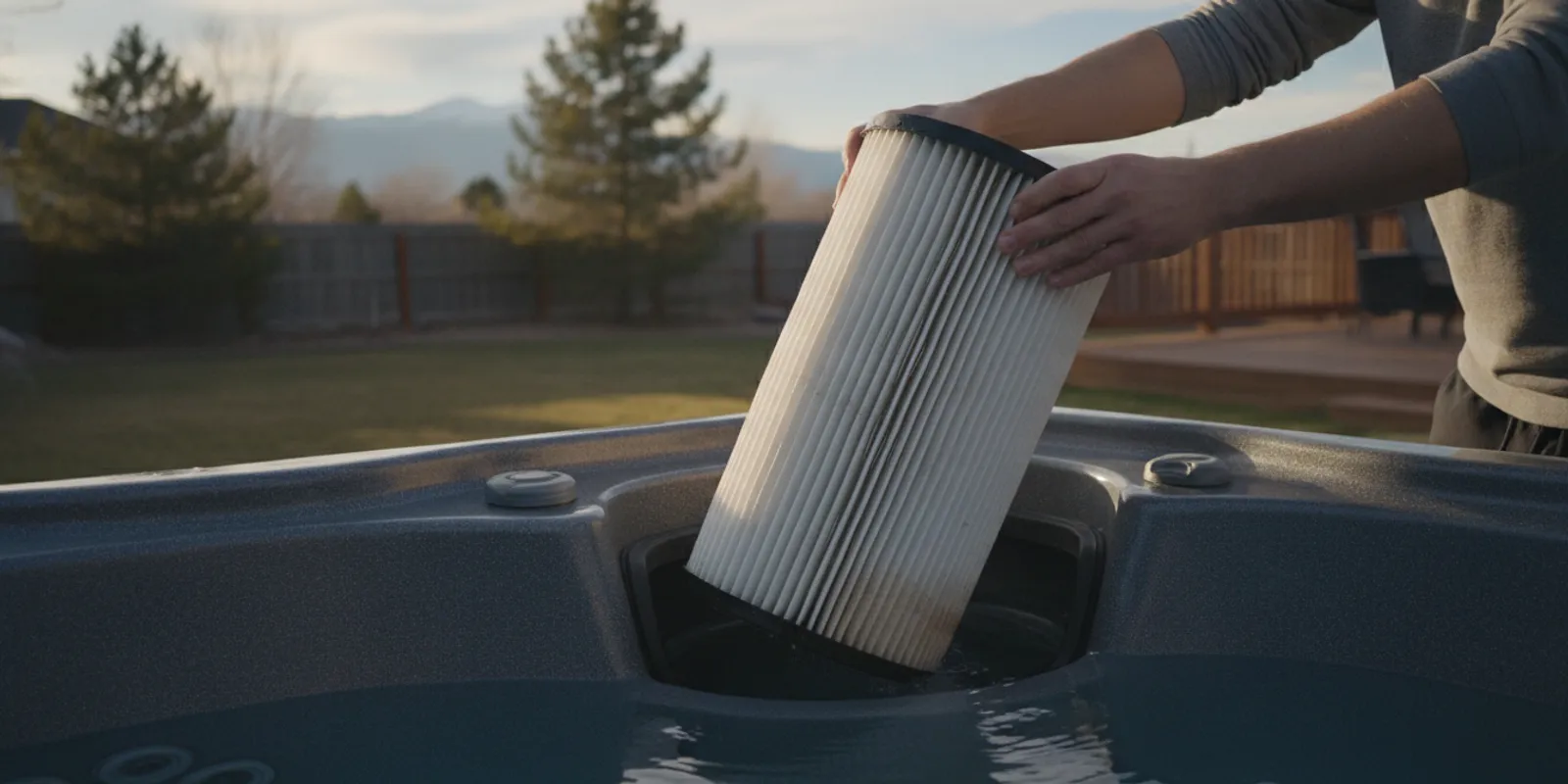
The pump and filter are the heart and lungs of your pool. The pump is responsible for circulating the water, which is the first step in preventing stagnant areas where algae and bacteria love to grow. As the water moves, it passes through the filter, which captures dirt, debris, and other small particles. A properly functioning system is essential for any sanitizer to work effectively. If your pump or filter isn't working correctly, you'll be fighting a losing battle with cloudy water and contaminants. Regular checks and professional equipment servicing ensure this critical system runs smoothly all season long.
UV and Ozone Systems
If you want to reduce your reliance on traditional chemicals, UV and ozone systems are fantastic additions. A UV system uses ultraviolet light to zap and destroy bacteria, viruses, and algae as water passes through it. An ozone system works by injecting ozone gas into the water, which is a powerful oxidizer that breaks down contaminants. Both methods can significantly lower the amount of chlorine you need, which is a huge plus for swimmers with sensitive skin or eyes. These systems are a popular upgrade, and we often install them during pool remodels to modernize a pool's sanitation.
Automatic Chemical Dosing
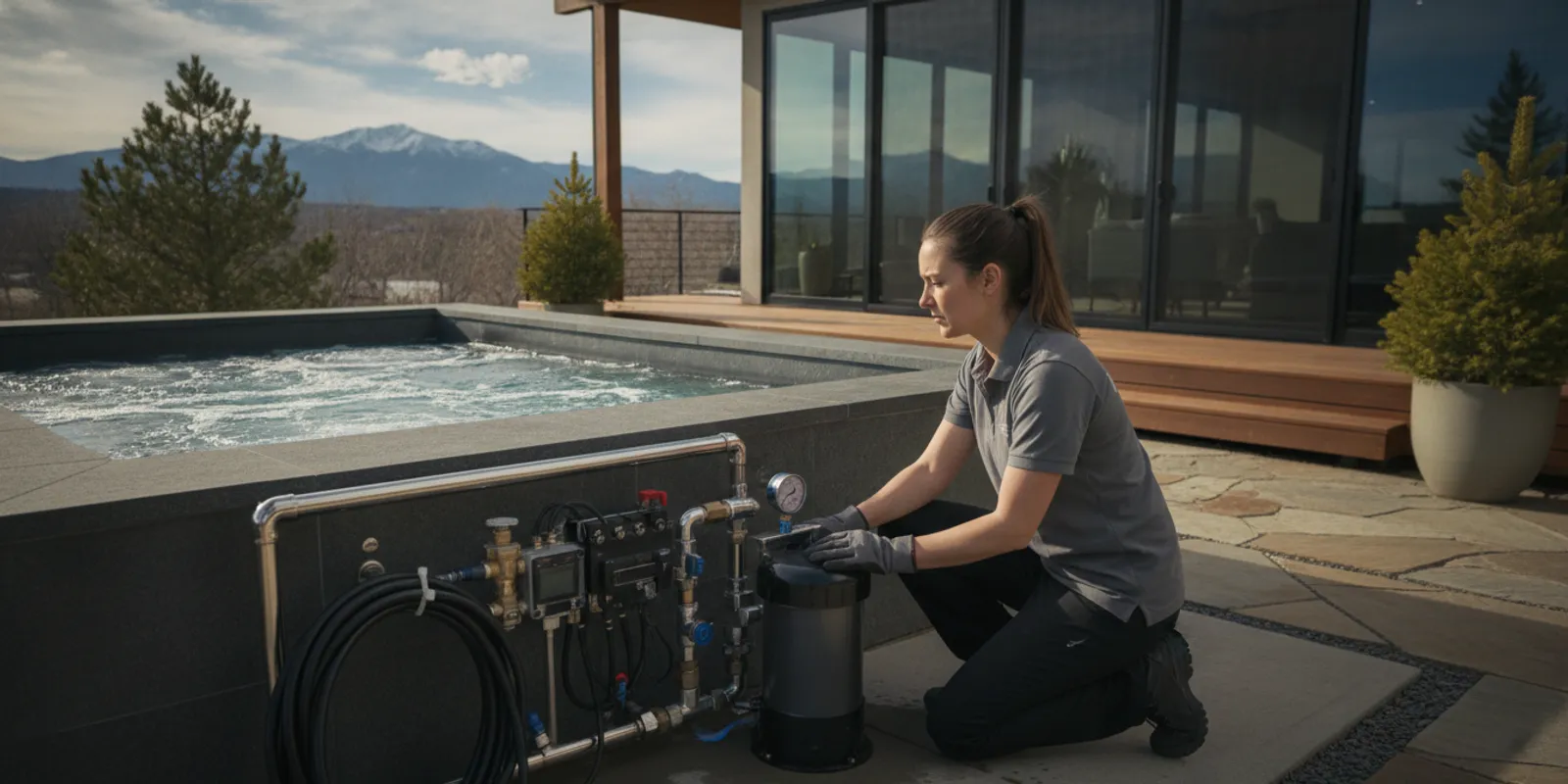
Tired of manually testing and adding chemicals every few days? An automatic chemical dosing system is your solution. These smart systems continuously monitor your pool's pH and sanitizer levels, automatically dispensing the precise amount of chemicals needed to keep your water perfectly balanced. This takes the guesswork out of pool care, prevents chemical spikes, and ensures your water is consistently safe and comfortable for swimming. It’s the ultimate set-it-and-forget-it approach to water chemistry, giving you peace of mind. We can help you find the right system and the professional-grade pool chemicals to go with it.
Robotic Cleaners and Skimmers
Say goodbye to hours spent with a manual vacuum and net. Robotic pool cleaners are a game-changer for pool maintenance. These independent machines patrol the floor, walls, and waterline of your pool, scrubbing surfaces and vacuuming up debris into their own filter bag. They run on their own schedule, saving you time and effort while keeping your pool looking pristine. This technology is a core part of a modern cleaning and maintenance plan, as it reduces the overall workload and helps your filtration system work more efficiently by removing debris before it can break down.
Breaking Down the Cost of Pool Care
Owning a pool is a fantastic investment in your home and lifestyle, but it’s important to have a clear picture of the costs involved. Thinking about your budget isn't about limiting the fun; it's about ensuring you can enjoy your backyard oasis stress-free for years to come. Let's walk through the financial side of pool ownership, from the big initial expenses to the smaller, ongoing costs that keep your water sparkling.
Upfront vs. Long-Term Costs
The initial investment for a pool goes beyond the installation. Your upfront costs include the pool itself, plus essential equipment like pumps, filters, and heaters. Once your pool is ready, the financial focus shifts to long-term care. Annual maintenance, which includes chemicals, cleaning supplies, and electricity, is a recurring expense you'll want to plan for. Budgeting for this regular maintenance from the start helps prevent surprises. Think of it like any other home utility; consistent care keeps everything running smoothly and prevents small issues from becoming expensive problems.
Hidden Costs to Keep in Mind
A few expenses can catch new pool owners off guard. Your utility bills for water and electricity will likely increase, especially during the swimming season here in Colorado. It's also wise to chat with your insurance agent, as you may see a rise in homeowners insurance premiums due to the added liability. Beyond that, it’s smart to set aside a small fund for unexpected repairs. A pump might fail, or a liner could tear. Having a repair budget means a hiccup won't derail your summer fun. These aren't meant to be scary, just things to be aware of so you can plan ahead.
Finding the Best Value for Your Budget
Getting the best value doesn't always mean picking the cheapest option. While you can save money by performing some maintenance tasks yourself, like skimming leaves or testing water, it's important to know your limits. An incorrect chemical addition can lead to bigger problems, and a botched DIY repair can be costly to fix. Investing in quality products and professional-grade chemicals often saves money in the long run through better efficiency and protection for your pool surfaces. For more complex jobs, calling a certified technician for equipment repairs and servicing ensures the work is done right, protecting your investment and giving you peace of mind.
Common Pool Care Myths, Busted
When it comes to pool care, there’s a lot of "poolside" advice that gets passed around. While often well-intentioned, some of this common wisdom is outdated or just plain wrong. Believing these myths can lead to frustration, wasted money, and a pool that’s less than perfect. Let's clear the water and bust some of the most common pool care myths so you can maintain your Denver pool with confidence.
Myth: More Chemicals Are Always Better
It’s easy to think that if a little chlorine is good, a lot must be better. But when it comes to pool chemistry, balance is everything. Over-chlorinating your pool won't necessarily make it cleaner or safer. In fact, it can do the opposite, leading to dry, itchy skin and eye irritation for your swimmers. The goal isn't to overwhelm the water with chemicals but to maintain a precise balance. Using the correct amount of professional-grade supplies and chemicals ensures your water is sanitized effectively without causing discomfort.
Myth: If the Water Is Clear, It’s Healthy
Your pool water might look crystal clear and inviting, but that doesn't always mean it's safe for a swim. Harmful bacteria and other contaminants are invisible to the naked eye. Clear water can still have a pH imbalance or low sanitizer levels, creating an environment where germs can thrive. This is why regular testing is so important. It’s the only way to know what’s really going on in your water. A consistent cleaning and maintenance schedule addresses both the visible debris and the invisible threats.
Myth: A Strong "Chlorine" Smell Is a Good Thing
Many people associate that strong chemical smell with a clean, well-maintained pool. Ironically, that distinct "chlorine" odor is not the smell of chlorine itself. It’s the smell of chloramines, which are chemical compounds that form when chlorine reacts with contaminants like sweat, body oils, and urine. A strong smell is actually a sign that your pool's chlorine is working overtime and the water is out of balance. A properly sanitized pool should have little to no odor. If your hot tub has this issue, it's time to check your spa services routine.
Myth: Natural Alternatives Don't Work as Well
Some pool owners are hesitant to switch from traditional chlorine, fearing that alternatives like saltwater or mineral systems won't be as effective. This couldn't be further from the truth. A saltwater system, for example, uses a generator to convert salt into chlorine through electrolysis. This creates a steady, controlled supply of sanitizer that is often gentler on the skin and eyes. These systems are highly effective at keeping water clean and safe. If you're considering an upgrade, exploring remodels and rehabs for your system can be a great investment.
Myth: You Can Skip Water Testing
Of all the myths, this is perhaps the most dangerous. Skipping water testing is like driving with your eyes closed; you’re just guessing what your pool needs. Water chemistry can change quickly due to rain, heavy use, or even just a sunny day. Without regular testing, you won't know when to add sanitizer, adjust the pH, or shock the water. Consistent testing is the foundation of a safe and healthy pool, preventing problems before they start. It’s a non-negotiable part of any effective cleaning and maintenance plan.
How to Choose the Right Products for Your Pool
Walking down the pool chemical aisle can feel overwhelming. With so many bottles, buckets, and bags all promising a perfect pool, how do you know what you actually need? The truth is, there’s no single right answer. The best products for your pool depend entirely on your specific situation, including the type of pool you have, how you use it, and even where you live.
Choosing the right combination of chemicals and equipment isn't just about getting sparkling clear water; it's about creating a safe and comfortable swimming environment for your family and friends. The right products also protect your pool's surfaces and equipment from damage, saving you from costly repairs down the line. Think of it as creating a personalized recipe for your pool. By taking a few key factors into account, you can confidently select the supplies and chemicals that will keep your water balanced and inviting all season long. Let’s break down what you need to consider to build your perfect pool care routine.
Consider Your Pool's Size and Type
First things first, the size and type of your pool are the foundation of your maintenance plan. A larger pool requires more chemicals than a smaller one, so knowing your pool's volume in gallons is essential for accurate dosing. Beyond size, your pool's water system plays a huge role. There are three main types: chlorine, saltwater, and mineral systems, and each one has different needs. A traditional chlorine pool uses tablets or granular chlorine, while a saltwater pool uses a salt-chlorine generator to create its own chlorine. Mineral systems use cartridges to dispense minerals that help sanitize the water, reducing the amount of chlorine needed. Your pool’s finish (like plaster, vinyl, or fiberglass) can also influence which chemicals are best to avoid staining or damage.
Factor in How Often You Swim
How many people use your pool and how often? A pool that hosts neighborhood parties every weekend will have very different needs than one used for quiet morning laps by one or two people. Every person who gets in the water introduces contaminants like sunscreen, body oils, and bacteria. The more swimmers you have, the harder your sanitizer has to work. For pools with a high bather load, traditional chlorine is often a great choice because it’s a powerful and efficient sanitizer. If you find that keeping up with a busy pool is a challenge, a professional weekly cleaning service can ensure your water stays safe and balanced, no matter how popular your pool is.
Think About Skin Sensitivities
Your family’s comfort is a top priority. If anyone who uses the pool has sensitive skin or eyes, a traditional chlorine system might feel a bit harsh. Many people find that saltwater pools are gentler on the skin and eyes, and they often describe the water as feeling softer and smoother. Mineral systems are another excellent alternative, as they can significantly lower the amount of chlorine required to keep the water clean. This can create a more pleasant swimming experience with less of that "chlorine" feeling. Ultimately, perfectly balanced water is the key to comfort, regardless of the system you choose.
Account for Colorado's Unique Climate
Living in the Denver area means dealing with a unique climate that directly impacts your pool. Our high altitude and intense sun are a tough combination for pool water. The strong UV rays can break down chlorine quickly, meaning you’ll likely need to use a stabilizer (cyanuric acid) to protect it and make it last longer. The dry air also causes water to evaporate faster, which can concentrate chemicals and throw off your water balance. Plus, our infamous afternoon thunderstorms and windy days can blow leaves, dust, and other debris into your pool. It’s important to keep your pool water clean from both visible and invisible dirt to ensure it’s healthy for swimming.
Finding Quality Pool Products You Can Trust
Walking down the pool aisle at a big-box store can feel overwhelming, and it’s tough to know which products are actually worth your money. The truth is, not all pool supplies are created equal. Using the right products is just as important as your maintenance routine. Choosing high-quality, professional-grade supplies ensures your water is safe, protects your pool from damage, and often saves you money in the long run by being more effective. Let’s break down what to look for and where to find it.
Why Professional-Grade Supplies Matter
The difference between professional-grade chemicals and what you find at a discount store often comes down to concentration and purity. Professional supplies are formulated to be more potent and contain fewer fillers, meaning you use less product to achieve the right water balance. This isn't just about efficiency; it's about protecting your investment. Low-quality chemicals can introduce unwanted substances that stain surfaces and corrode expensive equipment. Using professional-grade products is the best way to maintain truly healthy, safe water that won’t cause skin or eye irritation, giving you total peace of mind every time you swim.
Your Local Source for Expert-Vetted Chemicals
Getting your chemicals from a local pool professional means you’re also getting advice tailored to our unique Denver climate. The intense Colorado sun, dry air, and water composition all affect your pool's chemistry. A certified technician can point you to the exact algaecides, shocks, and balancers that perform best in these conditions. Instead of guessing in a massive retail store, you can rely on an expert who has vetted every product they carry. Neptune Pools offers a complete range of supplies and chemicals that are proven to work for pools right here in our community, taking the guesswork out of your pool care.
Top-Tier Equipment from Hayward and Pentair
Your pool’s equipment is the heart of the entire system, and it’s an area where quality makes a huge difference. Brands like Hayward and Pentair are leaders in the pool industry for a reason: their pumps, filters, and heaters are built for durability, reliability, and energy efficiency. While the upfront cost might be higher than lesser-known brands, this top-tier equipment pays for itself with fewer breakdowns and lower energy bills. When you need equipment repairs or servicing, working with technicians who are familiar with these leading brands ensures your system is maintained correctly and performs at its best for years to come.
Your Weekly Checklist for Perfect Pool Water
Keeping your pool water sparkling clear and safe doesn’t have to be a complicated puzzle. It’s all about consistency. Having a simple weekly routine is the best way to stay on top of your pool’s health, preventing small issues from turning into big, expensive problems. Think of it as a quick health check-up for your backyard oasis. Following these steps each week will help you maintain perfect water, so you can spend less time on maintenance and more time enjoying your pool.
Test Your Water Consistently
The first and most important step in any weekly routine is testing your water. You can't fix what you don't know is broken. Regular testing is the only way to know exactly what’s going on with your water’s chemistry. At least once a week, you should test for pH, free chlorine, and total alkalinity. These three pillars of water balance determine the safety and comfort of your pool. Keeping them in the right range makes every other step of maintenance easier. You can find reliable water testing kits that make this process quick and straightforward.
Balance Chemicals in the Correct Order
Once you have your test results, you can start adjusting your chemicals. But don't just dump them all in at once. The order matters. A lot. Always adjust your total alkalinity first, then your pH, and finally your sanitizer (like chlorine). Alkalinity acts as a buffer for your pH, so if you balance it first, your pH levels will be more stable and easier to adjust. Getting this sequence right prevents you from chasing your tail, adding one chemical only to throw another one off. This is a core part of our professional cleaning and maintenance service because it’s so critical for water health.
Shock Your Pool at the Right Time
Shocking your pool, or super-chlorinating, is a weekly task that eliminates contaminants, kills bacteria and algae, and reactivates your chlorine. But timing is everything. The best time to shock your pool is at dusk or overnight. The sun's UV rays burn off chlorine, so adding a shock treatment during the day means you’re wasting product and money. By shocking at night, you give the chemicals a full, uninterrupted window to do their job. You’ll wake up to clearer, safer water. We stock a variety of effective shock treatments perfect for your weekly routine.
Prevent Algae Before It Starts
The easiest way to deal with algae is to never let it get a foothold in the first place. Prevention is your best friend. A key part of this is circulation. Make sure you run your pump long enough each day, typically 8 to 12 hours, to filter all the water in your pool. This constant movement prevents stagnant water where algae loves to grow. Also, take a few minutes each week to brush the walls and steps of your pool. This simple action scrubs away any invisible, budding algae spores before they can bloom. If your pump isn't running as it should, it might be time for equipment servicing.
Keep Up with Your Cleaning Schedule
Chemical balance is only half the battle; physical cleaning is just as important. Leaves, dirt, and other debris not only look bad but also feed algae and use up your chlorine. Every week, you should skim the surface of your pool, empty the skimmer and pump baskets, and check your filter pressure. If you have a robotic cleaner, let it run its cycle. If not, a quick vacuum of the pool floor can make a huge difference. A consistent cleaning schedule is the secret to a pool that always looks inviting and ready for a swim.
Prepare for Seasonal Changes
Here in Colorado, our weather can be unpredictable, and it directly impacts your pool. A week of intense sun and heat means more swimmers, more sunscreen, and more chlorine usage. A sudden hailstorm can throw your pH completely out of whack. Pay attention to the forecast and be ready to adjust your routine. You might need to test and add chemicals more frequently during a heatwave or after a big storm. Being proactive about these changes helps you stay ahead of any potential water issues. Sometimes, preparing for a new season reveals the need for larger updates, like equipment remodels and rehabs.
The Future of Pool Care: Smart Tech and Eco-Friendly Options
Taking care of a pool is getting easier and more sustainable every year. The latest advancements in pool care are all about working smarter, not harder. These new technologies and products help you save time, reduce your energy bills, and create a healthier swimming environment for your family. From systems that monitor your water for you to equipment that practically pays for itself in energy savings, the future of pool ownership looks bright, efficient, and refreshingly simple. Let's look at a few of the most exciting trends you can adopt for your own backyard oasis.
Smart Pool Monitoring Systems
Imagine your pool could tell you exactly what it needs, right when it needs it. That’s the reality of smart pool monitoring systems. These devices use sensors to track your pool’s water chemistry, temperature, and equipment status in real-time. Instead of manually testing your water every few days, you get alerts sent directly to your smartphone. This kind of smart pool technology offers incredible peace of mind. You’ll know instantly if your pH is off or if chlorine levels are low, allowing you to make small adjustments before they become big, costly problems. It’s a proactive approach that keeps your water consistently balanced and safe for swimming, all while saving you time and reducing chemical waste.
Eco-Friendly and Natural Treatments
More and more pool owners are looking for ways to maintain sparkling clean water with fewer harsh chemicals. Luckily, there are some fantastic eco-friendly options available that are gentle on your skin, your swimwear, and the environment. Saltwater systems, for example, use a generator to convert simple salt into chlorine, resulting in softer-feeling water that’s less likely to irritate your eyes. Beyond saltwater, mineral purifiers and enzyme-based cleaners are also gaining traction as effective, eco-friendly pool care solutions. These natural treatments work to break down organic waste and prevent algae growth, reducing your reliance on traditional sanitizers and shock treatments. It’s a wonderful way to create a more natural swimming experience without compromising on cleanliness.
Energy-Efficient Equipment Upgrades
Upgrading your pool equipment is one of the smartest investments you can make, both for your wallet and for the planet. Older, single-speed pool pumps are notorious energy hogs, but modern, energy-efficient alternatives can make a huge difference. According to the U.S. Department of Energy, switching to variable-speed models can cut your pump's energy costs by as much as 80%. Solar heaters are another brilliant upgrade, especially here in sunny Colorado. They harness the sun's free, renewable energy to keep your pool at the perfect temperature. If your equipment is getting old or you’re interested in lowering your monthly bills, our team can help you explore options for equipment repairs and servicing that will save you money in the long run.
Where to Get Your Supplies (and How to Save)
Once you know what your pool needs, the next question is where to get it. While it might be tempting to grab everything during your next trip to a big-box hardware store, the source of your supplies can make a huge difference in quality, effectiveness, and your overall stress levels. Making a smart choice here not only saves you money in the long run but also ensures your pool gets the best care possible. Let's break down your options and how you can be a savvy shopper when it comes to pool care.
Your Local Pool Pro vs. Big Box Stores
Walking into a massive retail store, you’ll find aisles of pool products, but you’re often on your own to figure out what’s what. The convenience is there, but the expertise usually isn’t. Your local pool professional is the opposite. We live and breathe pool care, especially in Colorado's unique climate. We can tell you exactly which algaecide works best after a hailstorm or why a certain stabilizer is essential for pools at our altitude. Instead of guessing, you get direct answers and access to professional-grade supplies that are often more concentrated and effective than their retail counterparts, saving you time and money.
Look for Loyalty Programs and Seasonal Sales
Everyone loves a good deal, and pool care is no exception. Keep an eye out for seasonal sales, especially at the beginning and end of the pool season when suppliers are stocking up or clearing out inventory. It’s a great time to buy chemicals in bulk if you have the proper storage space. Some suppliers also offer loyalty programs or rewards. When you work with a professional service like Neptune Pools, you also benefit from our established relationships with top-tier suppliers. We get access to the best products at great prices, and we pass that value directly on to you.
Know When to Call a Professional
Managing your own pool can be rewarding, but it can also become a major headache. If you’re fighting a persistent issue like cloudy water that won’t clear up or a stubborn algae bloom, you might be wasting money on the wrong chemicals. This is the perfect time to call for backup. A professional technician can diagnose the problem quickly and create a targeted treatment plan. Think of it this way: you’re not just paying for chemicals, you’re paying for an expert’s knowledge and peace of mind. Our team is highly trained to handle these exact scenarios, taking the guesswork out of your hands and getting your pool back to perfect with our cleaning and maintenance services.
Ready for a cleaner pool?
Denver's trusted pool care professionals since 1982. Get started today.
Schedule ServiceFrequently Asked Questions
How often do I really need to test my pool water? Testing your water at least once a week is the absolute minimum for keeping it healthy. However, think of this as a starting point. After a big pool party, a heavy rainstorm, or during a stretch of hot, sunny weather, you should test more frequently. These events can change your water chemistry quickly, and testing is the only way to know exactly what your pool needs to stay balanced and safe.
My water is cloudy, but my chlorine level seems fine. What’s going on? Cloudy water is a common frustration, and it's often a sign that something beyond your chlorine level is off. The most likely culprit is an imbalanced pH, which can prevent your chlorine from working effectively. It could also mean that tiny particles are suspended in the water that are too small for your filter to catch on its own. In this case, a clarifier can help clump those particles together. Before adding more chemicals, always test your water to diagnose the root cause.
Is it really cheaper to do all my pool maintenance myself? While you can save money by handling basic tasks like skimming and weekly testing, it's important to know your limits. The real value comes from preventing expensive problems. Using the wrong chemical or attempting a complex equipment repair can lead to much costlier fixes down the road. Investing in a professional service for regular maintenance or tricky issues ensures the job is done right, protecting your pool's surfaces and equipment and giving you valuable peace of mind.
Why is taking care of a pool in Colorado so different? Our unique Denver climate presents a few challenges for pool owners. The high altitude and intense sun mean that chlorine breaks down much faster, so using a stabilizer is essential to protect it. The dry air also causes more evaporation, which can concentrate chemicals and throw your water balance off. Finally, our sudden thunderstorms can introduce debris and rainwater that drastically alter your pool's chemistry in a matter of minutes.
I have sensitive skin. Is a saltwater pool my only option? A saltwater system is a fantastic choice for sensitive skin because the water often feels softer, but it's not your only choice. A mineral system is another excellent alternative that significantly reduces the amount of chlorine needed. It's also worth noting that even a traditional chlorine pool can be very comfortable. Skin and eye irritation are often caused by imbalanced water, like incorrect pH levels, rather than the chlorine itself.
Related Blogs