Pool Water Testing Cost in Denver: What Professional Testing Includes
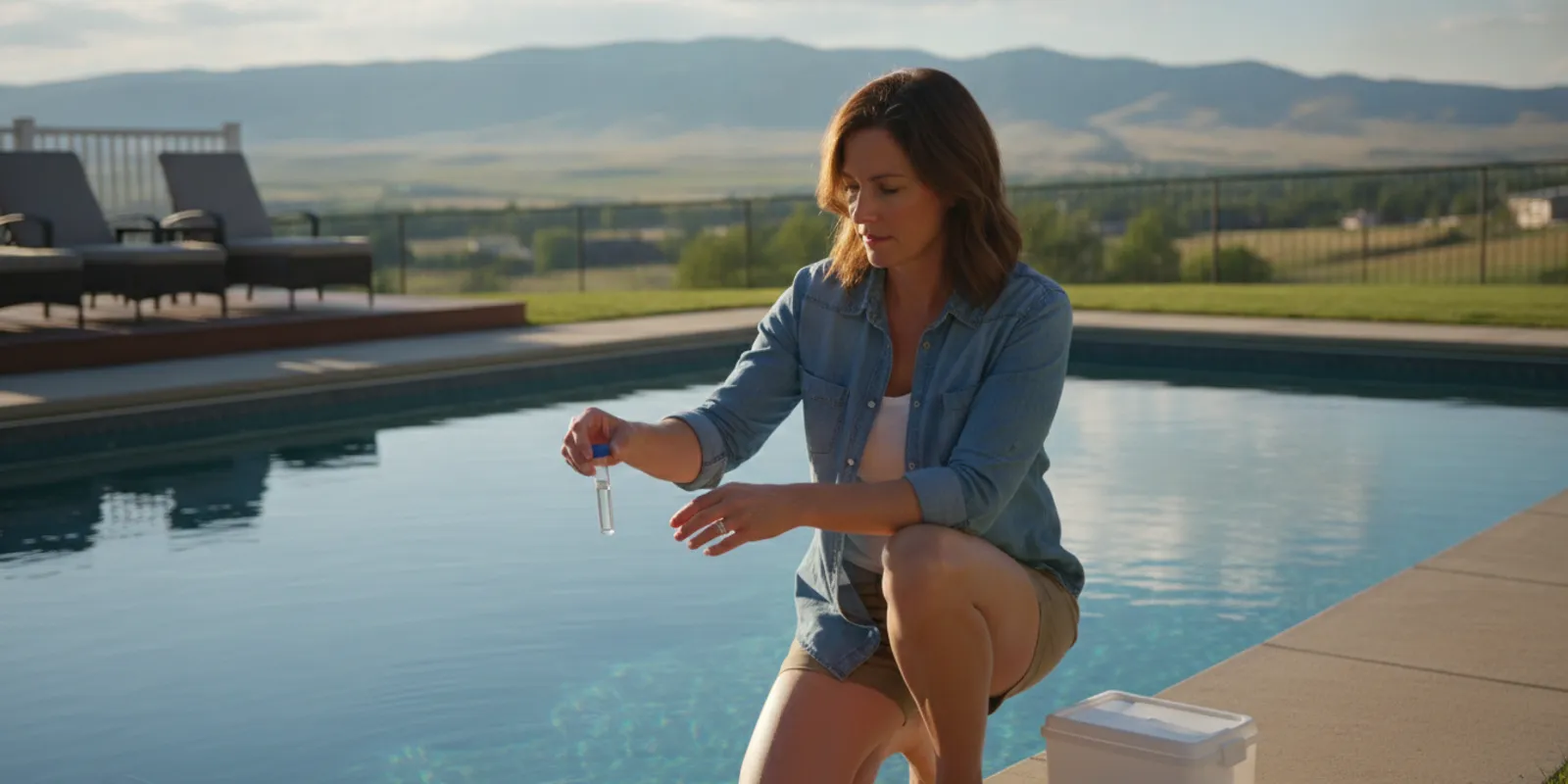
When comparing pool water testing cost in Denver, the test itself is only part of the decision. A homeowner may use a kit at home, bring a sample to a pool retailer, or request help from a pool service professional. The right choice depends on which water conditions you need to check, how you will act on the result, and whether a simple reading or a more complete diagnosis is needed.
Ask Neptune Pools about pool testing and service options.
What does pool water testing cost include?
There is no single price that applies to every pool test. The word “testing” can mean using a basic home kit, having a retailer analyze a sample, or including water checks in a broader maintenance visit. Those options may measure different things and provide different levels of interpretation, so a price comparison is meaningful only when the test scope is clear.
Before you compare offers, find out whether the charge covers just the test, or also sample collection, an explanation of the results, and guidance on what to do next. Ask whether the provider measures the specific factors relevant to your issue. A test meant to guide routine balancing is not automatically the right test for investigating a persistent stain, cloudy water, or a suspected equipment problem.
Neptune Pools serves the Denver Metro area with pool maintenance, repairs, supplies, and other pool services. The company’s pool supplies, chemicals, and testing information is a useful place to ask about current options. Confirm what is available and what it costs rather than assuming that a particular service or price is included.
How do DIY, retail, and professional tests compare?
Each route has a different balance of upfront expense, convenience, and interpretation. A home kit requires an initial purchase and recurring replacement of test supplies. Retail testing may be convenient when you are already buying chemicals, but the specific panel and any fees can vary. Professional testing can connect readings with a pool’s condition and service history, but you should confirm exactly what is included before booking.
| Option | How the cost is structured | What to confirm | Best fit |
|---|---|---|---|
| DIY kit or strips | Purchase the kit or strips, then replace supplies as needed. | Which readings it covers, expiration date, storage directions, and how to interpret results. | Routine checks when you are comfortable following the kit instructions. |
| Retail sample testing | Ask whether testing has a fee, is tied to a purchase, or is offered with another condition. | Sample amount, required container, test panel, turnaround, and whether advice or a written result is included. | Owners who want help interpreting a sample while sourcing pool chemicals. |
| Pool service professional | May be priced as a separate visit, part of a service plan, or an added diagnostic task; verify the quote. | Whether the technician collects the sample, which parameters are tested, and whether adjustment or repair is extra. | Persistent water problems, multiple symptoms, or owners who want testing considered alongside pool condition. |
| Laboratory test | Depends on the laboratory, requested analysis, and sample-submission requirements. | Whether the lab accepts pool water for the intended analysis and what the result can establish. | A specific analytical question that requires a lab method rather than routine poolside balancing. |
Do not compare a box of test strips with a professional visit as if both purchase the same service. A kit is a tool you use repeatedly; a visit may include labor or troubleshooting. Likewise, a test panel that checks only a few readings should not be treated as equivalent to a more comprehensive analysis. Ask for the test names and the total amount due, including any separate service or chemical charges.
Which factors change the price of a pool water test?
The number and type of readings
A basic check and a broader diagnostic panel are not interchangeable. Pool water is commonly evaluated for measures such as sanitizer level and pH, while other readings can matter depending on the water problem, pool surface, and treatment history. Ask which specific results you will receive. If a provider says “full test,” request the actual list rather than relying on a label that may mean different things from one business to another.
Some issues call for more than a routine balancing check. For example, recurring cloudiness, scaling, unusual staining, or rapid sanitizer loss may require additional investigation. The symptoms do not prove one cause by themselves. A technician may need to inspect circulation, filtration, recent chemical additions, or pool surfaces as well as review a water sample. That extra work can change the total cost, so ask whether it is part of the testing price or a separate diagnostic or repair charge.
Who collects the sample and where it is tested
A sample you collect at home is different from a technician visit that includes travel and on-site assessment. Retailers may have their own procedures for sample volume, container, and delivery. A laboratory may require a particular container, handling method, or requested analysis. Those details affect what you pay and whether the result is useful, so follow the receiving provider’s directions instead of reusing a bottle or guessing at the sample procedure.
The Colorado Department of Public Health and Environment’s State Lab water testing page describes sample submission and available testing services. Its listing should not be assumed to be a routine swimming-pool chemistry panel. Confirm directly that a lab accepts pool water and can answer the particular question before paying or submitting a sample.
Whether the quote includes interpretation or next steps
A result without context can leave you with more questions. Ask who explains the readings, whether recommendations are included, and whether applying those recommendations costs extra. Chemical purchases, balancing labor, equipment inspection, and repairs can be separate from a test. A clear quote distinguishes each item so you can decide what you want done.
If testing is being discussed during an ongoing visit, clarify whether it is already part of the agreed maintenance work or an added service. Neptune’s pool cleaning and maintenance information describes its maintenance offering; contact the company for the current scope and price that apply to your pool. Do not assume that every service plan, visit, or water concern is identical.
How can you compare a test quote fairly?
Use the same questions for each option. This helps you compare the actual work rather than a headline price.
- List the readings you need. Explain whether this is a routine check or a specific concern, such as cloudy water, staining, or a change after treatment.
- Ask for the panel. Request the names of the measurements and whether the results are provided in writing or explained verbally.
- Confirm the sample process. Find out who collects it, what container is required, and whether you must bring it in or schedule a visit.
- Separate testing from treatment. Ask whether recommended chemicals, labor, equipment inspection, or a return visit are extra.
- Check timing and follow-up. Ask when results are available and who to contact if they do not fit what you see in the pool.
- Get the total before proceeding. Request the full amount for the test and any optional work, not just a starting or per-item charge.
This approach also helps you decide whether professional help makes sense. If you have clear water and are comfortable testing it consistently, a properly used home kit may be adequate for routine monitoring. If readings conflict, symptoms persist, or you are unsure how to respond, pay attention to the value of interpretation and diagnosis—not just the test fee.
When is a professional test worth considering?
Professional input is most useful when a test is part of solving a problem, rather than a standalone number. Consider contacting a pool professional when results repeatedly fall outside the ranges recommended for your pool, when a correction does not improve the water, or when you see symptoms that may have several possible causes. Bring a record of recent testing and chemical additions if you have one. That context can help prevent repeated guesswork.
Water conditions are only one part of pool operation. A filter that is not circulating effectively, a pump issue, or an incorrect treatment history can affect how a water problem presents. If the concern may involve equipment, Neptune Pools provides pool equipment repair and servicing information. A water test alone does not confirm that a pump, filter, or other component is working properly.
For ongoing care, choose a consistent testing routine suited to the pool and its use. Denver’s seasonality means many outdoor pools have a defined active season, while weather can change quickly. Do not assume one test frequency or one corrective step fits every pool. When the pool is being opened, closed, or adjusted for changing conditions, check the specific service and operating guidance that applies. Neptune’s Denver pool closing and winterization service information can help owners understand that seasonal work is a separate consideration from the price of a water test.
What should Denver pool owners know about lab testing?
Laboratory testing can sound more definitive, but it is only useful when the method and requested analysis answer your question. A public-health water lab may publish test services aimed at particular kinds of water samples; that does not mean it offers a pool-owner balancing service or accepts every pool sample. Before you submit one, describe the source as swimming pool water and ask whether the lab can test it for the specific parameter you need.
For ordinary pool care, a pool-appropriate test and an explanation from someone familiar with pool systems may be more practical than sending a sample to a lab. For a specialized concern, ask a qualified professional whether lab analysis is warranted and which analytes or method to request. Avoid paying for a broad analysis without knowing what question it answers or how you will use the result.
Pool owners in Denver, Lakewood, Littleton, and nearby communities can check Neptune Pools’ service area information and ask whether the company can help with their particular pool concern. Availability and appropriate service depend on the request; ask for the current details rather than assuming a test or visit is offered everywhere.
Request clear details about testing, interpretation, and any added service.
How can you avoid paying for a test that does not help?
Start by describing the pool and the decision you need to make. Tell the provider whether you are checking routine water balance, responding to a visible change, or verifying a result after treatment. Mention recent chemical additions and any known changes in equipment operation. You do not need to diagnose the cause yourself. The goal is to give the person testing the water enough context to recommend an appropriate test instead of selling a panel without knowing what you need.
When bringing a sample to a store or lab, ask for its collection instructions first. Sample size, container, timing, and handling requirements can differ by test. Taking a sample in an unsuitable container or leaving it exposed for too long may make the result less useful. Do not add chemicals to the sample or transfer it between containers unless the receiving provider tells you to. If you are unsure whether the sample is acceptable, call before making the trip.
Keep a simple record of the date, the test method, the results, and any chemicals added. That record makes it easier to see whether a reading is a one-time outlier or part of a continuing pattern. It can also help a technician understand what has already been tried. A written result is particularly helpful if someone else will make a treatment decision later, or if you need to compare readings from one test to another.
Do not let an inexpensive test lead to unnecessary chemical purchases, but do not ignore a result that suggests a real issue. Ask for the reason behind each recommendation and whether it addresses the test result or a separate observation. If a proposed correction involves several products or a substantial service visit, you can ask what should be corrected first and how the result will be checked afterward. This keeps the discussion focused on a clear sequence of steps rather than an open-ended list of products.
Cost control is also about choosing the right amount of help. A homeowner who already owns a reliable kit may need only clarification on how to interpret a confusing reading. Someone facing persistent symptoms may benefit more from a single well-scoped assessment than from repeatedly buying different kits and trying random adjustments. Before agreeing to additional work, make sure you understand which part is testing, which part is diagnosis, and which part is treatment. Those distinctions make estimates easier to compare and help you avoid paying twice for the same task.
Frequently Asked Questions
Is a free pool water test really free?
It depends on the provider’s current terms. Ask whether there is a testing fee, a purchase requirement, a limit on the panel, or a charge for written results or interpretation. Verify the terms before you bring a sample.
Are test strips accurate enough for my pool?
Test strips can be useful for routine checks when they are in date, stored as directed, and used according to the instructions. They do not replace every test or resolve every diagnostic question. If results seem inconsistent with the water or a problem persists, verify the readings with an appropriate test method or get professional guidance.
Should I pay for a lab test instead of a pool test?
Not automatically. First confirm that the laboratory accepts swimming pool water and offers the analysis you need. Routine pool balancing and specialized laboratory analysis serve different purposes, so ask a pool professional whether lab work is appropriate for the issue.
Does a water test include the chemicals needed to correct the readings?
Not necessarily. Testing, recommendations, chemical products, and labor may be priced separately. Request an itemized explanation before approving treatment so you know what is included and what is optional.
Make the test fit the question
The most useful way to compare pool water testing cost is to compare the same readings, sample process, interpretation, and follow-up—not just the initial fee. Confirm the scope before you buy a kit, bring in a sample, or schedule service, and choose a test that can answer the question you actually have about your Denver pool.
Related Blogs