
Pool Water Testing Services in Denver: What Professional Testing Covers
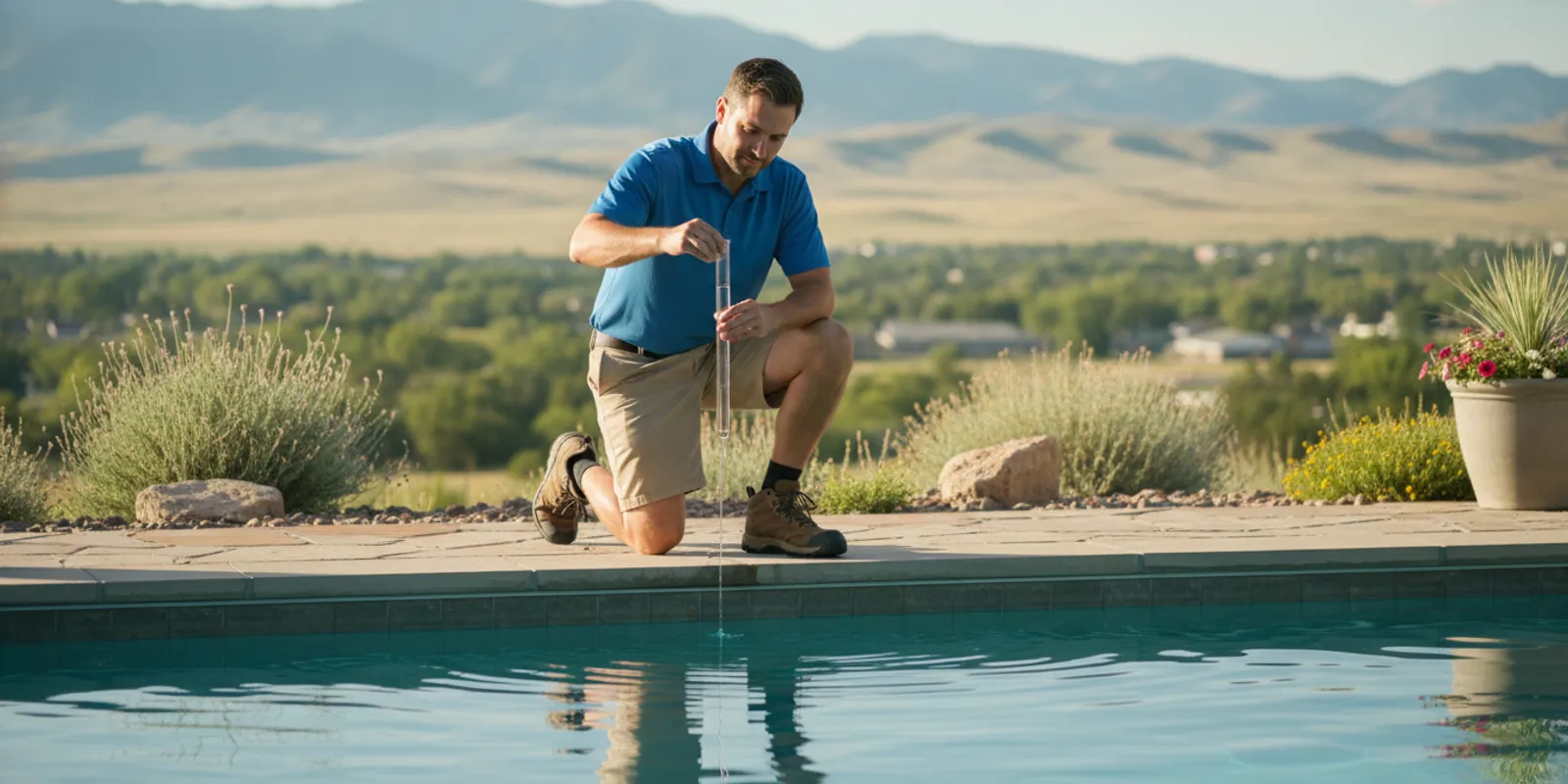
When pool water looks clear, it can still be out of balance. Professional pool water testing services turn a water sample into specific readings that help an owner decide what to adjust, what to retest, and whether a problem may involve equipment rather than chemistry. For Denver homeowners and property managers, understanding the process makes it easier to ask useful questions and avoid treating the pool by guesswork.
Ask Neptune Pools about your pool water concerns.
What do pool water testing services measure?
A professional test is more than a quick look at the water. It measures selected chemical properties and compares the results with the pool's needs. The exact panel depends on the test method, the water issue, and the type of pool. Ask which readings are included rather than assuming every service checks the same things.
Common readings may include:
- Sanitizer level: A measurement of the active sanitizer, such as chlorine, helps show whether the water has an adequate disinfectant residual. The result must be interpreted alongside the pool's condition and treatment history.
- pH: pH describes how acidic or basic the water is. It affects swimmer comfort, sanitizer performance, and the tendency of water to contribute to scale or corrosion.
- Total alkalinity: This indicates the water's capacity to resist rapid pH shifts. It helps explain why a pH reading may be difficult to keep stable.
- Calcium hardness: Calcium content matters to water balance and can affect scaling or surface concerns. The appropriate interpretation depends on the pool surface and other readings.
- Cyanuric acid: In pools using stabilized chlorine, this reading helps put the sanitizer result in context. A chlorine number without the relevant supporting readings can be misleading.
- Other readings when indicated: Salt level, metals, phosphates, or other measures may be useful for a particular system or symptom. These are not necessarily part of every basic analysis.
Testing should answer a question. For example, if water is cloudy, the report can help determine whether sanitizer or balance readings need attention, but it does not automatically prove the filter is working correctly. If staining is present, a relevant metals test may be worth asking about. The right panel depends on what you see and what has recently been added to the water.
How does a professional test differ from a home test?
Home strips and drop-based kits are useful for routine checks, but their precision and range depend on the kit, how it is stored, and how carefully it is used. Professional testing can use calibrated instruments or controlled methods and may provide a broader panel. Even then, a test is only as useful as the sample and the explanation that follows it.
Use a home kit when you need a quick check or are monitoring a known treatment plan. Consider professional analysis when readings seem inconsistent, a recurring issue persists, the pool is being opened or returned to service after a major event, or you need help interpreting several results together. A test does not replace visual inspection or equipment troubleshooting.
| Option | Best suited to | What to confirm | Limit to keep in mind |
|---|---|---|---|
| Home test strip | Quick screening of a few common readings | Expiration date, storage, and which results the strip reports | Color matching and limited test range can make small differences hard to read |
| Home drop-based kit | Regular owner checks with a defined procedure | Reagent freshness, sample volume, and instructions for each test | Technique matters; it may not include specialized tests |
| Professional pool analysis | Conflicting readings, persistent symptoms, or a need for broader interpretation | Included measurements, sample handling, and whether recommendations are explained | Results describe the submitted sample at that time, not every condition in the pool |
| Laboratory analysis | A suspected contaminant or a question requiring a specific lab method | Whether the lab accepts that sample type and its collection instructions | May not be designed to provide a complete pool chemistry treatment plan |
A home result and a professional result can differ without either test being deliberately wrong. The sample may have been collected at a different place or time, the pool may have circulated between tests, or a home reagent may be old. When numbers conflict, repeat the test with a fresh, properly collected sample before making a large adjustment.
When should you seek professional testing?
Think of professional testing as a problem-solving tool, not just a way to obtain a number. It can be useful when the usual routine no longer explains what is happening. Examples include:
- Water stays cloudy or develops an unusual color after ordinary cleaning and circulation.
- Home test results vary sharply from one check to the next, or do not fit the pool's appearance.
- A sanitizer reading remains difficult to interpret after a product has been added.
- Scale, staining, surface irritation, or recurring deposits raise a specific chemistry question.
- A pool has experienced heavy debris, a significant water replacement, or an equipment problem that may have changed water conditions.
- You are preparing for a service visit and want a qualified person to review water chemistry alongside the pool's physical condition.
Do not try to solve every symptom by adding more chemicals. Water that appears green, for example, can have more than one cause. A water test can guide the chemistry portion of the investigation, while inspection of circulation, filtration, and the pool itself may be needed to complete the diagnosis. If the problem seems tied to a pump or filter, Neptune's equipment repair and servicing information describes another part of the troubleshooting picture.
How should you collect a useful water sample?
If a service provider asks you to bring a sample, follow that provider's instructions first. Good collection reduces the chance that a result reflects a contaminated container or an unrepresentative scoop rather than the pool.
- Use a clean container. Choose the container specified by the tester. Residue from soap, drinks, or other chemicals can alter a small sample.
- Collect below the surface. Unless the tester directs otherwise, take water from a representative area away from a return jet, skimmer opening, steps, or a spot where chemicals were just poured.
- Rinse only as instructed. Some testing methods call for rinsing the container with pool water; others may require a supplied bottle or a particular handling procedure. Follow the lab or service provider's directions.
- Label and deliver promptly. Note the date and time, pool location, and any relevant recent treatment. Ask how quickly the sample should be tested and whether it needs special storage.
- Share context. Tell the tester about recent chemical additions, water replacement, unusual weather or debris, and the symptom you are trying to understand.
For a question involving microorganisms or another specific contaminant, use a laboratory process designed for that question instead of assuming a standard pool chemistry panel covers it. The Colorado Department of Public Health and Environment State Public Health Laboratory water testing page describes microorganism testing and sample-submission instructions. Confirm directly with the lab that it accepts the particular pool-water sample and test requested; the page should not be read as a complete pool chemistry service.
How do you turn test results into a treatment plan?
A useful report connects the readings with a measured next step. Before changing the water, make sure you know which result is outside the desired range for your pool and what adjustment the tester recommends. Ask whether that recommendation assumes a particular pool volume, sanitizer system, or surface type.
Work through the report in this order:
- Check the sample and the date. Verify that the report belongs to the right pool and reflects a sample taken before any later chemical additions.
- Review related readings together. A sanitizer result, for instance, is easier to understand with supporting measurements. Avoid treating one isolated number as a full diagnosis.
- Clarify the dose basis. Confirm the pool volume used for any product direction and whether the instruction is a one-time adjustment or a repeated process. Follow product labels and professional directions.
- Make one controlled change at a time. Adding several products at once makes it harder to tell what helped and can create avoidable risks. Never mix pool chemicals together.
- Allow the prescribed circulation and retest interval. Follow the test provider's guidance on when a new sample will represent the adjusted water.
- Escalate unresolved symptoms. If readings move into the expected range but the problem remains, investigate filtration, circulation, contamination, or physical surfaces instead of continuing to add products.
Keep the report with a short log of the date, readings, treatments, and observations. That history helps a technician distinguish a one-time imbalance from a repeating pattern. Neptune Pools provides pool supplies, chemicals, and testing information; an owner can ask which products or next steps fit the actual test results rather than selecting a treatment from appearance alone.
Contact Neptune Pools to discuss a pool water or maintenance concern.
What should Denver pool owners consider?
Denver's changing weather means one test report is a snapshot, not a permanent guarantee. A sudden rain, windblown debris, a cold snap, a water addition, or increased use can change the conditions a pool owner is managing. Elevation and local operating conditions also make it important to interpret results for the actual pool rather than copy a generic instruction without context.
Colorado's outdoor season also includes opening and closing work. If you are coordinating chemistry with a seasonal service visit, share the recent history and ask which measurements are included. A pool cleaning and maintenance plan may address routine care, while a focused water test can help investigate a particular concern. They are related tasks, but they are not interchangeable: a chemistry result does not document every cleaning or equipment check.
For property managers and HOAs, keep a consistent record of samples, test results, actions, and follow-up checks. Assign a person to communicate changes to the service provider so that different people do not unknowingly repeat treatments. Neptune serves Denver Metro communities; see its HOA pool service information or service area details to review relevant local options.
What should you ask before choosing a testing service?
A few direct questions can show whether a test will answer your question:
- Which readings are included, and which require an additional test?
- Should I bring a sample, or will you test the pool on site?
- How should the sample be collected and handled?
- Will someone explain how the measurements relate to the symptom I described?
- Are recommendations based on my pool volume and equipment, and what should I do before retesting?
- If the chemistry looks acceptable but the problem continues, what other inspection may be appropriate?
For Denver-area service information, review Neptune Pools' pool services and its pool care FAQs. Details of what is available can depend on the service requested, so confirm the scope directly rather than assuming a general chemistry test includes cleaning, repair, or laboratory analysis.
Request help deciding what your pool needs next.
Frequently asked questions
Does clear pool water mean the chemistry is correct?
No. Appearance alone cannot confirm sanitizer level or water balance. Use an appropriate test and consider the pool's operating history before deciding whether treatment is needed.
Can a professional test identify every cause of cloudy water?
No. A chemistry panel can reveal readings that may contribute to a problem, but cloudy water can also involve circulation, filtration, debris, or other conditions. Persistent symptoms may call for equipment and pool inspection as well as testing.
Should I add chemicals before getting a sample tested?
Unless there is an immediate safety direction from a qualified professional or product label, collect the sample before making a new adjustment. Tell the tester what has already been added, since treatment can affect the readings.
Is a pool chemistry test the same as a microorganism test?
No. Routine pool chemistry testing and laboratory analysis for microorganisms answer different questions and may use different collection procedures. Confirm the test method and sample requirements with the service provider or laboratory.
What if my home kit and professional result disagree?
Check whether both samples were collected at similar times and whether your kit and reagents are in good condition. Ask the tester to explain the difference, then follow a consistent method for a repeat test before making a major adjustment.
A clear testing process gives you more than a set of numbers: it helps connect a symptom to a measured next step. Share the pool's history, ask what the analysis covers, and follow up if the water or equipment does not respond as expected.
Related Blogs

