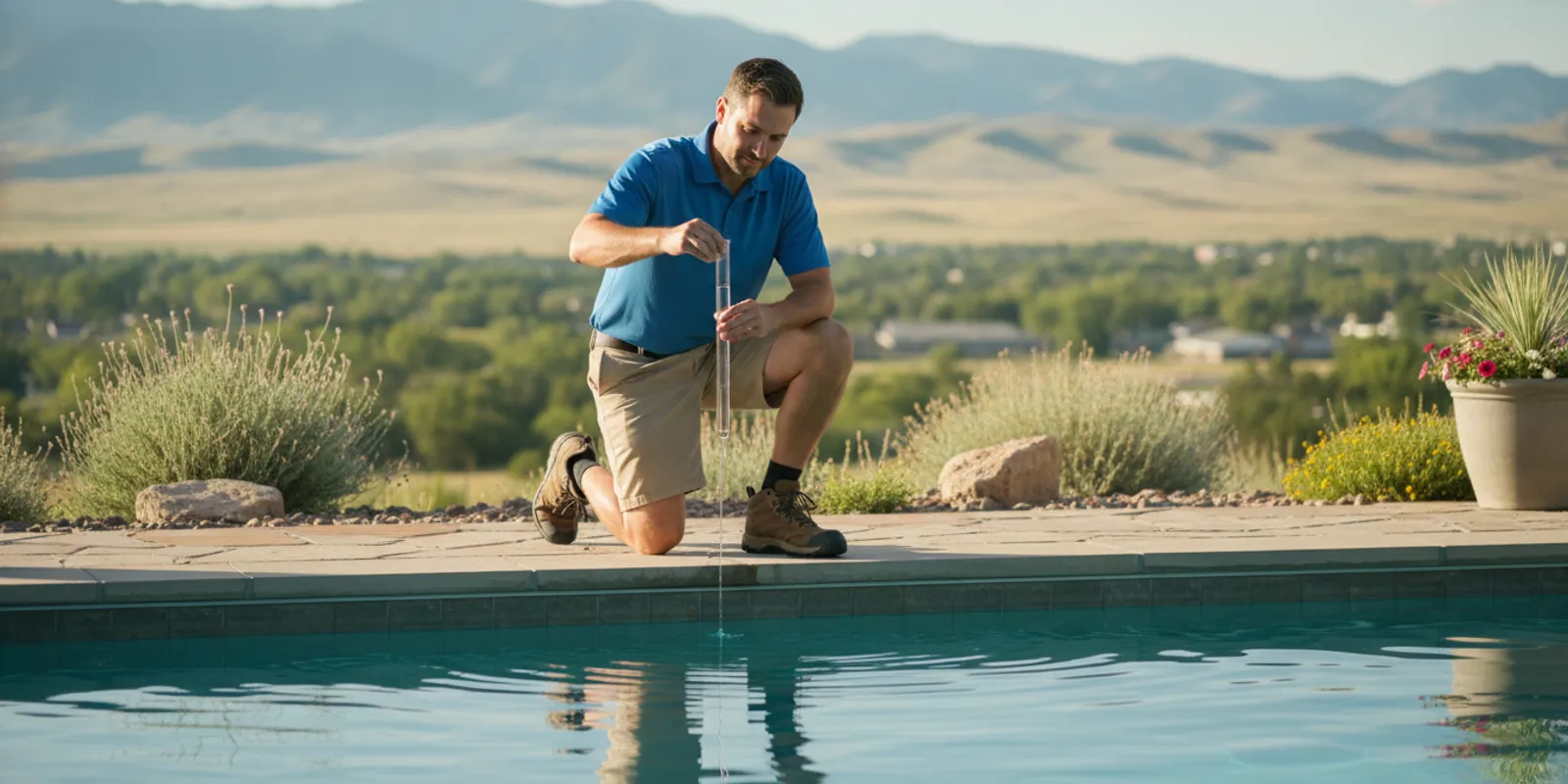
Hot Tub Repair Estimate in Denver: What It Should Include

Denver hot tubs face challenges that homeowners in warmer areas may not encounter. Freezing temperatures can damage plumbing, pumps, heaters, and fittings, while hard water and inconsistent maintenance can place extra strain on equipment. When something goes wrong, a hot tub repair estimate in Denver should reflect more than the replacement part alone. The technician should identify the root cause, inspect surrounding components, and explain whether the damage may be related to freeze exposure or water chemistry. A written estimate gives you a practical way to review the repair plan, ask questions, and decide what needs attention now.
Ready for a cleaner pool?
Denver's trusted pool care professionals since 1982. Get started today.
Schedule ServiceKey Takeaways
- Ask for a complete written estimate: Confirm that it explains the diagnosis, recommended work, parts, labor, service fees, exclusions, timeline, approval process, and warranty coverage.
- Compare estimates by scope, not price alone: Review part quality, technician experience, scheduling, follow-up policies, and whether the quote is fixed, not-to-exceed, or diagnostic only.
- Prevent repeat hot tub problems: Maintain water chemistry, clean filters, watch for leaks and warning signs, and protect plumbing and equipment from Denver’s freezing weather.
What Should a Denver Hot Tub Repair Estimate Include?
A reliable hot tub repair estimate should explain three things clearly: what is wrong, what work is recommended, and what the work will cost. A single total without supporting details makes it difficult to compare technicians or plan for unexpected repairs. In Denver, the estimate should also account for local conditions, including freeze exposure, aging equipment, access limitations, and seasonal scheduling.
Ask for a written estimate before approving any work. It should identify the diagnosis, repair plan, parts, labor, taxes, travel charges, timing, warranties, and services that are not included. A professional technician should also explain which findings are confirmed and which recommendations are based on the spa’s age, condition, or maintenance history.
When a problem is not fully visible during the first inspection, the estimate should describe what could change after the equipment is opened or the spa is drained. This gives you a clearer idea of the possible cost range. It also helps you decide whether repairing the spa makes sense compared with continued maintenance or replacement.
Diagnostic fees, service calls, and repair credits
Many hot tub companies charge a diagnostic or service call fee for traveling to your property, inspecting the spa, and identifying the cause of the problem. A diagnostic visit commonly costs between $100 and $200, although the amount depends on the company and location. Sundance Spas explains why diagnostic visits are an important part of identifying hot tub problems.
Your estimate should state the fee clearly and explain what it covers. Ask whether it includes electrical testing, leak detection, written recommendations, and travel. Some companies apply the diagnostic charge toward an approved repair, while others bill it separately regardless of whether you proceed. Confirm this policy before scheduling the visit so you understand your minimum cost.
Repair scope, diagnosis, and exclusions
The estimate should describe the confirmed problem in plain language, rather than listing only a part name or error code. For example, “replace circulation pump after failed flow testing” gives you more useful information than “pump repair.” The scope should state whether the technician will drain the spa, remove access panels, test electrical connections, repair plumbing, or replace damaged equipment.
Ask the technician to list exclusions as well. An estimate may cover a heater replacement but not water treatment, cabinet repairs, concealed plumbing leaks, or damage discovered after the equipment is opened. Centennial Hot Tub Service recommends confirming whether draining, refilling, filter care, water treatment, and equipment repairs are included when comparing quotes.
Itemized labor, parts, taxes, travel, and disposal
A useful estimate separates labor from parts and identifies other charges, including taxes, travel, disposal, and service fees. This makes it easier to compare two estimates that appear different at first glance. One company may include travel in its labor rate, while another may list it separately.
Look for the estimated labor hours, hourly rate, diagnostic fee, replacement part cost, and disposal charge for old equipment. Hot Spring Spas recommends reviewing itemized costs for labor, parts, taxes, travel, and disposal. If the final cost depends on what the technician finds after opening the equipment area, ask for a not-to-exceed amount and written approval requirements before additional charges apply.
Part specifications, compatibility, quality, and availability
The estimate should identify each replacement part by manufacturer, part number, size, voltage, horsepower, or other relevant specifications. This matters because pumps, heaters, control boards, sensors, and unions are not universally interchangeable. The correct part must match your spa’s brand, model, electrical system, and existing equipment.
Ask whether the technician plans to use an original equipment manufacturer part, an aftermarket component, a rebuilt part, or another compatible replacement. Each option may have a different price and warranty. Older spas can require additional research because original components may be discontinued or difficult to source. Hot Spring Spas notes that limited part availability can increase repair costs when technicians need to locate an alternative or modify the installation.
Timeline, access, approvals, and change orders
Your estimate should include an expected start date, repair timeline, and factors that could delay completion. If a part must be ordered, ask whether the schedule depends on supplier availability. You can also ask about the technician’s current appointment schedule before approving the work, as recommended by Centennial Hot Tub Service.
The document should explain what access the technician needs, including clear space around the cabinet, electrical equipment, gates, or indoor spa rooms. It should also state when payment is due and how additional work will be approved. A written change order, text confirmation, or signed approval can prevent confusion if the technician finds a second leak, damaged wiring, or another issue after the initial inspection.
Parts and workmanship warranties
A complete estimate should state the warranty period for replacement parts and workmanship. These warranties may be separate. For example, a pump manufacturer may provide one warranty period, while the technician covers installation labor for a shorter or longer period. Ask what the warranty covers, how to request service, and whether labor is included if a replacement part fails.
You should also ask about exclusions. Coverage may not apply to damage caused by freezing, poor water chemistry, electrical surges, neglect, or modifications made by another contractor. Hot Spring Spas explains that warranty coverage can vary by spa component and manufacturer. Keep the estimate, invoice, parts documentation, and care instructions together in case you need follow-up service.
Required repairs, maintenance, and water treatment
Some repair visits uncover maintenance problems that should be addressed before new equipment is installed. Poor water chemistry, clogged filters, low water levels, and scale can place additional strain on pumps, heaters, and plumbing. If these conditions affect the repair, the estimate should list them separately instead of combining everything into one unexplained charge.
Ask whether the quoted work includes draining and refilling the spa, cleaning or replacing filters, balancing water chemistry, removing scale, or treating contaminated water. Leslie’s explains how regular maintenance and water treatment can help reduce costly hot tub repairs. The technician should distinguish between work required to complete the repair and optional maintenance that can support reliable operation.
How Do Denver Technicians Set Hot Tub Repair Prices?
A professional hot tub repair estimate is based on more than the symptom you notice. A technician must identify the root cause, inspect the spa’s overall condition, check whether replacement parts are available, and account for the time and safety requirements involved. Two hot tubs displaying the same error code may need very different repairs.
Denver conditions can also affect the final price. Freeze exposure, equipment access, electrical requirements, and travel across the Metro area may add time or require additional testing. A local technician should explain what they found, separate necessary repairs from optional maintenance, and provide a written estimate before starting additional work.
The estimate should also make it easier to choose between repairing and replacing the spa. A minor repair may be a practical solution for a newer unit in good condition. An older spa with a damaged shell, outdated controls, and several failing components may require a different conversation. For general guidance, Hot Spring Spas explains the factors that affect hot tub repair costs.
Problem type, severity, and root cause
The type and severity of the problem are among the first factors a technician considers. A clogged filter, worn gasket, or loose fitting may take less time to correct than a failed heater, damaged control board, or concealed plumbing leak. The visible symptom does not always reveal the underlying cause.
For example, a hot tub that will not heat could have a failed heater, poor water flow, an air lock, a faulty sensor, or an electrical problem. Replacing parts before testing the system can lead to unnecessary costs. Diagnostic time allows the technician to inspect the spa, test individual components, and confirm which repair is appropriate.
Brand, model, age, condition, and replacement value
Technicians typically request the hot tub’s make, model, serial number, and approximate age before preparing an estimate. These details help them identify compatible parts and determine whether the repair may fall under a manufacturer warranty. They also provide useful context about the spa’s overall condition.
An older hot tub may need several repairs because multiple components have reached the end of their service life. A newer spa with one failed part may be a better repair candidate. The estimate may account for the shell, insulation, cabinet, plumbing, controls, and previous repair history. Comparing the expected repair cost with the unit’s replacement value can help you make a practical decision.
Pumps, heaters, control boards, valves, jets, and plumbing
The component involved has a significant effect on the estimate. Pumps, heaters, control boards, valves, jets, and plumbing require different testing procedures, labor times, and replacement parts. A circulation pump may be easy to reach, while a leak behind the cabinet can require extensive disassembly.
Parts prices also vary by brand and specification. A control board must match the spa’s voltage, configuration, and operating system. Ask whether the estimate includes an original manufacturer part, a compatible aftermarket component, or another option. Sundance Spas outlines common hot tub ownership expenses, including expenses related to major equipment and replacement parts.
Diagnostic time, labor, access, and travel distance
A repair estimate may include a service call, diagnostic fee, labor, or a combination of these charges. Diagnostic time covers the inspection, electrical testing, leak tracing, error code review, and other work needed to identify the failure. A simple issue may be resolved during the first visit, while a complex problem may require additional testing.
Access can affect labor as well. Tight equipment compartments, enclosed decks, landscaping, and limited clearance can make a repair more difficult. Travel distance may also influence service charges for properties outside a technician’s regular route. Before scheduling, ask whether travel is included, how the diagnostic fee is applied, and whether it is credited toward approved repair work.
Denver’s climate, freeze exposure, and seasonal demand
Denver’s cold winters create additional risks for outdoor hot tubs. If water remains in plumbing lines during a freeze, it can damage pipes, fittings, manifolds, and pump housings. A technician may need to inspect several connected components instead of focusing only on the original symptom.
Seasonal demand can affect appointment availability and repair timing. Service requests may increase after a hard freeze or during spring openings. Weather can also affect drainage, access, and safe working conditions. A technician familiar with Colorado conditions is more likely to check for freeze-related damage and recommend appropriate winter protection. Patio Splash discusses seasonal factors that affect hot tub ownership and service timing.
Part availability and manufacturer supply chains
Replacement part availability can change both the cost and timeline of a repair. Common filters, seals, sensors, and fittings may be easy to source. Older control boards, specialized pumps, and brand-specific components may require a longer order period. Discontinued models can be more difficult and expensive to repair.
A technician may suggest an approved compatible part when the original component is unavailable. The estimate should explain any differences in specifications, warranty coverage, and expected service life. Ask whether the quoted price includes shipping, sourcing, and return handling. If a part must be ordered, confirm when payment is due and what happens if the part is delayed or unavailable.
Electrical testing, GFCI concerns, permits, and safety requirements
Electrical faults require careful testing because water and electricity create serious safety risks. A technician may inspect wiring, connections, breakers, disconnects, sensors, and the ground-fault circuit interrupter, commonly called a GFCI. If the GFCI repeatedly trips, resetting it without finding the cause may leave a dangerous problem unresolved.
Some electrical work may require a qualified electrician, permits, or inspections, depending on the repair and local requirements. The estimate should state whether electrical testing is included and identify work outside the technician’s scope. The Consumer Product Safety Commission provides hot tub safety guidance, including information about proper electrical protection. If you notice burning smells, damaged wiring, sparks, or repeated breaker trips, turn off power and avoid using the spa until it has been inspected.
Drainage, cleaning, filters, and water chemistry
Water condition can affect both the diagnosis and the repair. Dirty filters may restrict flow, trigger error codes, and place additional strain on pumps and heaters. Poor water chemistry can damage seals, heaters, plumbing, and other components over time. A technician may recommend draining, cleaning, replacing the filter, or treating the water before testing the system again.
These services may appear as separate line items from equipment repairs. That distinction helps clarify what each charge covers. Cleaning and chemical balancing may correct a water quality or flow issue, but they will not repair a failed pump or cracked pipe. Neptune Pools offers spa services for cleaning, water care, and ongoing hot tub maintenance.
Cost categories instead of one-size-fits-all pricing
Hot tub repair pricing is easier to understand when the estimate separates each cost category. Common line items include the diagnostic or service call fee, labor, parts, electrical work, travel, disposal, taxes, and follow-up visits. A detailed estimate should show which charges are fixed and which could change if the technician finds additional damage.
Ask whether the quote is fixed, not-to-exceed, or diagnostic only. You can also ask the technician to list required repairs, recommended maintenance, and optional improvements separately. This prevents routine cleaning or upgrades from being confused with urgent equipment work.
When the projected repair cost is substantial, compare it with the spa’s age, condition, remaining warranty, and replacement value. Jacuzzi recommends considering repair costs alongside the value and condition of the hot tub. This information gives you a clearer basis for deciding whether to repair the unit, postpone the work, or consider replacement.
What Common Hot Tub Repairs Affect Denver Costs?
Hot tub repair costs in Denver depend on more than the failed part. A worn seal may be relatively simple to replace, while a leak hidden behind insulation can require extensive labor to locate and access. The spa’s brand, age, condition, equipment layout, and repair history also affect the estimate.
Colorado’s freeze-thaw cycles add another consideration. Water trapped in plumbing or fittings can expand during a freeze, causing cracks that remain hidden until the spa is refilled. Seasonal demand and parts availability may also affect scheduling and pricing. A clear diagnosis helps you understand whether the issue involves routine maintenance, a replaceable component, or damage affecting several systems.
Neptune Pools provides spa services throughout the Denver Metro area, including hot tub maintenance, troubleshooting, and repair support. Before approving work, ask the technician to explain the suspected cause, recommended repair, parts, labor, and any conditions that could change the estimate.
Shell, plumbing, seal, and fitting leaks
Leaks can come from a cracked shell, worn gasket, loose union, damaged jet body, drain fitting, plumbing connection, or seal around a pump or heater. Water may travel along the frame, so the visible puddle is not always near the source. Finding the leak may require draining the spa, removing cabinet panels, checking plumbing connections, and testing the system after the repair.
Basic hot tub leak repairs often cost between $125 and $600, according to Yelp’s hot tub repair cost guide. The final price depends on access, the number of leaks, and whether insulation must be removed or replaced. A deteriorated shell, multiple failed fittings, or water damage around the equipment can make the repair more extensive.
Heater, flow, and temperature failures
A hot tub that will not heat may have a failed heater element, restricted water flow, a clogged filter, an air lock, a pressure switch problem, or a control-system fault. Low water flow can cause the heater to shut down for safety, so replacing the heater without correcting the restriction may not solve the problem.
Heater elements commonly cost between $400 and $800 to replace and may last roughly eight to 12 years, according to Sundance Spas. Labor, electrical testing, model compatibility, and access affect the total. A technician should check voltage, sensors, circulation, and error codes before recommending replacement. If the heater works but water stays cool, the cover, thermostat, temperature sensor, or flow system may be responsible.
Pump, jet, and circulation problems
Pump problems can reduce jet pressure, interrupt filtration, prevent heating, or cause water to move poorly through the spa. Common signs include weak jets, a pump that hums without starting, rattling or grinding, a leaking pump seal, or a circulation pump that runs continuously. A clogged intake, closed valve, air lock, worn impeller, or failed motor can create similar symptoms.
Circulation and jet pump replacements may range from $400 to $900, based on Sundance Spas’ ownership cost information. The correct repair depends on voltage, horsepower, flow rate, plumbing connections, and control compatibility. Sometimes a seal, capacitor, or other smaller component is all that needs replacement. Neptune Pools provides equipment repair and servicing to help identify the cause before you pay for a complete pump assembly.
GFCI, wiring, control panel, and board faults
Electrical symptoms can come from several different components. A tripped GFCI may indicate moisture, damaged wiring, a failing heater, a pump fault, or another electrical problem. Repeated trips should not be treated as a minor inconvenience. The GFCI may be responding to a condition that could cause shock or fire.
Control panels, circuit boards, relays, sensors, and wiring can fail because of age, moisture, power surges, or poor connections. Control boards may cost between $500 and $1,500, according to Sundance Spas. The estimate may include diagnosis, programming, connectors, and testing after installation. A qualified technician should identify the failed circuit instead of replacing the board based only on a display message or breaker trip.
Filter, sanitation, and water chemistry problems
Not every hot tub issue requires a replacement part. A dirty filter, low sanitizer, unbalanced water, high calcium levels, or excessive debris can restrict flow and strain the pump, heater, and plumbing. Cloudy water and unpleasant odors may also result from poor circulation or inadequate cleaning rather than equipment failure.
Filter replacements typically cost between $30 and $120, according to Jacuzzi’s hot tub maintenance guide. An estimate may also include draining, cleaning, refilling, water testing, and chemical adjustment. Regular care helps reduce buildup that can damage equipment. Neptune Pools offers spa chemicals and maintenance products for homeowners who manage routine water care between professional service visits.
Freeze-damaged plumbing and cracked fittings
Denver winters can damage hot tub plumbing, manifolds, pumps, and fittings when water remains trapped in exposed areas. If the power goes out during a freeze, or the spa is drained without proper winterization, expanding water can split pipes and equipment housings. The damage may not appear until the spa is refilled and the system begins operating.
A cracked fitting may be simple to replace, while plumbing damage behind insulation can require much more labor. Several failed components, waterlogged insulation, or limited access can increase the estimate. Older spas may cost more when original parts are difficult to find. Hot Spring explains how parts availability can affect repair pricing when technicians need compatible aftermarket components. Ask whether the estimate includes insulation removal, drying, replacement, and future freeze protection.
Error codes, unusual noises, odors, and pressure changes
An error code can guide a diagnosis, but it does not always identify the failed part. A flow code may result from a dirty filter, low water, an air lock, a blocked intake, a circulation pump, or a sensor. A high-limit warning may involve water flow, the heater, or the control system.
Pay attention to changes in sound, smell, water level, and jet pressure. Grinding may indicate a worn pump bearing, while buzzing can point to a relay or electrical problem. A burning odor, musty smell, sudden leak, or rapid pressure change deserves prompt attention. As Fun Outdoor Living notes, a trained technician may find a small leak or unusual pump sound before it becomes a larger repair. Photos or videos of the symptom can also help with initial troubleshooting.
Maintenance issues versus equipment failures
Maintenance problems can create symptoms that look like equipment failures. A clogged filter may reduce jet pressure and trigger a heater error. Low water can cause a flow warning, while poor water chemistry can damage seals, heaters, and pumps over time. A loose cover or damaged insulation may also make the spa work harder to maintain its temperature.
Equipment failure becomes more likely when the problem continues after cleaning, proper water levels, and filter care. A pump leaking from its shaft seal, a heater that fails electrical testing, or a control board that will not communicate with connected components may require parts and labor. Jacuzzi recommends regular maintenance to help extend equipment life. Your estimate should explain whether the work addresses the root cause or only restores short-term operation.
Misconceptions that lead to poor repair decisions
One common mistake is assuming that adding more chemicals will correct every water problem. Over-treating a spa can damage surfaces and equipment, waste money, and make the water harder to balance. Fun Outdoor Living explains the risks of excessive treatment, which can be as problematic as using too little sanitizer.
Another mistake is replacing the most expensive component first. A heater error does not automatically mean the heater has failed, and weak jets do not always require a new pump. Delaying a small leak or noisy motor can also allow nearby components to suffer water or heat damage. Ask the technician to explain the diagnosis, repair options, expected outcome, and likely consequences of waiting. This information helps you base the decision on evidence instead of guesswork.
Electrical hazards and when to shut down the hot tub
Turn off the hot tub at the disconnect or breaker if you notice a burning odor, smoke, melted wiring, sparks, repeated GFCI trips, or unusual electrical sounds. Do not enter the water while investigating an electrical issue, and do not repeatedly reset the breaker to keep the spa operating. Water and electricity create a serious safety risk when wiring, grounding, or protective devices are damaged.
A technician should inspect the GFCI, wiring, connections, heater, pump, and control equipment before restoring power. Hot Spring recommends shutting down a hot tub when unusual smells or sounds suggest an electrical hazard. Keep the equipment area dry, and do not open electrical enclosures unless you have the required training. If the problem involves wiring, grounding, or a breaker, ask whether a licensed electrician should participate in the repair.
How Can You Get an Accurate Hot Tub Repair Estimate?
A useful hot tub repair estimate starts with accurate information. The more detail you provide, the less time a technician may need to identify the problem, and the easier it becomes to compare quotes from different companies. Repair costs can vary based on the spa’s manufacturer, size, age, location, warranty coverage, and the type of failure involved, according to Hot Spring Spas.
Before contacting a Denver Metro spa technician, gather your records, take clear photos, and write down what you have noticed. Then request a written estimate that explains the diagnosis, recommended work, parts, labor, exclusions, and warranty. For leaks, electrical faults, intermittent problems, and complex repairs, an onsite inspection is usually more reliable than a price based only on a phone call.
A complete estimate should also explain what happens if the technician finds additional damage. Ask how the company handles approvals, change orders, follow-up visits, and parts that are unavailable. This gives you a clearer picture of the likely total cost and helps you make an informed repair decision.
Gather the make, model, age, serial number, and warranty details
Start by locating the hot tub’s make, model, serial number, and approximate purchase date. The information may appear on a plate inside the equipment compartment, beneath the control panel, or on the cabinet frame. Keep the owner’s manual, purchase receipt, installation paperwork, and previous service invoices nearby.
Tell the technician whether the spa has manufacturer, dealer, or extended warranty coverage. Warranty terms may affect which parts can be installed and whether the manufacturer must authorize the repair. They may also prevent you from paying for a covered component.
The spa’s age and condition matter, too. A newer hot tub may justify replacing a failed component, while an older unit with repeated problems may require a repair-versus-replacement comparison. Complete equipment details help the technician identify compatible parts before preparing the estimate.
Record symptoms, error codes, timing, and recent changes
Write down exactly what the hot tub is doing. Note whether it fails to heat, shuts off, trips the breaker, loses water, makes unusual sounds, or displays an error code. Include when the issue began and whether it happens continuously or only during heating, filtration, or jet cycles.
Take a photo of each error message before resetting the controls. Record recent changes, such as a drain and refill, filter replacement, power outage, storm, chemical treatment, or equipment adjustment. These details may connect the symptom to a flow, electrical, water chemistry, or control problem.
Avoid guessing at the failed part. A “no heat” issue could involve the heater, circulation pump, flow sensor, filter, wiring, or control board. A clear symptom log gives the technician a better starting point and helps ensure the estimate addresses the underlying cause.
Share repair history, maintenance records, leaks, and freeze exposure
Give the technician a record of previous repairs, including dates, replaced parts, service companies, and unresolved concerns. Maintenance records can show how often the spa has been drained, cleaned, tested, and serviced. If you use a professional provider for spa services, ask whether prior service notes can be reviewed before the appointment.
Point out active or past leaks, even if the water loss seems minor. Mention unusual pump or motor noises, recurring error codes, cloudy water, strong odors, or pressure changes. A trained technician may spot small issues, such as a minor leak or unusual pump sound, before they become more expensive repairs.
Denver’s freeze conditions make seasonal history especially relevant. Tell the technician if the hot tub lost power during cold weather, was left unused without proper winter protection, or had exposed plumbing. A small crack or damaged fitting may not become visible until the spa is filled and heated again.
Send photos of the spa, cabinet, controls, and equipment area
Photos cannot replace an inspection, but they can help a technician prepare for the appointment. Take clear images of the entire hot tub, manufacturer label, control panel, error messages, cabinet panels, and equipment compartment. Include close-ups of pumps, heaters, valves, unions, visible plumbing, leaks, and damaged fittings.
Photograph the space around the spa as well. A technician may need to know whether there is enough room to remove a cabinet panel or reach the equipment. If the hot tub sits against a wall, inside a deck, or behind a gate, include those details when requesting service.
Send original, well-lit images rather than heavily cropped photos. If water is collecting inside the cabinet, show its location and approximate level, but do not reach into a wet equipment compartment. Photos can help identify likely parts, access requirements, and the need for an onsite diagnostic visit.
Request an onsite inspection for leaks, electrical faults, and complex repairs
Ask for an onsite inspection when the problem involves a leak, electrical fault, intermittent shutdown, repeated breaker trips, suspected freeze damage, or several symptoms at once. These conditions often require testing that cannot be completed accurately from photos or a phone description.
During the visit, a qualified technician may inspect plumbing, pumps, heaters, controls, flow, wiring, and safety components. They can also look for issues that are easy to miss, such as water inside the cabinet, a restricted filter, damaged insulation, or a fitting that leaks only while the system is running.
Electrical problems require particular care. Turn off the spa at the appropriate disconnect or breaker if you notice burning smells, melted wiring, sparks, exposed conductors, or repeated GFCI trips. Do not open a wet equipment compartment or attempt electrical testing yourself. Ask whether the inspection fee is credited toward an approved repair.
Ask whether the estimate is fixed, not-to-exceed, or diagnostic only
Before approving service, ask what type of estimate you will receive. A fixed estimate states the agreed price for a defined scope of work. A not-to-exceed estimate sets a maximum amount unless you approve additional work. A diagnostic-only estimate covers inspection and testing, but not necessarily the repair.
The estimate should identify included costs, such as labor, parts, travel, testing, water removal, cleanup, tax, and disposal. It should also list exclusions, including concealed plumbing damage, electrical work outside the spa, structural repairs, or additional visits.
Ask whether the diagnostic fee applies if you decline the repair. Confirm whether the company credits that fee when you authorize the recommended work. A written explanation makes it easier to compare estimates and reduces the chance of unexpected charges after the visit.
Confirm how technicians handle unexpected findings and change orders
Hot tub repairs can reveal additional damage after a cabinet is opened or a component is removed. Before work begins, ask the technician to explain the approval process. A reputable company should contact you with the new diagnosis, added cost, and reason for the change before performing work outside the agreed scope.
Find out whether approval must be given by phone, text, email, or signed document. Ask whether the technician provides photos of concealed damage, a revised written estimate, or an updated completion date. This process matters when a leaking fitting has damaged insulation or a failed component has affected another part of the system.
Also ask what happens if the proposed repair does not resolve the problem. Further diagnostic time may be billed separately, or the company may offer a credit for follow-up testing. Equipment repair and servicing should include clear communication about findings, approvals, and next steps.
Prepare safe access to the hot tub and equipment compartment
Make the service area accessible before the appointment. Clear furniture, toys, planters, covers, and other items from around the spa. If the equipment compartment has a removable panel, locate the fasteners or access key, but do not remove the panel if doing so would expose wet or energized equipment.
Keep pets indoors and make sure the technician can reach the electrical disconnect, control panel, pump area, and nearby plumbing. Tell the company about narrow gates, stairs, deck openings, locked areas, or other access concerns when scheduling. Difficult access may affect labor time or require additional preparation.
Do not drain the hot tub unless the technician asks you to. The water level and operating condition may help identify a leak, flow problem, or heating issue. If the spa is losing water quickly, shut down the equipment as directed and explain where the water is going. Safe, unobstructed access helps the technician inspect the system without unnecessary delays.
Get two or three estimates for the same repair scope
Getting two or three estimates can help you understand whether a quote is reasonable, but compare the same repair scope each time. Give every company the same make, model, symptoms, photos, service history, and requested work. If one technician includes a full diagnostic inspection while another prices only a replacement pump, the totals are not directly comparable.
Ask each company to separate diagnostic fees, labor, parts, travel, taxes, disposal, and follow-up visits. Confirm whether the quote includes post-repair testing, water replacement, filter cleaning, or cleanup. Review the proposed part carefully, since an OEM, compatible, rebuilt, or aftermarket component may have a different price and warranty.
Price matters, but it should not be the only consideration. Compare the diagnosis, written scope, technician experience, scheduling, parts availability, communication, and warranty. A transparent local provider such as Neptune Pools can help Denver Metro homeowners understand which repair options fit their spa’s condition and expected service life.
How Should You Compare Denver Hot Tub Repair Estimates?
Comparing hot tub repair estimates takes more than choosing the lowest price. Two companies may identify different causes, recommend different repairs, or include different parts and services in their quotes. A detailed estimate gives you a clearer picture of the work and helps you compare technicians fairly.
Ask each company to evaluate the same problem and describe the same repair scope. Confirm whether the estimate includes diagnosis, labor, parts, testing, cleanup, and follow-up service. Neptune Pools offers spa services in the Denver Metro area, helping homeowners understand their repair options before work begins.
Match the diagnosis, repair, and exclusions
Start by comparing what each technician believes is causing the problem. One estimate may recommend replacing a circulation pump, while another may suggest testing the plumbing, heater, or control system first. Ask how the technician confirmed the diagnosis and whether the proposed repair addresses the root cause rather than only the visible symptom.
The estimate should describe the repair in specific terms, such as replacing a heater, repairing a plumbing leak, installing a valve, or troubleshooting an electrical fault. It should also list exclusions, including concealed plumbing damage, cabinet removal, electrical work, draining, water treatment, or additional leaks found after the spa is opened. Clear exclusions reduce surprises once work begins.
Compare the total price, not just the hourly rate
An hourly rate does not tell you the final cost. A company with a higher rate may complete the repair in less time, while a lower rate may come with additional diagnostic hours, travel charges, or return visits. Compare the estimated total, including labor, parts, service calls, and follow-up work.
Ask whether the estimate is fixed, not-to-exceed, or based on an hourly projection. If the technician cannot confirm the final price until inspecting the equipment, request a realistic range and a list of conditions that could change it. Neptune Pools provides equipment repair and servicing for pool and spa systems.
Check diagnostic fees, trip charges, taxes, disposal, and add-ons
Look beyond the listed part and labor costs. Ask whether the diagnostic fee covers the initial visit or is added to the repair bill. Some companies apply that fee toward approved repairs, while others charge it separately. The estimate should explain this before you authorize service.
Confirm whether the price includes travel, taxes, disposal of old parts, draining and refilling, water testing, chemicals, or emergency scheduling. If a second visit will be required after a part arrives, ask whether another service-call fee applies. An itemized quote makes it easier to compare repair proposals and budget for the full job.
Compare OEM, aftermarket, rebuilt, and compatible parts
Ask what type of replacement part the technician plans to install. An OEM part comes from the original manufacturer and is designed for a specific brand or model. An aftermarket or compatible part comes from another supplier and may perform well when it meets the equipment’s specifications. A rebuilt part has been repaired or refurbished, so its condition and warranty may differ.
The right choice depends on the hot tub’s age, the component being replaced, its availability, and your plans for the unit. Request the part number, manufacturer, condition, and warranty for each option. The estimate should also confirm that the proposed component is compatible with your hot tub and explain any performance or warranty differences.
Review parts, labor, and follow-up service warranties
A warranty may cover the replacement part, the installation, or both. Ask how long each warranty lasts, what it covers, and whether labor is included if the part fails. Some manufacturers cover the component but do not cover additional diagnostic or installation charges.
Find out who handles a warranty claim. The repair company may manage the process, or you may need to contact the manufacturer. Ask whether the warranty remains valid if another company later services the hot tub. Written warranty terms help you compare estimates that use different parts and repair methods.
Compare scheduling, turnaround times, and parts availability
A quick inspection does not always mean a quick repair. The necessary component may be backordered or require a second service visit. Ask when the technician can inspect the hot tub, whether the part is available, and how long delivery typically takes.
Request an estimated date for follow-up work and ask how the company handles shipping delays. You should also ask whether the hot tub can safely operate while you wait. An active leak, electrical fault, or heating problem may require the unit to remain off. Clear scheduling is especially important for property managers coordinating access to a home or rental property.
Weigh repair costs against age, condition, and replacement value
A repair often makes sense for a newer hot tub with a sound shell and well-maintained equipment. An older spa with repeated leaks, damaged cabinets, or several failing components deserves a closer review. Consider the proposed repair alongside the unit’s age, maintenance history, energy use, and previous service costs.
Ask whether the problem appears isolated or whether other major components may soon require attention. A high repair estimate does not automatically make replacement the better choice, but repeated repairs can change the calculation. A written assessment from a company that offers repair and remodel services can help you compare practical options.
Confirm technician credentials, insurance, and Denver Metro experience
Ask who will perform the repair and whether that technician has experience with your hot tub’s brand, model, and equipment. Confirm that the company carries appropriate insurance and can safely handle the plumbing, electrical, and mechanical work involved. If the repair includes wiring or a dedicated circuit, ask whether a licensed electrician or permit may be required.
Local experience also matters. Denver-area hot tubs face freezing temperatures, dry conditions, temperature swings, and seasonal use patterns that can affect plumbing, seals, covers, and equipment. A technician familiar with local conditions can offer more useful guidance about winter protection, water care, and recurring failures. Look for a company that explains its process and offers transparent pool and spa service.
Treat vague estimates and unusually low bids with caution
An unusually low estimate may leave out necessary work, rely on a lower-quality component, or assume the repair will be simpler than it is. Ask what the price includes before treating it as a bargain. A quote that only says “fix pump” or “repair leak” does not provide enough detail for a fair comparison.
Be cautious if a technician will not explain the diagnosis, identify the replacement part, discuss warranty terms, or describe how unexpected findings will be handled. Avoid paying the full amount before the unit has been inspected and the work has been approved. A reliable estimate should state the recommended repair, expected cost, exclusions, timeline, and approval process in clear language.
What Happens During a Denver Hot Tub Repair Visit?
A professional hot tub repair visit should provide more than a quick diagnosis and a replacement part. The technician should identify the problem, explain its likely cause, and outline the safest, most practical repair. This process is especially important in Denver, where freezing temperatures, outdoor exposure, hard water, and seasonal use can affect plumbing, heaters, pumps, and electrical components.
Some repairs can be completed in one appointment. Others require a follow-up visit because the technician needs to order a manufacturer-specific part, drain the spa, or bring specialized equipment. A reliable provider should explain the expected timeline, provide pricing before approved work begins, and let you know if the repair scope changes.
The visit generally includes an inspection, system testing, diagnosis, written approval, repair work, final testing, and care instructions. Neptune Pools provides spa services for homeowners throughout the Denver Metro area, including routine maintenance, equipment concerns, and more involved hot tub repairs.
Review symptoms, equipment history, and homeowner concerns
The appointment usually starts with a conversation about what you have noticed. Tell the technician about unusual sounds, weak jets, slow heating, cloudy water, error codes, leaks, or breakers that keep tripping. Explain when the problem began and whether it happens during heating, filtration, or circulation.
The technician may ask for the hot tub’s make, model, age, maintenance schedule, recent repairs, and freeze exposure. Share records of power outages, drained plumbing, changes in water level, or recent chemical treatments. These details can help distinguish an equipment failure from a filter, cleaning, or water care issue.
A clear estimate should identify whether the spa needs a drain and refill, filter service, water treatment, equipment repair, or a combination of services. Neptune Pools also provides cleaning and maintenance when regular upkeep contributes to a hot tub problem.
Test visual, electrical, leak, flow, heating, and control systems
After reviewing the symptoms, the technician inspects the hot tub and equipment compartment. This may include the shell, cabinet, cover, plumbing connections, unions, valves, pump seals, heater housing, filters, and visible wiring. Corrosion, burn marks, cracked fittings, loose connections, and moisture can provide important clues.
Electrical testing may include the GFCI, disconnect, wiring, control pack, sensors, and circuit connections. The technician can also assess circulation, water flow, pump operation, jet performance, heating response, and control panel functions. Some tests require the system to run, while others require the power to be shut off first.
Early testing can prevent a small issue from damaging another component. For example, a leak near a pump can reach electrical parts, while restricted flow can strain a heater or trigger an error code. Neptune Pools offers equipment repair and servicing for hot tub systems that require testing, repair, or replacement.
Explain the root cause and repair options
After testing, the technician should explain the likely root cause in plain language. The explanation should connect your symptoms to the failed, worn, or damaged component. A temperature error, for example, could involve a sensor, poor water flow, a heater, or the control system. Replacing the first visible part may not resolve the underlying problem.
You should also receive practical options when more than one solution is available. These might include repairing a component, replacing it with an original or compatible part, completing related maintenance, or postponing nonessential work. For an older spa, the technician may compare repair costs with the unit’s overall condition and replacement value.
Ask whether delaying the repair could damage another component, whether the proposed fix addresses the cause or only the symptom, and what risks come with each option. Repair guidance from Jacuzzi also recommends weighing repair costs against the price and condition of a replacement spa.
Get written approval before starting work
Before work begins, request a written estimate that identifies the diagnosis, recommended repairs, parts, labor, taxes, service fees, and exclusions. The estimate should state whether the price is fixed, not-to-exceed, or limited to diagnostic work. If the cause has not been confirmed, the estimate should say so.
Written approval confirms that you understand the repair scope and have authorized the listed work. If the technician finds additional damage, they should explain the new finding and receive your approval before adding parts or labor.
Ask about part warranties, workmanship warranties, and service guarantees before authorizing the repair. It is also reasonable to ask about certifications, relevant experience, and insurance. Jacuzzi’s repair guidance recommends reviewing a provider’s qualifications and warranty policies before hiring a technician. Neptune Pools focuses on transparent pricing so Denver homeowners can review the recommended work before moving forward.
Order parts and schedule return visits
Some repairs can be completed during the first visit, while others depend on part availability. Pumps, heaters, control boards, sensors, valves, and specialized fittings may need to be ordered for a specific make and model. The technician should confirm the part number, compatibility, expected arrival, and whether the replacement is original, aftermarket, rebuilt, or otherwise compatible.
Availability can affect both the schedule and final cost. Older hot tubs may have discontinued components, requiring an approved substitute or a larger equipment conversion. Hot Spring Spas explains how part shortages can increase costs when technicians need to source aftermarket replacements.
If a return visit is required, ask what should happen before the technician comes back. The spa may need to remain powered off, drained, covered, or accessible. Confirm whether the follow-up visit carries another service fee and whether the original diagnostic charge applies toward the repair.
Test repairs and document completed work
After installing a part or completing the repair, the technician should test the system instead of simply turning it back on. Depending on the problem, testing may include checking for leaks, confirming water flow, observing the heater cycle, testing the jets, reviewing error codes, and verifying that the control panel responds correctly.
Electrical repairs should receive appropriate safety checks, including attention to GFCI operation and secure connections. Plumbing repairs should be observed while the pumps run because some leaks only appear under pressure. If the tub was drained, the technician may also need to confirm the water level and circulation before evaluating heating performance.
Request documentation of the completed work. The service record should list the diagnosis, parts installed, labor performed, test results, remaining concerns, and service date. Professional equipment servicing should leave you with a clear record rather than only a verbal update.
Provide care instructions and warranty paperwork
Before leaving, the technician should explain how to care for the hot tub after the repair. Instructions may cover water level, filtration, filter cleaning, chemical balance, cover use, temperature settings, and signs that require another service call. If the spa was drained or the water chemistry was corrected, ask when it is safe to use it again.
Denver homeowners should also ask how to protect repaired equipment during freezing weather. An unprotected plumbing line or small leak can cause serious damage when temperatures fall. Keep the equipment area accessible, maintain the cover, and follow the technician’s instructions for winter operation or shutdown.
Finally, collect the invoice, part information, warranty documents, and follow-up recommendations. Confirm how to request warranty service and which conditions could void coverage. Neptune Pools also provides supplies and chemicals to help homeowners maintain appropriate water care between professional visits.
How Can You Prevent Repeat Repairs and Choose a Denver Technician?
A successful hot tub repair should address the cause of the problem, not only the symptom. Replacing a pump or heater may restore operation, but clogged filters, poor water chemistry, hidden leaks, or freeze exposure can damage the new part and lead to another service call. Regular maintenance gives your equipment a better chance of lasting and helps technicians identify problems earlier.
Choosing the right technician matters, too. Look for a company that understands Denver’s weather, works with your spa’s brand and equipment, explains its recommendations, and provides a written estimate before starting significant repairs. These steps can help you reduce avoidable damage and compare local service providers with confidence.
Balance Water Chemistry and Clean Filters Regularly
Unbalanced water can corrode metal components, damage seals, irritate skin, and reduce the effectiveness of your sanitizer. Test the water regularly and adjust sanitizer, pH, alkalinity, and other levels according to the manufacturer’s instructions. If water remains cloudy, foamy, or strongly scented after treatment, ask a professional to check for an underlying issue.
Filters need consistent care as well. A clogged filter restricts water flow and can place additional strain on the circulation pump, heater, and other equipment. Rinse the filter as needed, use a suitable filter cleaner when buildup develops, and replace the cartridge when it no longer cleans properly or holds its shape. Neptune Pools provides spa services that include support with cleaning, water care, and equipment checks.
Inspect Covers, Seals, Fittings, Plumbing, and Equipment
A regular visual inspection can reveal trouble before it affects major components. Look for standing water inside the cabinet, damp insulation, cracked fittings, loose unions, damaged hoses, and mineral deposits around connections. Even a small drip can worsen over time, especially when water reaches electrical components or remains hidden beneath the spa.
Check the cover for torn vinyl, broken straps, gaps, and signs that it has become waterlogged. A damaged or poorly fitting cover allows heat to escape and lets debris enter the water. If you find a leak or notice moisture near equipment, avoid taking apart complicated components yourself. A qualified technician can inspect the plumbing and equipment safely, then trace the problem to its source.
Protect Plumbing and Equipment During Denver Freezes
Denver’s temperature swings can place extra stress on hot tubs. Water trapped in plumbing lines, pumps, filters, and heaters may freeze, expand, and crack fittings or equipment. The damage may not appear until temperatures rise, when the spa begins leaking or stops circulating water.
Keep the spa filled and operating according to the manufacturer’s cold-weather instructions unless a professional has winterized it. Check that the cover fits securely, and confirm that systems requiring circulation still have power. If the spa loses power during freezing weather, contact a qualified technician promptly rather than assuming it will restart safely.
For an unused hot tub, ask about professional winterization. The process should address water removal from the plumbing, pump, heater, and other vulnerable components. Neptune Pools offers equipment repair and servicing for homeowners who need help assessing freeze damage or preparing equipment for seasonal conditions.
Monitor Leaks, Noises, Odors, Temperature Changes, and Error Codes
Pay attention to changes in how your hot tub operates. Buzzing, grinding, humming, or rattling may point to a pump, motor, bearing, or obstruction issue. A chemical odor, cloudy water, or persistent foam can indicate a sanitation or water chemistry problem. A falling water level may suggest a leak, although evaporation and splash-out can also contribute.
Record when the symptom began, what the spa was doing at the time, and whether the issue occurs continuously or during heating and filtration cycles. Photograph error codes before resetting the control panel. If the hot tub is leaking rapidly, trips the breaker, smells like burning plastic, or shows exposed wiring, shut it off at the disconnect or breaker if you can do so safely, then contact a professional.
Schedule Professional Cleaning, Maintenance, and Seasonal Inspections
Professional service can uncover problems that are easy to miss during a quick home inspection. A technician may test water chemistry, clean the spa, inspect filters, check pumps and heaters, examine plumbing connections, and review electrical components. These visits can also identify worn parts before they fail during heavy use or cold weather.
Seasonal inspections are useful before periods of frequent use and before winter arrives. Ask the technician to document current concerns, recommended maintenance, and parts that may require replacement later. That information can make future estimates more accurate and help you decide which work needs immediate attention.
A maintenance plan may be worthwhile if you use the spa frequently, manage a second home, or have dealt with repeated leaks and equipment failures. Neptune Pools offers cleaning and maintenance services for Denver Metro homeowners who want consistent care without handling every task themselves.
Find Technicians Through Reviews, Referrals, and Local Directories
Start with recommendations from people who own similar spas in the Denver Metro area. Friends, neighbors, pool contractors, and spa retailers may know technicians who communicate clearly and stand behind their work. Online reviews can also provide insight into punctuality, workmanship, billing practices, and how a company handles follow-up concerns.
Read reviews closely instead of relying only on the overall rating. Look for comments about the type of service you need, such as leak detection, heater repair, electrical troubleshooting, or seasonal maintenance. Local business directories and manufacturer referral lists can provide additional options, but confirm that the technician serves your neighborhood and works on your spa’s brand.
Verify Certification, Licensing, Insurance, and Repair Experience
Ask who will perform the work and how much experience they have with your make and model. Some repairs involve specialized control systems, pumps, heaters, or manufacturer-specific parts. A technician familiar with your equipment may diagnose the issue more efficiently and avoid unnecessary replacements.
Confirm that the company carries liability insurance and uses qualified professionals for electrical work. Licensing requirements can depend on the type and location of the project, so check applicable credentials through the Colorado Department of Regulatory Agencies. Ask whether permits are required for electrical changes or other installations.
Experience should come with clear communication. A qualified technician should explain the diagnosis, identify safety concerns, describe repair options, and provide documentation for completed work. Do not hesitate to ask questions if the recommendation or estimate is unclear.
Look for Transparent Pricing, Reliable Scheduling, and Clear Warranties
A reputable company should explain its diagnostic fee, service call charge, labor rate, parts pricing, taxes, and any travel or disposal costs before work begins. Ask whether the initial fee applies to approved repairs and whether the estimate is fixed, not-to-exceed, or subject to change after inspection.
The company should also provide a realistic arrival window and explain whether a return visit will be necessary if parts must be ordered. Before approving the repair, review the parts and workmanship warranties. Confirm what each warranty covers, how long it lasts, and whether labor is included.
Be cautious of an estimate that says only “repair spa” without identifying the problem, parts, labor, or exclusions. An unusually low price may leave out necessary testing or rely on a part that does not suit your equipment. A detailed estimate gives you a clearer basis for comparing service providers.
Choose Neptune Pools for Denver Metro Spa Repair and Maintenance
Neptune Pools serves homeowners and property managers throughout the Denver Metro area with spa maintenance, equipment servicing, and repair support. Its certified technicians can help evaluate water care concerns, circulation problems, leaks, heaters, pumps, controls, and other common hot tub issues.
The company focuses on clear communication, dependable scheduling, transparent pricing, and recommendations suited to Colorado homes. If your spa needs more than a single repair, Neptune Pools can also assist with remodels and rehabilitations and provide supplies and chemicals for ongoing care.
When requesting an estimate, share the spa’s make, model, age, symptoms, error codes, service history, and any recent freeze exposure. These details help the team prepare for a more efficient visit and develop a repair plan based on the actual condition of your equipment.
Frequently Asked Questions
How much does a hot tub repair estimate cost in Denver?
Many companies charge a diagnostic or service call fee, often around $100 to $200, depending on the inspection and location. Ask whether the fee includes testing, written recommendations, travel, and credit toward approved repairs.
Can a technician provide an accurate estimate without visiting my home?
Photos and equipment details can help with an initial assessment, but leaks, electrical faults, freeze damage, and intermittent problems usually require an onsite inspection. Provide the spa’s make, model, age, symptoms, error codes, and repair history before the appointment.
What should I compare when reviewing hot tub repair quotes?
Compare the diagnosis, repair scope, parts, labor, taxes, travel, disposal, timeline, exclusions, and warranties. Also confirm whether the quote is fixed, not-to-exceed, or subject to change after additional damage is found.
Should I repair or replace an older hot tub?
Consider the proposed repair cost alongside the spa’s age, shell and cabinet condition, maintenance history, energy use, and other components that may soon fail. A technician can help determine whether the problem appears isolated or part of a larger pattern.
What should I do if my hot tub repeatedly trips the breaker?
Turn off the spa at the disconnect or breaker if you can do so safely, and stop using it until a qualified technician inspects the system. Repeated trips may involve the heater, pump, wiring, GFCI, moisture, or another electrical fault.
Related Blogs