Pool Winterizing 101: A Complete Step-by-Step Guide
Owning a pool in the Denver area means preparing for our unique and often unpredictable winters. A sudden freeze in October or a heavy spring snow can wreak havoc on an unprotected pool. That’s why pool winterizing here is different than in other parts of the country. Generic advice simply won’t cut it. You need a strategy that accounts for our temperature swings, high winds, and heavy snow loads. This guide is specifically tailored for Colorado pool owners, outlining the essential techniques for protecting your plumbing, equipment, and surfaces from the specific challenges our climate presents, ensuring your pool weathers the winter safely.
Ready for a cleaner pool?
Denver's trusted pool care professionals since 1982. Get started today.
Schedule ServiceKey Takeaways
- Wait for the right temperature to close your pool: Closing your pool when the water is still above 65°F creates a perfect environment for algae. Patience is key; waiting for consistently cool water is your best defense against a green, swampy opening in the spring.
- Clear every drop of water from your equipment: This is the most critical step for preventing freeze damage in Colorado. Use an air compressor or shop vac to blow out all plumbing lines and be sure to drain your pump, filter, and heater to avoid cracked housings and burst pipes.
- A clean pool and balanced water are non-negotiable: Before adding winter chemicals, your pool must be spotless and the water chemistry perfectly balanced. This initial prep work prevents stains and scaling and ensures your algaecide works effectively all winter long.
What is Pool Winterizing and Why Does It Matter?
Think of pool winterizing as putting your pool into a safe hibernation for the cold months. It’s a systematic process of preparing your pool and its equipment for freezing temperatures. Here in Colorado, where winters are no joke, this isn’t just a suggestion; it’s an essential part of responsible pool ownership. The goal is to protect your entire pool system from the damage that ice and harsh weather can cause. Proper winterization is a form of comprehensive maintenance that ensures your pool stays in great shape year-round.
The process involves several key steps. First, you’ll thoroughly clean the pool and balance the water chemistry. Then, you’ll lower the water level, drain all the water from your plumbing lines and equipment, and add special winterizing chemicals. Finally, you’ll secure a durable winter cover over the top. Each step is designed to prevent specific problems, from frozen pipes to algae blooms. Taking the time to winterize correctly ensures that when you pull the cover off next spring, you’re greeted with a clean, healthy pool instead of a costly mess. It’s the single best thing you can do to protect your equipment and your investment through the off-season.
What Happens if You Skip Winterizing in Colorado
So, what’s the worst that can happen if you skip winterizing? In a place like Denver, the consequences can be severe. When water freezes, it expands by about 9%. If that water is trapped inside your pool’s pipes, pump, filter, or heater, that expansion can cause them to crack or even burst open. Ice can also expand against your pool walls, potentially tearing the vinyl liner or damaging the plaster.
Beyond freeze damage, you’re also setting yourself up for a major cleanup job in the spring. Even in cold water, algae and bacteria can slowly take hold. A pool left unprotected over the winter can turn into a green, swampy mess that requires a significant amount of time, effort, and chemicals to fix.
A Look at Frozen Pipes, Algae Growth, and Costly Repairs
The damage from skipping winterization goes straight to your wallet. A cracked pump housing, a split filter tank, or burst underground pipes are not cheap fixes. These are the exact kinds of costly repairs that a proper closing process is designed to prevent. What might seem like saving a little time and effort in the fall can easily lead to thousands of dollars in repairs and replacements come springtime.
Even if you avoid major freeze damage, dealing with a green pool is its own expensive headache. You’ll spend a fortune on shock, algaecide, and other chemicals to fight the bloom. These are all problems that stem from a few common mistakes that are easily avoidable. Investing in a proper winter closing is simply smart preventative care that saves you stress and money later.
When Should You Winterize Your Pool?
Timing is everything when it comes to closing your pool for the winter. Here in Colorado, we know that a sudden cold snap can arrive without much warning. Closing your pool too early in the season can create a swampy, green mess for you in the spring, while waiting too long risks serious freeze damage to your equipment. So, what’s the sweet spot? It comes down to two key factors: the water temperature and the type of pool you have. Getting the timing just right protects your investment and makes for a smooth spring opening.
Follow the 65°F Rule
The golden rule for winterizing is to wait until your pool water consistently stays at or below 65°F. It can be tempting to close up shop on the first chilly day of fall, but patience pays off here. If you close the pool while the water is still warm, you’re essentially creating a perfect incubator for algae. All those winterizing chemicals you add will get used up quickly, leaving you with a green, murky surprise when you pull the cover off next year. Monitoring the temperature is the best way to ensure a clean start to the next swim season and avoid a complicated spring cleaning.
Timing for Inground vs. Above-Ground Pools
While the 65°F rule applies to all pools, the next step in your timeline depends on whether your pool is inground or above-ground. This is mainly about how much you need to lower the water level to protect your equipment from freezing and cracking. For an inground pool, you’ll want to drain the water about four to six inches below the skimmer opening. If you have an above-ground pool, you only need to lower the water to just below the skimmer. Getting this step right is critical for preventing costly damage to your plumbing and filtration system, which can be a major headache to deal with when it comes to equipment repairs.
What Supplies Do You Need to Winterize a Pool?
Before you start the process of closing your pool, let's get organized. Think of it like prepping your ingredients before you start cooking a big meal. Having all your supplies and tools laid out and ready to go will make the entire process feel less overwhelming and much more efficient. It’s the best way to ensure you don’t miss a crucial step. We’ll break down exactly what you need, from the chemicals that will keep your water pristine to the cover that will protect your investment from the harsh Colorado winter.
Your Winterizing Chemical Kit
First up, let's talk chemistry. Getting the water balance right before you close the pool is non-negotiable for preventing stains and scaling over the winter. You’ll need a complete winterizing chemical kit or the individual components. This includes a powerful chlorine shock to eliminate any lingering contaminants and a winterizing algaecide specifically formulated to stop algae from blooming in the cold, dormant water. For those of us in Denver, where temperatures plummet, non-toxic pool antifreeze is also a must-have to protect your plumbing from freezing and cracking.
Tools and Equipment You'll Need
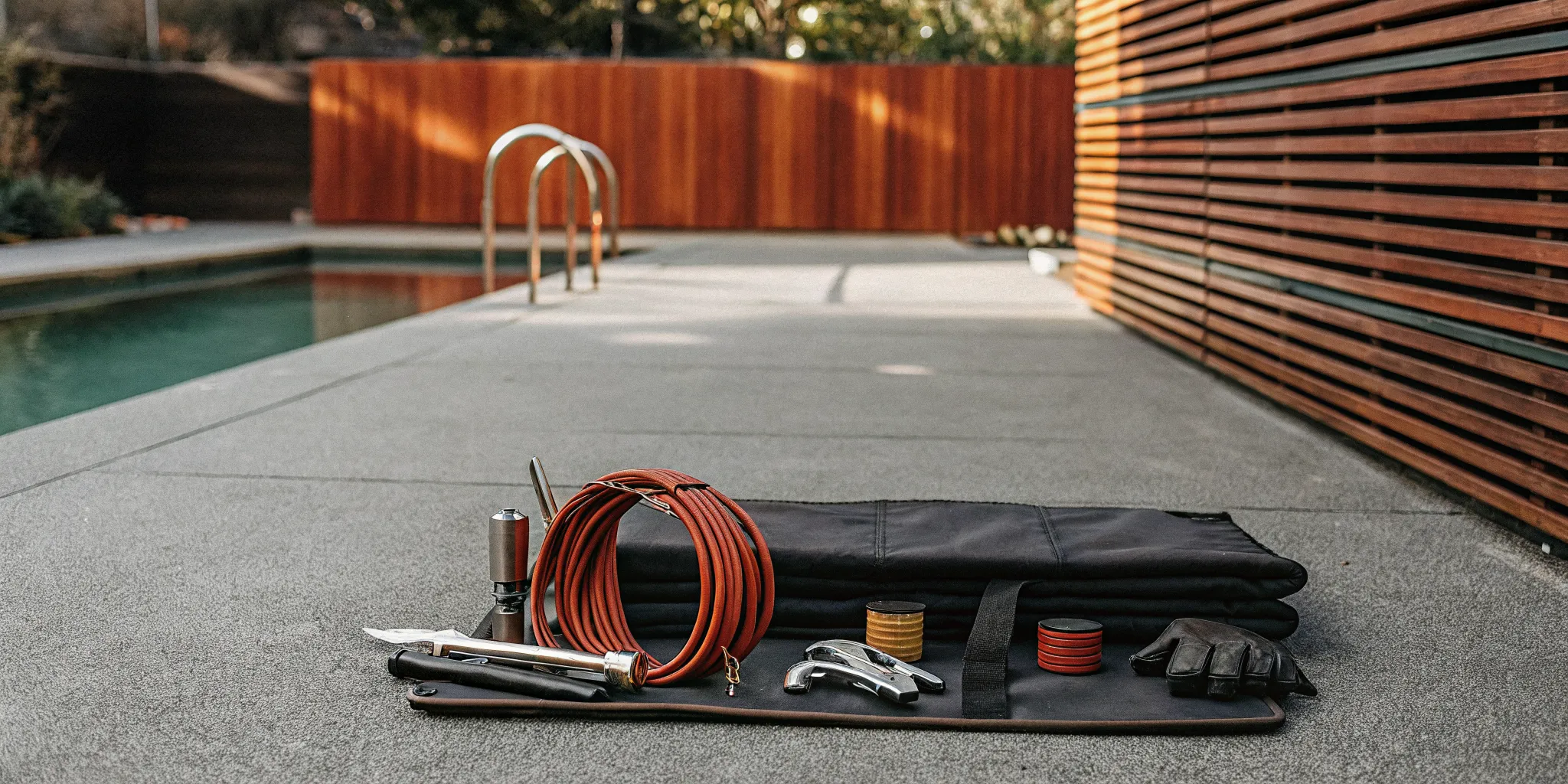
With your chemicals ready, it’s time to gather your tools. The most important items are a quality pool cover (we’ll get to that next), winterizing expansion plugs for all your return lines and skimmers, and a way to clear water from the pipes. An air compressor or a shop vac with a blower function is perfect for this job. Forcing all the water out of your plumbing is one of the most critical steps to prevent freeze damage. Having everything you need within arm’s reach before you start draining any water will save you from running back and forth.
How to Choose the Right Pool Cover
The final piece of the puzzle is your pool cover, which acts as the main shield against snow, ice, and debris. The two most common options are solid winter covers and mesh safety covers. Solid covers are often held down with water bags and block all sunlight, which helps prevent algae growth. A safety cover, which is anchored to your pool deck, provides a strong barrier that can prevent children or pets from accidentally falling in. If you have an above-ground pool, place an 'air pillow' under the cover. It will help absorb the pressure from expanding ice and protect your pool’s walls.
How to Winterize Your Pool, Step by Step
Alright, let's get this done. Winterizing your pool might seem like a huge project, but breaking it down into these seven steps makes it completely manageable. Think of it as tucking your pool in for a long winter's nap so it’s healthy and ready for you next summer. Following this guide will help you protect your investment from the harsh Colorado winter and prevent costly surprises in the spring. Grab your supplies, and let’s walk through it together.
Step 1: Deep Clean Your Pool
First things first, give your pool a thorough cleaning. You’ll want to skim all the leaves, bugs, and other floating debris off the surface. Next, brush the walls, steps, and floor to dislodge any clinging dirt or early-stage algae. Finish by vacuuming the entire pool until it’s spotless. Getting all of this organic material out now is crucial because it’s what algae and bacteria feed on. A clean pool at closing means a much cleaner, healthier pool at opening. If you're short on time or just want a professional touch, our cleaning and maintenance services can handle the deep clean for you.
Step 2: Balance the Water Chemistry
With your pool sparkling clean, it’s time to balance the water chemistry one last time. Test the water and adjust the levels to fall within the ideal winterizing ranges. You’re aiming for a pH between 7.2 and 7.6, alkalinity between 80 and 120 ppm, and calcium hardness between 200 and 400 ppm. Properly balanced water is less likely to cause corrosion or scaling on your pool surfaces and equipment over the winter. It creates a stable environment that helps the winterizing chemicals work more effectively. If you need to grab a test kit or balancing chemicals, we have all the supplies and chemicals you’ll need.
Step 3: Shock the Water and Add Algaecide
Now it’s time to give your pool a final dose of sanitizer. Add a granular shock treatment to the water according to the manufacturer’s instructions. This will eliminate any lingering bacteria, algae, and other contaminants. Let the pump run for several hours to circulate the shock completely. After the chlorine level has returned to a normal range (around 1-3 ppm), add a dose of long-lasting winter algaecide. This acts as a final layer of protection to prevent algae from blooming in the dormant water, even if the cover lets a little sunlight through. This step is your best defense against a green, swampy pool in the spring.
Step 4: Lower the Water Level
To protect your pool from freeze damage, you need to lower the water level. Water expands when it freezes, and if the level is too high, it can crack your skimmers and tiles. For pools with mesh safety covers, lower the water about 12 to 18 inches below the skimmer opening. If you have a solid, floating cover, you only need to lower it about 3 to 6 inches below the tile line. You can use your filter pump or a submersible pump to drain the water to the correct level. This simple step is one of the most important for protecting the structural components of your pool.
Step 5: Drain and Clear All Plumbing Lines
This is the most critical step for preventing burst pipes during a Colorado freeze. You must remove all water from your pool’s plumbing lines. Using an air compressor or a powerful shop vac, blow all the water out of the skimmer lines, main drain lines, and return lines until you see bubbles coming out in the pool. Once a line is clear, plug it securely at the pool wall with a winterizing plug. This process ensures there’s no water left to freeze, expand, and crack your pipes. Because this step is so vital and technical, many homeowners trust a professional for their equipment repairs and servicing to guarantee it's done right.
Step 6: Prep and Store Your Equipment
Your plumbing isn’t the only thing that needs to be drained. Remove all drain plugs from your pump, filter, heater, and chlorinator to let any remaining water escape. If you leave water inside, it can freeze and crack the equipment housings, leading to expensive replacements. Once everything is drained, store the plugs in the pump basket so you don’t lose them. It’s also a good idea to remove and store any accessories like ladders, diving boards, and automatic cleaner units in a dry, sheltered spot like a garage or shed to protect them from the harsh winter elements.
Step 7: Cover Your Pool Securely
The final step is to put on your winter cover. Whether you have a mesh safety cover or a solid one, make sure it’s pulled taut and anchored securely according to the manufacturer’s directions. A properly secured cover will keep out sunlight and debris, which is essential for preventing algae growth and keeping your pool clean. For Denver-area homeowners, it’s especially important that the cover is tight enough to handle high winds and the weight of heavy snow. Check on it periodically throughout the winter to remove any large debris or excess water from the surface and to ensure the anchors are still holding strong.
Winterizing Inground vs. Above-Ground Pools: What's Different?
While the goal of winterizing is the same for any pool, which is to protect it from freeze damage, the specific steps look a little different depending on whether your pool is inground or above-ground. The main variations come down to how you handle the plumbing and how much you lower the water level. Getting these details right is key to a smooth spring opening. Let's break down the specific needs for each type of pool.
Key Steps for Inground Pools
Inground pools have underground plumbing systems that are vulnerable to freezing and cracking, so the process is a bit more involved. First, you’ll need to lower the water level significantly, typically 12 to 18 inches below the skimmer if you have a mesh cover. For solid covers, 3 to 6 inches below the tile line is usually enough. Next, and this is critical, you must clear all water from the plumbing lines using an air compressor or shop vac. Once the lines are clear, seal them with expansion plugs to keep water out. Failing to do this can lead to cracked pipes, a common reason for extensive equipment repairs come springtime. Finally, drain all your equipment, including the pump, filter, and heater, and store the drain plugs somewhere safe like the pump basket.
Key Steps for Above-Ground Pools
Winterizing an above-ground pool is generally more straightforward because the plumbing is simpler and easier to access. Your first step is to lower the water level to about four to six inches below the skimmer opening. This prevents ice from damaging the skimmer. Instead of blowing out complex plumbing, you’ll simply disconnect the hoses that connect your skimmer and pump. Once the hoses are off, plug the skimmer and return outlets from inside the pool to keep water from getting in. This simple process is a core part of your seasonal cleaning and maintenance routine and goes a long way in protecting your investment. Just make sure your pump and filter are fully drained and stored in a dry, protected place for the winter.
The Role of an Air Pillow for Above-Ground Pools
For above-ground pool owners in Colorado, an air pillow is an essential winterizing tool. It’s a common misconception that the pillow is meant to hold up the pool cover. Its real job is to absorb the pressure of expanding ice. When water freezes, it expands outward, and without a pillow, that pressure pushes directly against your pool walls, potentially causing them to bend or even split. The air pillow creates a void in the center of the pool, so the ice expands inward and compresses the pillow instead of damaging the structure. This simple step can save you from needing major remodels and rehabs. Just inflate it, place it in the middle of the pool, and then put on your winter cover.
How to Cover Your Pool for a Colorado Winter
Think of your pool cover as the final protective shield for your winterizing efforts. In Colorado, where we get everything from heavy snowfalls to high winds and intense sun, choosing the right cover and securing it properly is one of the most important steps you’ll take. A good cover not only keeps out leaves and debris but also protects your pool’s shell and water from the harsh winter elements, making for a much easier spring opening.
Making the right choice here prevents damage and saves you a headache when it’s time to swim again. Let’s walk through how to select the best cover for your needs and ensure it stays put all winter long. If you find you need a new cover or anchor points installed, our team can help with a variety of remodels and rehabs to get your pool ready.
Solid vs. Mesh Covers: Which Is Right for You?
Your two main options are solid and mesh covers, and each has its own set of trade-offs. A solid cover provides a complete barrier against sunlight, water, and debris. This is a huge plus for preventing algae growth, as it keeps the water dark and clean. The downside? It’s not a set-it-and-forget-it solution. Any rain or melted snow will pool on top, and you’ll need to use a cover pump to remove the water regularly to prevent the cover from sagging under the weight.
Mesh covers, on the other hand, allow rain and melted snow to drain right through into the pool. This means you won’t have to worry about pumping water off the top. However, they do let fine silt and sunlight pass through, which can lead to some algae growth and cloudier water in the spring. The choice comes down to whether you prefer more maintenance during the winter (solid) or a bit more cleanup in the spring (mesh).
How to Secure Your Cover Against Wind and Snow
A loose pool cover is no match for a Colorado windstorm. To keep your cover from becoming a neighborhood kite, you need to secure it tightly. For soft, solid covers, this usually means using water bags or blocks placed around the entire perimeter. Make sure the cover is pulled taut with no loose areas that could catch the wind. For a more permanent and secure solution, especially for safety covers (both solid and mesh), anchors are drilled into your pool deck.
These anchors allow you to attach the cover with straps, creating a tight, drum-like surface. This is the most reliable method for our windy climate. A properly secured cover is a critical part of our professional cleaning and maintenance closing service, ensuring your pool is protected all season long.
Dealing with Snow and Ice on Your Cover
While a good safety cover can handle a decent snow load, you should never let it pile up. The immense weight of heavy, wet snow can strain or damage your cover, its anchors, or even the pool structure itself. Make it a habit to check your cover after every significant snowfall. If snow accumulates, you’ll want to remove it gently. Never use a sharp shovel, as you could easily rip or puncture the cover. A long-handled pool brush or a soft-bristle broom works well.
For solid covers, a cover pump is your best friend. It will automatically pump off melted snow and ice, preventing the water from adding extra weight or refreezing into a heavy block. Staying on top of snow removal protects your investment and ensures your cover lasts for many seasons.
Common Winterizing Mistakes to Avoid
You’ve followed all the steps, and your pool is almost ready for its long winter nap. But before you pat yourself on the back, let’s talk about a few common missteps that can undo all your hard work. Getting your pool closing right is about more than just following a checklist; it’s also about avoiding the costly mistakes many pool owners make. A little extra care now will save you a ton of time, money, and frustration when it’s time to open your pool next spring. Let's walk through what not to do.
Closing the Pool Too Early
I get it, as soon as the weather starts to turn, you want to get your pool chores over with. But closing your pool too early is a classic mistake. If you close it while the water is still consistently above 65°F, you’re creating a perfect breeding ground for algae. Even in cooler weather, algae can bloom in stagnant, untreated water. This means you’ll be pulling back the cover in spring to find a swampy, green mess that requires extra chemicals, scrubbing, and money to fix. Patience is key here. Wait for the temperatures to drop for good before you start the winterizing process. It makes for a much happier spring opening.
Rushing the Chemical Balance
After cleaning the pool, it’s tempting to just dump in the winterizing chemicals and call it a day. Rushing the chemical balance, however, can lead to major issues. If your pH, alkalinity, and calcium hardness levels are off before you close, the water can become corrosive or form scale over the winter, potentially damaging your pool’s surfaces. Properly balanced water ensures your winter algaecide and shock work effectively and protects your plaster and vinyl liner. Take the time to test and adjust your water one last time. Using the right supplies and chemicals is the foundation of a successful closing.
Not Draining Lines and Equipment Properly
Here in Colorado, this is the single most critical mistake to avoid. Water left in your plumbing lines, pump, filter, or heater will freeze, expand, and crack the equipment. This isn’t a small problem; it can lead to thousands of dollars in damage and a delayed pool opening. Every drop of water must be blown out of the lines and every piece of equipment must be fully drained. This step is often where DIY winterizing goes wrong. If you’re even slightly unsure about this process, it’s the best reason to call a professional. The cost of a professional closing is a fraction of what you’d pay for equipment repairs from freeze damage.
Forgetting to Check on Your Pool Mid-Winter
Closing your pool isn’t a "set it and forget it" task. Throughout the winter, it’s wise to perform a few quick check-ins, especially after heavy snow or wind. Take a peek under the cover to ensure the water level hasn’t dropped significantly, which could indicate a leak. Check that your cover is still secure and hasn't been damaged or pulled loose. Pumping excess water off a solid cover can prevent it from collapsing. These simple checks can help you spot a small problem before it becomes a major headache. Regular pool maintenance habits, even in the off-season, ensure a much smoother opening in the spring.
Know When to Call a Professional
While you can definitely winterize your pool yourself, there are times when handing the job over to a professional is the best move. It's not about admitting defeat; it's about protecting your investment and saving yourself a major headache come springtime. The process is technical, and getting it wrong can be a costly lesson.
The biggest reason to call for help is to avoid expensive damage. Winterizing involves more than just throwing a cover on. If you don't properly blow out and plug every single water line, you risk pipes freezing, cracking, and bursting. Many pool owners make a few common mistakes that lead to this kind of damage. A professional has the right equipment and experience to make sure every drop of water is cleared from your system, preventing disruptive repairs down the road.
Here in Denver, our winters can be unpredictable. Even when it's cold, the right conditions can allow algae to take hold under your cover, making for a green, messy cleanup in the spring. A professional understands how to treat the water for Colorado's specific climate, preventing these issues before they start. We know exactly what it takes to keep your pool clear through the freeze-thaw cycles. If it's your first time winterizing a pool, if you have a complex system with a spa or water features, or if you simply want the peace of mind that it's done right, let us handle it. Our team provides expert cleaning and maintenance services to ensure your pool is perfectly prepped for the off-season.
Ready for a cleaner pool?
Denver's trusted pool care professionals since 1982. Get started today.
Schedule ServiceFrequently Asked Questions
What is the single most critical step I absolutely can't mess up? Without a doubt, the most important step is completely clearing all water from your plumbing lines and equipment. In a Colorado winter, any water left in your pipes, pump, or filter will freeze, expand, and likely crack them. This isn't a small fix; it often leads to expensive and disruptive repairs. While balancing chemicals and cleaning are important for a clear spring opening, failing to drain your system properly can cause thousands of dollars in damage. If you are at all unsure about this step, it is the best reason to call a professional.
Is it really okay for rain and melted snow to get into my pool through a mesh cover? Yes, that is exactly what mesh covers are designed to do. They allow precipitation to pass through into the pool, which prevents heavy water or snow from accumulating on top and potentially collapsing the cover. The trade-off is that some fine silt and sunlight will also get through, which might mean your water is a bit cloudier in the spring. However, for many pool owners, not having to pump water off the cover all winter is a major benefit that outweighs a little extra spring cleaning.
I've closed my pool. Do I need to do anything else until spring? Closing your pool isn't quite a "set it and forget it" task. It's a good idea to check on it periodically, especially after a heavy snowstorm or high winds. Make sure your cover is still securely anchored and hasn't been damaged. If you have a solid cover, you'll need to pump off any standing water from rain or melted snow to prevent it from getting too heavy. A few quick checks throughout the off-season can help you catch a small issue before it becomes a big problem.
Can I just use a simple tarp from the hardware store instead of a real winter cover? I would strongly advise against using a standard tarp. Those tarps are not designed to handle the weight of snow and ice or to withstand a harsh winter. They can easily tear and fall into the pool, creating a much bigger mess for you to clean up in the spring. A proper winter or safety cover is made from durable material and is designed to be securely anchored, providing a safe and effective barrier that protects your pool all season long. It's a necessary piece of equipment for any pool owner.
I'm pretty handy. Why should I consider hiring a professional just for closing my pool? Think of a professional closing as a form of insurance for your pool. Even if you're comfortable with most home projects, winterizing has some very technical steps where experience matters. Professionals have specialized, high-powered equipment to ensure every last drop of water is blown out of the plumbing lines, which is difficult to achieve with a standard shop vac. Paying for a professional service gives you peace of mind that the most critical, high-risk steps are done correctly, protecting you from costly freeze damage.
Related Blogs