How to Prepare Pool for Renovation in Colorado
A major pool renovation in Colorado starts before demolition or new materials arrive. The condition of the shell, the equipment, the surrounding yard, and the seasonal weather window all affect the work. Good preparation helps your contractor identify hidden issues early, protect your property, and build a more reliable schedule and budget.
To prepare pool for renovation, begin with a professional assessment, define the renovation goal, and plan access, parking, material storage, drainage, power, and yard protection. In the Denver Metro area, also account for freeze-thaw conditions and weather-related delays, especially during the spring construction season.
Before work begins, remove fragile items from the pool area and discuss how the crew will reach the site without damaging landscaping. Your renovation plan should also clarify whether existing equipment will be repaired, upgraded, or replaced, and how the pool will be drained safely. These details turn a broad remodeling idea into a practical project plan. Start by looking at the preparation decisions that matter most for Colorado pools.
Schedule a pool renovation consultation with Neptune Pools
What Does It Take to Prepare Your Pool for Renovation in Colorado?
Preparing a pool for renovation in Colorado starts before the crew arrives. The first step is understanding the pool's current condition, then matching the work to a clear goal, a realistic budget, and the practical limits of the property. A surface replacement, equipment upgrade, and structural rehabilitation each require different preparation. A thorough assessment helps prevent a cosmetic plan from overlooking damage that could affect the finished project.
Colorado adds considerations that are easy to miss if you rely on a generic renovation checklist. Freeze-thaw cycles can place stress on pool structures, surrounding concrete, plumbing, and drainage. High altitude also affects water chemistry and the way equipment operates. Those conditions do not automatically rule out a renovation, but they do make local evaluation important. Neptune Pools technicians can assess the pool and identify preparation needs before the scope is finalized.
Review the existing Denver pool renovation and resurfacing guide for an overview of common project options. Then use the planning stage to answer practical questions about how the work will happen at your home.
- What is the actual condition? Look beyond visible discoloration or worn plaster. The assessment should consider the shell, tile, coping, plumbing, deck, drains, and equipment so the renovation plan addresses underlying issues.
- What result are you trying to achieve? Define whether the priority is restoring a damaged surface, improving appearance, correcting leaks, updating circulation, making the pool easier to maintain, or combining several goals.
- How will the site support construction? Renovation planning includes access for workers and materials, available power, equipment storage, and a safe location for drained water. These logistics can influence both the schedule and the final cost. Project preparation for a pool remodel typically emphasizes planning for access, power, storage, and landscaping protection.
- How will Colorado weather affect the timing? Weather and supply chains can change the sequence of work. Spring projects from March through June are particularly vulnerable to weather and delivery delays, so a practical schedule should include flexibility. Keep that weather and delivery flexibility in mind when comparing possible start dates.
Preparation is also the point to discuss site protection. Heavy equipment, removed materials, and foot traffic can affect grass, planting beds, fences, and hardscaping. Agree on access routes and protection methods before demolition begins. If the project requires draining the pool, confirm where water can go without damaging the property or creating a runoff problem.
A Colorado-ready renovation plan connects the technical assessment with the property's logistics and seasonal conditions. That preparation gives you a clearer scope and helps the contractor identify questions before they become delays. It also creates a useful foundation for the next step: reviewing the pool in detail and setting priorities for the renovation.
Start With a Professional Assessment and a Realistic Renovation Plan
- Document the pool's current condition. Before choosing a finish, tile, coping, or equipment package, have the pool evaluated as it exists today. A useful assessment looks beyond faded surfaces. It should review the shell, plumbing, deck, drains, coping, waterline, and equipment so the renovation addresses underlying problems rather than covering them temporarily. Evaluating the current condition is the necessary first step in setting a realistic renovation goal, as outlined in standard pool renovation planning guidance.
- Ask for Colorado-specific structural checks. Denver Metro pools face repeated freeze-thaw cycles, and that movement can expose weaknesses that are easy to miss during a surface-only review. Have certified technicians check for cracking, shifting, leaks, damaged plumbing, and other signs that the pool or surrounding structure needs rehabilitation. Surface work should wait until these checks are complete. If the shell, deck, or lines need attention, the scope and sequence may change substantially. This is also the right time to review freeze protection and any seasonal risks before the pool is drained or opened up.
- Define the result you want. Write down what is driving the project. You may want to correct leaks, improve safety, update an outdated finish. Make the pool easier to maintain, modernize equipment, or improve the appearance of the entire outdoor area. Discuss those objectives with the builder before work begins. Clear goals help prevent misunderstandings about the finished result and keep optional upgrades from displacing necessary repairs. Separate must-have work from improvements that can be completed later.
- Build a scope that matches the condition and the budget. A realistic plan connects the assessment findings to specific work, materials, labor, permit needs, and a schedule. Ask which recommendations are required for safety or durability, which are value-adding upgrades, and which are cosmetic. Budget for the complete project rather than the visible surface alone. Renovation planning commonly includes permits, labor, materials, and possible landscaping adjustments, so each should be discussed before approval. Building codes provide the legal foundation for safe, compliant construction, according to NIST's building-code overview.
- Confirm qualifications, responsibilities, and timing. Research the pool professional, verify licensing and insurance, and establish who will handle permits, inspections, drainage, equipment shutdown, and site protection. Ask for a written scope, payment schedule, expected construction phases, and a process for approving changes. Weather and material availability can affect Colorado schedules, so leave room for reasonable adjustments instead of planning around an inflexible completion date. A thorough assessment and clear plan make it easier to prepare the yard, household, and budget before construction starts.
Clear the Pool Area: Access, Parking, and Protecting Your Yard
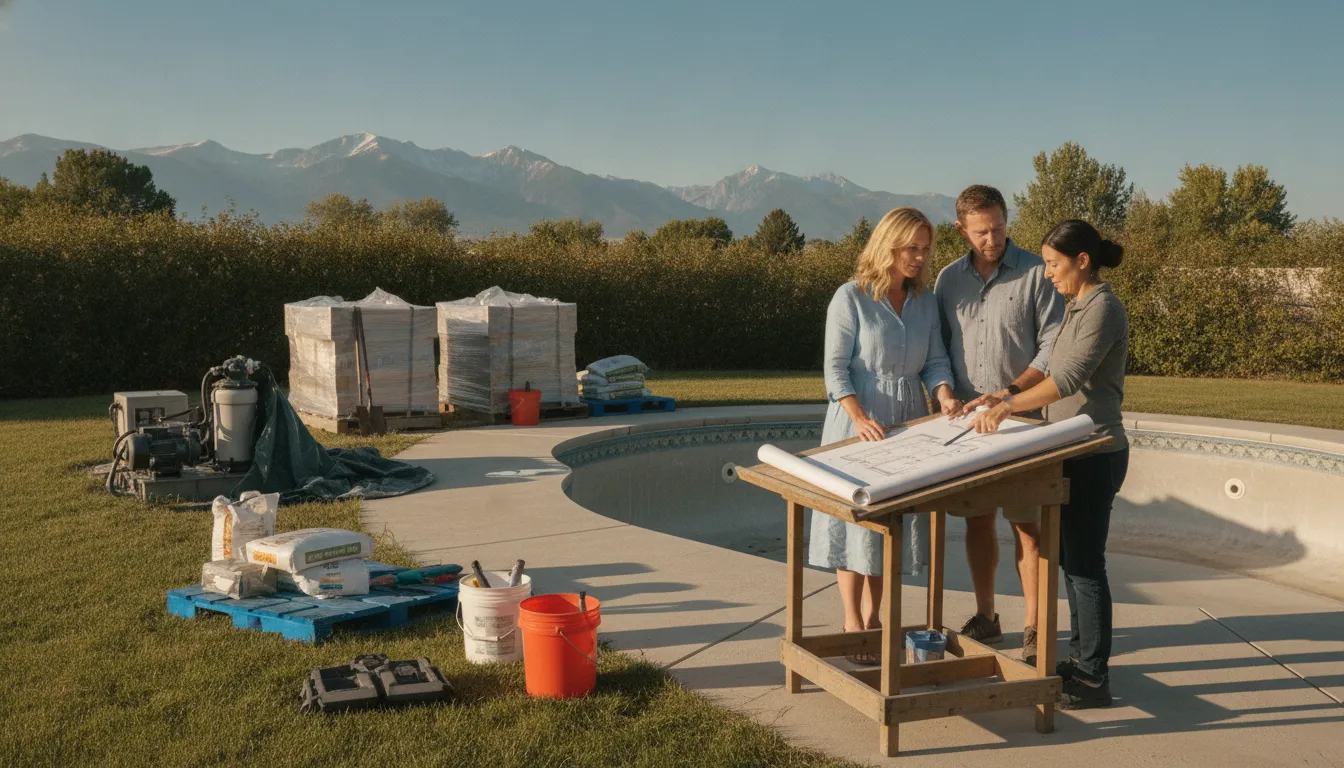
Before renovation work begins, treat the space around the pool as an active jobsite. Crews need a clear route from the street or driveway to the pool, room to move tools and materials. And a defined place for equipment that should not sit on walkways or planting beds. Site access, power, storage, and landscaping protection should be discussed during the pre-construction walkthrough, not improvised after demolition starts. These are practical pool resurfacing preparation steps that can reduce delays and prevent avoidable property damage.
Clear a safe route to the pool
Remove patio furniture, umbrellas, toys, planters, grills, and other loose items from the work zone. If the crew must pass through a side gate, measure the opening and point out low branches, steps, retaining walls, gates, or narrow turns before materials arrive. Mark irrigation controls, landscape lighting, buried utilities, and any fragile features that could be affected by foot traffic or equipment.
Keep the route open for the full project, even if the crew is not working that day. A partially cleared path can become a hazard when workers carry heavy materials or remove demolition debris. Store personal items away from the pool deck and cover anything that must remain nearby according to the contractor's instructions.
Reserve parking and delivery space
Plan where crew vehicles, trailers, dumpsters, and delivery trucks will park. Adequate parking helps workers load and unload safely and keeps vehicles from blocking neighbors, fire access, or your normal household traffic. Ask which vehicles are expected and whether a delivery requires temporary access at the curb or across part of the driveway. If street parking or an HOA approval is involved, resolve those details before the start date.
Materials also need a stable storage area. Designate a level location for tile, coping, plumbing components, aggregate, or other supplies that is close enough to be useful but away from drainage paths and family activity. Materials left in an unplanned spot can obstruct access, damage hardscape, or be exposed to weather. Confirm who will secure the area and remove unused supplies as the work progresses.
Protect grass, planting beds, and drainage
Heavy equipment and repeated foot traffic can compact soil and tear grass, especially when Colorado ground is wet or soft. Walk the property with the contractor and agree on the preferred route. Discuss temporary ground protection, plywood, mats, or other measures where needed, along with which plants or lawn areas should be fenced off. Pool remodels may require landscaping adjustments, so identify replacement expectations before work begins.
Finally, confirm where drained pool water will go and keep that route away from foundations, planting beds, neighboring property, and areas that could erode. A clear drainage plan is part of responsible site preparation. Photograph existing landscaping and hardscape before mobilization, then use that record to resolve questions about condition at the end of the project.
Plan the Logistics: Draining the Pool, Power, and Equipment
Once the renovation scope is clear, the practical logistics need to be settled before the crew arrives. Draining a pool is not simply a matter of opening a valve and letting water run wherever it is convenient. The team should identify where the water will go, how quickly it can be released, and whether the discharge method is appropriate for the property and local requirements. A documented drainage plan helps prevent flooding, erosion, damage to neighboring areas, or delays after the work has already started.
Ask the renovation professional to review the pool's condition and the surrounding grade before draining. Water may need to be routed in stages, and the plan may change based on soil, storm drainage, landscaping, or the amount of water involved. Keep pets and children away from hoses, open drains, and the empty pool during this phase. If the pool contains chemicals, do not assume the water is ready for unrestricted discharge. Follow the contractor's handling instructions and applicable local rules.
Power is another detail to confirm before equipment is delivered. Renovation work may require access to suitable outlets for pumps, saws, mixers, lighting, or other tools. Identify the available electrical service, outlet locations, and any restrictions on running cords across walkways. Do not overload household circuits or use damaged extension cords. If the existing supply cannot support the equipment safely, the contractor should identify an appropriate solution before work begins rather than improvising on site.
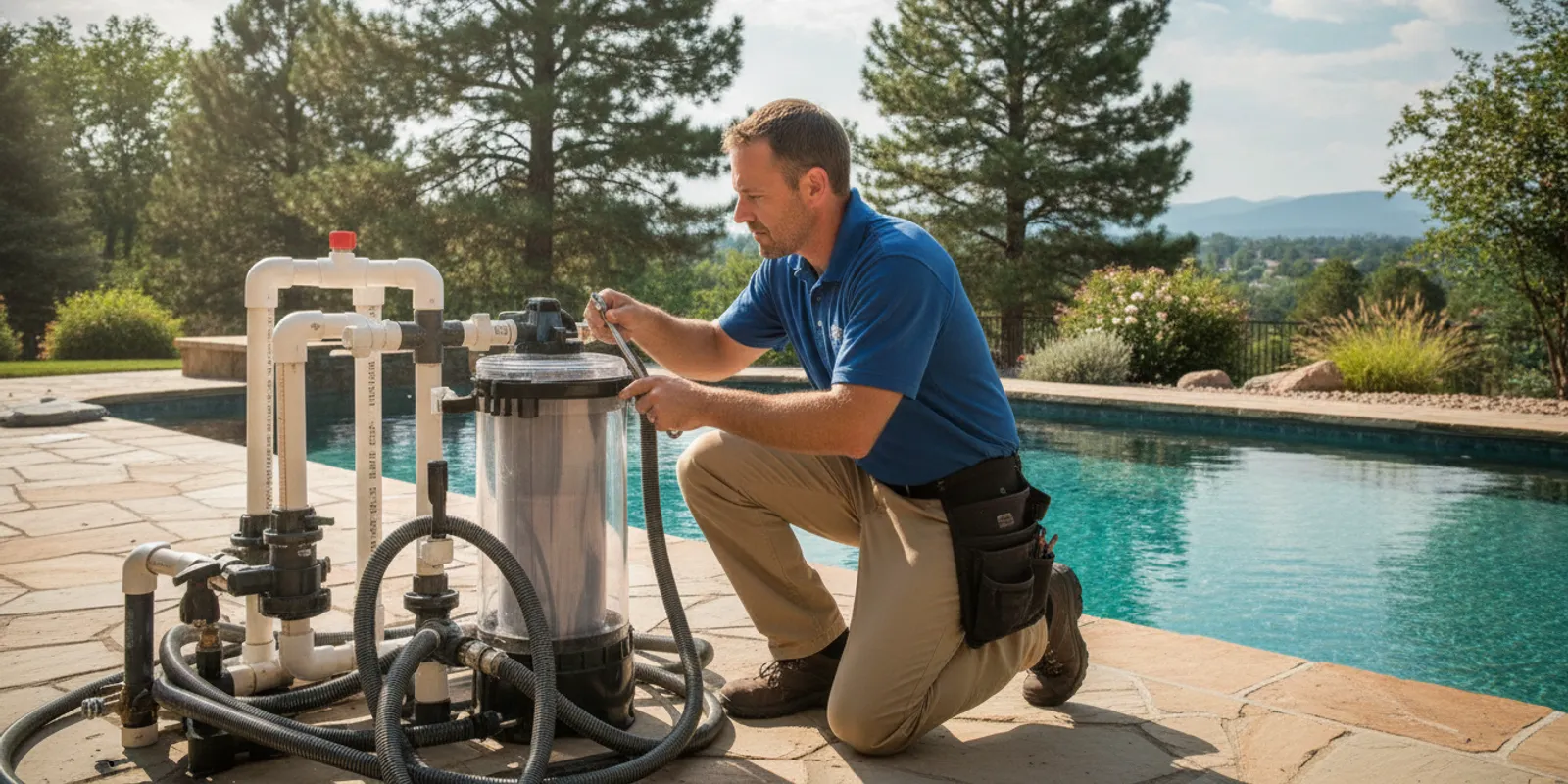
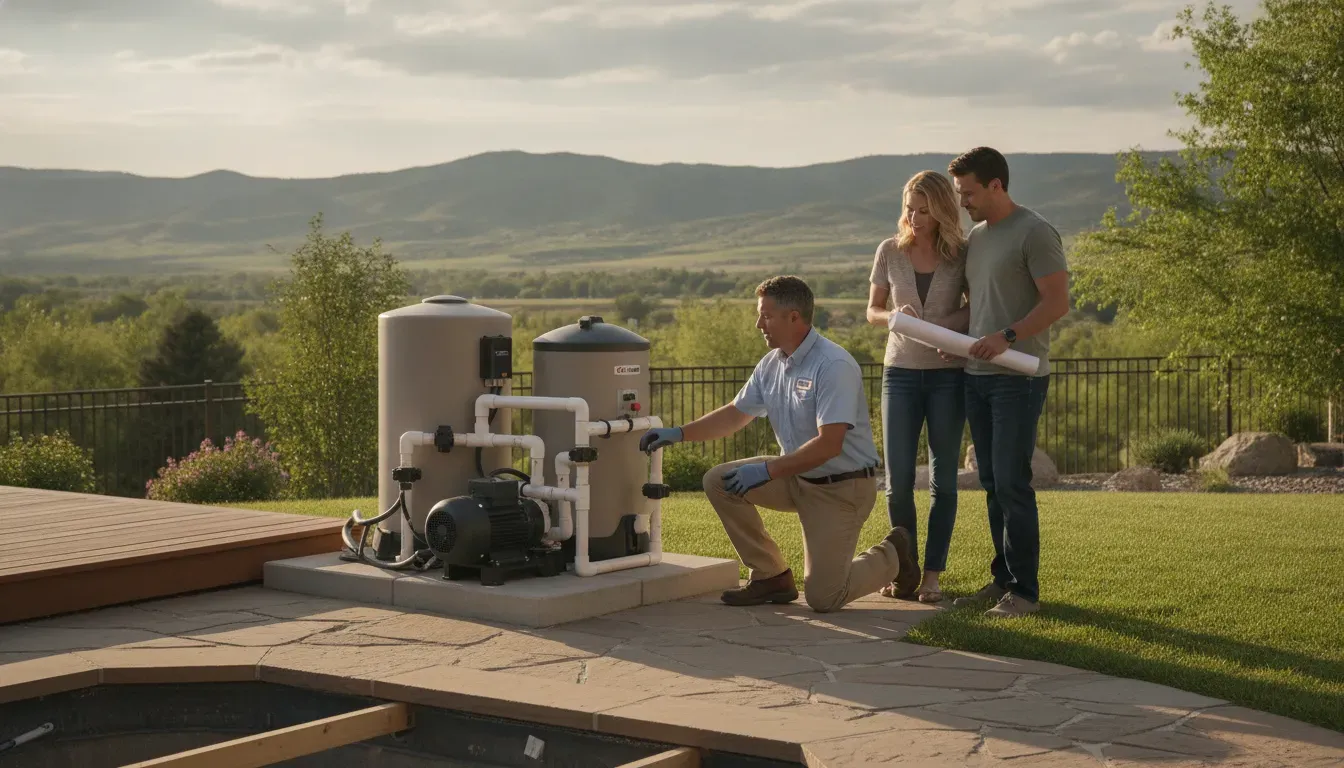
Equipment planning also includes deciding what stays, what is removed, and what may be upgraded while the pool is already open. Older pumps, controls, filters, or plumbing components can affect the renovation plan. If an equipment change is under consideration, review the compatibility, installation requirements, and expected operating needs early. Neptune Pools can also help evaluate repair and service needs through its equipment repairs and servicing offering.
Access and parking should be part of the same conversation. Reserve enough space for crew vehicles, deliveries, pumps, and temporary equipment, and confirm the route from the street to the pool. The drainage plan, power access, parking area, and equipment staging location should be reviewed together so one decision does not create a problem elsewhere.
Schedule a pool renovation consultation with Neptune Pools
Before the start date, remove fragile items from the work zone and agree on where materials and tools will be stored. A clear plan makes it easier to protect the property, maintain a safe work area, and keep the renovation moving when conditions change.
Budget for Permits, Materials, and a Contingency Fund
A renovation budget should cover more than the finish you can see from the patio. Before you prepare your pool for renovation, separate the expected costs for permits, inspections, materials, labor, equipment changes, and any landscaping adjustments needed to complete the work safely. Building codes provide the legal foundation for construction and safety, so confirm early which permits and inspections apply to your project. NIST explains why building codes matter for safe, compliant construction.
Ask for a written scope that identifies what is included in each category. Materials may include plaster, tile, coping, concrete, plumbing components, drains, lighting, or replacement equipment. Labor should be clear about demolition, surface preparation, installation, cleanup, and inspections. If the renovation involves digging, access changes, or repairs around the pool deck, include potential landscaping work rather than treating it as an afterthought.
| Project path | Typical cost context | What the budget generally covers |
|---|---|---|
| Pool renovation | $10,000 to $50,000 | Selected structural or surface work, materials, labor, permits, and related site adjustments. |
| Full pool replacement | More than $75,000 | Removal of the existing pool, new construction, equipment, finishes, permits, and site restoration. |
These are national cost ranges, not a quote for a Denver Metro property. Renovation projects can commonly fall between $10,000 and $50,000, while full replacement can exceed $75,000 depending on scope and site conditions. The comparison is useful because it keeps the decision focused on the condition of the existing structure. The desired result, and the long-term value of newer equipment rather than on surface appearance alone. Review the pool replastering guide before you start your pool renovation if a worn or damaged finish is the main concern.
Build in a contingency before work starts
Set aside 10% to 20% of the total budget for unplanned expenses. A contingency can help absorb concealed damage, additional surface preparation, drainage complications, material changes, or repairs discovered after the pool is drained. The lower end may fit a tightly defined resurfacing project, while a broader rehabilitation with aging plumbing, deck work, or equipment changes may justify the higher end. Keep the contingency separate from the base scope so it remains available for genuine surprises instead of becoming an untracked source of upgrades.
Review the payment schedule, permit responsibilities, material allowances, and change-order process with the pool professional before demolition begins. That conversation makes it easier to compare proposals fairly and protects the project from avoidable budget confusion.
Schedule a pool renovation consultation with Neptune Pools
Time Your Renovation Around Colorado's Weather and Pool Season
Colorado pool projects need a calendar that accounts for more than contractor availability. The Denver Metro area has a short practical swimming season. And the work itself may be affected by temperature swings, precipitation, material deliveries, and the condition of the pool after winter. A renovation scheduled without that context can compress the finish date into the busiest part of summer or leave the property disrupted when outdoor use matters most.
Why spring work needs extra flexibility
March through June can be a useful planning and construction window, but spring renovations are especially vulnerable to weather and delivery delays. Rain, late snow, cold nights, and rapid temperature changes can interrupt surface work, concrete-related tasks, excavation, or the delivery of selected materials. Build flexibility into the schedule rather than treating the first projected completion date as a guarantee. Weather and supply chains can significantly affect the timeline of a pool renovation, so confirm which milestones depend on dry or consistently warm conditions. Pool renovation guidance on spring timing supports allowing room for these delays.
Colorado's freeze-thaw cycles also make the transition out of winter important. Before work begins, the pool and surrounding areas should be checked for cracking, movement, drainage concerns, and other damage that could change the scope. Those findings may affect whether the project is primarily cosmetic or needs structural rehabilitation. A professional assessment is particularly valuable when the pool has experienced repeated freeze exposure or has older plumbing and equipment.
Coordinate the project with your use of the pool
Plan backward from the season in which you want the pool available. If your priority is swimming during the height of summer, schedule the assessment, design decisions, permitting, and material selections as early as possible. Waiting until warm weather arrives can mean competing for crew time and discovering that a delayed component pushes startup into late summer. Ask for a timeline that identifies weather-sensitive work, inspection points, equipment lead times, and the steps required before the pool can be filled and placed back into service. Clear communication about those milestones helps manage disruption to your outdoor living space, as noted in general pool renovation planning guidance.
Timing is also the right moment to decide whether to remodel, replace selected components, or consider a larger replacement. If the shell and layout remain sound, upgrading aging equipment during the renovation may provide an opportunity to install newer. More efficient systems instead of carrying obsolete components into the next season. If structural problems are extensive, compare the long-term value of rehabilitation with replacement before construction starts. With the weather window, pool-season goals, and equipment decisions defined, the common preparation questions become easier to answer.
Schedule a pool renovation consultation with Neptune Pools
Frequently Asked Questions
What are the main steps to prepare a pool for renovation?
Start with a professional assessment of the pool's structure, equipment, surface, and surrounding area. Then define the renovation goal, confirm the scope and budget, plan access and material storage, protect landscaping, and decide how draining and equipment shutdown will be handled. Your contractor should also identify any permits or inspections needed before work begins.
What time of year is best for pool renovation in Colorado?
The best timing depends on the scope of work, your desired completion date, and contractor availability. Plan well ahead of peak season, and build flexibility into spring projects because work scheduled from March through June can face weather and delivery delays. Colorado's freeze-thaw conditions also make a detailed structural assessment important before scheduling surface work.
Do I need to drain my pool before renovation work starts?
Often, but not always. The required water level depends on whether the project involves resurfacing, structural repairs, plumbing, or equipment work. Do not drain the pool on your own without professional direction. The renovation plan should specify when draining occurs, where the water can safely go, and how the empty vessel will be protected during construction.
How long does a professional pool rehabilitation project take?
There is no reliable single timeline for every rehabilitation. The duration depends on the inspection findings, chosen materials, permit requirements, weather, deliveries, and whether equipment or landscaping must also be changed. Ask for a written sequence of work and milestone dates, then allow schedule flexibility for conditions outside the crew's control.
How should I budget for renovation work instead of pool replacement?
Compare the cost of the defined renovation scope with the condition and expected service life of the existing structure. Include labor, materials, permits, inspections, drainage, equipment, and landscaping adjustments. A contingency of about 10% to 20% is commonly recommended for unplanned expenses, based on common budget guidance for pool remodeling. A professional assessment can clarify whether rehabilitation is a practical alternative to replacement.
Schedule Your Pool Renovation Consultation
Preparing a pool for renovation is easier when the scope, site access, drainage, and seasonal timing are reviewed together. Neptune Pools can help you turn the preparation checklist into a practical renovation plan for your property. Schedule a pool renovation and rehabilitation consultation with Neptune Pools to discuss your next steps.
Related Blogs