A Beginner's Guide to Salt Water Pool Maintenance
That feeling of pulling back the pool cover to find cloudy water or the first signs of algae is frustrating. You invested in a saltwater system for its ease and comfort, not for new headaches. The great news is that most common pool problems are easy to prevent and solve with a little know-how. This guide is your complete resource for troubleshooting and prevention. We'll break down the simple, consistent steps of salt water pool maintenance that keep issues at bay. From balancing your water chemistry to cleaning your salt cell, you'll learn how to keep your pool sparkling, clear, and always ready for a swim.
Ready for a cleaner pool?
Denver's trusted pool care professionals since 1982. Get started today.
Schedule ServiceKey Takeaways
- Saltwater pools create their own chlorine: Your pool isn't chlorine-free; it uses a generator to convert salt into a steady supply of chlorine. This process results in silky, comfortable water that is much gentler on your skin and eyes.
- A simple routine is your key to success: Keep your pool sparkling by testing the water weekly for salt, pH, and chlorine. Combine this with regular skimming and a quarterly salt cell inspection to prevent most common issues.
- Troubleshoot with confidence: Most problems like cloudy water or algae are solved by balancing your water chemistry and keeping your filter clean. For anything more complex, like equipment noises or persistent issues, calling a professional is the fastest way to get back to swimming.
What Is a Saltwater Pool?
If you've heard friends rave about their saltwater pools, you might be picturing a mini-ocean in their backyard. The reality is a bit different, and honestly, much better for your swimming experience. A saltwater pool isn't chlorine-free; it just has a smarter way of making its own. Instead of you adding chlorine pucks or granules, a saltwater pool uses dissolved salt and a special generator to produce chlorine automatically, keeping your water clean and sanitized.
This system provides a steady, low level of chlorine, which means no more sudden spikes of harsh chemicals. The result is silky-smooth water that’s gentler on your skin, eyes, and hair. It’s a more luxurious and comfortable way to enjoy your pool, especially here in the dry Colorado climate. Think of it as an upgrade to your entire swimming experience, moving from manual effort to automated ease.
How Salt Chlorine Generators Work
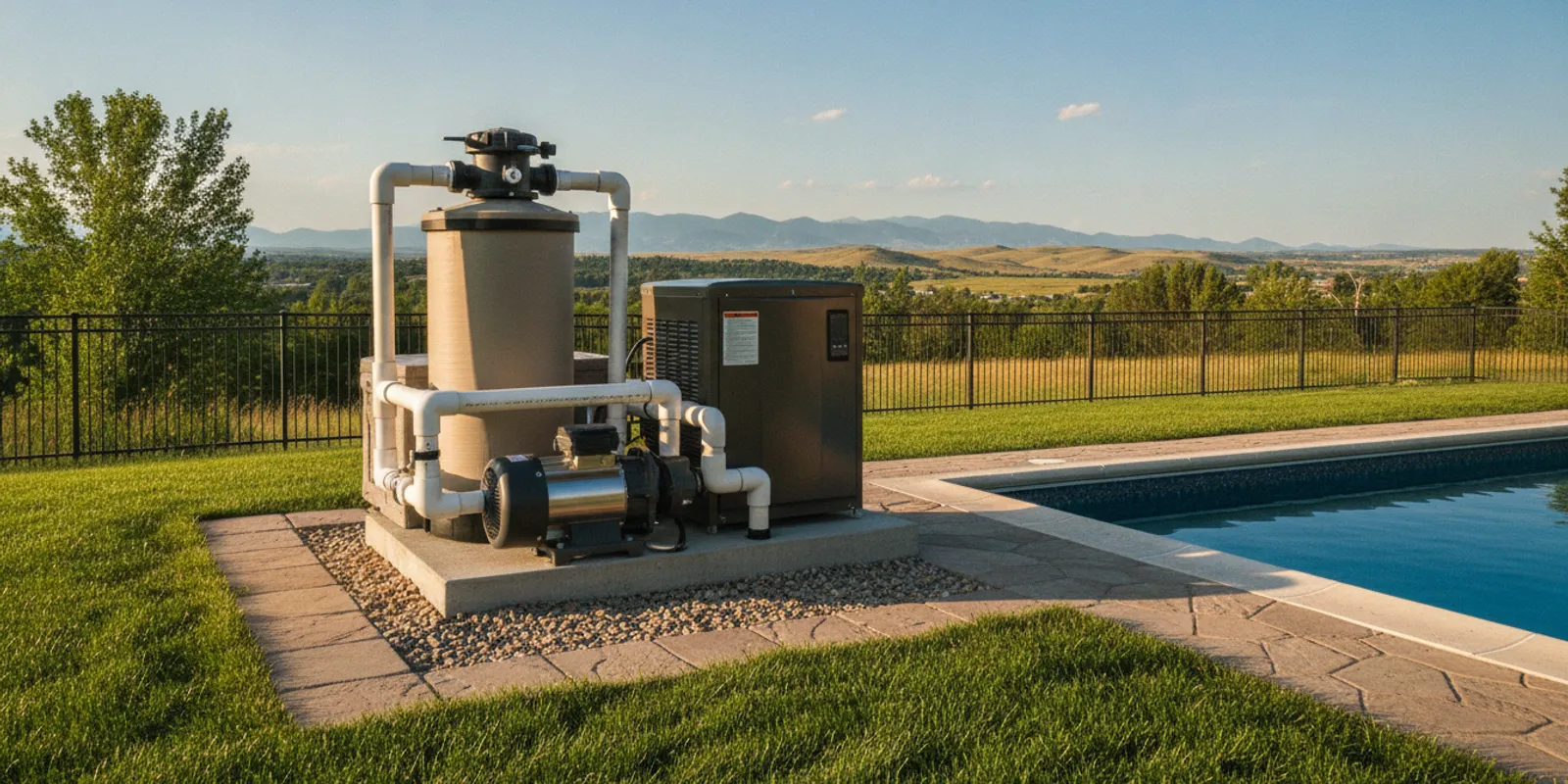
The heart of your saltwater system is the salt chlorine generator, sometimes called a salt cell. This device is a tiny, efficient chlorine factory installed right into your pool's plumbing. As the slightly salty water passes through the generator, a process called electrolysis occurs. The generator's plates use a small electrical charge to split the salt molecules in the water, which creates just the right amount of chlorine. This freshly made chlorine then sanitizes your pool before eventually turning back into salt, ready to repeat the cycle. This continuous loop is what makes saltwater pools so convenient, but it also means the generator is a critical piece of equipment that needs proper servicing to keep everything running smoothly.
Saltwater vs. Chlorine: What's the Difference?
The biggest difference you'll notice is the feel of the water. Saltwater pools have a soft, almost silky texture that’s much gentler on your skin and eyes. Many people are surprised to learn that a saltwater pool has about one-tenth the salinity of the ocean, which is actually less salty than a human tear. You won't taste salt or feel crusty when you get out. Traditional chlorine pools, on the other hand, require you to manually add chlorine, which can lead to fluctuating chemical levels, a strong chlorine smell, and potential irritation. With a saltwater pool, the constant, low-level chlorine production eliminates those harsh peaks and valleys, giving you a more stable and pleasant swimming environment.
Busting Common Saltwater Pool Myths
Let's clear up a few common misconceptions. The biggest myth is that saltwater pools are like swimming in the ocean. As we mentioned, the salt level is incredibly low, so you won't have that stinging-eye, salty-crust experience. Another myth is that saltwater pools are chemical-free. They absolutely use chlorine to stay clean; they just produce it on-site instead of requiring you to add it manually. This distinction is key to understanding how to care for them. Finally, some people think saltwater pools are maintenance-free. While they are lower maintenance, they still require regular testing and care to keep the water balanced and the equipment in good shape, which is where a professional cleaning and maintenance schedule can be a lifesaver.
Ideal Chemical Levels for Your Saltwater Pool
One of the biggest misconceptions about saltwater pools is that they are chemical-free. In reality, your salt chlorine generator is a mini chlorine factory, and your job is to make sure it has everything it needs to work properly. Keeping your water balanced is the secret to that silky-smooth water everyone loves, and it also protects your pool surfaces and equipment from damage. While it might seem like a lot of numbers at first, testing and adjusting these levels will quickly become a simple part of your routine. If you ever feel overwhelmed, our professional cleaning and maintenance services can handle the chemistry for you.
Salinity (2,700–3,400 ppm)
Think of salt as the fuel for your chlorine generator. Without the right amount, your generator can't produce enough chlorine to keep your pool clean. The ideal range for salinity is between 2,700 and 3,400 parts per million (ppm), with 3,200 ppm being the sweet spot for most systems. If the salt level drops too low, your generator will stop producing chlorine. If it gets too high, the water can become corrosive and damage your equipment. The good news is that salt doesn't evaporate with water, so you'll only need to add more after heavy rain, significant splash-out, or if you have to drain your pool.
pH (7.2–7.8)
The pH level measures how acidic or basic your pool water is, and it's one of the most important factors for swimmer comfort and sanitizer effectiveness. For saltwater pools, you’ll want to keep the pH between 7.2 and 7.8. The process of generating chlorine naturally causes the pH to rise, so you may find yourself adding a pH reducer (like muriatic acid) more often than you would with a traditional chlorine pool. Keeping your pH in this range ensures your chlorine works efficiently and prevents eye and skin irritation, giving you that perfect swimming experience.
Free Chlorine (1–3 ppm)
Free chlorine is the active sanitizer in your pool that kills algae and bacteria. Your salt cell produces this chlorine, and your goal is to maintain a steady level between 1 and 3 ppm. This range is high enough to keep your water clean and safe but low enough to avoid the harsh smell and feel of an over-chlorinated pool. You can adjust your salt chlorine generator's output setting to produce more or less chlorine based on factors like pool usage, sunlight, and temperature, helping you keep the free chlorine level right where it needs to be.
Alkalinity, Stabilizer, and Calcium Hardness
These three levels work together to support your pH and chlorine, creating a stable environment for your pool. Total Alkalinity (80–120 ppm) acts as a buffer to prevent your pH from making drastic swings. Cyanuric Acid, or stabilizer (60–80 ppm), is like sunscreen for your chlorine, protecting it from being destroyed by the sun’s UV rays. Finally, Calcium Hardness (150–400 ppm) protects your pool’s plaster and equipment from corrosion. Keeping an eye on these supporting chemicals makes overall water balance much easier to manage and helps you get the most out of your pool’s supplies and chemicals.
Your Saltwater Pool Maintenance Checklist
Keeping your saltwater pool sparkling clean doesn't have to be complicated. It’s all about consistency. By breaking down the work into small, manageable daily, weekly, and monthly tasks, you can stay ahead of any issues and ensure your pool is always ready for a swim. Think of it as a simple routine, like watering your plants or tidying up the kitchen. This checklist will guide you through the essentials for year-round care, especially for those of us dealing with Colorado's unique climate. A little effort on a regular basis goes a long way in preventing bigger, more expensive problems down the road.
Daily Tasks
Your daily pool check-in should only take a few minutes, but it makes a huge difference. Start by skimming the surface of the water to remove any leaves, bugs, and other floating debris. This simple step prevents them from sinking and becoming harder to clean later. Next, check and empty your skimmer and pump baskets. Keeping these clear is vital for maintaining good water circulation and preventing strain on your pump motor. Think of it as your pool's first line of defense against gunk and grime. A quick daily scoop keeps your water looking inviting and your equipment running smoothly.
Weekly Tasks
Set aside time once a week for a more thorough check-up. This is when you’ll test your pool water for pH, free chlorine, and salinity. Keeping these levels balanced is the secret to a healthy saltwater pool. Aim for a pH between 7.2 and 7.8 and free chlorine between 1 and 3 ppm. After testing, give the pool walls and floor a good brushing to dislodge any budding algae, then vacuum away the debris. This weekly cleaning and maintenance routine is your best strategy for preventing cloudy water and ensuring a safe, comfortable swim for your family and friends.
Monthly Tasks
Once a month, you’ll want to give your pool system a little extra attention. This is the perfect time to inspect and clean your salt chlorine generator's cell. Mineral buildup can reduce its efficiency, so check it for any white, flaky deposits and clean it according to the manufacturer's instructions. You should also clean your pool filter to remove trapped debris, which helps your system run more effectively. Finally, take a walk around the pool and inspect all your equipment, like the pump and heater, for any signs of leaks, damage, or unusual noises. Catching these things early can save you from a major headache.
Seasonal Care and Winterizing in Colorado
Living in Colorado means preparing your pool for all four seasons is non-negotiable. As the swimming season winds down, proper winterization is essential to protect your pool from freeze damage. Before you close it, make sure your water chemistry is perfectly balanced and give the pool one last, thorough cleaning. For saltwater pools, it’s also a good idea to inspect and clean the salt cell quarterly, so you can time one of these cleanings with your winter prep. If you're not comfortable with the closing process, our professional spa services can ensure your pool is properly protected through the cold months, giving you peace of mind.
Caring for a Saltwater Pool in Colorado's Climate
Owning a saltwater pool in Colorado is a fantastic experience, but our unique climate brings a few special considerations to the table. From the high altitude and dry air to our dramatic temperature swings and sudden summer storms, the Front Range environment asks a little more of your pool maintenance routine. While saltwater pools are known for being wonderfully low-maintenance, a bit of local know-how is essential to keep your water sparkling and your equipment running smoothly.
Think of it less as a list of chores and more as a simple rhythm you’ll get into. Understanding how our climate affects your pool will help you stay ahead of any issues. With a few key adjustments for altitude, evaporation, and weather, you can ensure your saltwater pool remains a perfect backyard oasis all season long. If you ever feel overwhelmed, our team offers professional cleaning and maintenance services tailored specifically for the challenges of Colorado pools.
Adjusting for High Altitude
One of the best features of a saltwater pool is that the salt chlorine generator does the hard work of producing chlorine for you. This is a huge advantage here in Colorado. Our high altitude means we get more intense UV radiation from the sun, which can break down chlorine in the water much faster than at sea level. A salt system constantly replenishes the chlorine, providing a steady, consistent level of sanitation that a traditionally chlorinated pool can struggle to match without constant testing and dosing. You just need to make sure your generator’s output is set correctly to keep up with the sun.
Handling Evaporation in Our Dry Climate
Colorado's air is famously dry, which is great for avoiding humidity but means your pool water will evaporate quickly. The good news is that salt doesn't evaporate with the water. Once you’ve established the right salinity, the salt stays in the pool. Your main job is simply to keep the water level topped off with fresh water. Be sure to monitor the level and add water as needed so it doesn't drop below the skimmer opening, which can damage your pump. Adding large amounts of fresh water can dilute other chemical levels, so it's a good idea to test your water after topping it off.
What to Do After a Storm
Those afternoon thunderstorms that roll off the mountains can be a beautiful sight, but they can wreak havoc on your pool’s chemistry. Rainwater is often acidic and can dilute your pool’s salinity and other chemical balances. Storms also blow dirt, leaves, and other debris into the water, which can introduce phosphates and nitrates that algae love to feed on. After a storm, it’s important to skim the surface, empty your skimmer and pump baskets, and test your water. Making small chemical adjustments right away can prevent bigger problems, like an algae bloom, from taking hold.
Protecting Your Pool from Temperature Swings
Here in Colorado, it’s not unusual for the temperature to swing 30 degrees or more in a single day. This fluctuation directly impacts your pool. Warmer water temperatures accelerate the growth of bacteria and algae, which means your pool needs more chlorine to stay clean. As the temperature drops overnight, the chlorine demand lessens. Regular checks and small adjustments to your salt chlorine generator’s output are the key to keeping your water balanced. During a heatwave, you may need to temporarily increase the production setting to keep your pool properly sanitized and ready for a refreshing dip.
How Often Should You Test Your Pool Water?
Think of testing your pool water as a quick check-in to make sure everything is running smoothly. Regular testing is the secret to keeping your saltwater pool sparkling clean and healthy. For a saltwater pool, the key is consistency. You’ll want to get into the habit of testing your water at least once a week. This simple routine helps you catch any imbalances before they turn into bigger problems, like cloudy water or algae.
Sticking to a weekly schedule prevents you from having to use a large amount of chemicals to fix an issue, which saves you time and money. It also ensures the water is always safe and comfortable for swimming. If you find that keeping up with a testing schedule is a challenge, or you just want the peace of mind that comes with professional oversight, our weekly cleaning and maintenance services are a great option. We can handle the testing and balancing for you, so all you have to do is enjoy your pool.
Essential Testing Tools for Beginners
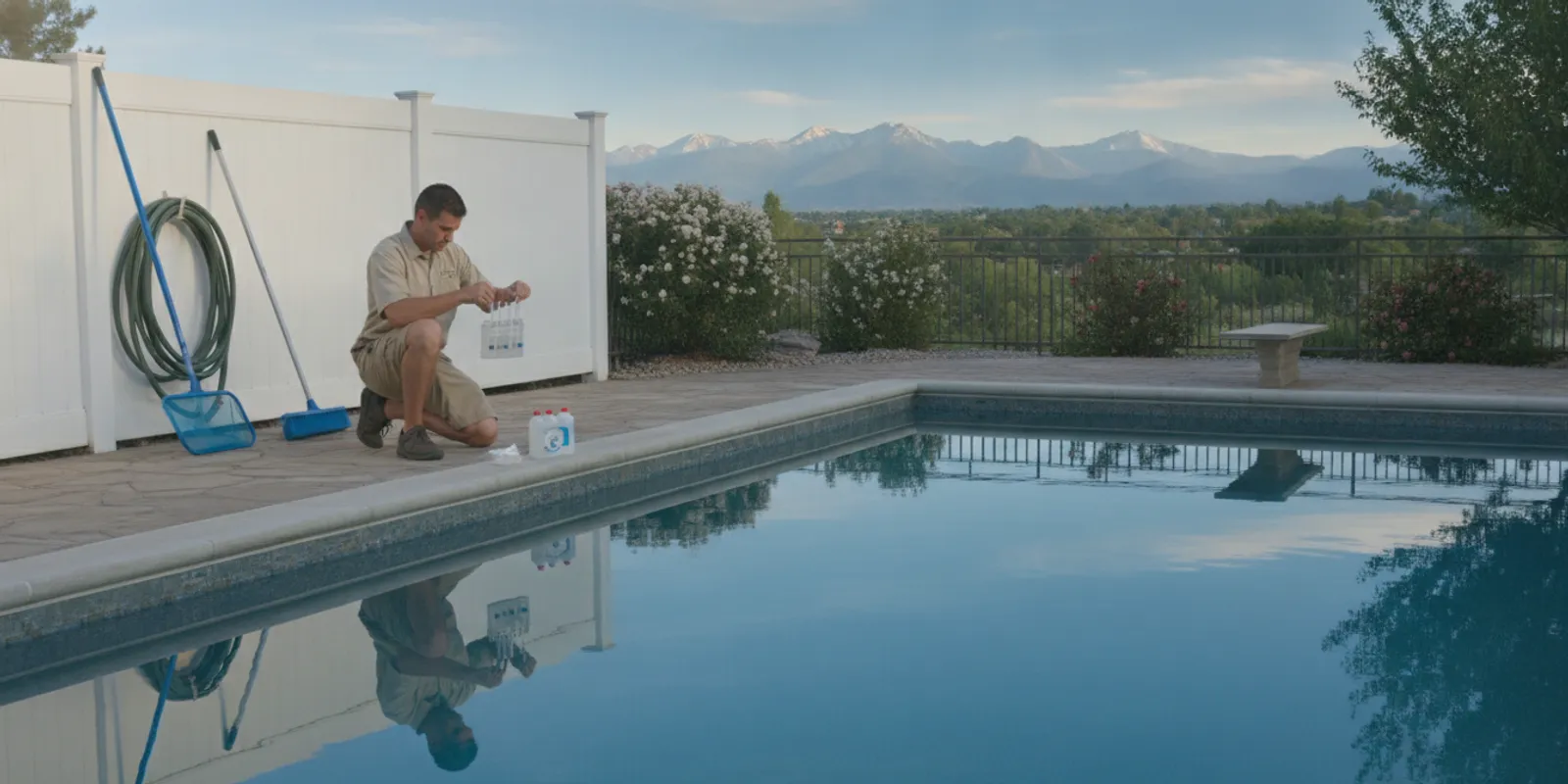
Getting started with water testing doesn't require a chemistry degree. For beginners, a quality set of test strips is the perfect tool. They are easy to use: just dip a strip in the water, wait a few seconds, and compare the colors on the strip to the chart on the bottle. These strips will give you readings for the most important levels, including free chlorine, salt, pH, and alkalinity. You can find a good selection of testing supplies at most pool stores. As you get more comfortable, you might consider a digital water tester for even more precise readings, but strips are a fantastic and affordable way to begin.
When to Test More Often
While a weekly test is a good baseline, there are times you’ll want to check your water more frequently. Think of it like this: if anything out of the ordinary happens with your pool, it’s a good idea to see how the water is doing. You should always test your water after a heavy rainstorm, as the rainwater can dilute your pool’s salt levels and throw off the pH. It’s also smart to test after a pool party or a day with lots of swimmers. More people in the water means more contaminants, which can use up your chlorine faster. A quick water test after these events lets you make small adjustments and keep your water perfectly balanced.
How to Maintain Your Salt Chlorine Generator
Your salt chlorine generator is the heart of your saltwater pool, working tirelessly to turn simple salt into the chlorine that keeps your water clean and safe. Giving it a little regular attention is the key to keeping it running efficiently for years to come. Think of it like changing the oil in your car; it’s a straightforward task that prevents bigger, more expensive problems down the road. When your generator is happy, your pool water is perfectly balanced, clear, and inviting.
Proper maintenance ensures your generator produces a consistent level of chlorine, which helps you avoid common headaches like algae blooms and cloudy water. It also extends the life of the generator’s most important component, the salt cell, saving you from a costly replacement. A well-maintained generator is also more energy-efficient, which is another win for your wallet. If you ever feel unsure about handling your equipment or notice it's not performing as it should, our team is always ready to help with professional equipment repairs and servicing. Focusing on the simple tasks below will keep your system in top shape all season long.
Cleaning Your Salt Cell
The salt cell is where all the magic happens. Inside, a series of metallic plates uses electrolysis to create chlorine. This process naturally causes calcium to build up on the plates, which can interfere with chlorine production if left unchecked. To keep things running smoothly, you should inspect your salt cell every three months. If you see any flaky, white deposits, it’s time for a cleaning. You can use a commercial salt cell cleaner or a diluted muriatic acid solution to gently dissolve the scale. A clean cell is an efficient cell, ensuring your pool gets the perfect amount of chlorine to stay sparkling and sanitized.
Checking and Adding Salt
One of the best parts of a saltwater pool is that the salt doesn't just disappear. Once you add it, it stays in the water. You’ll only need to add more salt if a lot of water is lost from heavy splashing, a leak, or after backwashing your filter. I recommend testing your salt levels every few weeks with a reliable test kit to make sure they’re in the ideal range. If your salt level gets too high, the fix is simple: just add fresh water to dilute it. We can help you find the right testing kits and high-quality pool salt on our supplies & chemicals page.
Choosing the Right Equipment
Setting your system up for success starts with using the right materials. When it’s time to add salt, always choose a pool-grade salt that is at least 99.8% pure sodium chloride (NaCl). Avoid using table salt or water softener salt, as they contain additives like iodine or anti-caking agents that can cause problems for your pool’s chemistry and equipment. Here’s another pro tip: consider a salt generator that is rated for a slightly larger pool than you have. This allows the unit to run on a lower setting, reducing wear and tear and extending its lifespan while still producing all the chlorine you need.
Solve Common Saltwater Pool Problems
Even with a great maintenance routine, you might run into a few issues with your saltwater pool. Don't worry, this is completely normal, and most problems are surprisingly easy to fix. Understanding what to look for will help you solve these little hiccups quickly, so you can spend less time troubleshooting and more time swimming. From cloudy water to a stubborn algae spot, here’s a guide to identifying and fixing the most common saltwater pool problems you might encounter.
Cloudy Water
Waking up to a cloudy pool is disappointing, but it’s usually a straightforward fix. Most of the time, cloudy water points to one of two things: not enough free chlorine or poor filtration. Your first step should always be to test your water chemistry. If your salt level is too low, your generator can’t produce enough chlorine to keep the water sanitized. It's also a good idea to check that your salt chlorinator is running correctly and that your filter is clean. Sometimes, the solution is as simple as running your pump a bit longer each day to give it enough time to cycle all the water and clear things up.
Algae Growth
Seeing green spots in your pool? Algae loves sunshine and water with low chlorine levels, a combination we often see here in sunny Colorado. If you spot algae, it’s time to act. Start by thoroughly brushing the pool walls and floor to loosen the growth from the surface. After that, check your chlorine levels and consider shocking the pool to kill off the bloom. Consistent pool cleaning and maintenance is your best defense against algae. Good circulation and balanced water chemistry make it much harder for algae to get a foothold in the first place.
Low or High Salinity
Your salt chlorine generator needs a specific amount of salt to work its magic, typically between 2,700 and 3,400 parts per million (ppm). Think of it like a recipe; if you have too little or too much salt, it won't turn out right. Luckily, most modern systems will alert you with an indicator light or error code if the salinity is off. You can confirm the level with salt testing strips. If it's low, simply add more pool-grade salt according to the manufacturer's instructions. If it's high, which is less common, you'll need to partially drain and refill the pool with fresh water to dilute it.
Rising pH Levels
One unique quirk of saltwater pools is that the process of generating chlorine naturally causes the pH level to rise over time. This is completely normal, so don't be alarmed if you see it happening in your weekly tests. To counteract this, you'll need to test your pH regularly. When it gets too high (above 7.8), you can lower it by carefully adding muriatic acid or a pH decreaser. Always follow the safety instructions on the product label when handling pool chemicals, and if you're not comfortable doing it yourself, a professional can easily manage it for you.
Equipment Malfunctions
Your salt chlorine generator is the heart of your system, and its most important component is the salt cell. This cell is what converts salt into chlorine, but it's a wearable part that will eventually need to be replaced, usually every 3 to 7 years. You can extend its life by cleaning it periodically. If your chlorine levels are consistently low despite balanced salt and stabilizer levels, it might be a sign the cell is failing. Inspecting and replacing a salt cell can be tricky, so if you suspect a problem, it's a good idea to call in a pro for an equipment inspection and repair.
The Benefits of a Saltwater Pool
If you're weighing the pros and cons of a saltwater pool, you're not alone. Many pool owners wonder if making the switch is truly worth it. While the maintenance routine has its own unique steps, the advantages often speak for themselves. From a more comfortable swimming experience to potential savings down the road, saltwater systems offer some compelling perks that are hard to ignore. Let's look at the two biggest benefits that convince many homeowners in the Denver area to go with salt.
Enjoy Softer Water with Fewer Harsh Chemicals
One of the first things you'll notice in a saltwater pool is how silky the water feels. It’s a far cry from the harshness some people associate with traditional chlorine pools. That’s because saltwater pools aren't nearly as salty as the ocean; they have about 1/12 the salinity, which is even less than a human tear. This gentle water is much kinder to your skin, hair, and eyes, reducing the chances of irritation and that classic "pool smell." For families with sensitive skin or anyone who just wants a more spa-like swim, this is a huge plus. If you're thinking about a pool remodel, converting to salt is a fantastic way to improve your swimming experience.
See Long-Term Cost Savings
While a saltwater system has a higher upfront cost because you need to install a salt chlorine generator, it can save you money over time. The biggest saving comes from not having to constantly buy, store, and add chlorine pucks or liquid shock. Your generator creates its own chlorine from the salt in the water, so you'll spend far less on weekly chemicals. This steady, consistent chlorination also helps keep the water balanced, meaning you'll use fewer other balancing chemicals, too. Over the life of your pool, these reduced chemical costs really add up, making the initial investment in new equipment a smart financial move.
When to Call a Pool Pro
Even with a great routine, there are times when your pool needs a little extra attention from someone with experience. Knowing when to hand things over to a professional can save you time, frustration, and even money by catching small problems before they become big ones. It’s not about giving up; it’s about getting the right help at the right time so you can get back to enjoying your pool. If you're feeling stuck or overwhelmed by a persistent issue, that's your cue to call for backup. A professional can diagnose the problem quickly and get your pool back to being the beautiful oasis it’s meant to be.
Signs You Need an Expert
Even with a saltwater pool's simplified system, maintenance hurdles can pop up. If you notice persistent issues that your regular maintenance can't fix, it’s time to call a professional. Watch for cloudy water that won’t clear up, stubborn algae growth, or chemical levels that stay unbalanced no matter what you do. Strange noises from your pump or filter, leaks, or visible cracks in the equipment are also clear signs you need help. Trying to fix complex equipment repairs on your own can sometimes lead to bigger, more expensive problems. An expert can pinpoint the root cause and get your system running smoothly again.
What to Expect from a Pro Maintenance Visit
When you schedule a professional maintenance visit, you can expect a comprehensive check-up of your pool's health. A certified technician will conduct a thorough inspection of all your equipment, including the salt chlorine generator, pump, and filter. They will test and balance the water chemistry with precision, clean the salt cell and filters, and check for any signs of wear or damage in the pool system. Think of it as a wellness check for your pool. Regular cleaning and maintenance from a pro helps prevent larger issues down the line, ensuring your pool remains a clean, safe, and inviting space for swimming all season long.
Ready for a cleaner pool?
Denver's trusted pool care professionals since 1982. Get started today.
Schedule ServiceFrequently Asked Questions
Is switching to a saltwater pool really worth the initial cost? That’s the big question, isn’t it? While you do have to invest in a salt chlorine generator upfront, many owners find that it pays for itself over time. You’ll spend significantly less money on chlorine pucks and shock treatments. More importantly, the quality of the swimming experience is a huge benefit. The water is much softer and gentler on your skin and eyes, which is a day-to-day luxury that many people find is worth the initial investment alone.
How much less work is a saltwater pool compared to a traditional one? A saltwater pool is best described as lower maintenance, not no maintenance. You get to trade the frequent task of buying and adding chlorine for a more predictable routine. Instead of handling harsh chemicals weekly, your main jobs will be testing the water to ensure it's balanced and cleaning the salt cell a few times a year. It simplifies your routine by automating the sanitation, giving you more time to just enjoy your pool.
Will my pool taste salty or sting my eyes like the ocean? Not at all. This is one of the biggest myths about saltwater pools. The salt concentration is so low (about one-twelfth the level of the ocean) that it’s actually less salty than a human tear. Most people don't taste the salt at all. Instead of a salty crust, you’ll notice the water feels incredibly soft and silky, making it much more comfortable for swimming without any eye or skin irritation.
My saltwater pool's pH keeps rising. Am I doing something wrong? No, you're not doing anything wrong. In fact, this is a sign that your salt chlorine generator is working correctly. The process that creates chlorine naturally causes the pH of the water to increase over time. This is a completely normal and expected behavior for a saltwater pool. Your job is simply to test the pH weekly and add a pH reducer, like muriatic acid, whenever it drifts above 7.8 to keep everything balanced.
Besides cleaning the salt cell, what's the most important maintenance task I shouldn't forget? Consistently testing your water chemistry is the most important habit you can build. While the salt cell does the work of making chlorine, it can only do its job if the water is properly balanced. Here in Colorado, our intense sun can burn through chlorine quickly, so you need to check your stabilizer (cyanuric acid) level regularly. This chemical acts like sunscreen for your chlorine, and keeping it in the right range is essential for your generator to work efficiently.
Related Blogs