The Best Small Above Ground Pool: A Buyer's Guide
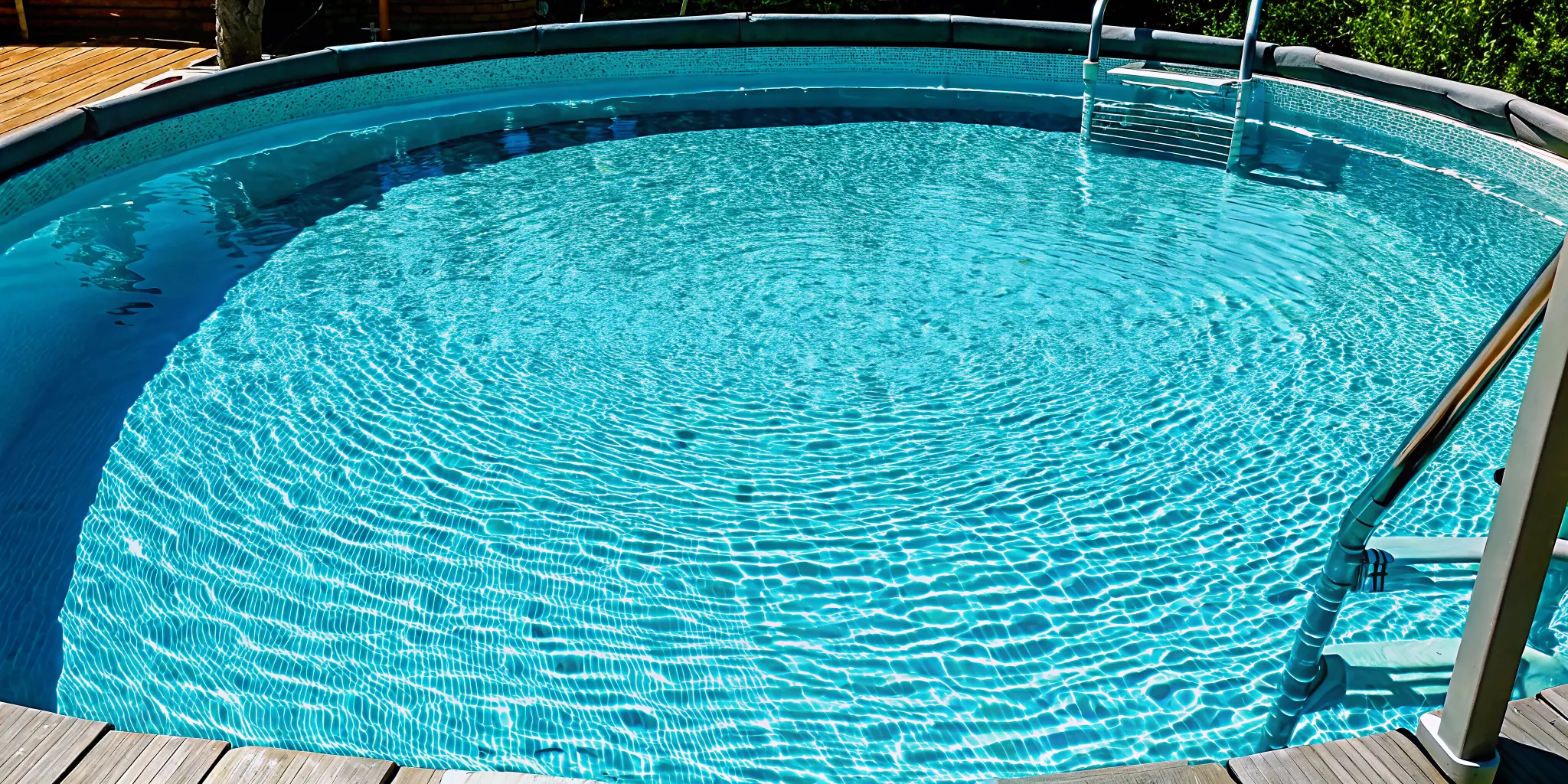
When you hear "above ground pool," you might picture the flimsy, bright blue tubs of the past. It’s time for a fresh look. Today’s models have come a long way, offering impressive durability and styles that can genuinely enhance your backyard’s aesthetic. A modern small above ground pool is a smart, stylish, and affordable alternative to a costly in-ground installation. They are no longer just a temporary fix or a kiddie splash zone. We’re going to debunk the common myths and show you how these pools can be a lasting, beautiful, and valuable addition to your home, providing years of enjoyment for the whole family.
Ready for a cleaner pool?
Denver's trusted pool care professionals since 1982. Get started today.
Schedule ServiceKey Takeaways
- Choose the right pool for your backyard and budget: Consider how you will use the pool before you buy. Inflatable and frame pools offer affordable, seasonal fun, while durable resin pools are a long-term investment designed to last for years.
- Plan for the full cost of ownership: The price on the box is just the beginning. A clean and safe pool requires a pump, filter, ladder, cover, and chemicals, so be sure to factor these essential items into your total budget.
- Embrace a simple weekly routine for a clean pool: Maintaining a small above ground pool is manageable. A consistent schedule of testing the water, skimming debris, and running the filter is all it takes to keep your water clear and ready for swimming.
What Are the Different Types of Small Above Ground Pools?
Deciding to get an above ground pool is exciting, but the sheer number of options can feel a little overwhelming. Before you can get to the fun part (like picking out floaties), you first need to figure out what type of pool is right for you. This choice really comes down to your budget, how much space you have to work with, and what you envision for your backyard. Are you looking for a simple, temporary splash zone for the kids during summer break, or are you hoping for a more permanent feature that the whole family can enjoy for years to come? Each type of pool, from simple inflatables to sturdy resin models, has its own unique advantages and maintenance requirements. Let's break down the most popular options to help you find the perfect match for your home and lifestyle.
Inflatable Pools
If you're looking for a fast, budget-friendly way to cool off, an inflatable pool is your go-to. Made from durable PVC, these pools are the easiest to set up; just spread it out, inflate the top ring, and start filling. They are a fantastic choice for families with young children or for anyone who wants a pool without a long-term commitment. Because they are so lightweight and portable, many find that inflatable pools are ideal for temporary summer use and can be easily deflated and stored away in the off-season. Just be sure to place them on a smooth, level surface to avoid punctures.
Metal Frame Pools
For a step up in size and sturdiness, consider a metal frame pool. These pools feature a strong steel frame that supports a durable vinyl liner, offering more stability than an inflatable model. They come in a wide range of sizes and depths, making them a great middle-ground option. While they require a bit more assembly, metal frame pools give you a more permanent feel without the cost and construction of an in-ground pool. They are robust enough for the whole family to enjoy all summer long. Just remember that proper water chemistry is key to keeping the liner clean and preventing any potential rust on the frame components.
Resin Pools
When durability is your top priority, resin pools are the clear winner. These high-end above ground pools are built with resin or hybrid resin-and-steel components that are resistant to rust, corrosion, and warping. This makes them an excellent choice for Colorado's varied climate, as the resin won't get scorching hot under the summer sun. While they come with a higher price tag, resin pools offer superior longevity and a more polished, high-end look. They are designed to be a lasting feature in your backyard, providing years of enjoyment with the right care.
Semi-Permanent vs. Seasonal Options
As you shop, you'll notice pools are often described as seasonal or semi-permanent. The main difference between these semi-permanent and seasonal options is how you handle them in the off-season. Seasonal pools, like most inflatables and smaller frame pools, are designed to be taken down and stored during the winter. Semi-permanent pools, such as larger metal frame and resin models, are built to stay up year-round. For homeowners in the Denver area, this means a semi-permanent pool will require proper winterization to protect the structure and equipment from freezing temperatures, a crucial step in your annual cleaning and maintenance routine.
What to Look for in a Small Above Ground Pool
Once you have an idea of the type of pool you want, it’s time to get into the details. Choosing the right small above ground pool is about more than just picking a shape and size. You’ll want to think about how it fits into your life, how long you want it to last, and what it will take to keep it safe and clean. Let's walk through the key things to consider so you can feel confident in your final decision.
Finding the Right Fit for Your Backyard
Before you fall in love with a specific pool, grab a tape measure and head outside. Measure the area where you plan to put the pool, but don’t forget to account for extra space. You’ll need at least a few feet of clearance around the entire perimeter for walking, setting up, and maintenance. Also, check if the ground is level. Most above ground pools require a perfectly flat surface to prevent stress on the frame and liner. Think about the overall look, too. Above ground pools can be very stylish and become a beautiful focal point for your backyard, especially when you integrate them with a deck or landscaping. A well-chosen pool can be part of a larger backyard remodel that transforms your outdoor space.
Assessing Material and Durability
The material of your pool directly impacts its lifespan and how much work it requires. Inflatable pools, often made from heavy-duty vinyl, are the most affordable but typically last between two and five years. Metal frame pools offer a step up in sturdiness, with a strong liner supported by a steel frame that can last up to five seasons with proper care. For the longest life, look at resin or hybrid models, which resist rust and weather damage better than all-metal frames. Here in Colorado, our intense sun and temperature fluctuations can be tough on materials, so choosing a durable, UV-resistant option is a smart move. Using the right pool chemicals will also protect the liner and extend its life.
Prioritizing Safety for Kids and Pets
Safety should always be a top priority, especially if you have little ones or furry friends running around. Even small, shallow pools present a drowning risk. The good news is that the high walls of an above ground pool can act as a natural barrier. However, you should always remove the ladder when the pool isn't in use to prevent unsupervised access. For extra peace of mind, the U.S. Consumer Product Safety Commission recommends you install a fence around the pool area if you have small children or pets. Self-closing and self-latching gates are a great addition to any pool safety plan.
Considering the Installation Process
One of the biggest draws of a small above ground pool is the straightforward setup. Many models are designed for DIY installation and can be ready for water in a single day. That said, "easy" doesn't mean "effortless." The most critical step is preparing the ground. It must be completely level and free of any sharp objects like rocks or roots that could puncture the liner. While you can handle the setup yourself, don't hesitate to call for help if you feel unsure. Once your pool is installed, you can focus on the fun part and establish a simple cleaning and maintenance routine to keep the water sparkling.
Checking the Warranty and Support
A good warranty is a sign that the manufacturer stands behind its product. Before you buy, read the warranty details carefully. What does it cover, and for how long? Most warranties cover manufacturing defects in the liner, frame, and pump, but they won't cover damage from improper installation or neglect. Also, check what kind of customer support the company offers. If you run into an issue with your pump or filter, you’ll want to know that help is available. While the manufacturer’s warranty is your first line of defense for the pool itself, remember that a local pro can provide ongoing equipment repairs and servicing to keep everything running smoothly for years to come.
How Much Does a Small Above Ground Pool Cost?
Let's talk about one of the biggest questions on every potential pool owner's mind: the budget. The price tag on the box is just the beginning of the story. Understanding the full cost, from the initial purchase to the ongoing upkeep, helps you make a smart decision without any surprise expenses down the road. The great news is that an above-ground pool is a much more accessible option than a traditional inground installation, making that backyard oasis dream a reality for many more families.
The total cost depends heavily on the type of pool you choose, the accessories you need, and how you plan to maintain it. A simple inflatable pool has a very different price point than a sturdy resin-frame pool designed to last for years. We'll walk through the different cost factors so you can get a clear picture of what to expect. Thinking about these costs upfront ensures you can spend less time worrying about your wallet and more time enjoying the water. And remember, proper equipment repairs and servicing from the start can prevent more expensive problems later on.
Breaking Down Costs by Pool Type
When you start shopping, you'll see a wide range of prices. To give you some perspective, a full inground pool installation can run anywhere from $35,000 to over $70,000. For most of us, that’s a major construction project.
This is where above-ground pools really shine. A traditional, more permanent above-ground pool typically costs between $3,000 and $10,000. These are the sturdy models you can enjoy for many seasons. If you're looking for something even more budget-friendly or temporary, seasonal options like inflatable or metal frame pools are significantly cheaper. These let you test the waters, so to speak, without a large financial commitment.
Uncovering Hidden Costs: Accessories, Chemicals, and Add-Ons
The sticker price of the pool itself is just your starting point. To keep your pool clean, safe, and enjoyable, you'll need a few essential add-ons. Think of these as part of the total package. You'll definitely need a good pump and filter to keep the water circulating and clear. You’ll also need a starter kit of the right supplies and chemicals to keep the water balanced and free of algae and germs.
Other necessary accessories include a ladder for safe entry and exit, a skimmer to clear debris from the surface, and a pool cover to keep it clean when not in use. If you have little ones or pets, a safety fence around the pool is a must-have for peace of mind.
Where to Find the Best Deals
You can find small above-ground pools at most big-box home improvement stores and various online retailers. Websites like The Pool Factory offer a wide variety of shapes and sizes, allowing you to find a great fit for your specific yard. For the best prices, try shopping during the off-season in late fall or winter when demand is lower.
While getting a good deal on the pool is fantastic, the real value comes from a quality setup and consistent care. Once you have your pool, the easiest way to protect your investment is with professional support. Our team can help with everything from routine cleaning and maintenance to ensuring your equipment runs smoothly all summer long.
Common Myths About Small Above Ground Pools
Above ground pools sometimes get a bad rap, surrounded by outdated ideas about what they are and who they're for. If you're considering one for your Denver home, you've probably heard a few of these yourself. Let's clear the air and look at some of the most common misunderstandings. The truth is that modern above ground pools are more versatile, stylish, and durable than you might think, making them a fantastic option for many backyards.
Myth: They're Only for Kids
When you picture an above ground pool, you might imagine a small, splashy circle full of kids' toys. While they are certainly family-friendly, their appeal goes far beyond that. Many homeowners choose them for their affordability and ability to fit into smaller or sloped yards where an in-ground pool isn't practical. They can be a perfect personal oasis for adults to cool off, relax on a float, or get in some low-impact exercise. Think of it less as a kiddie pool and more as an accessible way to bring the resort feeling right to your backyard.
Myth: They Aren't Durable or Stylish
The idea of a clunky, bright blue cylinder sitting awkwardly on the lawn is a thing of the past. Today's above ground pools come in a wide variety of materials and designs that can complement a modern backyard aesthetic. You can find models with sophisticated neutral-colored walls, attractive top rails, and even options that can be built into a surrounding deck. With a little planning, these pools can become a beautiful focal point. You can find some amazing design inspiration online that shows just how seamlessly they can be integrated into a stylish outdoor living space.
Myth: They Need More Maintenance Than In-Ground Pools
This is one of the biggest misconceptions. In reality, a smaller body of water is often easier to care for. With less water to treat and balance, you'll use fewer chemicals. Plus, there's less surface area to skim and vacuum. While every pool requires consistent upkeep to stay safe and clean, the workload for a small above ground pool is typically less demanding than for a larger, in-ground counterpart. Of course, if you'd rather spend your time swimming than testing, our professional cleaning and maintenance services can give you a perfect pool without any of the work.
Myth: They're Just a Temporary Fix
While simple inflatable pools are designed for seasonal use, many metal frame and resin above ground pools are built to be a lasting feature in your yard. These structures are engineered to withstand Colorado's weather for many years when properly maintained and winterized. Instead of seeing it as a temporary patch, think of it as a smart, long-term investment in your family's summer fun and your property's appeal. A quality above ground pool can provide a decade or more of enjoyment, making it a permanent and valuable addition to your home.
Is a Small Above Ground Pool Hard to Maintain?
One of the biggest questions people have about small above ground pools is about the upkeep. Is it going to be a ton of work? The honest answer is that it requires consistency, but it’s definitely manageable, especially once you get into a rhythm. In some ways, a smaller pool is easier to care for than a large one. It takes less time to skim, requires fewer chemicals, and heats up faster.
However, because the volume of water is smaller, the chemistry can change more quickly. A rainstorm or a big pool party can throw the balance off, so staying on top of a few key tasks is important. Think of it less as a difficult chore and more as a simple, weekly routine. Getting this routine down is the key to crystal clear water all summer long. We’ll walk through exactly what that looks like, from testing the water to protecting your pool from the elements.
Your Guide to Water Testing and Chemical Balancing
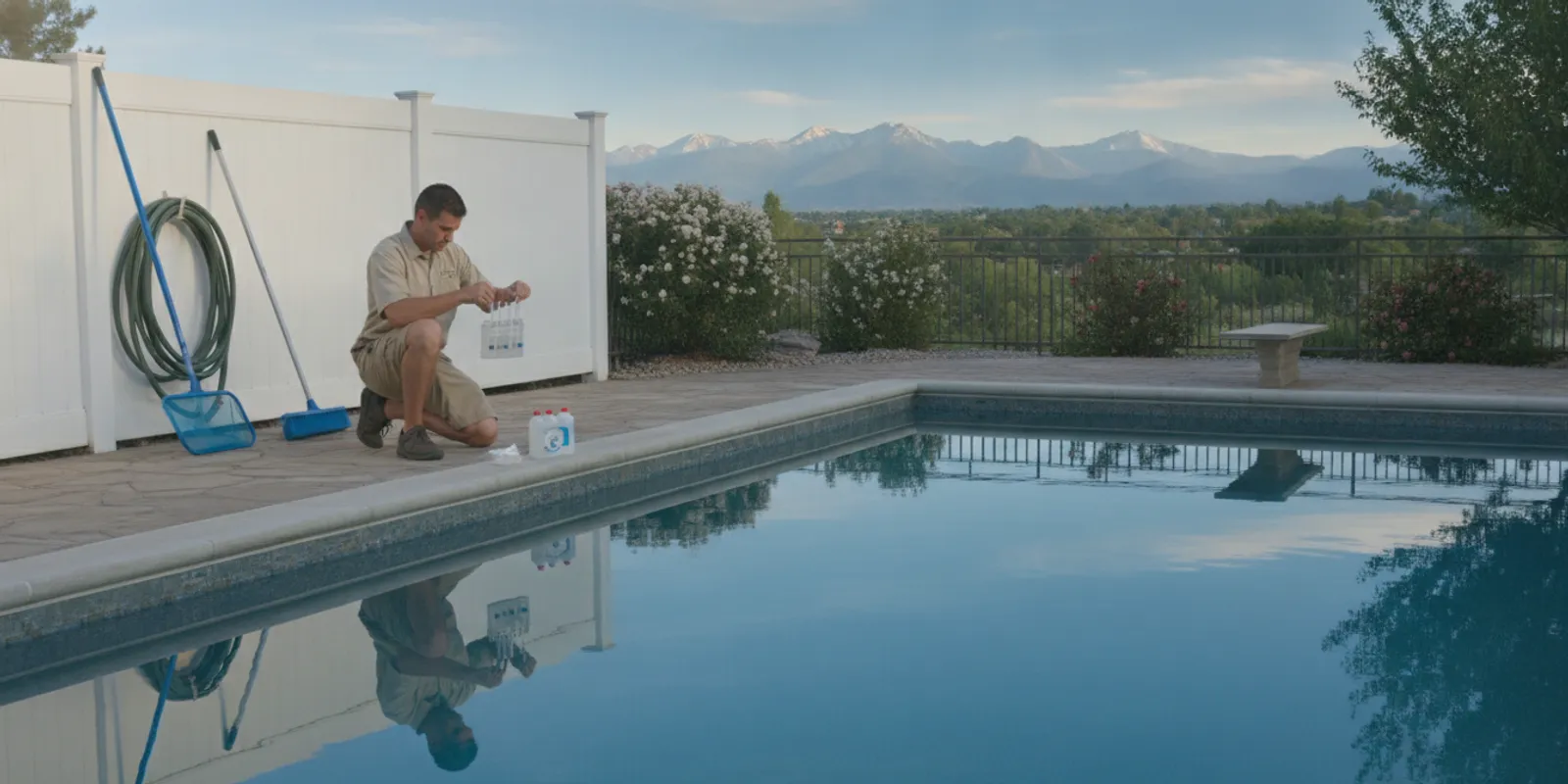
Keeping your pool water balanced is the most important part of maintenance. It ensures the water is safe, comfortable, and clear. You’ll want to test your water at least once a week using test strips or a liquid test kit. You're mainly checking the sanitizer (usually chlorine) and pH levels. Proper sanitizer levels prevent algae and bacteria from growing, while a balanced pH protects your pool equipment and prevents skin and eye irritation. Getting the right supplies and chemicals from the start makes this process much easier. If your levels are off, you’ll add small amounts of chemicals to bring them back into the ideal range.
Keeping Water Clean with Circulation and Filtration
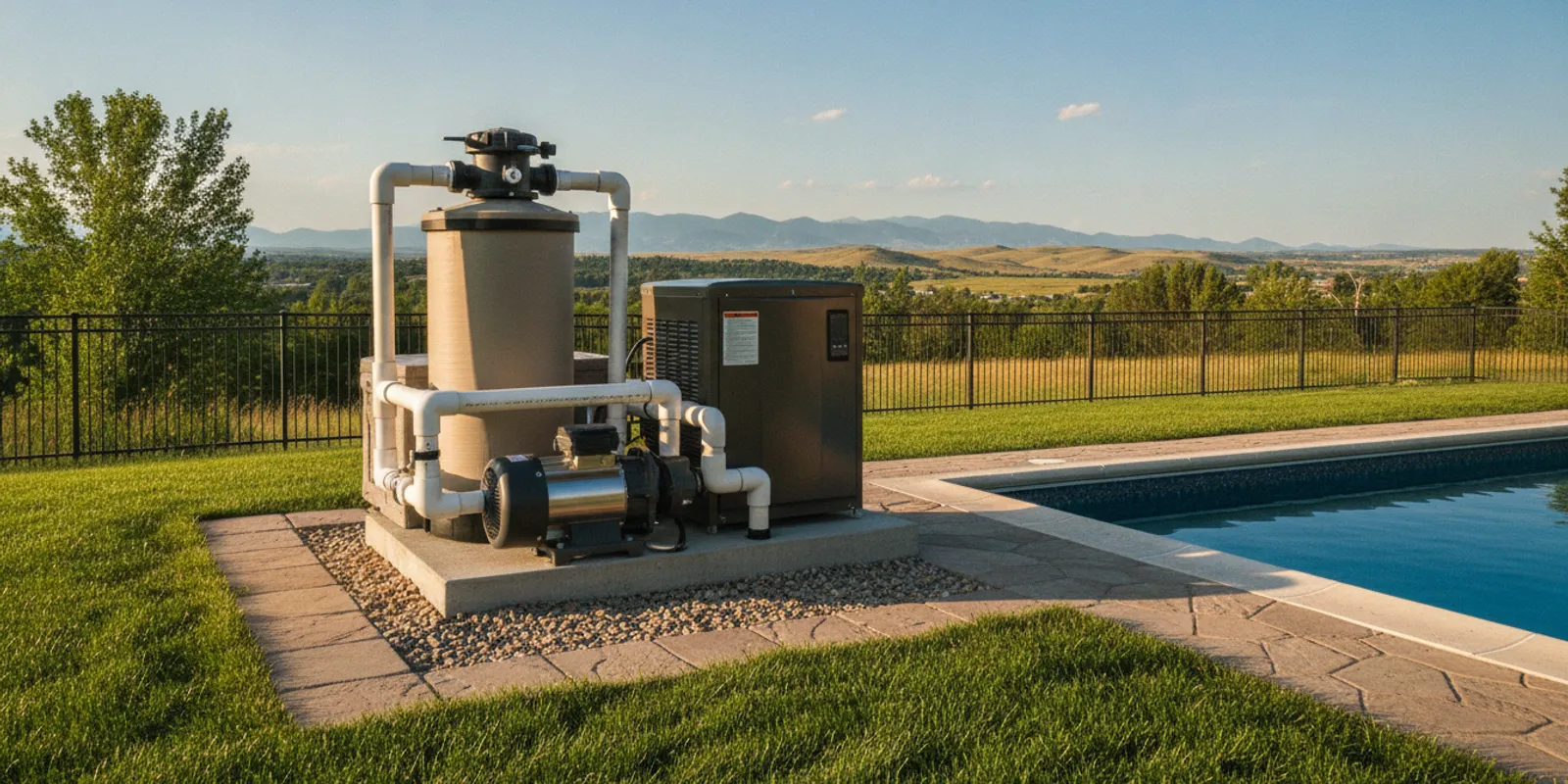
Your pool’s pump and filter are the heart of its cleaning system. The pump circulates the water, pulling it through the filter which catches dirt, debris, and other small particles. For the system to work effectively, you need to run your pump every day. Most manufacturers recommend running it for at least 8 hours daily, but check your manual for specific guidance. You’ll also need to clean your filter regularly. For sand or DE filters, this means backwashing, and for cartridge filters, it involves rinsing the cartridge with a hose. A clean filter and good circulation do a lot of the heavy lifting to keep your water sparkling.
Simple Cleaning Routines to Make Your Pool Last
Beyond water chemistry, a little physical cleaning goes a long way. You’ll want to get into the habit of skimming leaves, bugs, and other floating debris off the surface every day or two. A long-handled skimmer net makes this a quick, five-minute task. Once a week, you should also brush the pool walls and vacuum the floor to remove any dirt that has settled. This prevents grime and algae from building up and keeps your pool looking its best. If you find you don't have time for these weekly tasks, our professional cleaning and maintenance services can handle it for you.
Protecting Your Pool from Punctures and Paws
Above ground pools, especially inflatable or metal frame types with vinyl liners, are vulnerable to punctures. The best defense is a good offense. Make sure the ground beneath your pool is clear of sharp rocks, sticks, or roots before you set it up. It’s also a good idea to have a "no sharp objects" rule for the pool area. If you have a dog, be mindful that their claws can easily tear a vinyl liner. It’s best to keep pets out of the pool unless it’s specifically designed to be pet-friendly. Using a pool cover when you’re not swimming also adds a great layer of protection.
How to Winterize Your Pool in Colorado
Here in Colorado, you can’t just leave your pool to fend for itself through the winter. Freezing temperatures can cause serious damage to your pool and its equipment. Some smaller, seasonal pools are designed to be taken down and stored indoors. If you have a more durable, semi-permanent pool, you’ll need to winterize it. This process typically involves balancing the water chemistry one last time, lowering the water level below the skimmer, draining all the water from your pump and filter, and putting on a sturdy winter cover. Proper winterization is critical to ensure your pool is ready to go when the warm weather returns next year.
Knowing When to Call a Pool Pro
While most maintenance is straightforward, there will be times when you might feel stuck. Maybe you’re dealing with persistent cloudy water, your pump is making a strange noise, or you’re just not sure how to handle a specific issue. That’s when it’s time to call in a professional. Don’t spend your weekend stressing over a pool problem. If you have an issue with your pump or filter, our team is experienced with all kinds of equipment repairs and servicing. An expert can diagnose the problem quickly and get your pool back into perfect shape, saving you time and frustration.
Ready for a cleaner pool?
Denver's trusted pool care professionals since 1982. Get started today.
Schedule ServiceFrequently Asked Questions
How long does it really take to set up an above ground pool? The setup time really depends on the type of pool and how prepared you are. A simple inflatable pool can be ready for water in under an hour. For a metal frame or resin pool, you should set aside a full day. The most time-consuming part isn't assembling the pool itself, but preparing the ground. Getting the spot perfectly level and clear of debris is the most important step, so don't rush it.
Can I leave my above ground pool up during a Colorado winter? You can, but only if you have a semi-permanent model like a sturdy metal frame or resin pool. These are built to stay up year-round. However, you must winterize it properly to protect the structure and equipment from our freezing temperatures. This involves balancing the water, draining the pump and filter, and using a winter cover. Seasonal pools, like most inflatables, must be drained and stored indoors to avoid damage.
What's the most durable type of pool for the price? For the best balance of durability and cost, a metal frame pool is often the sweet spot. It offers a significant step up in sturdiness from an inflatable pool and can last for many seasons with good care. If your budget allows and you want the longest possible lifespan, a resin pool is the top choice. Its components are fantastic at resisting rust and sun damage, which is a huge plus in our climate.
Besides the pool itself, what are the absolute essential items I need to buy right away? Your pool will be unusable without a few key things. First and foremost, you need a pump and filter to keep the water circulating and clean. You'll also need a basic water testing kit and a starter set of chemicals, specifically a sanitizer like chlorine and products to adjust pH. Finally, you'll want a skimmer net for removing floating debris and a ladder for getting in and out safely. These items are the foundation of a clean and safe pool.
How often do I really need to test the water and add chemicals? For a small above ground pool, plan on testing the water at least once or twice a week. Because the water volume is smaller, things like a rainstorm or a lot of swimmers can change the chemistry quickly. Getting into a simple weekly routine of testing and adding small amounts of chemicals as needed is the best way to prevent problems like cloudy water or algae before they start.
Related Blogs