Your Guide to Swimming Pool Filter Repair
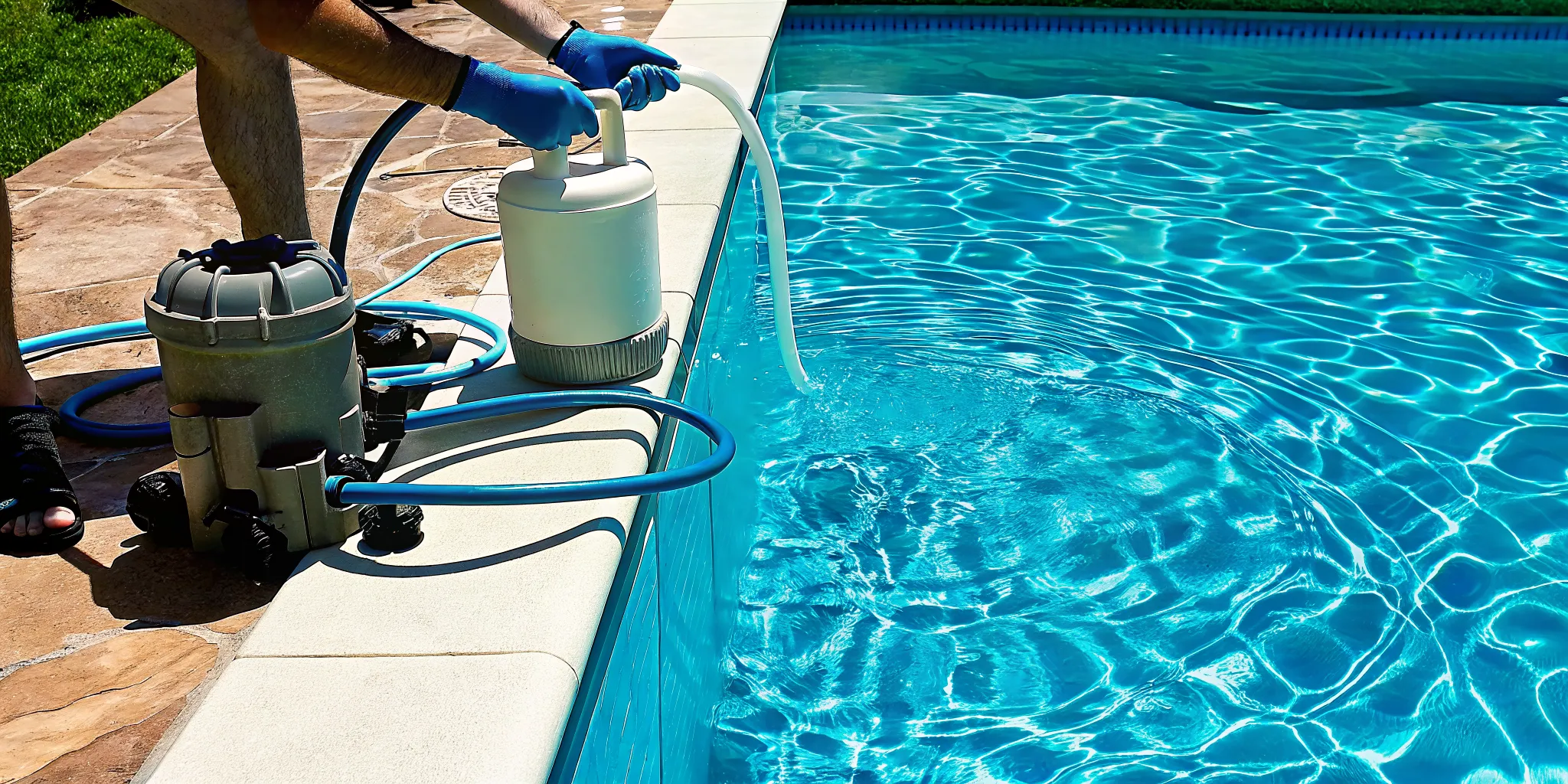
Owning a pool in the Denver area means dealing with unique challenges, from our hard water to sudden temperature swings that can put extra stress on your equipment. Your filter, in particular, takes the brunt of these local conditions. That’s why we created this guide specifically for Colorado pool owners. We’ll help you understand the common filter issues we see right here in our community, how to troubleshoot them, and what to look for in a local service. When you do need professional swimming pool filter repair, having a team that understands our climate and its impact on your equipment is absolutely essential for a lasting solution.
Ready for a cleaner pool?
Denver's trusted pool care professionals since 1982. Get started today.
Schedule ServiceKey Takeaways
- Consistent maintenance is your best defense: Small, regular tasks like cleaning baskets, monitoring the pressure gauge, and balancing your water chemistry are the most effective ways to prevent expensive repairs and keep your filter running efficiently for years.
- Know your limits with DIY repairs: While simple troubleshooting steps can solve many issues, certain red flags demand professional attention. Call a technician for problems like visible cracks, strange noises, or persistent cloudy water to ensure a safe and correct fix.
- Your filter type dictates its care: Sand, cartridge, and DE filters each have unique maintenance needs, repair costs, and lifespans. Identifying your system is the first step to providing the right care and making smart financial decisions about repair versus replacement.
Your Guide to the 3 Types of Pool Filters
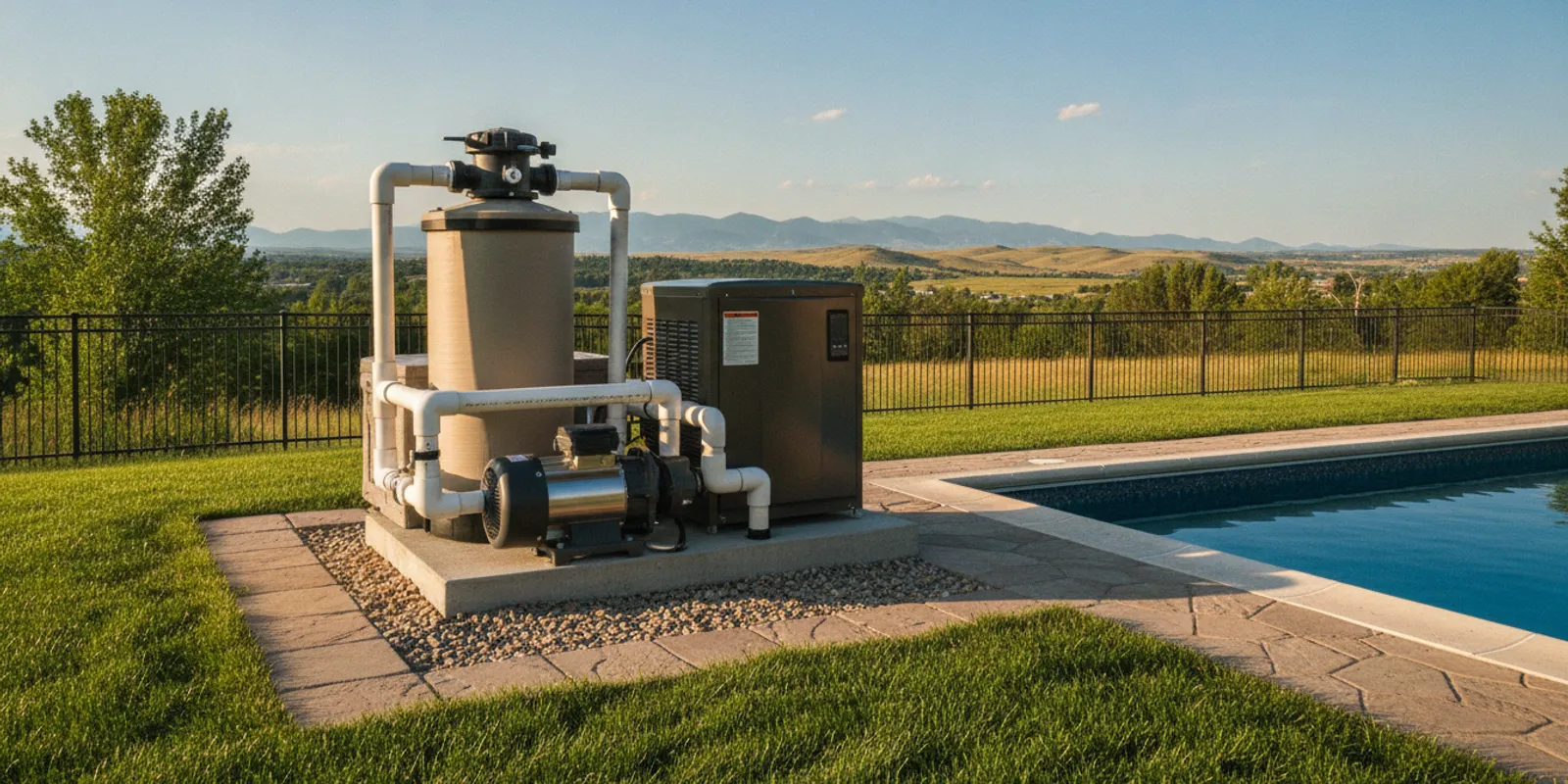
Before you can even think about a repair, you need to know what you’re working with. Your pool filter is the unsung hero of your backyard oasis, working tirelessly to keep the water clean and clear. Most residential pools use one of three main types of filters: sand, cartridge, or diatomaceous earth (DE). Each one has a unique way of getting the job done, which means they also have their own specific maintenance needs and common repair issues. Let’s break them down so you can identify your system and understand how it works.
Sand Filters
Sand filters are the old faithful of the pool world for a reason. They are simple, reliable, and have been around for ages. These filters work by pushing your pool water through a large tank filled with specially graded sand. The sand bed traps dirt, debris, and other impurities down to about 20 microns in size. While they aren't the best at catching ultra-fine particles, they do a fantastic job for most pools. Their biggest selling point is low maintenance. Instead of replacing parts, you just "backwash" the filter every few weeks, which reverses the water flow to flush out all the trapped gunk. It's a straightforward system that gets the job done.
Cartridge Filters
If you prefer less plumbing work, a cartridge filter might be what you have. These have become incredibly popular, especially for residential pools and spas. Inside the tank, there's a large, cylindrical filter made of pleated polyester fabric, kind of like a giant air filter for your car. Water flows through the pleats, and the fabric captures particles as small as 10 to 15 microns, offering a step up in filtration from sand. The best part? There’s no backwashing. When the filter gets dirty, you simply remove the cartridge and hose it down. Eventually, the cartridge will need to be replaced, but their ease of use makes them a favorite among many pool owners. Understanding the different pool filter types helps you know what to expect with maintenance.
Diatomaceous Earth (DE) Filters
For those who want the absolute clearest, most sparkling water, DE filters are the gold standard. These high-performance systems can trap microscopic particles down to an impressive 3 to 5 microns. They work by using a fine powder called diatomaceous earth, which is made from the fossilized remains of tiny aquatic organisms. This powder coats a set of grids inside the filter tank, creating an incredibly fine sieve that catches almost everything. While DE filters provide unmatched water clarity, they are the most maintenance-intensive of the three. They require periodic backwashing, and you'll need to add new diatomaceous earth powder afterward to recoat the grids.
Common Problems with Pool Filters
Your pool filter is the unsung hero of your backyard oasis, working tirelessly to keep the water clean and inviting. But like any hard-working piece of equipment, it can run into problems. Spotting the signs of filter trouble early can save you from cloudy water, costly repairs, and a lot of frustration. Let’s walk through some of the most common issues you might encounter, so you know what to look for and what it means for your pool.
Clogged or Dirty Filter
This is by far the most frequent issue pool owners face. Over time, your filter traps dirt, debris, and other contaminants, which is exactly what it’s supposed to do. But eventually, it will get clogged. You’ll notice the pressure gauge on your filter reading higher than normal, and the water flow from your return jets might seem weaker. A dirty filter can’t work effectively, leading to cloudy water. Regular cleaning and maintenance is the key to preventing this. Depending on your filter type, this means backwashing, rinsing the cartridges, or replacing the DE media. Keeping it clean ensures your pool stays sparkling.
Leaks from the Tank or Valve
A puddle of water around your filter is a clear red flag. Leaks can happen for several reasons, from a simple worn-out O-ring to a more serious crack in the filter tank itself. You might also see leaks coming from the multiport valve or other connections. While a small drip might not seem like a big deal, it wastes water and expensive chemicals. It can also be a sign of high pressure inside the tank, which could lead to a bigger failure. It’s always best to have a professional diagnose the source of a leak and perform the necessary equipment repairs to prevent further damage.
Weak Water Flow or Pressure
If the water coming out of your return jets feels more like a trickle than a strong current, you likely have a flow problem. This often goes hand-in-hand with a clogged filter, but it can also point to other issues. A blockage in the lines, a clogged pump impeller, or even an air leak in the system could be the culprit. Weak flow means your water isn't circulating properly, which affects filtration and chemical distribution. This can quickly lead to cloudy, unsanitary water. If cleaning your filter doesn't solve the problem, it’s time to investigate the entire system for blockages or other issues.
Cloudy Water After Filtering
It’s incredibly frustrating to run your filter for hours only to find the water is still murky. If your water chemistry is balanced but the pool isn't clearing up, your filter might not be capturing the fine particles it should. This can happen when the filter media is old or damaged. For sand filters, the water might be creating channels in the sand and bypassing the filtration process. In cartridge filters, a tear in the fabric can let debris pass right through. A professional can inspect your filter’s internal components to see if they need to be repaired or replaced, getting your water back to crystal clear.
Strange Noises from the Filter
Your pool equipment should operate with a consistent, low hum. If you suddenly hear new noises like grinding, rattling, or high-pitched whining coming from the filter area, pay attention. Grinding or screeching often points to worn-out bearings in the pump motor, while rattling could mean there’s a loose part or debris caught somewhere. These sounds are your equipment’s way of crying for help. Ignoring them can lead to a complete system failure, which is a much more expensive fix. Turning the system off and calling for professional equipment repairs and servicing is the safest move.
How to Troubleshoot Your Pool Filter: A DIY Guide
When your pool water starts looking a little less than perfect, the filter is often the first place to look. That initial feeling of frustration is completely normal, but don't assume you're facing a costly repair just yet. Many of the most common filter problems have surprisingly simple solutions that you can handle yourself in just a few minutes. Before you pick up the phone, taking the time to walk through a few diagnostic steps can save you time, money, and a lot of stress.
Think of this as a first-aid checkup for your pool’s circulation system. By methodically checking each component, you can systematically rule out potential issues and pinpoint the source of the trouble. This process not only helps you solve minor problems on your own but also makes you a more informed pool owner. Even if you do end up needing professional help, you’ll be able to provide a clear and detailed description of the problem, which helps us diagnose and fix it faster. Let's go through the process step-by-step to see if we can get your water sparkling again.
Step 1: Check Your Power and Breaker
It might sound like the classic "is it plugged in?" question, but you’d be surprised how often a filter issue is just a simple power problem. Before you assume the worst, start with the basics. Head over to your home’s main circuit breaker panel and look for the breaker connected to your pool equipment; it's usually a larger, double-pole breaker. If it has been tripped to the middle or "Off" position, flip it firmly back to "On." Also, check any external timers or automation systems to ensure they are set correctly and have power. If the breaker trips again immediately after you reset it, that’s a clear sign of an electrical fault. For your safety, do not try to reset it again. This situation requires professional attention, so it's time to call for equipment repairs and servicing to safely handle the issue.
Step 2: Inspect the Pressure Gauge
Your filter’s pressure gauge is the dashboard for your pool’s circulation system, giving you a real-time look at what’s happening inside the tank. To use it effectively, you first need to know your filter’s normal operating pressure. You can find this "baseline" by checking the PSI reading right after you’ve thoroughly cleaned the filter. If the current gauge reading is 8-10 PSI or higher than that baseline, it’s a clear sign your filter is clogged with dirt and needs to be cleaned. On the other hand, if the pressure is unusually low, you might have a blockage before the filter, like a full skimmer basket that’s restricting water flow. A gauge that’s stuck on zero or seems broken can’t give you any useful information, so it’s best to have it replaced so you can properly monitor your system’s health.
Step 3: Clean the Skimmer and Pump Baskets
If your pressure gauge is reading low or you just haven’t checked them in a while, your skimmer and pump baskets are the next stop. These baskets are your first line of defense, designed to catch larger debris like leaves, twigs, and bugs before they can reach and clog your pump or filter. To clean them, first turn off your pool pump at the breaker. Then, open the skimmer lids by the poolside and lift out the baskets to empty them. The pump basket is usually found under a clear lid on the pump itself. Twist the lid off (it may be tight), pull out the basket, and clear out any debris you find. Keeping these baskets clean is a key part of routine cleaning and maintenance and is essential for maintaining strong water flow and protecting your equipment.
Step 4: Look for Leaks, Damage, and Worn O-Rings
Take a slow walk around your equipment pad and perform a careful visual inspection. Look for any drips, puddles, or spray coming from the filter tank, multiport valve, or plumbing connections. Even a small drip can lead to significant water loss over time and throw off your water chemistry. Pay close attention to the large O-ring that seals the filter tank; these rubber gaskets can dry out, stretch, or crack, causing leaks at the tank's seam. Replacing a worn O-ring is often a straightforward fix. However, if you spot any cracks on the filter tank itself, that’s a more serious issue. A cracked tank can fail under pressure, so this requires immediate professional attention to prevent a major blowout.
Step 5: Backwash or Clean Your Filter
If high pressure was your issue, it’s time to give your filter a good cleaning. The method depends on your filter type. For sand and diatomaceous earth (DE) filters, this means backwashing. This process reverses the flow of water through the filter to flush out all the trapped dirt and debris, sending it out the waste line. For cartridge filters, you’ll need to turn the system off, open the tank, and remove the cartridges. Then, you can hose them down thoroughly with a garden hose to remove the gunk between the pleats. This process should be done whenever your pressure gauge indicates it’s time, not on a fixed schedule. Regular filter cleaning is fundamental to keeping your water clear and your equipment running efficiently without unnecessary strain.
Step 6: Check the Valves and Return Jets
Finally, let’s make sure water is flowing where it’s supposed to. Check that your filter’s multiport valve is securely set to the "Filter" position. If it was accidentally left on "Backwash," "Rinse," or "Waste" after cleaning, your water won't circulate or filter correctly. Next, walk over to the pool and look at the return jets where the clean water flows back in. Is the flow weak, or is there no flow at all? Weak flow, even after cleaning the filter and baskets, points to a persistent clog somewhere in the lines or a problem with the pump itself. If you’ve gone through all these steps and your water is still cloudy or the system isn’t working right, you’ve done your due diligence. It’s time to call in a pro for equipment repairs.
When to Call a Pro for Pool Filter Repair
You’ve tried the DIY troubleshooting steps, but your pool still isn’t quite right. While it’s great to be a hands-on pool owner, some issues are bigger than a simple fix. Knowing when to put down the tools and pick up the phone can save you time, money, and a lot of frustration. If you notice any of the following signs, it’s a clear signal that your filter needs professional attention. Ignoring these problems can lead to more significant damage and costly repairs down the line.
Your Water Is Still Cloudy
You’ve balanced your chemicals and run the filter for hours, but the water remains stubbornly cloudy or murky. Clear, sparkling water is the hallmark of a healthy pool, and persistent cloudiness is often the first sign of a filter problem. It could mean the filter medium is old, there’s a crack in a component, or the system is simply not filtering effectively. A professional can diagnose the exact cause, whether it’s a simple fix or a sign you need more intensive equipment repairs & servicing. They have the tools to get to the root of the problem and restore your pool’s clarity.
You See Cracks or Visible Damage
This one is straightforward: if you see cracks on the filter tank, lid, or any part of the assembly, it’s time to call for help. Even a small crack can worsen under pressure, leading to major leaks and a complete system failure. Physical damage compromises the filter's integrity and safety. A professional technician can assess the damage to determine if a repair is possible or if a full replacement is necessary. Don't risk a major flood or equipment breakdown; address visible damage immediately with a professional remodel or rehab service if the damage is extensive.
You're Backwashing Constantly
Backwashing is a normal part of pool maintenance, but you shouldn’t have to do it every few days. If you find yourself backwashing far more frequently than usual, it’s a red flag. This often indicates an internal problem, like channeling in a sand filter or worn-out DE grids that can’t hold a proper coating. Constant backwashing not only wastes a significant amount of water and chemicals but also signals that your filter isn’t cleaning efficiently. A technician can open up the unit and identify what’s causing the rapid pressure buildup, providing a lasting solution.
The Filter Is Making Strange Noises
Your pool equipment should operate with a consistent, low hum. If your filter system suddenly starts making loud, unusual noises like grinding, screeching, or rattling, turn it off and call a professional. These sounds often point to a failing motor, worn-out bearings, or a broken internal part. Running the system with these issues can cause a chain reaction of damage, turning a small repair into a full replacement. A qualified technician can safely diagnose the source of the noise and perform the necessary equipment repairs before the problem gets worse.
Your Energy Bill Suddenly Spiked
Have you noticed a surprising jump in your monthly energy bill without any other explanation? Your pool equipment might be the culprit. A clogged or inefficient filter forces the pump to work much harder to circulate water, which consumes a lot more electricity. This strain not only costs you money but also puts excessive wear on the pump motor, shortening its lifespan. A professional can inspect your entire system to find the source of the inefficiency, ensuring your equipment runs smoothly and your energy costs stay under control.
What Does Pool Filter Repair Cost?
When your pool filter starts acting up, one of the first questions that comes to mind is, "How much is this going to cost?" It’s a fair question, and the answer depends on a few key things. Generally, you can expect a professional pool filter repair to cost anywhere from $100 to $500. The final price tag is influenced by the type of filter you have (sand, cartridge, or DE), the specific part that needs fixing, and the complexity of the job.
A simple fix, like replacing a worn-out O-ring or a pressure gauge, will be on the lower end of that scale. More involved problems, such as a cracked filter tank or a faulty multiport valve, will naturally cost more. At Neptune Pools, we believe in transparent pricing, so you’ll always know what to expect before we begin any equipment repairs. Our goal is to get your filter running efficiently again without any surprises on the bill. Understanding the potential costs upfront helps you plan and make the best decision for your pool’s health.
Cost Breakdown by Filter Type
The type of filter your pool uses is the biggest factor in determining repair costs. Each system has its own unique components and common issues.
Sand Filters: These are often the most budget-friendly to repair, typically costing between $100 and $300. Common jobs include replacing the sand (which should be done every 3-5 years) or fixing the multiport valve that directs water flow.
Cartridge Filters: Repairs for cartridge filters usually fall in the $150 to $400 range. The most frequent fix is simply replacing the filter cartridge itself, which can get clogged with debris over time.
Diatomaceous Earth (DE) Filters: DE filters offer the finest filtration, but they are also the most complex and expensive to repair, with costs ranging from $200 to $500. Repairs often involve replacing the internal grids or manifolds, which are more delicate and specialized parts.
Repair vs. Replace: What's the Right Move?
Deciding whether to repair or replace your filter can feel like a tough call, but a couple of guidelines can make it easier. First, consider the age of your filter. If your unit is over 10 years old and starting to have frequent problems, investing in a new, more efficient model is often the smarter long-term choice. Technology improves, and a new filter can offer better performance and energy savings.
Here’s another helpful rule of thumb: if the estimated cost of the repair is more than 50% of the cost of a brand-new filter, replacement is almost always the more economical option. Pouring money into an aging unit that might break down again soon doesn't make financial sense. A certified technician can give you a clear quote for both options, helping you weigh the pros and cons with confidence.
Pool Filter Repair Myths (and the Truth)
When it comes to pool filters, a little bit of bad advice can lead to big problems. It’s easy to get tripped up by misinformation, especially when you’re just trying to get your pool water clear again. Let's clear the air and tackle some of the most common myths I hear from pool owners. Knowing the truth will help you keep your filter running smoothly and your water sparkling clean, saving you from unnecessary headaches and expenses down the road.
Myth: All Pool Filters Are the Same
It’s a common assumption, but the truth is that not all pool filters are created equal. The three main types of pool filters are sand, cartridge, and diatomaceous earth (DE), and each operates differently. Sand filters are known for being low-maintenance, but they don’t catch the finest particles. Cartridge filters trap smaller debris but require manual cleaning. DE filters offer the best filtration but are the most hands-on. Understanding which type you have is the first step toward proper maintenance and effective troubleshooting. If you’re not sure what you’re working with, a quick professional assessment can point you in the right direction.
Myth: A Bigger Filter Is Always Better
While it might seem logical that a larger filter would do a better job, that’s not always the case. The key is to have a filter that is correctly sized for your pool’s volume and pump capacity. An oversized filter can lead to inefficient water flow, a problem known as "low turnover," which means your water isn't getting cleaned as effectively as it should. When you choose the right pool filter, you ensure optimal performance and energy efficiency. If you’re thinking about an upgrade, it’s best to get professional advice to match the filter perfectly to your pool’s specific needs.
Myth: Filter Media Lasts Forever
Your filter’s media is the workhorse of your system, but it has a limited lifespan. Over time, the media gets worn down and clogged with oils and debris, making it less effective. Sand in a sand filter should typically be replaced every 3 to 5 years. Cartridges usually last 2 to 5 years, depending on how well they’re maintained. Continuing to use old media means your filter has to work harder for worse results, leading to cloudy water and extra strain on your equipment. Knowing how long pool filter media lasts and replacing it on schedule is essential for keeping your water pristine.
Myth: DIY Is Always the Best Option
I’m a huge fan of empowering homeowners, but there are times when a DIY fix can cause more harm than good. While tasks like cleaning a skimmer basket are simple enough, pool filter systems can be complex. An incorrect repair can lead to bigger leaks, damage the equipment, or even create safety hazards. If you’re dealing with cracked housing, persistent leaks, or strange noises, it’s much safer and often more cost-effective in the long run to call a pool professional. Our certified technicians at Neptune Pools can handle complex equipment repairs and servicing correctly the first time.
How to Make Your Pool Filter Last Longer
A little preventative care goes a long way in extending the life of your pool filter and saving you from surprise repair bills. Think of it like regular maintenance for your car; staying on top of small tasks helps you avoid major breakdowns. By incorporating a few simple habits into your pool care routine, you can keep your filter running efficiently for years. These steps reduce wear and tear, improve performance, and ensure your pool water stays sparkling clean all season long.
Balance Your Water Chemistry
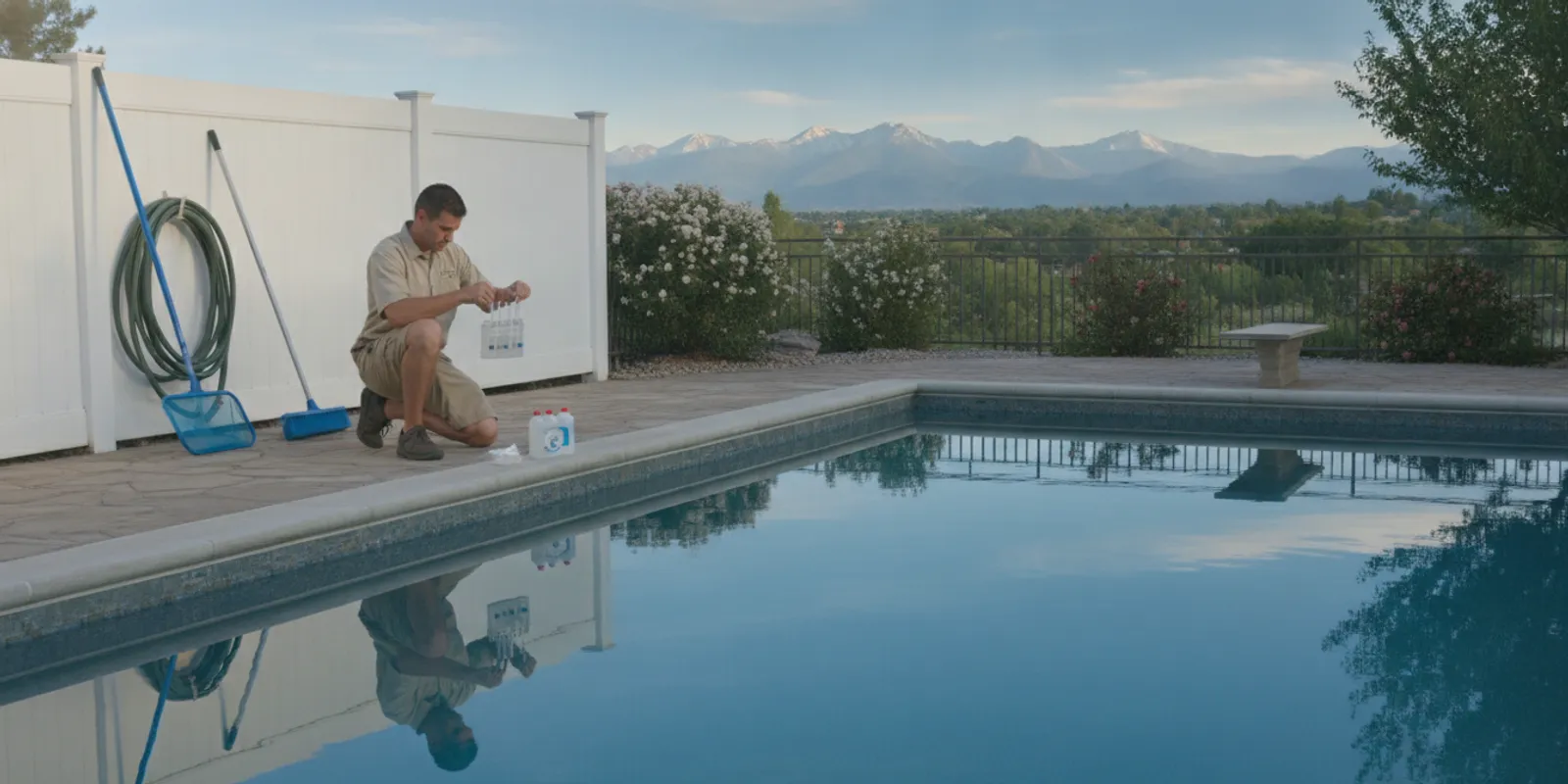
Keeping your pool water properly balanced is one of the most important things you can do for your filter. When pH and alkalinity levels are off, the water can become corrosive or lead to scale buildup. Corrosion eats away at the filter’s internal components, while scale clogs the filter media, forcing the system to work harder. According to the CDC, your pool’s pH should stay between 7.2 and 7.8. Test your water weekly and adjust as needed. If you’re managing your own pool, we have the professional-grade supplies and chemicals you need to get the job done right.
Skim and Vacuum Regularly
Every leaf, bug, and bit of dirt that lands in your pool eventually makes its way to the filter. You can give your filter a huge break by removing this debris before it gets there. Skim the surface of your pool daily and vacuum it at least once a week. This simple habit drastically reduces the load on your filter, meaning you won’t have to clean or backwash it as often. Less work for the filter means less wear and tear over time. If your schedule is packed, our weekly cleaning and maintenance service can handle the skimming and vacuuming for you, keeping your filter happy and your water pristine.
Replace Worn Parts Early
Don’t wait for a small problem to become a big, expensive one. Make it a habit to visually inspect your filter system every few weeks. Look for worn-out O-rings, cracked casings, or pressure gauges that are stuck. Replacing a simple part like an O-ring can prevent a major leak that could damage the entire system or surrounding equipment. Catching these issues early is key to preventing catastrophic failure. If you spot something that doesn't look right, our team is ready to help with expert equipment repairs and servicing to get your filter back in top shape.
Schedule Professional Maintenance
Even the most diligent pool owner can miss the subtle signs of a developing filter problem. That’s why having a professional inspect your system at least once a year is a smart move. A certified technician can perform a detailed check-up, clean hard-to-reach components, and spot potential issues that aren't visible to the untrained eye. This annual service ensures your filter is running at peak efficiency and can significantly extend its lifespan. As Denver-area experts, we understand the unique demands Colorado weather places on pool equipment and can provide the specialized care your filter needs to last.
Choosing the Right Pool Filter Repair Service
Okay, your filter is acting up, and you’ve decided it’s time to call in a professional. That’s a great call. But finding the right company can feel like a job in itself. You want someone who will fix the problem correctly the first time without leaving you with a surprise bill. The good news is that a little homework goes a long way in finding a trustworthy partner to care for your pool.
When you’re searching for a repair service, you’re not just looking for a quick fix. You’re looking for a reliable team you can count on for years to come. Think about it in terms of four key areas: their technical skill, their pricing honesty, their professional credentials, and their local reputation. Focusing on these points will help you sort through the options and choose a company that values your peace of mind as much as you do. Let’s walk through what to look for in each of these categories.
Look for Certified, Experienced Technicians
When someone is working on your pool’s essential equipment, you want to know they’re qualified for the job. Look for a company that highlights its team’s certifications and training. Experienced technicians have seen it all, from common clogs to complex mechanical failures, and they know how to diagnose issues accurately and safely. A company that invests in its team’s education is a company that cares about quality. This expertise ensures your equipment repairs and servicing are done right, protecting your investment and giving you confidence that your pool is in capable hands. Don't be afraid to ask about their team's qualifications when you call.
Ask for Transparent Pricing
No one likes financial surprises, especially when it comes to home repairs. A reputable pool service company will always be upfront about costs. Before you agree to any work, you should receive a clear, detailed estimate that outlines the price of parts and labor. If a company is hesitant to provide a written quote or their pricing seems vague, consider it a red flag. Honest professionals are happy to walk you through the expected costs and timeline because they want you to feel comfortable and informed. This transparency is the foundation of a good working relationship and shows that the company respects you and your budget.
Verify Licensing, Insurance, and Warranties
This step is all about protecting yourself. Before hiring anyone, confirm that the company is fully licensed and insured. Proper insurance protects you from any liability in the unlikely event of an accident on your property during the repair. It’s a basic requirement for any professional service provider. Also, ask about warranties on both parts and labor. A company that stands behind its work with a solid warranty shows confidence in the quality of its repairs. This gives you an extra layer of assurance that the fix is built to last and that the company will be there if something goes wrong.
Prioritize Local Expertise and Reliability
A local company understands the unique challenges of your area. Here in the Denver Metro area, our pools face specific conditions, from hard water to dramatic temperature shifts. A team with local expertise knows which equipment holds up best and how to handle common regional issues. Plus, a local provider can often offer more reliable scheduling and quicker response times. When you choose a local pool professional, you’re not just hiring a technician; you’re partnering with a neighbor who is invested in maintaining a great reputation right here in our community.
Related Articles
- How to Clean and Maintain Your Pool Filter
- Pool Filter Types: Sand, Cartridge, and DE Explained
- Diatomaceous Earth Filters: What You Need to Know
- Equipment Repairs & Servicing for Pools
- Remodels and Rehabs: When to Replace Pool Equipment
Ready for a cleaner pool?
Denver's trusted pool care professionals since 1982. Get started today.
Schedule ServiceFrequently Asked Questions
How often should I clean my pool filter? This is a great question, and the best answer isn't based on a calendar. Instead of cleaning it every month, let your filter's pressure gauge tell you when it's time. First, get a "clean" pressure reading right after you've backwashed or cleaned the cartridges. When the gauge reads 8-10 PSI higher than that clean baseline, it's time to clean it again. Cleaning it too often is unnecessary, and waiting too long puts a strain on your equipment, so using the gauge is the perfect middle ground.
My water is still cloudy even after cleaning the filter. What should I do next? It's so frustrating when you do the work and don't see results. If your filter is clean but the water isn't, the first step is to double-check your water chemistry. Unbalanced water can cause cloudiness that no filter can fix. If your chemical levels are perfect, the issue might be internal to the filter. The filter media (the sand, cartridge, or DE grids) could be old and ineffective, or there might be a crack in an internal part that is allowing water to bypass the filtration process. At this point, it's best to have a professional take a look inside.
Is it better to repair my filter or just replace it? This is a decision that really comes down to cost and age. A good rule of thumb is to compare the repair quote to the price of a new unit. If the repair is going to cost more than 50% of a replacement, it's usually more sensible to invest in a new filter. Also, consider the filter's age. If your unit is over a decade old and needs frequent repairs, replacing it with a modern, more efficient model will likely save you more money and headaches in the long run.
What's the most common mistake people make when trying to fix their own filter? The most common mistake I see is misdiagnosing the problem. It's easy to assume high pressure always means you just need to backwash, but it could also signal a blockage elsewhere. Likewise, people sometimes try to patch a cracked filter tank, which is a major safety risk since the tank is under extreme pressure. While DIY cleaning is great, attempting complex repairs without the right knowledge can lead to bigger, more expensive problems or even damage your pump.
Why would my filter pressure suddenly be lower than normal? While high pressure points to a clog inside your filter, low pressure almost always means there's a blockage before the water gets to the filter. The first places to check are your skimmer baskets and the pump basket. They are designed to catch large debris, and if they get full of leaves or other gunk, they can starve the pump for water. This reduces the overall flow and causes the pressure reading to drop. Clearing out those baskets will often solve the problem instantly.
Related Blogs