Swimming Pool 101: Types, Costs, and More
Before you can choose the right swimming pool, it helps to think about how you want to live in your backyard. Are you picturing a space for lively kids’ parties and neighborhood barbecues? Or are you seeking a quiet, peaceful retreat for morning laps and evening relaxation? The perfect pool is one that seamlessly fits your lifestyle. This guide is designed to help you match your vision to the right options. We’ll explore how different pool types, sizes, and features can support your goals, whether they’re focused on family fun, fitness, or pure tranquility, helping you create an outdoor space that truly works for you.
Ready for a cleaner pool?
Denver's trusted pool care professionals since 1982. Get started today.
Schedule ServiceKey Takeaways
- Choose a pool based on your lifestyle: Consider how you plan to use your pool, from hosting parties to daily fitness, to select the best type. Your choice of material, like concrete, fiberglass, or vinyl, will impact both the design and long-term maintenance.
- Plan for the total cost, not just installation: A realistic budget includes ongoing expenses for maintenance, chemicals, utilities, and future repairs. Factoring in these long-term costs from the start helps you make a smart financial decision without future surprises.
- Prioritize routine maintenance for a lasting investment: Consistent care is essential for a clean and safe pool. A simple weekly routine of cleaning, balancing chemicals, and performing proper seasonal winterization protects your equipment and ensures your pool is always ready to use.
What Are the Different Types of Swimming Pools?
Choosing a swimming pool is one of the most exciting parts of the process. The right pool for your home depends on your budget, the size of your yard, and how you imagine using it. Are you looking for a place to host neighborhood parties, a private spot for your morning workout, or a luxurious feature that complements your home’s architecture? Each type of pool offers a different experience.
Thinking about these factors will help you narrow down your options. Some pools are permanent structures that become a core part of your property, while others offer more flexibility. As you explore the different types, consider not just the initial installation but also the long-term enjoyment and maintenance needs for your Denver home. The materials, size, and features all play a role in what your weekly and seasonal care will look like. Let’s walk through the most popular choices to help you find the perfect fit for your lifestyle.
In-Ground Pools
When you picture a classic backyard pool, you’re probably thinking of an in-ground pool. These pools are built directly into your landscape, creating a permanent and durable addition to your property. They offer incredible design flexibility, with materials like concrete, vinyl, and fiberglass allowing for custom shapes and sizes. While the initial investment is higher than other types, an in-ground pool significantly adds to your home's value and appeal. Because they are built to last, they are also the perfect canvas for future updates, whether you're considering a simple resurfacing or a complete remodel and rehabilitation down the line.
Above-Ground Pools
Above-ground pools are a fantastic option if you're working with a smaller budget or want a less permanent solution. As the name suggests, these pools sit on top of the ground and are typically made from steel or resin walls with a vinyl liner. Installation is much faster and less disruptive than for an in-ground pool, making them a popular entry point into pool ownership. While they don't offer the same customization or longevity as in-ground models, they provide all the fun and relaxation of a personal swimming spot. They are also a great way to test the waters of pool ownership before committing to a permanent structure.
Lap Pools
If your main goal is fitness, a lap pool is an excellent choice. These pools are long, narrow, and specifically designed for swimming continuous laps. They are a space-efficient solution, making them ideal for smaller or more narrow Denver backyards where a traditional-sized pool might not fit. A lap pool allows you to get a full-body workout without ever leaving home, turning your backyard into a personal wellness retreat. It’s a practical and health-conscious option that focuses on function while still offering a beautiful water feature for your property.
Infinity Pools
Infinity pools, also known as zero-edge or negative-edge pools, create a stunning visual effect where the water appears to flow over an edge and merge with the horizon. Often seen at luxury resorts, they bring a touch of high-end design to a residential backyard. This style works best on properties with a slope or a scenic view, like those overlooking the Front Range, as it enhances the natural landscape. Due to their complex construction and engineering, infinity pools are a premium option that requires a significant investment, but the breathtaking result is truly one-of-a-kind.
Plunge Pools and Swim Spas
For small yards or homeowners who prioritize relaxation over swimming, plunge pools are a perfect fit. These are small, deep pools designed for cooling off, wading, and unwinding rather than swimming laps. You can easily add features like jets and heaters for a spa-like experience.
A swim spa is another brilliant hybrid, combining the features of a hot tub and a pool. It uses powerful jets to create a current you can swim against in place. Because of their compact size and temperature control, swim spas are an amazing option for year-round use in Colorado. Our expert team provides dedicated spa services to keep these versatile systems running perfectly.
What Are the Benefits of Owning a Pool?
Thinking about adding a pool? It’s one of the best additions you can make to your home, turning your backyard into a personal retreat. A pool is so much more than a place to cool off on a hot Denver day. It’s a center for health and wellness, a smart investment in your property, and the perfect backdrop for making memories with family and friends. Let’s look at some of the biggest benefits that come with owning your own swimming pool.
Health and Fitness Benefits
Having a pool in your backyard is like having a private gym that’s actually fun to use. Swimming is a fantastic low-impact exercise, which means it’s gentle on your joints while still providing a full-body workout. It’s perfect for people of all ages and fitness levels. According to the CDC, the health benefits of swimming are extensive, from improving cardiovascular strength and building endurance to reducing stress. Just a few laps can help clear your mind after a long day. It’s a simple way to weave consistent, enjoyable physical activity into your daily routine without ever having to leave home.
Increased Property Value
A beautiful, well-cared-for pool can be a major selling point for your home. While you’re enjoying it now, it’s also an investment that can pay off later. A pool often makes a property more desirable to potential buyers, especially in a competitive market. Homes with pools can see a significant increase in value, turning your fun-in-the-sun feature into a smart financial asset. Of course, the key is keeping it in great shape. An outdated or neglected pool won't have the same appeal, which is why regular maintenance and timely remodels or rehabs are so important for protecting your investment and ensuring it adds maximum value to your home.
A Hub for Fun and Relaxation
Imagine your backyard as the go-to spot for every summer gathering. A pool naturally becomes the heart of your home’s social life, creating the perfect setting for everything from kids’ birthday parties to relaxed weekend barbecues with friends. It’s a place to connect and make lasting memories. But it’s also your personal escape. There’s nothing quite like unwinding by the water after a busy week or starting your morning with a quiet, peaceful float. Your pool transforms your outdoor space into a private oasis for both entertainment and stress relief. And with professional cleaning and maintenance, your oasis is always ready for fun or relaxation whenever you are.
What Are Pools Made Of? A Look at Materials
When you picture your dream pool, you probably think about the shape, the sparkling water, and all the fun you’ll have. But one of the most important decisions you'll make is what the pool is actually made of. The material of an in-ground pool affects everything from the initial price and installation timeline to its appearance and how much work it takes to keep it clean. It’s a choice that has long-term implications for both your budget and your weekend to-do list, so it's worth taking the time to understand your options.
The three main players in the world of in-ground pools are concrete, fiberglass, and vinyl. Each one comes with its own set of pros and cons that can make it the perfect fit for one family and the wrong choice for another. Concrete offers nearly limitless design freedom, while fiberglass provides a speedy installation and a smooth finish. Vinyl liner pools are often the most affordable entry point into pool ownership. Understanding the key differences will help you choose the right foundation for your backyard oasis. If you're considering updating an existing pool, the material is also a major factor in planning successful remodels and rehabs, as it dictates what changes are possible.
Concrete
If you want a pool that’s completely unique, concrete is the way to go. Built using a steel-reinforced concrete shell, these pools offer total design flexibility. You can create any shape, size, or depth you can imagine, from a classic rectangle to a freeform lagoon. Real estate experts note that concrete pools can be finished with plaster, pebble aggregate, or tile for a custom look. This durability and customization comes at a price, as concrete pools are typically the most expensive to install. They also require more hands-on maintenance, including regular brushing to prevent algae on the porous surface and eventual replastering every 10 to 15 years.
Fiberglass
For those who value speed and simplicity, fiberglass pools are an excellent choice. These pools are pre-manufactured as a single shell in a factory and then delivered to your home, ready to be placed in the excavated hole. This process makes installation much faster than building a concrete pool. The smooth, non-porous gel coat surface is a major benefit; it’s gentle on your feet, naturally resists algae growth, and requires fewer chemicals to maintain. While you can’t customize the shape, fiberglass pools come in a wide variety of modern designs and sizes, making it easy to find one that fits your yard and style.
Vinyl
Vinyl liner pools are the most affordable way to get an in-ground pool, making them a very popular option. This type of pool is constructed with a wall panel frame, typically made of steel or polymer, that sits on a concrete footing. A custom-fitted vinyl liner is then attached to the frame to create a waterproof surface. The Pool & Hot Tub Alliance highlights that these liners come in many patterns and can be replaced to give your pool a fresh look. While the initial cost is lower, the main trade-off is durability. The liner can be punctured by sharp objects, and it will need to be replaced every 5 to 10 years, which is an important long-term cost to factor in.
How Much Does a Swimming Pool Cost?
Thinking about adding a pool is exciting, but the price tag is often the first big question. The total cost of a swimming pool is more than just the initial installation; it includes the type of pool you choose, long-term maintenance, and other features that make your backyard oasis complete. Understanding the full financial picture from the start helps you set a realistic budget and make a smart investment in your home.
The final cost can vary significantly based on size, materials, and custom features. For example, a simple, pre-designed pool will cost less than a custom-shaped gunite pool with an attached spa and waterfall. It's helpful to break the expenses down into two categories: the upfront installation price and the ongoing cost of ownership. We'll explore both so you can plan effectively. Whether you're starting from scratch or considering a major pool remodel, knowing these numbers will empower you to create the perfect pool for your family and your budget.
Installation Costs by Pool Type
The material you choose for your in-ground pool is the biggest factor in your initial installation cost. The three most common types are fiberglass, concrete, and vinyl liner. A vinyl liner pool is the most affordable option upfront, typically ranging from $45,000 to $100,000. Concrete (or gunite) pools offer complete customization in shape and size, with costs generally falling between $95,000 and $225,000. Fiberglass pools are known for their quick installation and durability, with a price range of $85,000 to $200,000. This detailed inground pool cost guide can provide even more specifics as you compare your options.
Ongoing Maintenance Costs
The sticker price is just the beginning; the long-term cost of ownership is just as important. Over a decade, a fiberglass pool is often the most affordable because its non-porous surface resists algae and requires fewer chemicals. Concrete pools, while durable, need to be resurfaced every 10 to 15 years, which is a significant expense. Vinyl liner pools have the lowest upfront cost but require you to replace the liner every 5 to 9 years. Factoring in routine cleaning and maintenance alongside these larger periodic costs will give you a true sense of what to expect year after year.
Planning for Hidden Costs
A pool quote doesn't always cover the entire project. It's crucial to plan for additional expenses that are often handled separately. These can include landscaping, decking or a patio, required safety fencing, and electrical work to power the pump and lighting. These "hidden" costs can easily add another $25,000 to $50,000 to your total budget. When getting quotes, always ask for a detailed breakdown of what’s included. Make sure you know if permits, water to fill the pool, and essential equipment are part of the package. Planning for these extras ensures your pool project stays on budget without any surprises.
Key Factors to Consider Before Installing a Pool
Deciding to add a swimming pool to your home is an exciting step. Before you start picking out pool floats, it’s important to think through a few key details. Planning ahead ensures your new pool fits your space, your budget, and your lifestyle perfectly. From understanding the full cost to working with local rules, here are the essential factors to consider as you begin the process.
Your Budget and Total Cost of Ownership
Thinking about your budget is more than just looking at the installation price. It’s about understanding the total cost of ownership over the pool's lifetime. The initial investment covers the pool itself, labor, and landscaping, but the costs don't stop there. You’ll also want to plan for ongoing expenses like water, electricity, and pool chemicals.
Regular maintenance, potential repairs, and seasonal opening and closing services are also part of the equation. Creating a realistic budget that includes both the upfront price and these long-term costs will help you enjoy your pool for years to come without any financial surprises. A clear financial plan is the first step toward a stress-free pool experience.
Choosing the Right Spot in Your Yard
Where you place your pool is just as important as the pool type you choose. Take a walk around your yard and consider a few things. You'll want a spot that gets plenty of sunshine to help naturally warm the water, but you might also want some shade for lounging. Think about visibility from the house, especially if you have children.
Also, consider the logistics. Avoid placing your pool directly under trees to minimize leaf debris, and be mindful of underground utility lines. The right location will not only make your pool easier to maintain but will also create a more beautiful and functional backyard. Good pool landscaping can transform the entire space into your personal oasis.
Local Permits and Regulations
Before any digging begins, you’ll need to secure the proper permits. Every city and county, including Denver and its surrounding areas, has specific rules for pool installation. These regulations cover everything from the pool’s distance from property lines to mandatory safety features like fencing and gate alarms.
Following local building codes can feel complex, but it’s a critical step to ensure your pool is safe and compliant. Working with an experienced pool professional is a huge advantage here, as they will be familiar with the local requirements and can manage the permitting process for you, making sure everything is handled correctly from the start.
Colorado's Climate and Conditions
Living in Colorado means planning for all four seasons. Our intense sun is great for swimming, but it also means you’ll need a durable pool finish that can withstand strong UV rays. Because our swimming season can be shorter, many homeowners opt for an efficient heating system to get more use out of their pool from spring through fall.
Most importantly, you’ll need a solid plan for winter. Proper winterization is essential to protect your pool’s plumbing and surfaces from freezing temperatures. Professional seasonal care ensures your investment is safe during the off-season and ready for action as soon as the weather warms up.
Matching a Pool to Your Lifestyle
Ultimately, the best pool for you is one that fits how you plan to use it. Are you dreaming of hosting big family barbecues and pool parties? A larger pool with a spacious patio might be perfect. If you’re a fitness enthusiast, a lap pool could be a great addition to your workout routine. Or perhaps you’re looking for a quiet spot to relax, making a smaller plunge pool or swim spa the ideal choice.
Think about who will be using the pool and what activities you envision. Each type of pool offers its own unique benefits. Discussing your vision with a professional can help you explore options for custom pool design that perfectly align with your family’s needs and lifestyle.
Popular Features and Upgrades to Consider
Once you have the basic structure of your pool in place, you can start thinking about the features that will make it truly yours. These upgrades can extend your swimming season, add personality, and simplify your maintenance routine. If you're looking to transform your backyard, these popular additions are a great place to start your remodels and rehabs plan.
Heating Systems for Energy Efficiency
A pool heater is a game-changer, especially in Colorado where evenings can get cool even in the summer. It allows you to open your pool earlier in the spring and keep it open later into the fall. To keep energy bills in check, focus on efficient options. According to the U.S. Department of Energy, heat pumps are a top choice because they transfer heat from the air to the water instead of generating it from scratch. Solar heaters are another fantastic, sustainable option that uses the sun's power to warm your pool. You can learn more about the different types of swimming pool heaters to find the best fit for your budget and environmental goals.
Lighting and Water Features
The right lighting and water features can turn a standard pool into a stunning backyard retreat. Modern LED lights are not only energy-efficient but can also change colors with the tap of a button, setting the perfect mood for a nighttime swim or a party. Water features like small waterfalls, deck jets, or bubblers add visual appeal and the relaxing sound of moving water. These additions do more than just look pretty; they can create a unique ambiance that makes your pool feel like a private resort. Exploring different pool lighting and water features can give you inspiration for your own space.
Essential Safety Equipment
Owning a pool comes with the responsibility of keeping everyone safe. This is a top priority, and having the right equipment on hand is non-negotiable. The American Red Cross emphasizes the importance of basic water safety tools, including a life ring, a reaching pole, and a well-stocked first-aid kit. For homes with children or pets, layers of protection are key. A sturdy pool safety cover and a pool alarm that detects motion in the water can provide critical safeguards against accidents. These simple measures offer peace of mind and create a secure environment for your family and guests to enjoy.
Smart Pool Automation
If you love technology that makes your life easier, you’ll appreciate smart pool automation. These systems let you control your pool’s functions, like the heater, lights, and pump, directly from an app on your phone. Imagine turning on the spa heater on your way home from work or scheduling the cleaning cycle while you’re on vacation. This kind of smart pool technology not only adds convenience but can also help you save on energy costs by optimizing when your equipment runs. Many systems also include automated chemical dispensers, which help keep your water perfectly balanced. Our team can help with installing and servicing these advanced equipment repairs and servicing systems.
How to Keep Your Pool in Top Condition
Owning a pool is a fantastic experience, and keeping it sparkling clean and safe doesn’t have to be a chore. With a consistent routine and a little know-how, you can protect your investment and keep it ready for fun all season long. Think of pool care as a series of simple, repeatable tasks that prevent bigger problems down the road. From balancing chemicals to getting your equipment checked, a proactive approach is always best. Here’s how you can keep your swimming pool in pristine condition.
Routine Cleaning and Chemical Balancing
Think of this as your pool’s weekly wellness check. Consistently testing and balancing your water is the single most important thing you can do for its health and clarity. The CDC suggests you should test your pool water at least twice a week in the summer to ensure it's safe for swimming. You’ll want to check the pH, chlorine, and alkalinity levels to prevent algae growth, kill harmful bacteria, and protect your pool equipment from corrosion. If managing chemicals feels overwhelming, our weekly cleaning and maintenance service can take the guesswork out of it for you.
Maintaining Your Filter and Equipment
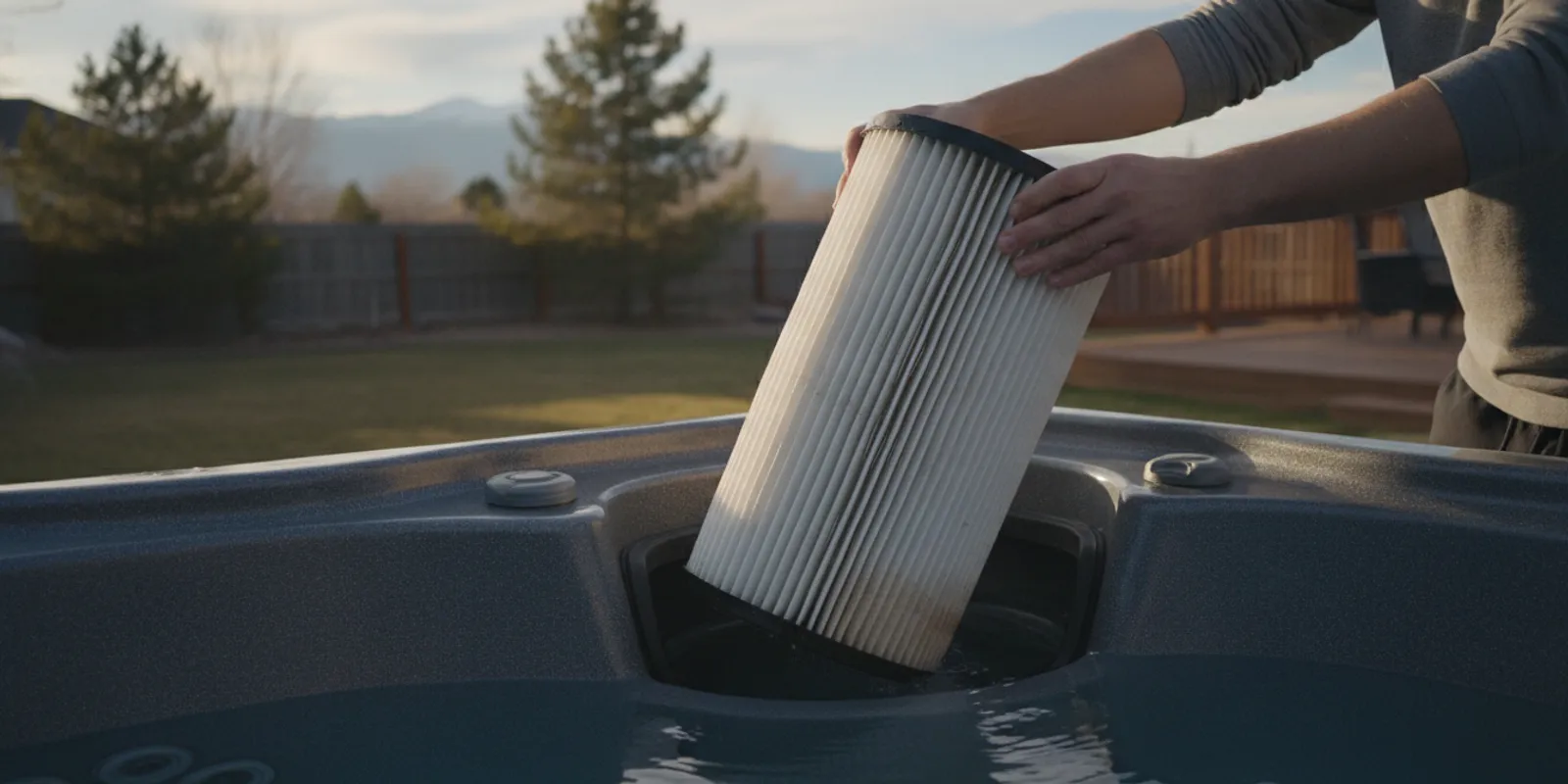
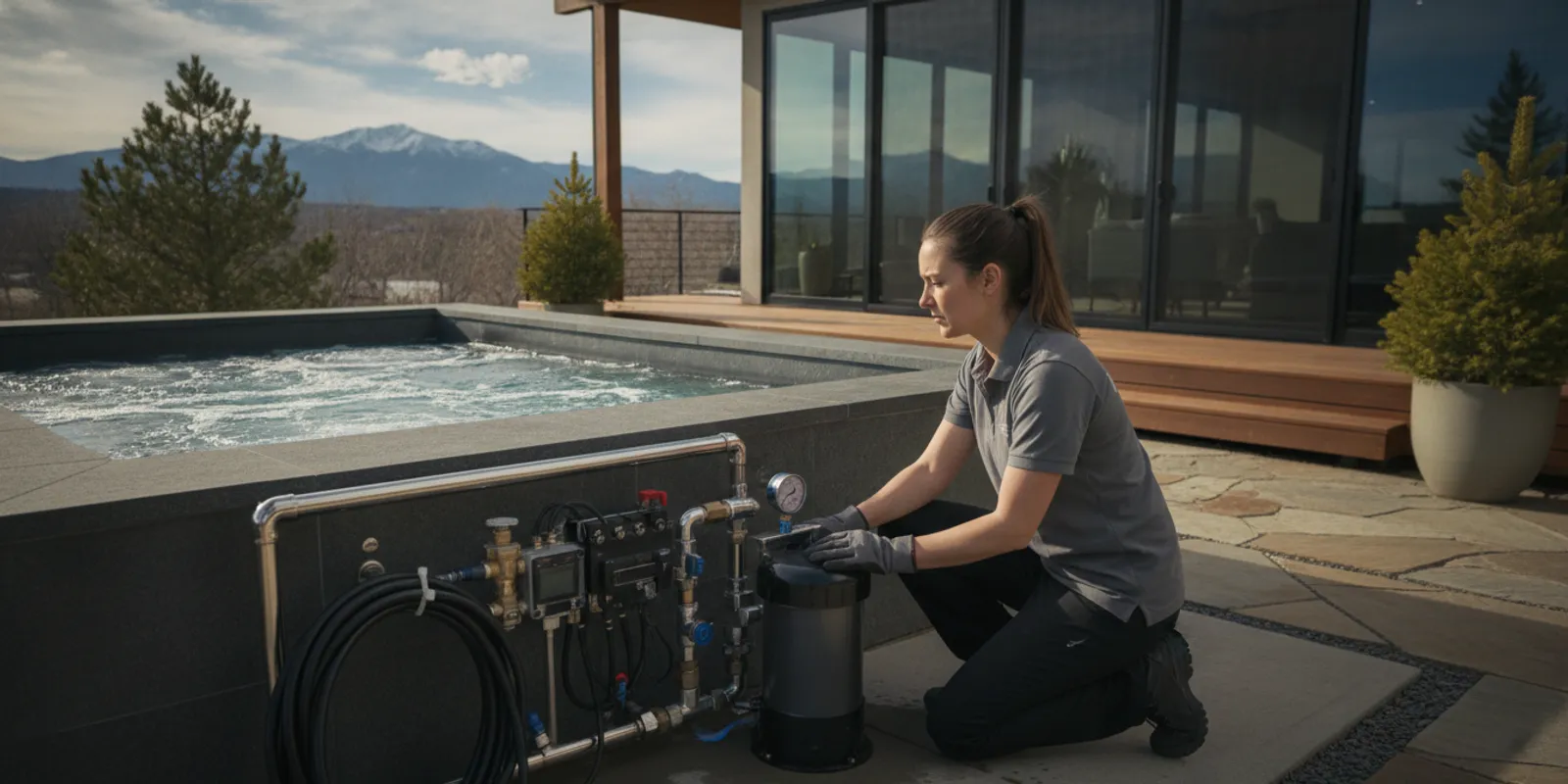
Your pool’s filter and pump are the heart of its circulation system, working hard to keep the water clear. To keep them running smoothly, you need to clean them regularly. Skimmer and pump baskets should be emptied at least once a week to prevent clogs that can strain the pump motor. Depending on your filter type, you may need to backwash it or clean the cartridge. A good rule of thumb is to clean or replace filter cartridges every few months based on use. If you hear strange noises or notice your pump isn’t moving water as effectively, it’s a sign you may need professional equipment repairs and servicing.
Common Maintenance Mistakes to Avoid
A few simple oversights can lead to frustrating and costly problems. One of the most common mistakes is letting skimmer and pump baskets get too full. When they get clogged with leaves, water flow is restricted, putting a heavy strain on your pump that can lead to burnout. Another frequent error is only skimming the surface and forgetting to brush the pool walls and steps. Brushing dislodges stubborn algae and dirt, making your sanitizer more effective. Taking a few extra minutes to avoid these common pool maintenance mistakes will save you a lot of headaches.
Helpful Tools for Easier Maintenance
Having the right tools makes any job easier, and pool care is no exception. A sturdy, long-handled skimmer net and a good pool brush are non-negotiable for daily debris removal and weekly scrubbing. For a serious time-saver, consider investing in a robotic pool cleaner. These automated devices scrub the floors and walls for you, giving you more time to actually enjoy your pool instead of just cleaning it. You can find all the essential supplies and chemicals you need to streamline your routine at our shop, where we can help you pick the perfect tools for your setup.
Seasonal Care for Your Colorado Pool
Here in Colorado, our changing seasons demand specific pool care. Properly winterizing your pool is critical to prevent freeze damage to your plumbing and equipment. This process involves lowering the water level, clearing all water from the lines, and adding special winterizing chemicals. According to the Colorado State University Extension, this is an essential step to prevent damage from freezing temperatures. In the spring, you’ll need to reverse the process to get your pool ready for summer. Our team has local expertise in opening and closing pools for the Denver climate, ensuring your pool is protected year-round.
When to Call a Professional
While DIY maintenance is great, there are times when calling a professional is the smartest move. If you’re struggling with persistent cloudy water that won’t clear up, or if your equipment is making unusual noises, it’s time to get an expert opinion. Trying to fix complex electrical or plumbing issues on your own can often lead to bigger, more expensive problems. If you’re ever unsure about your water chemistry or your equipment’s performance, our certified technicians can diagnose the issue and get your pool back in perfect shape. Professional spa services are also available for hot tub owners facing similar issues.
Finding the Perfect Pool for Your Denver Home
Deciding to add a pool to your home is exciting, but it’s also a big decision with a lot of moving parts. Thinking through your options now will help you create a backyard space you’ll love for years. Let’s walk through the key things to consider to find the perfect fit for your Denver home, your budget, and your lifestyle. The first step is understanding the main types of pools. In-ground pools are the most common, and they typically come in three materials: concrete, fiberglass, and vinyl. Concrete offers the most design flexibility, while fiberglass shells are known for their quick installation and smooth finish. Vinyl liner pools are often the most budget-friendly upfront.
Beyond the classic backyard pool, you might also consider a lap pool if your main goal is fitness, or a smaller plunge pool (sometimes called a swim spa) for relaxation in a compact space. Of course, cost is a major factor. A helpful guide to inground swimming pool costs shows that prices can range widely depending on the material and size you choose. It’s important to think not just about the installation but also the long-term cost of ownership, including maintenance and potential repairs.
Finally, think about how you see yourself using the pool. Will it be the neighborhood hub for kids’ pool parties? A quiet retreat for you to unwind after work? Or a place for your daily swim workout? Your answer will guide you toward the right size, shape, and features. Whether you're starting from scratch or want to give an older pool a complete facelift, our team can help you plan a remodel and rehabilitation to bring your vision to life.
Ready for a cleaner pool?
Denver's trusted pool care professionals since 1982. Get started today.
Schedule ServiceFrequently Asked Questions
What's the best type of pool for Colorado's climate? All three main in-ground pool types, concrete, fiberglass, and vinyl, can work beautifully in Colorado as long as they are properly winterized. Fiberglass pools are often a great choice here because their flexible, durable shell handles our freeze-thaw cycles very well. Regardless of the material, most Denver pool owners find that a good pool heater is a worthwhile investment to extend the swimming season from the cooler days of spring into the crisp evenings of fall.
How much time does weekly pool maintenance actually take? If you decide to handle maintenance yourself, you can plan on spending about one to two hours per week on the basics. This includes tasks like skimming leaves from the surface, emptying the skimmer and pump baskets, and testing and balancing the water chemistry. A consistent routine makes the work much more manageable and helps prevent bigger issues, but if that time commitment doesn't fit your schedule, a professional weekly service can handle it all for you.
Can I add features like a heater or new lights to my existing pool? Yes, absolutely. Upgrading an existing pool is one of our favorite projects. Features like energy-efficient heaters, colorful LED lighting, and even smart automation systems that let you control your pool from your phone can almost always be added to an older pool. It's a fantastic way to modernize your space and improve your experience without starting from scratch.
What's the difference between a swim spa and a regular hot tub? Think of a hot tub as a space purely for relaxation, designed for soaking with powerful hydrotherapy jets. A swim spa is a hybrid; it's larger than a hot tub and creates a strong, continuous current you can swim against in place. It gives you the ability to get a real swimming workout in a compact space while still offering the heated water and seating of a spa for unwinding.
Which pool material is the easiest to take care of? Generally, fiberglass pools require the least amount of weekly maintenance. The smooth, non-porous surface is naturally resistant to algae, which means you'll likely spend less time brushing the walls and use fewer chemicals to keep the water balanced. Concrete pools require more frequent brushing to keep their porous surface clean, while vinyl liner pools are simple to care for but the liner itself is more delicate than a fiberglass shell.
Related Blogs