Leaky Pool? Your Swimming Pool Plumbing Repair Guide

Having a pool in the Denver area is fantastic, but our unique Colorado environment presents a special set of challenges. The constant freeze-thaw cycles our weather is known for can be brutal on pipes, while our expansive clay soil can shift and put immense pressure on underground plumbing. These local factors mean that our pools require a different level of attention. What might be a minor issue elsewhere can quickly become a serious problem here. This guide is written specifically for Denver-area pool owners, explaining how our climate impacts your system and what to look for when you suspect you need swimming pool plumbing repair.
Ready for a cleaner pool?
Denver's trusted pool care professionals since 1982. Get started today.
Schedule ServiceKey Takeaways
- Spot problems early: Watch for key warning signs like unexplained water loss, soggy ground near the pool, and air bubbles from your jets to catch plumbing issues before they worsen.
- Don't delay repairs: Addressing a plumbing problem immediately is the best way to prevent a small, affordable fix from turning into a major, expensive headache involving equipment failure or structural damage.
- Leave complex fixes to the pros: While simple tests can help you identify a leak, significant water loss or suspected underground issues are jobs for a certified technician who understands Denver's specific challenges.
Is Your Pool's Plumbing in Trouble?
Your pool's plumbing is like its circulatory system, quietly working behind the scenes to keep everything clean and clear. But when something goes wrong, the signs aren't always as dramatic as a geyser in your backyard. Sometimes, the clues are subtle, and catching them early is the key to preventing a small issue from turning into a major, expensive headache. If you've been wondering whether that little quirk you've noticed is a real problem, you're in the right place. Let's walk through the most common red flags that tell you it's time to pay closer attention to your pool's plumbing. Knowing what to look for is the first step in keeping your pool healthy and your summer fun on track.
Unexplained Water Loss
It’s normal for your pool to lose a little water to evaporation, especially during our dry, sunny Colorado days. But if you find yourself constantly topping it off, you might have a leak. A good rule of thumb is that if you're losing more than a quarter-inch of water per day, something else is likely at play. Mark the water level with a piece of tape and check it 24 hours later to get a clear idea of how much you’re losing. A significant drop points to a leak somewhere in the system, which wastes both water and chemicals. Addressing it quickly is key to getting your pool back in balance and avoiding a high water bill.
Soggy Spots in the Yard
This is one of the least subtle signs of a plumbing problem. If you discover squishy, wet patches in the grass or soil around your pool deck, you almost certainly have an underground leak. These soggy spots appear when a buried pipe has cracked or separated, allowing water to seep into the surrounding ground. Don't just write it off as a sprinkler issue. Ignoring it can lead to soil erosion, damage to your pool's structure, and an unstable deck. When you see mysterious puddles or mushy ground, it’s a clear signal that your plumbing needs immediate professional attention.
Weak Jets and Air Bubbles
Your pool's return jets should push water back into the pool with steady, solid pressure. If the flow seems weak or you see air bubbles shooting out with the water, it’s a classic sign of a suction-side leak. This means air is getting pulled into the plumbing system somewhere between the skimmer and the pump. This not only reduces your filter's effectiveness but also puts a major strain on your pump, causing it to work harder and potentially overheat. Think of it like trying to drink through a straw with a hole in it. It’s an inefficient process that can lead to costly equipment repairs if left unaddressed.
Odd Noises from Equipment
You know the normal hum of your pool equipment. When that sound changes to a loud whine, grinding, or rattling, listen up. A pump that suddenly gets noisy is often struggling with a blockage or trying to run without enough water, a condition called running dry. These sounds are your equipment’s way of crying for help. Continuing to run a pump that's making strange noises can burn out the motor, leading to a much more expensive replacement. If you hear anything out of the ordinary, it's best to shut the system down and investigate the cause to prevent further damage.
How to Pinpoint a Leak Yourself
So, you think you have a leak. Before you panic, take a deep breath. You can do some simple detective work on your own to figure out what’s going on. These at-home tests are great first steps to confirm if you’re losing water to a leak or just normal evaporation, and they can even help you find the general area of the problem. Think of yourself as a pool detective. By gathering a few clues, you can give a professional a head start or sometimes even identify a simple fix you can handle. Let’s walk through a few easy methods you can try this afternoon.
The Bucket Test
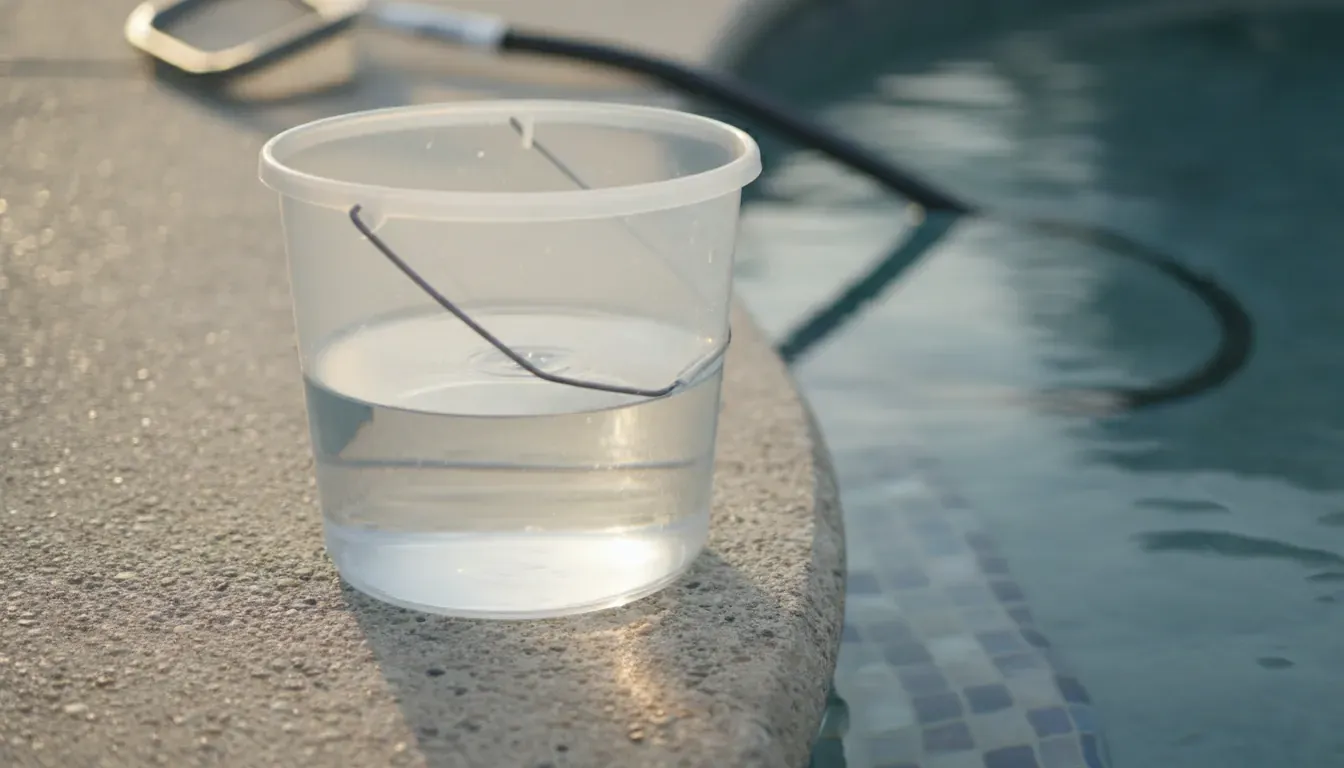
This is the classic, go-to test for determining if your water loss is from a leak or just evaporation. It’s incredibly simple and surprisingly effective. First, grab a standard 5-gallon bucket and place it on one of your pool’s steps, making sure the rim of the bucket is above the water line. Fill the bucket with pool water until the water level inside the bucket is the same as the pool water level outside of it. Use a piece of tape or a grease pencil to mark the water level on both the inside and outside of the bucket. Now, turn off your pool pump and wait 24 hours. If the water level in the pool has dropped more than the water level in the bucket, you likely have a leak.
The Dye Test
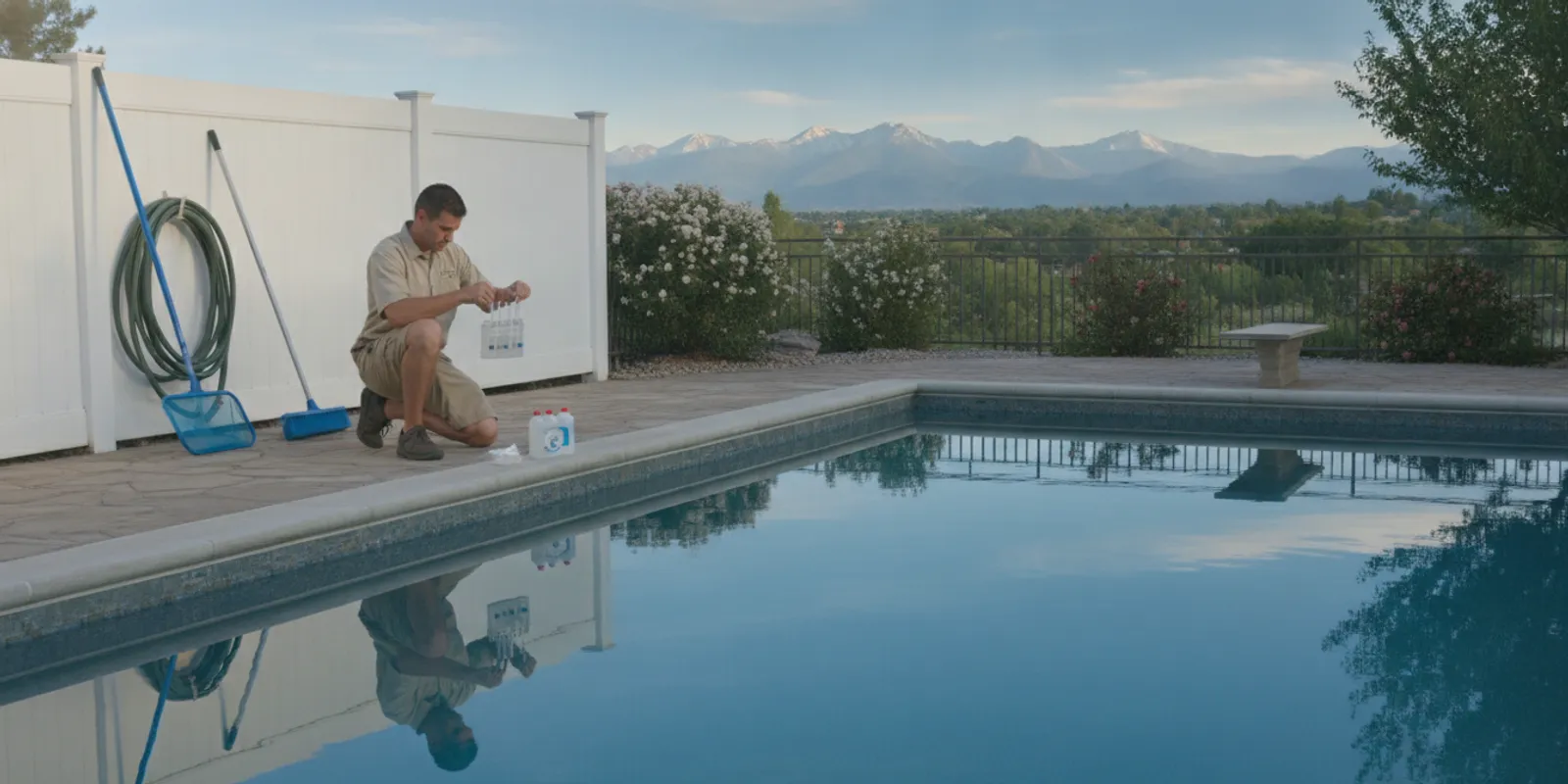
If the bucket test confirms a leak, the dye test can help you zero in on its exact location. This works best when you already have a suspect area in mind, like a crack in the plaster or around a light fixture. Start by turning off the pump so the water is completely still. You can get a special pool leak detection dye, but a dark-colored food coloring will also work. Go to the spot you suspect is leaking and carefully squeeze a small amount of dye into the water right next to it. If a leak is present, you’ll see the dye get pulled out of the pool and into the crack or fitting. It’s a great way to visually confirm leaks around skimmers, return jets, and main drains.
A Visual Inspection Checklist
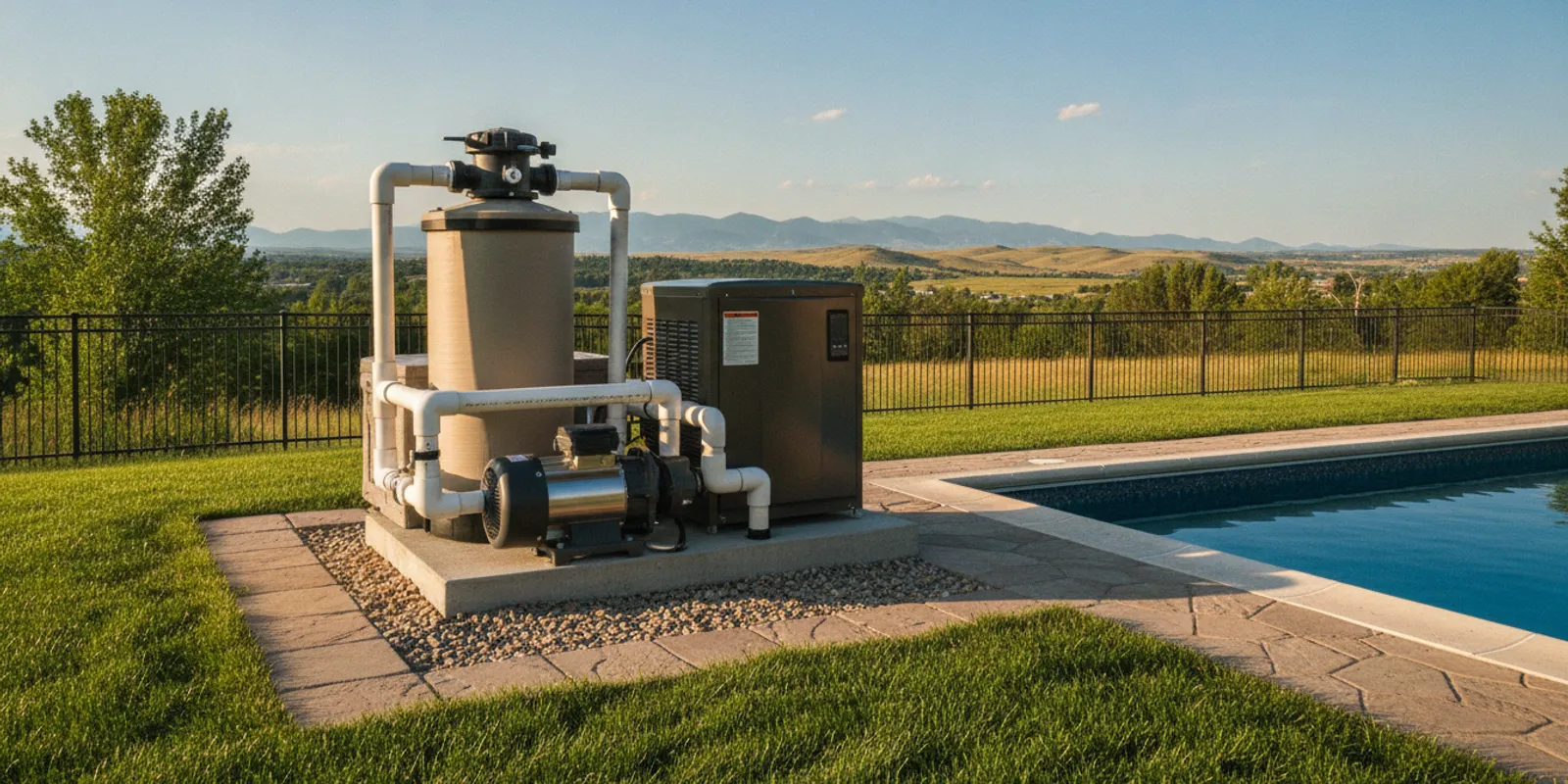
Sometimes, finding a leak is as simple as knowing what to look for. Put on your detective hat again and do a slow, careful walk around your pool and its equipment. Start by examining the pool shell itself for any obvious cracks in the concrete or dark spots behind a vinyl liner, which can indicate water seeping out. Pay close attention to anything that penetrates the pool wall, like lights, jets, and skimmer boxes. Next, check the area around your pool. Are there any soggy spots in the yard, or is the ground unusually soft or mushy? Finally, inspect your equipment pad. Look for drips or active spraying around the pump, filter, heater, and valves. If you notice any of these signs, it’s a strong clue that your equipment needs servicing.
Common Types of Pool Plumbing Repairs
Once you suspect a leak, the next step is figuring out what’s actually broken. Pool plumbing problems usually fall into a few common categories. Knowing which one you might be dealing with can help you understand the scope of the repair and what to expect when you call a professional. From tiny cracks to major blockages, each issue has its own telltale signs and solutions.
Cracked and Broken Pipes
Pipes are the arteries of your pool, and a crack can cause major headaches. Buried pipes can break from shifting ground, while above-ground plumbing can be damaged by freezing temperatures or simple wear and tear. The fix can be as simple as patching a tiny hole, but a more serious underground break could require excavation to replace a section of pipe. In severe cases where old plumbing has failed, the repair might even be part of a larger pool rehabilitation project. Ignoring a cracked pipe will only lead to more water loss and potential damage to your yard and pool foundation.
Leaks at Fittings and Fixtures
Sometimes the pipes themselves are fine, but the spots where they connect to your pump, filter, or heater are the problem. These fittings, gaskets, and seals can degrade over time, creating slow leaks. A classic sign is seeing air bubbles shoot from your return jets when the pump is on, or noticing a small puddle of water near your equipment when it's off. Because these leaks can be subtle, they often require a professional eye to diagnose and fix correctly, ensuring all your equipment is serviced properly and sealed tight.
Clogs and Blockages
If your pool’s circulation seems sluggish, you might have a clog. Over time, debris like leaves, dirt, and even small toys can get past your skimmer baskets and build up in the plumbing lines. This restricts water flow, putting a strain on your pump and reducing your filter’s effectiveness. Preventing clogs is one of the biggest benefits of a consistent cleaning and maintenance schedule, which keeps your baskets clear before debris can travel deeper into the system. If a clog does form, it needs to be cleared promptly to avoid burning out your pump motor.
Valve and Pump Issues
Is your pool pump making a strange humming or grinding noise? Or maybe it’s struggling to turn on at all? While it might seem like the pump itself is failing, these issues can also be symptoms of a plumbing problem. An air leak or a clog can force the pump to work too hard, leading to overheating and unusual noises. A professional can determine if the issue is the motor or a blockage in the line. Getting the right equipment repairs is key to protecting your entire system from a domino effect of failures.
Understanding Pool Plumbing Repair Costs
Let’s be honest, when you suspect a pool problem, one of the first questions that pops into your head is, "How much is this going to cost?" It’s a totally valid concern. The price for a pool plumbing repair isn’t one-size-fits-all, and it can range from a simple, inexpensive fix to a more significant investment. The final bill depends on the type of pool you have, the nature of the problem, and the complexity of the solution.
While the numbers can feel intimidating, understanding what goes into the cost can help you feel more in control. Think of it less as a mystery bill and more as a clear breakdown of the work needed to get your pool back in perfect shape. The best way to get a precise number is to have a professional take a look, but we can walk through the typical costs and factors that influence them. This will give you a solid baseline so you know what to expect when you get a quote for equipment repairs and servicing.
Average Costs by Repair Type
When it comes to budgeting, it helps to have a ballpark figure in mind. Industry data shows that the average cost to fix a pool leak is about $1,000, with most homeowners spending somewhere between $500 and $1,500. Of course, this is just an average. A very minor repair, like patching a small tear in a liner, might only cost around $150. On the other hand, a major issue, like a significant crack in an underground pipe that requires excavation or fully replastering a concrete pool, could run closer to $5,000. The price directly reflects the time, materials, and labor involved in the fix.
Above-Ground vs. In-Ground Price Differences
The type of pool you own plays a huge role in repair costs. Generally, fixing an above-ground pool is less expensive, with costs typically falling between $100 and $1,000. This is mainly because the plumbing and structure are much easier to access. Technicians can often find and fix the problem without extensive labor. In-ground pools are a different story. Their repairs can range from $100 for a simple fix to over $5,000 for a complex one. The higher potential cost comes from the difficulty of accessing underground pipes and the more expensive materials, like concrete or fiberglass, used in their construction.
Factors That Affect Your Final Bill
So, what determines whether your repair is on the lower or higher end of the price spectrum? Several key factors come into play, and a professional technician will assess all of them before giving you a quote.
- Location of the leak: A leak in an exposed pipe near your pump is much easier (and cheaper) to fix than one buried deep under your concrete pool deck.
- Nature of the problem: A simple clog or a loose fitting is a quicker fix than a cracked main drain line.
- Repair vs. replacement: Sometimes, a simple patch or seal will do the trick. In other cases, a whole section of pipe or a piece of equipment might need to be replaced entirely, which increases material costs.
Why Acting Fast Saves You Money
It can be tempting to ignore a small leak, but that delay can cost you big time. A seemingly minor issue can quickly escalate. That slow drip adds up on your water bill and can cause soggy, unstable ground around your pool, potentially damaging your landscaping or even the pool's foundation. Furthermore, letting a leak go can put extra strain on your pump and filter, leading to premature failure of your expensive pool equipment. Addressing a plumbing problem as soon as you spot it is the single best way to prevent a small, affordable repair from turning into a major, costly headache down the road.
Why Denver Pools Need Special Attention
Having a pool in the Mile High City is a dream, but our local environment brings a few unique quirks to the table. Unlike pools in other parts of the country, Denver pools face a specific set of challenges thanks to our dramatic weather, unique soil, and high altitude. Understanding these local factors is the first step in protecting your pool's plumbing from unexpected and costly repairs. When you know what you’re up against, you can be proactive and keep your pool running smoothly all season long.
The Freeze-Thaw Cycle
If you’ve lived in Colorado for even one winter, you know our weather loves to keep us on our toes. That same freeze-thaw cycle that creates potholes in the roads can be brutal on your pool’s plumbing. When water left in the lines freezes, it expands with incredible force, easily cracking pipes and damaging sensitive equipment. These cracks often go unnoticed until you start your pool in the spring and discover a significant leak. Proper winterization is key, but if the damage is already done, our technicians are experts in equipment repairs and servicing to fix any problems caused by our harsh winters.
Expansive Clay Soil
What’s happening underground can be just as impactful as the weather. Much of the Denver area is built on expansive clay soil, which swells up when it gets wet and shrinks as it dries. This constant shifting puts a huge amount of stress on the underground pipes connected to your pool. Over time, this movement can cause pipes to crack or separate at the joints, leading to slow, hard-to-find leaks. If you notice soggy spots in your yard, shifting soil could be the culprit. For extensive damage, a simple patch might not be enough, and a more thorough rehabilitation may be needed.
High-Altitude Water Chemistry
Our beautiful high-altitude setting has a surprising effect on your pool’s water chemistry. At this elevation, the water’s pH tends to rise more quickly, which can lead to calcium scaling. This hard, crusty buildup isn't just an eyesore on your tile; it can form inside your pipes, filter, and heater, restricting water flow and forcing your pump to work harder. Over time, this strain can cause premature equipment failure. The best defense is consistent and knowledgeable cleaning and maintenance to keep your water balanced. We know exactly how to manage water chemistry for the Denver climate, protecting your plumbing from the inside out.
When to Call a Professional
While I’m a huge fan of a good DIY project, some jobs are best left to the experts, especially when it comes to your pool’s plumbing. A small mistake can lead to a much bigger, more expensive problem. Knowing when to step back and call for backup is key to protecting your investment and your sanity. If you’re feeling out of your depth, it’s always the right call to bring in a professional. A good technician can diagnose the problem quickly, fix it correctly the first time, and save you a lot of stress.
So, how do you know when a leak is beyond a simple fix? And how do you find a trustworthy pro in the Denver area? Let’s walk through the clear signs that you need help, what to look for in a pool company, the essential questions to ask before you hire them, and the red flags you should never ignore.
Signs a Repair is Beyond DIY
If you’ve tried the bucket and dye tests and still can’t find the source of a leak, or if you notice any of the following signs, it’s time to call a professional. These symptoms often point to a more serious issue with underground pipes or hidden equipment that requires specialized tools to find and fix.
- Significant water loss: If your pool’s water level is dropping by more than a quarter-inch each day, you’re likely dealing with a leak, not just evaporation.
- Cracks in the pool shell: Visible cracks in your pool’s structure or the surrounding concrete deck are a major warning sign.
- Soggy spots in your yard: Puddles, mushy grass, or shifting soil near the pool indicate that water is escaping from underground plumbing.
- A sudden spike in your water bill: If your water usage shoots up without explanation, a hidden pool leak could be the culprit.
When you spot these issues, it's best to get professional equipment repairs and servicing to prevent further damage.
What to Look for in a Pool Pro
Finding the right person for the job is crucial. You want someone who is not only skilled but also reliable and trustworthy. When you start your search for a pool plumbing expert in the Denver area, keep an eye out for a few key qualifications. First and foremost, confirm that the company is licensed and insured. This protects you from liability if anything goes wrong during the repair.
Look for a provider with extensive, hands-on experience specifically with pool plumbing. A general plumber might not understand the unique systems and pressures involved. A true pool professional will also use specialized equipment, like electronic leak detectors and hydrostatic testing tools, to pinpoint leaks accurately without tearing up your entire backyard. Local expertise is another huge plus, as they’ll understand the challenges of Denver’s climate.
Questions to Ask Before Hiring
Before you commit to a service, it’s smart to ask a few questions to make sure you’re hiring the right team. A reputable company will be happy to provide clear answers. Think of it as a mini-interview to ensure they’re a good fit for you and your pool.
Here are a few essential questions to ask:
- Are you licensed, bonded, and insured in Colorado?
- Can you provide a detailed, written estimate before work begins?
- What factors might cause the final cost to change?
- Do you offer a warranty on your repair work and the parts you use?
Getting these answers upfront helps set clear expectations and ensures there are no surprises down the line. A company that offers a solid warranty on their remodels and rehabs shows they stand behind the quality of their work.
Red Flags to Avoid
Just as there are signs of a great pro, there are also red flags that should make you hesitate. Be cautious of any company that seems unprofessional or evasive. One of the biggest red flags is a technician who dismisses what seems like a "minor" plumbing issue. Small leaks almost always turn into bigger, more destructive problems, potentially causing water damage to your property or creating a welcoming environment for mold.
Another major warning sign is a lack of proper licensing or insurance. Hiring an uninsured contractor puts you at financial risk. Also, be wary of anyone who gives you a vague quote over the phone without inspecting the problem, pressures you into making a quick decision, or asks for full payment before the work is complete. A true professional will be transparent, thorough, and patient.
Your Go-To for Pool Plumbing Repair in Denver
When you suspect a plumbing problem, the last thing you want is to spend hours searching for a reliable pro. Here in the Denver area, our shifting soil and dramatic freeze-thaw cycles can be especially tough on pool plumbing, making leaks a frustrating reality for many homeowners. That’s why having a local expert on your side is so important. At Neptune Pools, our team understands these unique challenges. We handle all types of equipment repairs and servicing, from tiny drips to major pipe breaks, ensuring the job is done right the first time. Ignoring a small leak can lead to bigger, more expensive problems with your yard and pool foundation, so acting quickly is always the best approach.
While it’s helpful to have an idea of the average cost to fix a swimming pool leak, the price tag doesn't tell the whole story. The real value comes from an accurate diagnosis and a lasting repair from a team you can trust. You deserve a company that offers transparent pricing, shows up on time, and has certified technicians who can explain the problem clearly. We believe in building that trust with every service call. Instead of rolling the dice on a random directory, you get the peace of mind that comes with a dedicated, professional partner who knows your pool and our local conditions.
Ready for a cleaner pool?
Denver's trusted pool care professionals since 1982. Get started today.
Schedule ServiceFrequently Asked Questions
My leak seems really small. Is it okay to just keep an eye on it for now? It’s tempting to wait on a small leak, but I always advise against it. That tiny drip is a constant drain on your resources, wasting both water and the expensive chemicals you use to keep it balanced. More importantly, it puts continuous strain on your equipment and can lead to soggy, unstable ground around your pool. Addressing it now is the best way to prevent a simple, affordable fix from turning into a much larger and more costly repair project.
I did the bucket test and confirmed I have a leak. What should I do next? Great job on doing the detective work. Your next move depends on your comfort level. If you have a hunch where the leak might be, like around a light or a return jet, you can try the dye test to see if you can visually confirm it. However, if you have no idea where the water is going or if the leak seems to be underground, this is the perfect time to call a professional. They have specialized tools to find the source accurately without any guesswork.
My pool pump is making a loud humming noise, but it seems to be working. Is this a plumbing problem? That's a great question, as it's not always about water loss. A loud or unusual noise from your pump is often a cry for help. It usually means the motor is struggling, which can be caused by a clog in the plumbing or an air leak on the suction side. Both are plumbing issues that prevent water from flowing freely. Letting it continue can burn out the pump's motor, so it's smart to have it checked out right away.
If I have a leak in a pipe under my pool deck, will my whole yard be destroyed to fix it? This is a common fear, but you can relax. Gone are the days of random, destructive digging. Professionals now use advanced electronic leak detection equipment to pinpoint the exact location of a break in an underground pipe. This technology is incredibly accurate, so the repair can be targeted to a very small area, preserving your deck and landscaping as much as possible.
What is the most important thing I can do to prevent plumbing problems with my Denver pool? Living in Colorado means our pools need a little extra care. The single most important preventative step is proper winterization. Our freeze-thaw cycles can easily crack pipes that haven't been fully cleared of water. Beyond that, staying on top of your water chemistry is key. Our high altitude can cause mineral buildup inside your pipes and equipment, so regular, professional maintenance makes a huge difference in protecting your plumbing from the inside out.
Related Blogs