Variable Speed Pool Pump Cost Colorado: What to Expect

Pool equipment costs are easier to judge when you look beyond the purchase price. In Colorado, a pump runs through a defined swimming season, but it still affects electricity use, water circulation, and the long-term wear on your equipment.
Get a free pool pump consultation in Denver today. Contact Neptune Pools for a fast equipment review before you budget any upgrade.
The variable speed pool pump cost colorado homeowners see is an upfront investment that can reduce operating costs over time. The U.S. Department of Energy reports that some pool owners saved as much as 75% on their pumping bill after adopting energy conservation measures. While an ENERGY STAR certified pool pump can save more than $300 over its lifetime: DOE pool pump guidance.
Your actual return depends on the pump size, plumbing, runtime, local utility rates, and installation requirements. Denver-area pools also need practical planning for high-altitude conditions and seasonal freeze protection. Start with the full installed cost, then compare it with the energy and maintenance savings your specific system can deliver.
How Much Does a Variable Speed Pool Pump Cost in Colorado?
The variable speed pool pump cost colorado homeowners should plan for depends on the pump, installation conditions, and control features. A pump replacement is not just a box purchase. The final price includes equipment, plumbing connections, electrical work, programming, and hydraulic setup.
Typical pump and installation price ranges
For a basic comparison, single-speed pumps typically cost $300 to $600 for the unit, or about $500 to $900 installed. Dual-speed pumps generally cost $500 to $900 for the unit and $700 to $1,200 installed.
Variable-speed pumps usually cost $800 to $1,500 for the equipment. A complete installation commonly falls between $1,200 and $2,000 or more. Across pump replacement projects, published estimates place the average near $1,300, with a broader range of $700 to $4,000.
Those ranges are useful for planning, not a substitute for an equipment inspection. Plumbing layout, pump horsepower, pool features, and the condition of the existing pad can change the quote. A certified technician should confirm the flow requirements before recommending a model.
| Pump type | Unit cost | Installed cost |
|---|---|---|
| Single-speed | $300-$600 | $500-$900 |
| Dual-speed | $500-$900 | $700-$1,200 |
| Variable-speed | $800-$1,500 | $1,200-$2,000+ |
What can raise the installed price?
Installation labor often adds $100 to $400. An outdated circuit, breaker, or wiring may require electrical upgrades costing another $200 to $800. Your quote may also increase when the pump needs new unions, valves, plumbing changes, or a different mounting arrangement.
Remote controls and automation compatibility can add to the equipment price. Brand tier, warranty coverage, and motor features also affect the initial investment. These options can be worthwhile when they make seasonal scheduling, freeze protection, or daily circulation easier to manage.
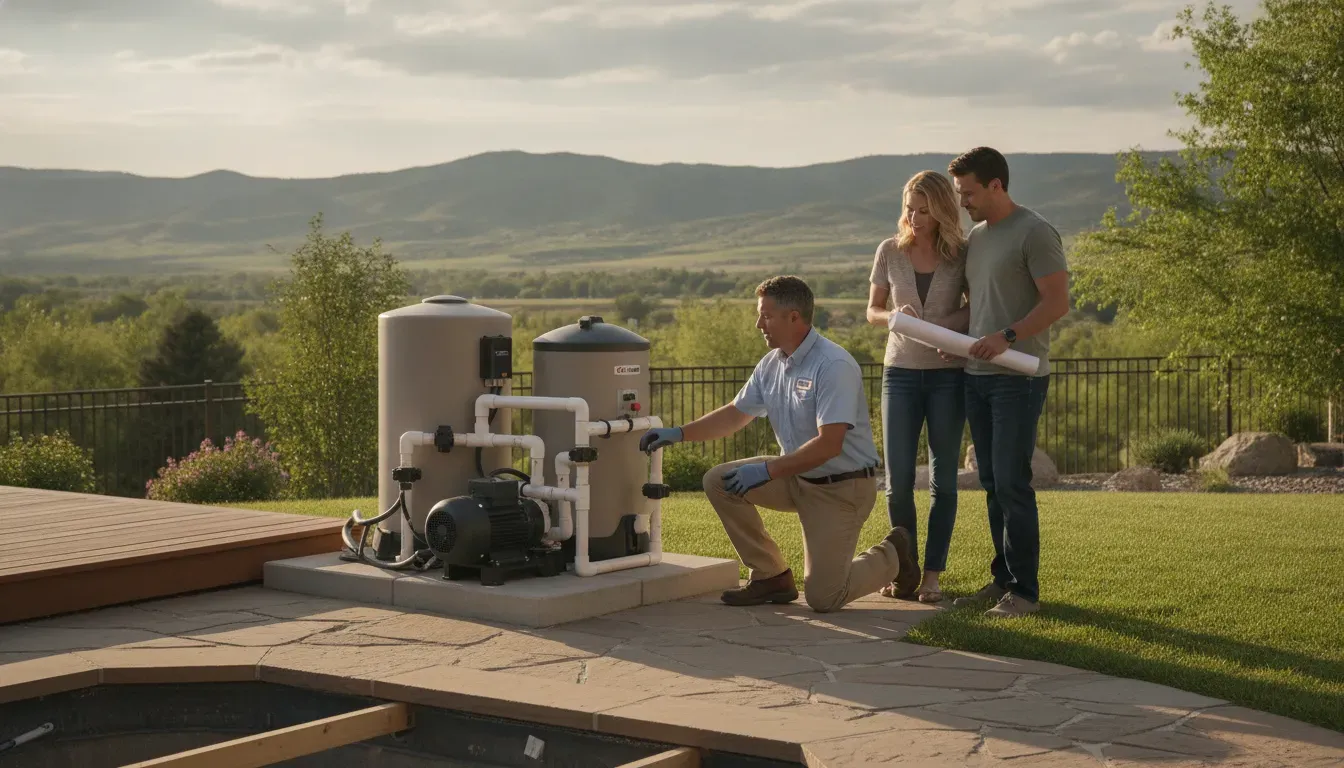
Professional installation protects more than the equipment warranty. Correct hydraulic configuration helps the pump move water at the flow rate your filtration system requires. It also reduces the risk of noise, poor circulation, premature wear, or unnecessary energy use. Neptune Pools provides professional pool pump installation and repair for homeowners across the Denver Metro area.

Variable Speed Pool Pump Cost vs. Energy Savings in Colorado
The value of a variable speed pump depends on more than its purchase price. It depends on motor size, daily runtime, speed settings, electricity rates, and the length of Colorado's swimming season.
How the monthly savings add up
Colorado's average retail electricity rate is about 12.07 cents per kilowatt-hour, according to the U.S. Energy Information Administration. Your utility rate may differ, so treat these figures as planning estimates rather than a guaranteed bill reduction.
For a practical comparison, a 1.5 horsepower single-speed pump drawing about 1,125 watts may cost approximately $35 per month under typical operating assumptions. A 1.5 horsepower variable speed pump running at low speed may draw about 200 to 300 watts, costing roughly $6 to $9 monthly.
The variable speed model still uses higher speeds when the pool needs extra circulation. It may run faster during cleaning, heating, or after chemical adjustments, then return to a lower setting for routine filtration. That programming flexibility is the main reason horsepower alone does not predict operating cost.
Replacing a large motor often creates the most noticeable savings. A 2 horsepower single-speed pump may draw about 1,500 watts and cost approximately $47 monthly. A properly sized variable speed replacement can reduce the energy required for ordinary circulation without sacrificing water movement.
Estimating seasonal payback
The U.S. Department of Energy reported savings of up to 75 percent in a study involving 120 pools after energy conservation measures were applied. Read the DOE pool pump efficiency guide for the study context.
That percentage is not a promise for every Denver pool. A realistic estimate requires comparing your current pump's measured wattage with the proposed low-speed schedule. Plumbing resistance, filter condition, pool size, and required turnover time all affect the result.
For Colorado's roughly April through October operating season, many upgrades can recover their additional cost in one to three seasons. The shortest payback periods usually occur when an oversized, high-horsepower pump runs for long daily cycles.
ENERGY STAR certified pool pumps can also save more than $300 over the pump's lifetime, according to the DOE guide. Savings continue after the payback point, while lower-speed operation may reduce noise and motor strain.
For more planning guidance, review our energy efficient pool pump savings recommendations. Neptune Pools can compare your existing equipment, runtime, and plumbing configuration before recommending a replacement.
Sizing Your Pool Pump: Bigger Is Not Better
The right pump is not the largest motor that fits your existing equipment. It is the smallest pump that delivers the flow your pool needs for filtration, heating, cleaning, and safe circulation. The U.S. Department of Energy explains that smaller, properly sized pumps generally reduce both pumping and maintenance costs. DOE pool pump guidance supports sizing for performance instead of choosing horsepower by habit.
Match Pump Output to Your Pool System
For many residential pools, a pump rated at 0.75 horsepower or less is sufficient. That does not make 0.75 horsepower a universal answer. Plumbing length, pipe diameter, filter design, elevation changes, water features, heaters, and spa spillovers all affect the required flow.
Many Colorado pools have oversized pumps, especially when older equipment was selected without a complete hydraulic review. An oversized motor can push more water than the plumbing and filter need. It may also draw unnecessary energy during the many hours devoted to routine circulation.
A variable-speed pump makes the sizing decision more flexible. You can run it at a low speed for daily circulation, then increase the speed when cleaning, heating, or operating a water feature. Lower-speed operation can meet ordinary filtration needs without forcing the motor to run at full output all day.
Proper sizing also protects the rest of the system. Excessive flow can place more demand on filters and plumbing, while inadequate flow may leave water poorly circulated. A technician should evaluate the complete hydraulic setup before recommending a replacement.
Automation adds another practical advantage. Neptune Pools can set up compatible automation or smart controllers so the pump follows programmed circulation, cleaning, and heating schedules. Remote controls can make seasonal adjustments easier and help prevent unnecessary runtime.
For Denver Metro homeowners, the best choice balances flow, equipment requirements, energy use, and serviceability. A pump consultation can identify whether your current motor is undersized, correctly matched, or using more power than your pool actually needs.
Lifespan, Noise, and Service in Colorado's Climate
A variable-speed pump can improve daily pool operation in ways that do not appear on the initial estimate. Running at lower RPM for routine circulation places less strain on the motor. That reduced wear can help extend motor lifespan compared with operating at one high speed throughout the season.
Lower speed also changes the sound of the equipment pad. Variable-speed motors operate more quietly for most of their runtime, which matters when a pump sits near a patio, bedroom, or shared HOA space. The quieter cycle is especially useful when programming longer, lower-speed filtration periods.
Slower flow supports cleaner water
High speed is not always better for filtration. Slower flow gives sand and cartridge filters more opportunity to capture debris. The result can be improved filter efficiency and clearer water while using less energy during ordinary circulation.
Your pump still needs higher speeds for specific demands, such as heating, cleaning, or overcoming system resistance. A properly configured schedule reserves those cycles for when they are useful. Daily circulation can then run at a lower setting that matches the pool's actual filtration needs.
Freeze protection and seasonal programming
Colorado's shoulder seasons require careful programming because overnight temperatures can fall quickly. Freeze-protection settings help circulate water when conditions approach freezing. This scheduling is an important part of protecting plumbing and equipment during Denver's unpredictable spring and fall weather.
Runtime should also change as water temperature and pool use change. A longer schedule may be appropriate during active summer use, while cooler periods can allow a more measured runtime. Seasonal adjustments help control energy use without ignoring circulation or freeze-protection needs.
Serviceability matters over the equipment's life
High-altitude conditions and Colorado's seasonal demands place a premium on reliable equipment and practical service access. Modern variable-speed pump designs are generally easier to maintain, which can support faster repair cycles when a component needs attention.
For a broader guide to pool equipment lifespan in Colorado, review the maintenance factors that affect pumps, filters, and other equipment. Neptune Pools can also evaluate programming, sizing, and service needs before a small issue becomes an avoidable interruption.
Rebates and Upfront-Cost Planning
Federal energy conservation standards are helping make variable-speed technology the default direction for dedicated-purpose pool pump motors. For homeowners, that shift reflects more than a regulatory change. It signals where efficient pool equipment is heading as older, high-consumption motors reach replacement age.
The upfront price still deserves careful planning. A variable-speed pump typically costs more initially than a basic replacement, especially when installation requires plumbing adjustments, electrical work, or control integration. However, the higher purchase price can be offset by lower energy bills over time. Neptune Pools' operational guidance indicates that the faster reduction in energy use creates a solid return on investment for most homeowners.
Check rebates before approving the project
Denver Metro homeowners should check their local utility provider before scheduling an upgrade. Utility companies may offer rebates or other incentives for energy-efficient pool pumps. Program rules can change, and eligibility may depend on equipment specifications, installation documentation, or the utility serving your property.
Ask whether the program requires pre-approval, a qualified installer, proof of purchase, or a specific efficiency rating. Confirm those details before buying equipment. A rebate that is unavailable after installation should not be included in your budget.
Compare the motor you have with the motor you need
The strongest savings opportunity often appears when replacing an older, large-horsepower motor. These motors can consume substantial electricity during regular operation. Replacing one with a properly configured variable-speed model gives the upgrade more room to reduce operating costs.
That does not mean choosing the largest variable-speed pump available. The replacement still needs to match the pool's plumbing, filtration, and circulation requirements. A professional evaluation can identify whether the existing motor is oversized and whether the system needs related changes.
For a clearer estimate, separate the project into three figures: equipment, installation, and expected energy savings. Then subtract any verified utility incentive from the initial investment. A practical planning sequence looks like this:
- Confirm the pump size your plumbing and filter actually require.
- Collect quotes that separate equipment, labor, and electrical work.
- Estimate monthly operating cost before and after the upgrade, then subtract any verified utility rebate.
Neptune Pools can review equipment condition and installation requirements through its pool pump installation and repair service. This approach gives Denver homeowners a practical comparison between spending today and reducing operating costs over the pump's service life.
Should You Repair or Replace Your Pool Pump?
A pump problem does not automatically mean you need a new pump. The right choice depends on the failure, motor age, repair history, electrical setup, and the efficiency your pool requires.
Repair usually makes sense when the pump is under about five years old and the failure is limited to a replaceable seal, bearing, capacitor, or other small component. A sound housing, properly sized plumbing, and stable energy use also support repairing the existing equipment.
Replacement deserves closer consideration when the motor is eight or more years old, repairs keep recurring, or the pump has become noisy, inefficient, or unreliable. Rising energy bills can signal that an older single-speed motor is running harder than necessary. A failed controller, an oversized pump, or current electrical and efficiency requirements may also make replacement the more practical investment.
| Repair | Replace |
|---|---|
| Typical cost: Often lower than a full installation, depending on the failed component and labor. | Typical cost: About $700 to $4,000 installed, with an average near $1,300. The pump may cost $250 to more than $4,000, while labor commonly runs $100 to $400. |
| Lifespan gained: Extends useful life when the motor and housing remain in good condition. | Lifespan gained: Provides a new service cycle and may reduce repeat repair needs. |
| Energy efficiency: Usually preserves current performance rather than reducing operating demand. | Energy efficiency: A properly sized variable-speed model can reduce wasted runtime and improve control. |
| When it makes sense: Newer pump, minor failure, no efficiency requirement, and no pattern of repeat problems. | When it makes sense: Older motor, failed controller, oversized single-speed pump, repeated repairs, or updated efficiency requirements. |
Replacement pricing varies with plumbing complexity, equipment selection, and electrical work. Electrical upgrades alone may add $200 to $800 in some installations. Compare the repair estimate with expected energy savings and remaining equipment life, rather than choosing by upfront price alone. Neptune Pools can help with the repair vs replacement decision for Denver Metro pools.
Frequently Asked Questions
How much should a variable speed pool pump cost?
A variable speed pump typically costs about $800 to $1,500 for the unit. A complete replacement often reaches $1,200 to $2,000 or more after professional installation. Your final price depends on pump sizing, plumbing changes, electrical work, controls, and site access. A proper quote should separate the equipment cost from installation and explain any hydraulic adjustments required.
Are variable speed pool pumps worth the extra cost?
They can be, especially when replacing an oversized or older single-speed motor. Lower-speed circulation uses less electricity, while higher speeds remain available for cleaning or heating. A U.S. Department of Energy study found that some pool owners saved as much as 75 percent of their original pumping bill after efficiency measures: DOE pool-pump guidance. Actual savings depend on runtime, motor size, plumbing, and local utility rates.
What is the lifespan of a variable speed pool pump?
There is no single guaranteed lifespan because water chemistry, operating hours, installation quality, weather exposure, and maintenance all matter. Running at lower speeds for routine circulation can reduce motor wear. In Colorado, correct seasonal scheduling and freeze protection are also important, particularly during spring and fall temperature swings. Regular inspection can identify seal, motor, or controller problems before they cause a larger failure.
What are the disadvantages of a variable speed pool pump?
The main disadvantages are higher upfront cost, more programming choices, and the need for correct sizing. A pump that is too large can still waste energy, even when it has variable-speed capability. Controls may also require setup or compatibility checks with existing automation. The best installation matches the pump to the pool's plumbing, filter, features, and operating schedule rather than choosing the largest available model.
Ready to Plan Your Pool Pump Upgrade?
A pump consultation can help you compare equipment options, installation needs, and expected energy savings for your pool. Neptune Pools can review your current setup and recommend a practical next step for Colorado conditions. Call Neptune Pools at (303) 431-8501 to speak with a technician, or schedule your pool pump consultation online today.
Related Blogs