When to Close Pool Colorado: Guide to Fall Winterizing
Ready to protect your pool from Colorado's freezing temperatures? Schedule your professional pool winterization service today with Neptune Pools.
When to close pool Colorado depends on local air temperatures and your elevation along the Front Range. Most experts recommend starting the closing process when outdoor temperatures often stay at or below 65 degrees Fahrenheit. In lower spots like Denver or Lakewood, this usually happens in late September or early October. However, homeowners in high mountain valleys may need to finish their work as early as mid-September to avoid sudden arctic fronts. Waiting until the first frost is often too late because pipes can freeze as soon as the air turns bitter. According to Colorado State University, freeze dates vary by region, so local weather tracking is needed for every pool owner. Professional service ensures your lines are dry before the ground hardens.
When to Close Pool Colorado: What Is the Best Temperature and Timing?
Choosing the right time to close your pool in Colorado is more than just a seasonal task. It is a vital step to keep your costly equipment safe from the cold. Many owners wait too long and risk pipe damage from a sudden snap of arctic air. Others close too early and then have to deal with algae growth in the warm fall sun. Handling these factors helps you save money on repairs and keep your water clear for the next year.
Before making your final decision, we recommend reviewing the cost of professional pool winterization to plan your seasonal maintenance budget accordingly.
The 65 degree rule for winterization
You should begin to close your pool when air temperatures stay at or below 65 degrees Fahrenheit. This mark is key for two main reasons. First, algae grows much slower in cool water. This makes the spring opening much easier and keeps your pool liner in better shape. Second, most people stop using their pools once the air feels crisp and cool. Taking this step at the right time prevents debris from building up in the water as trees shed their leaves.
If you have a heater, you might stay open a few weeks later. But you should still watch the local forecast very closely to avoid any quick freezes. Following seasonal pool maintenance best practices ensures your pool stays in top shape during these shifts. Most owners in the Denver area find that late September is the best time to start the process.
Colorado elevation and freeze dates
The best date to close depends heavily on where you live. In Colorado, the timing of the first freeze lines up well with the height of your land. High country areas often see freezing air as early as September. Locations on the eastern plains usually see their first freeze in the first two weeks of October. This wide range means you must know your local climate well before you set a date.
As shown by the Colorado Climate Center, these dates vary a lot across the state. For example, some mountain valleys may freeze weeks before Denver. In the Denver Metro area, most people aim to finish their closing by early October. This window gives you the best mix of pool use and safety from the first frost.
Protecting pipes from the first freeze
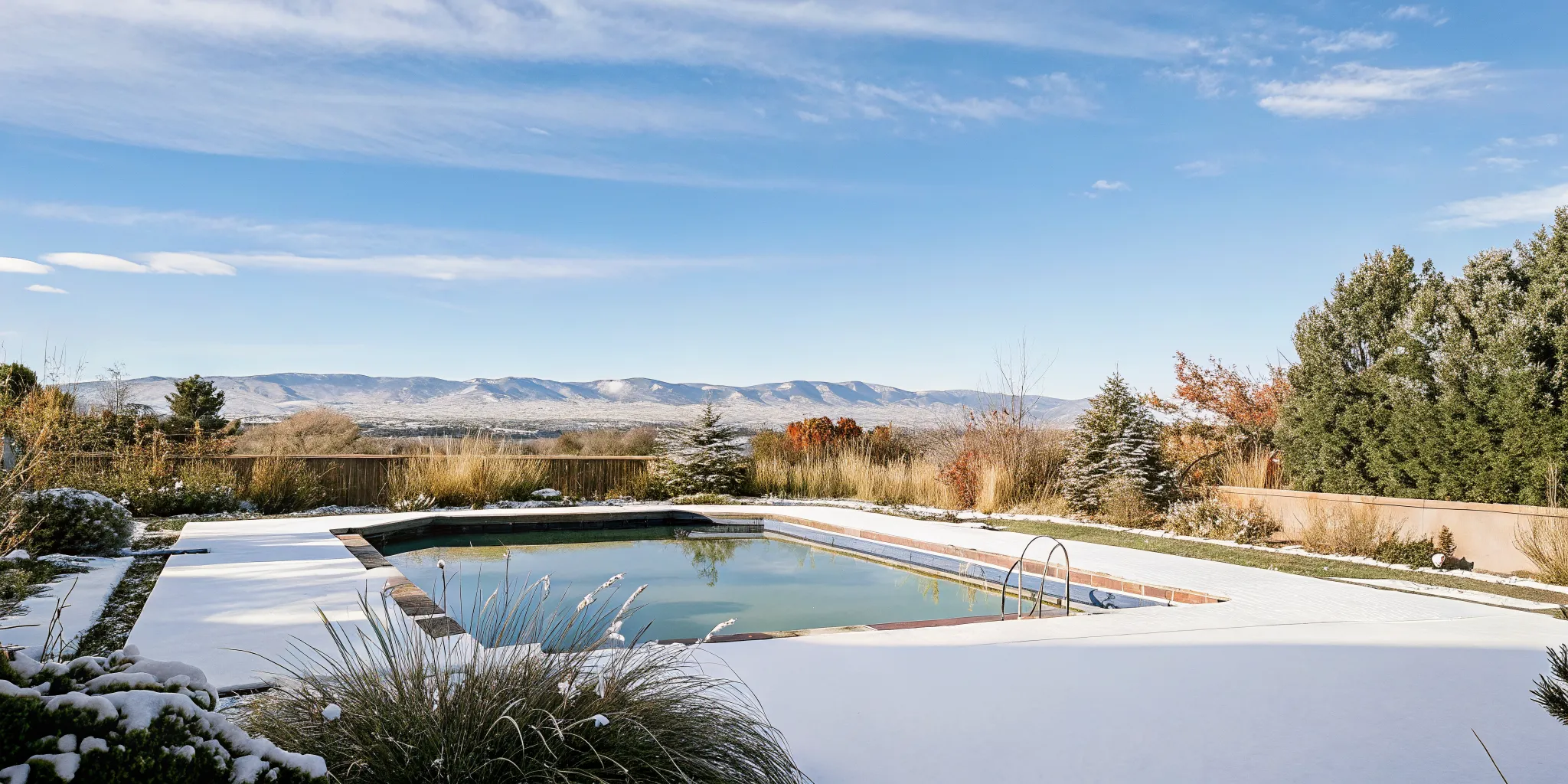
Waiting for the first snow to fall is a very risky move for pool owners. Cold air can quickly freeze the water inside your supply lines and pump. Since water grows in size as it freezes, it can easily split heavy pipes and ruin your pool filters. These fixes are often very costly and can delay your swimming fun next summer. Expert professional pool maintenance services can help you drain lines before the first hard frost hits.
The City of Boulder notes that outdoor supply lines are at high risk when the air turns frigid. Properly preparing your pool for winter is a crucial step to keep it in good shape during the cold months. This work includes cleaning the floor, balancing the water, and adjusting to the proper water levels for winter. Closing your lines early ensures the safety of your gear. Taking this step now keeps your pool ready for many years of use.
How Does Colorado Elevation Affect Your Pool Closing Dates?
Colorado weather changes fast, but your height above sea level is the main guide for when to close pool colorado setups. While the High Country often sees snow before fall starts, the Denver Metro area stays mild for a few more weeks. Knowing these local shifts helps you avoid broken pipes and costly repairs when the ice arrives.
High altitude impacts on pool schedules
Air pressure and height play a huge part in how fast your pool water loses its heat. In the High Country, towns like Vail reach freezing marks much sooner than the plains. Data from Colorado State University shows that high mountain valleys often see a first freeze in September. This early cold means pool owners in those spots must move fast to guard their gear.
For these high sites, closing often happens right after Labor Day. The thin air at high levels leads to quick heat loss as soon as the sun goes down. If you wait too long in the peaks, a sudden cold front can trap water in your filter or pump. This leads to ice that grows and cracks metal or plastic parts. Following seasonal pool maintenance best practices helps you stay ahead of these early storms.
| Region | Height (About) | First Freeze Date | Best Closing Time |
|---|---|---|---|
| Denver Metro Area | 5,280 ft | Early to Mid-October | Late September |
| High Country (e.g. Vail) | 8,150+ ft | Early September | Late August to Early Sept |
| Eastern Plains | 3,500 ft | Early October | Late September |
Reasons for later Denver pool closings
In the Denver Metro area, including Lakewood and Littleton, the first freeze usually holds off until October. This gives local owners a few more weeks to enjoy their backyard. But even on the plains, you should track the weather starting in mid-September. Cold snaps can hit without much notice. Even a brief dip below freezing can cause issues for lines that are still full of water.
The City of Boulder warns that pool supply lines are at high risk when cold air events move in. To stay safe, most Denver owners aim to finish their work before the middle of October. This timing ensures your plumbing is dry and clear before a hard frost. You also get more time to fix any small leaks or pump issues before the ground stays frozen for the year.
High-altitude water chemistry is also a factor for our local pools. The way chemicals work can change as you go up in height. It is wise to check your pH and salt levels one last time before you seal the cover. This step prevents the water from turning green or eating away at the pool liner during the cold months. Incorporating these steps into your monthly pool maintenance checklist ensures you never get caught off guard by early winter conditions. Proper care now makes it much easier to open your pool once the Colorado sun returns in the spring.
How Does Proactive Winterization Protect Your Pipes and Equipment?
In the Denver Metro area, pool owners must watch the weather closely as fall nears. The shift from mild sun to a hard freeze often happens in a single night. If you do not know when to close your pool in Colorado, the risk to your backyard asset is high. Water left in your plumbing and gear can cause deep trouble when the cold hits. Following expert pool upkeep plans is the best way to avoid these issues. Taking action early ensures your pool stays safe through the long winter months.
How freezing cold ruins pool gear
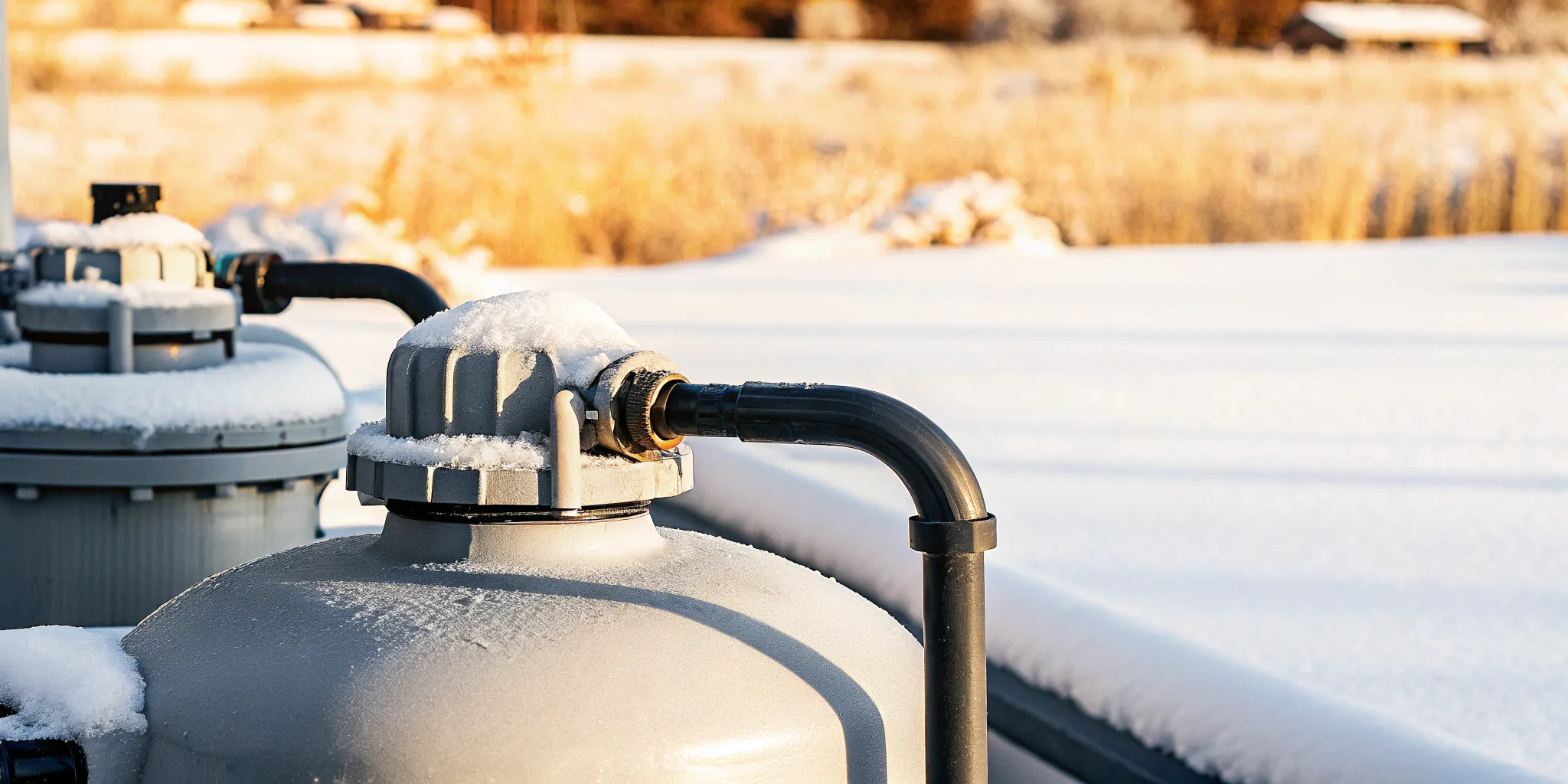
When water freezes, it turns into ice and grows in size by about nine percent. This growth creates massive pressure inside your pool pipes and pump. Swimming pool supply lines are at a very high risk of freezing and bursting during cold events. Since the ice has no room to move, it pushes against the walls of the pipe. This force is strong enough to split plastic and metal parts. Even a small crack can lead to a huge leak once the water thaws in the spring.
The pump and filter are also prone to damage. These parts have small spaces where water can sit and hide. If you do not drain them fully, the ice will crack the pump case or the filter tank. These repairs are not cheap. A full winter closing plan removes all water from these areas to keep them dry and safe. By clearing the lines, you stop the ice from ever forming where it can do harm.
Why Denver height adds to the risk
Colorado's climate has big changes based on where you live. Most areas on the eastern plains see a freeze in the first two weeks of October. At higher spots, these freezes can happen even sooner. The thin air and clear skies in Denver allow heat to escape the ground quickly at night. This means your pool water and pipes can drop to the freezing point faster than in other states. You must be ready before the first frost arrives to protect your gear.
The expert freeze protection checklist
A proper closing is more than just putting on a cover. It is a set of steps to keep every part of the system safe. You should start this work when the air stays below 65 degrees during the day. This timing stops algae from growing but gives you enough time to finish before the deep cold sets in. Use these steps to prep your pool for the winter season.
- Test and balance your water make-up. You should keep your pH between 7.4 and 7.6 to prevent rust and scale on your pool surfaces.
- Remove all dirt and debris from the pool. Use a net and a vacuum to clear out leaves so they do not cause stains during the winter.
- Lower the water level below the skimmer mouth. This step keeps water out of the top lines where it is most likely to freeze.
- Drain all the water from your pump, filter, and heater. Open the drain plugs on each piece of gear and let them dry out fully.
- Blow out the pool lines with air. Use a high-power blower to push all the water out of the pipes until you see air bubbles in the pool.
- Add a winter chemical kit to the water. These tools keep the water clear and stop algae from taking hold while the pool is closed.
- Lock down a high-quality winter cover. Make sure it is tight and secure to keep kids, pets, and heavy snow out of the pool.
If you have any doubts about your gear, you should seek pool repairs and servicing before the snow flies. Fixing a small leak now is much better than dealing with a flood in March. An expert tech can check your lines for any weak spots that might fail in the cold. This peace of mind is worth the effort to ensure your pool is ready for a fresh start next year. No one wants to find a broken pipe when they are ready to swim in the spring.
Why Is Water Chemistry Critical Before Closing a Pool?
Before you shut down your pool for the season, you must get the water chemistry right. Proper balance helps protect your pool walls and equipment from damage during the cold months. In Colorado, the winter can be harsh, and a pool that is not balanced may face scale or rust. Taking time now to set your targets will make your spring opening much easier.
Clearing Debris for Better Balance
The first step in prepping your water is to remove all organic debris. Leaves, twigs, and bugs that stay in the water can lead to deep stains and use up your chlorine. Use a net to scoop out large items and vacuum the floor to get rid of fine dirt. If you leave these items in the pool, they can cause algae growth even in cold weather.
Cleaning the pool also helps your chemicals work better. When the water is clean, your sanitizer can focus on killing small germs rather than breaking down large leaves. This is a vital part of any good pool maintenance plans. A clean pool keeps winter chemicals active for a longer time and prevents ugly spots from forming on your liner.
Target Ranges for the Big Three
Once the pool is clean, you must test the water and adjust the levels. The three most vital parts of water chemistry are pH, total alkalinity, and chlorine. For the off-season, you want your pH to be between 7.4 and 7.6 to keep the water from becoming too acidic. High pH can cause cloudy water, but low pH leads to etched surfaces and metal wear.
Your total alkalinity should stay between 80 and 120 parts per million (ppm) to act as a shield for your pH. If your alkalinity is too low, your pH could drop and cause the water to damage your pool pump. You can raise your alkalinity by adding baking soda or use acid to lower it if it gets too high. Lastly, set your chlorine level between 1 and 3 ppm for the winter, which is enough to keep the water safe without being too harsh on your cover.
Why High-Altitude Chemistry Matters
Water chemistry is trickier in Colorado because of the high altitude and dry air. Our state has huge local climate changes that affect how pools react to the cold. According to Colorado State University, freeze dates can vary a lot based on how high up you live. This means you may need to close your pool earlier if you are in the mountains.
High-altitude areas often have hard water, which can lead to scale buildup when the water gets cold. Also, the thin air can make some chemicals leave the water faster than they would at sea level. This is why you need precise targets when you think about when to close pool colorado people. Without a firm balance, your supply lines and equipment are at a higher risk of failing when the first hard freeze hits.
Frequently Asked Questions
How early should I book a pool closing service in Colorado?
You should try to book your pool closing at least one month before you want it done. In the Denver area, many people want to close their pools in early October. Based on data from Colorado State University, the first freeze often hits by mid-October. By calling early, you make sure a pro tech can help before the cold hits. This keeps your gear safe from sudden cold snaps in the fall.
What happens if I close my pool too soon?
Closing your pool when the water is still warm can lead to green algae growth. It is best to wait until the air stays at 65 degrees or below. If the water is too warm, your winter chemicals will not last until the spring. This could leave you with a green pool and a big mess to clean up next year. Good timing keeps the water clear for the whole winter.
Can a pool heater keep pipes from freezing in a Denver winter?
A pool heater can keep water warm, but it is not a safe way to stop frozen pipes. If the power goes out or the heater stops during a storm, your lines could still burst. Based on the City of Boulder, pipes left in the cold have a high risk of damage. The only way to keep your system safe is to drain the water and blow air through the lines.
Ready to schedule your professional pool freeze prep?
Waiting too long to close your pool can lead to costly damage from ice that forms in your pipes. When the Denver ground freezes, it is much harder to fix these leaks and find new parts for your pump. By booking your service now, you can ensure your pool is safe before the first big snow hits. Our expert team will clear every line and seal your system so you can rest easy all winter long.
You will avoid the stress of a last-minute rush and the risk of a broken pool when spring comes. Taking this step today protects your backyard pool from the harsh Colorado cold. We make sure your heater and filter stay in top shape through the deep freeze. You can find more details on our pool care page.
Ready to book? Call (253) 796-8853 to schedule your professional pool winterization and freeze closing service.
Related Blogs