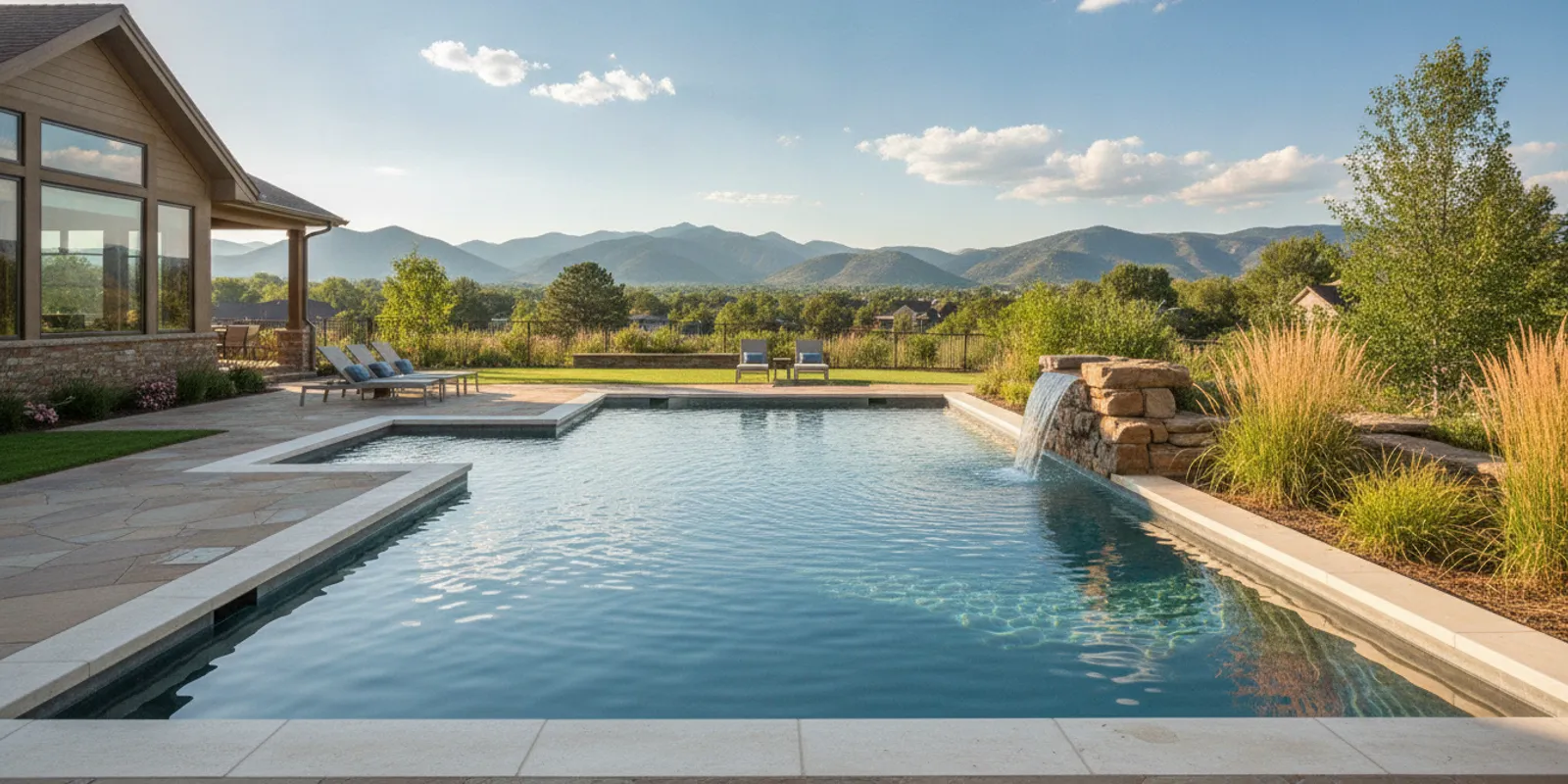
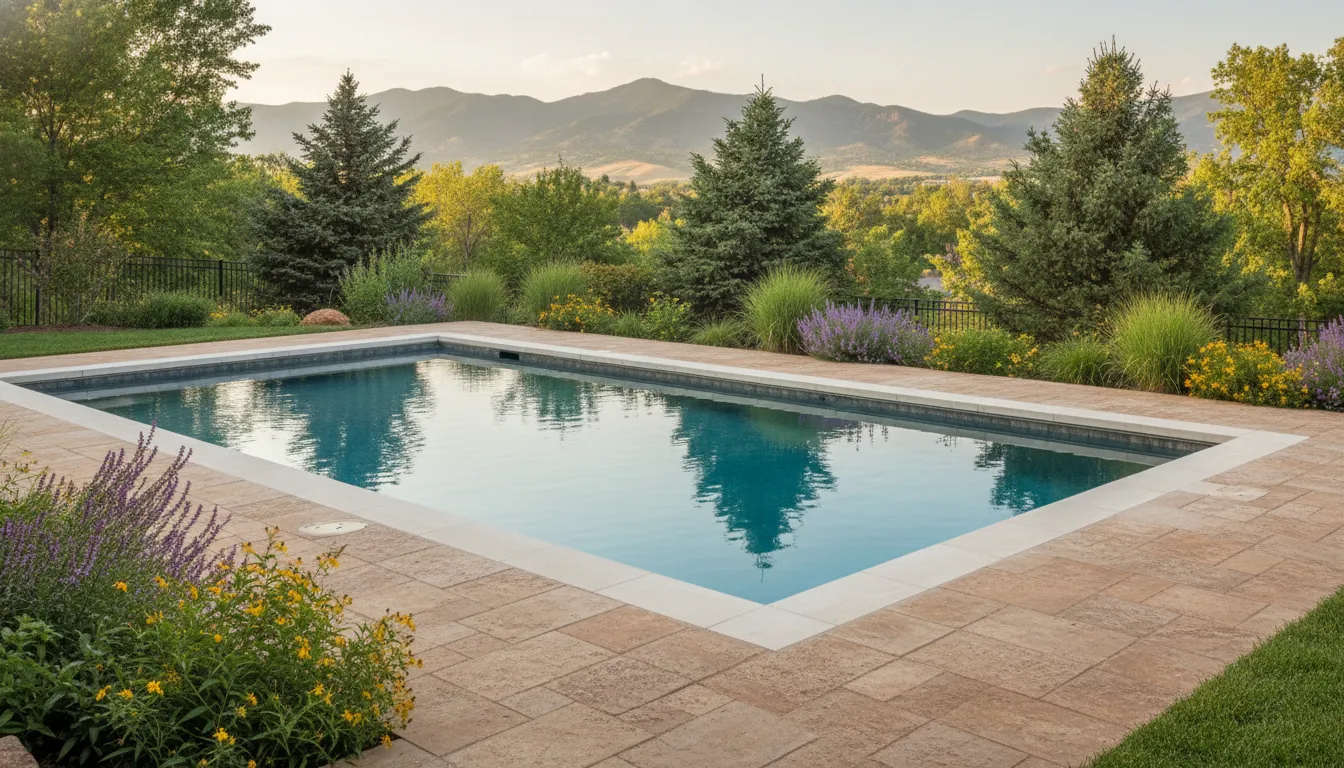
A Denver pool deck remodel does more than refresh a pool's surroundings. It affects safe entry and exit, drainage, and surface performance in Denver's sun and freeze-thaw cycles. Planning around those conditions can prevent a cosmetic update from overlooking a larger problem.
A successful Denver pool deck remodel should evaluate the existing substrate, drainage, slip resistance, heat exposure, material movement, and transitions around the coping. The right scope depends on what an inspection finds, so material selection and project expectations should follow that assessment rather than lead it.
Start by looking beyond stains or faded color. Cracks, lifting, soft areas, standing water, and uncomfortable walking surfaces can reveal whether the deck needs resurfacing, targeted repairs, or more extensive preparation. The condition of those visible and hidden layers determines the most practical next step.
Talk with Denver pool remodel experts about your deck rehabilitation project.
Is Your Pool Deck Ready for a Remodel?
A pool deck does not have to look completely worn out before it deserves a closer evaluation. Visible deterioration, recurring maintenance problems, or changes in how people move around the pool can all signal that the existing surface is no longer serving the space well. Look for cracking, areas that feel uneven underfoot, loose or shifting sections, worn finishes, and spots where water remains after routine use or weather. Discoloration and difficult-to-clean areas also deserve attention, especially when they continue after normal maintenance.
Pay attention to functional warning signs as well. A deck may need rehabilitation when edges no longer meet surrounding surfaces cleanly, walking areas feel unstable, or the transition between the deck and pool feels damaged. These conditions can affect everyday comfort and safety, but they do not always identify the underlying cause. A surface problem may be limited to the deck material, or it may point to movement. Damage near the pool edge, or an issue with the pool shell or coping.
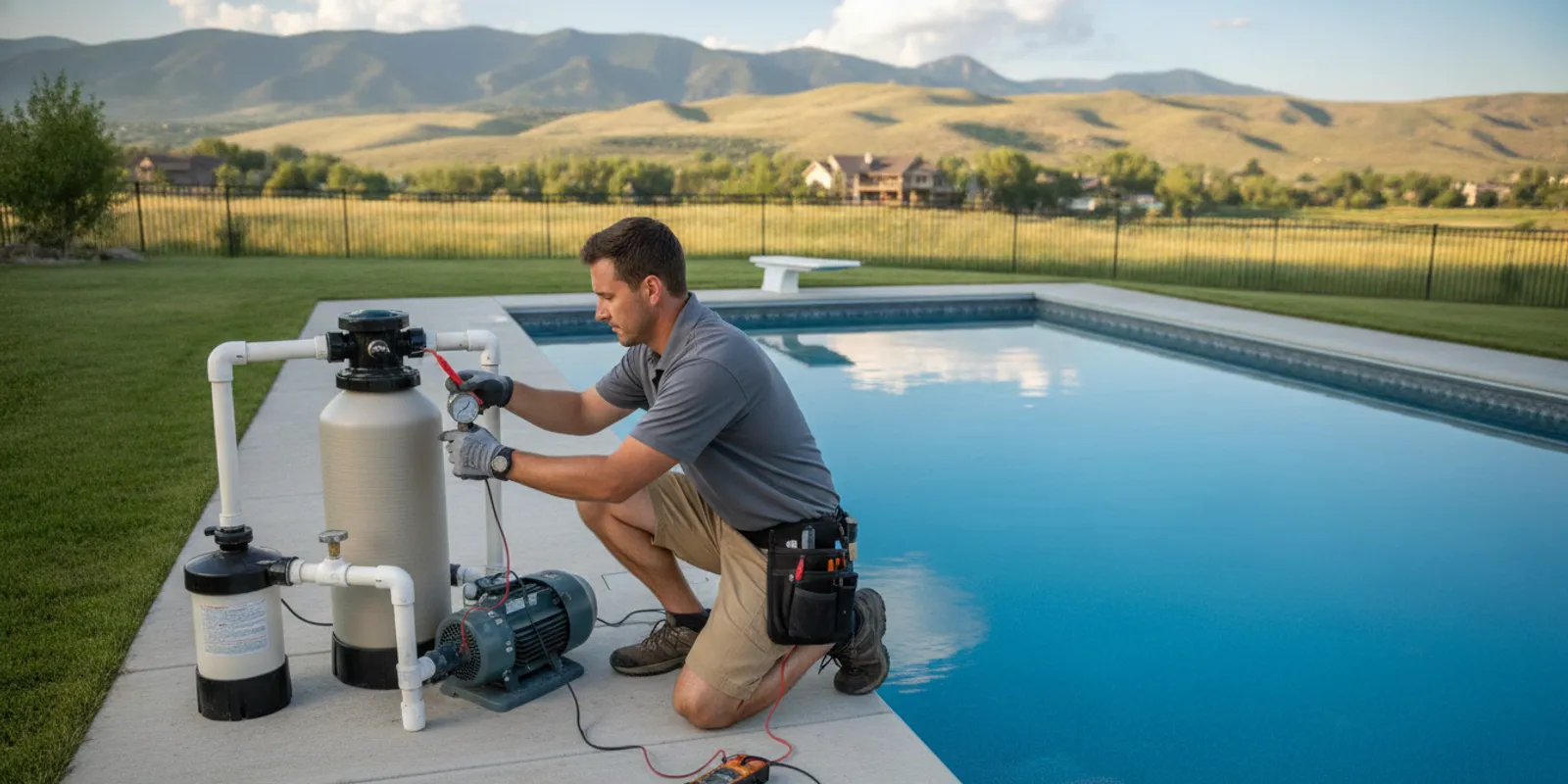
That distinction is why inspection should come before choosing a finish or material. A professional assessment can examine the existing deck, the areas around the coping, and the pool structure as related but separate parts of the project. It can also reveal structural issues hidden beneath existing materials, which may not be visible during a casual walk-through. Repairing or preparing the underlying area first helps prevent a new surface from covering a problem that still needs attention.
During an inspection, ask what is actually being recommended and why. Is the deck surface the primary concern, or do cracks and movement require work at the coping, shell, or supporting areas? Are drainage and transitions part of the scope? Clear answers help you compare rehabilitation options based on the condition of your pool rather than selecting a material from appearance alone.
Denver-area owners can make the planning process more productive by documenting problem areas before the visit. Take photos of cracks, uneven sections, standing water, and damaged edges at different times. Note when each issue appears and whether it changes after weather or heavy pool use. Neptune Pools' guide on how to prepare your pool for renovation can help organize that information before an assessment. With the condition of the deck and adjacent pool components understood. The next material decision can support the full rehabilitation plan instead of treating the visible surface in isolation.
What Makes a Denver Pool Deck Remodel Different?
A pool deck in Denver has to handle more than wet feet and summer gatherings. High-altitude sunlight, substantial UV exposure, winter moisture, and repeated freeze-thaw movement can all affect how a surface looks and performs over time. A suitable remodel should be planned around those conditions rather than selected only from a color sample.
Design for sun, cold, and seasonal movement
Colorado's intense UV exposure can fade finishes and accelerate weathering. While rapid temperature changes can put stress on rigid surfaces, joints, and the transition between the deck and pool structure. Neptune Pools notes that renovation planning in this region needs to account for local weather conditions. Including freeze-thaw cycles, and that its technicians are trained in Colorado freeze protection. Read more about the preparation considerations in preparing your pool for renovation.
That does not mean one material is automatically right for every Denver property. It means the existing substrate, drainage pattern, joints, surrounding soil, and coping transition should be assessed before a finish is chosen. A surface that looks excellent at installation can still crack, lift, or become difficult to maintain if the underlying movement and water flow are ignored.
Control water and reduce slip risks
Water management is a safety issue as well as a durability issue. Pool-deck grading should move water toward appropriate drainage locations instead of allowing it to collect beside the pool, at steps, or in walking paths. Local requirements can vary by jurisdiction, so a contractor should confirm the applicable provisions for the property rather than treating one local example as universal code.
Colorado regulations state that pool decks shall have a slip-resistant surface and use materials that are easily cleaned. Review the Colorado pool-deck regulation for the exact language. The CDC Model Aquatic Health Code also describes deck materials as slip resistant, easily cleanable, and resistant to algae and fungi growth. See the CDC Model Aquatic Health Code for its broader aquatic-facility guidance.
Plan for comfort and practical maintenance
A deck can meet basic traction needs and still be unpleasant to use if it becomes excessively hot or produces harsh glare in direct summer sun. During material selection, discuss surface temperature, texture, color, and shaded areas, especially around seating, ladders, and the most frequently used entry points. The finish should also be practical to sweep, wash, and inspect. Good cleanability makes it easier to notice cracks, standing water, organic growth, or failing joints before a small concern becomes a larger repair.
For Denver homeowners and property managers, the strongest design is usually the one that balances appearance with drainage. Traction, cleanability, algae and fungi resistance, UV durability, freeze-thaw performance, and barefoot comfort. Those factors should guide the scope of a denver pool deck remodel from the first inspection, not be added after installation problems appear.
Which Pool Deck Materials Work Best in Colorado?
There is no single best pool deck material for every Denver property. The right choice depends on the existing base, drainage pattern, pool coping, sun exposure, maintenance expectations, and how the surface will respond to Colorado's freeze-thaw cycles. Decorative concrete, pavers, and natural stone can all work when they are properly specified and installed for the site.
| Material | Strengths | Watch points | Repair and maintenance |
|---|---|---|---|
| Decorative concrete | Offers broad design flexibility, including stamped or textured finishes, and creates a continuous surface with fewer joints. | Cracks, settlement, and poor drainage can affect a large connected area. Texture and color should also be evaluated for wet-foot traction and summer comfort. | Cleaning and periodic sealing may be straightforward, but repairing a damaged section can leave a visible finish difference. |
| Pavers | Individual units can accommodate some ground movement and allow a damaged paver to be replaced without removing the entire deck. | The base, edge restraint, joints, and transitions must be installed carefully. Uneven settling can create trip points or interfere with drainage. | Routine sweeping and cleaning are manageable. Isolated units can be reset or replaced, while weeds or joint movement may require attention. |
| Natural stone | Provides a distinctive appearance and can offer useful texture when the selected stone is appropriate for a wet pool environment. | Stone varies significantly in porosity, heat retention, surface texture, and resistance to pool chemicals and weather. Sealing and freeze-thaw suitability deserve close review. | Cleaning methods and sealing intervals depend on the stone. Individual pieces may be repairable, but matching an aged surface can be difficult. |
Safety and water management should guide the aesthetic decision. Colorado regulations require swimming pool decks to have a slip-resistant surface and to use materials that are easily cleaned. The Colorado pool-deck regulation provides the specific requirement. The CDC Model Aquatic Health Code also identifies slip resistance, cleanability, and resistance to algae and fungi growth as important deck-material characteristics.
Drainage is equally important. The deck should direct water away from the pool and toward an appropriate drainage point rather than allowing water to collect near the edge. A local code guide explains this slope requirement. Review the planned slope, drains, expansion joints, and pool-to-deck transition before approving a finish. The coping is part of that transition, so coordinate the surface choice with any pool coping replacement work.
Finally, ask how the proposed material will handle intense UV exposure, winter movement, wet traction, heat, cleaning, and future repairs. A professional assessment of the existing substrate can identify conditions that should be corrected before the new surface is installed.
Explore professional Denver pool deck remodeling and rehabilitation services.
What Does a Pool Deck Remodel Include?
A pool deck remodel is more than placing a new finish over an old surface. A well-planned project evaluates how the deck is performing, what is below it, and how it meets the pool coping, tile, landscaping, and surrounding drainage. The final scope depends on the condition of the site, the selected materials, and any structural concerns discovered during inspection.
Inspection and project planning
The first step is a careful inspection of the existing deck and its connection to the pool. The evaluation should look for cracking, settlement, hollow or unstable areas, standing water, deteriorated joints, and movement around the pool edge. It can also reveal problems hidden beneath existing materials. Neptune Pools treats professional inspection as a critical part of preparing for renovation, rather than selecting a finish based only on appearance.
This is also where deck work is separated from broader pool shell work. A deck project addresses the walking surface, base, drainage, coping transitions, and related repairs. The pool shell, by contrast, is the structure that holds the water. If the inspection finds leaks, shell cracks, or stabilization needs, those repairs may need to be included in a broader rehabilitation plan. Neptune's pool remodeling and rehabilitation services can be scoped around the actual conditions found on site.
Demolition, preparation, and drainage
Depending on the existing construction, preparation may involve removing loose or failed materials, cleaning the work area, protecting the pool, and exposing sections of the substrate. The base must be sound enough to support the new surface. Cracks, uneven areas, and weak sections should be addressed before installation, not concealed beneath a finish that may fail prematurely.
Drainage is another essential part of preparation. Water should not collect beside the pool or flow toward the shell and nearby structures. The finished deck may require corrected slopes, repaired drainage paths, or adjustments at edges and transitions. These details are particularly important in Denver, where seasonal moisture and freeze-thaw movement can magnify small deficiencies.
Surface, coping, tile, and structural repairs
Once the base and drainage plan are ready, the project can move to surface installation. The selected material should provide a practical balance of traction, cleanability, heat comfort, appearance, and durability under Colorado conditions. The installation also needs a deliberate transition where the deck meets the pool coping and tile. Uneven elevations or open joints at this boundary can create trip hazards and allow water to reach areas it should not.
Some projects include coping or tile replacement, while others require repairs for leaks, cracks, or stabilization before the deck finish is completed. These are not automatically part of every deck remodel. But they should be considered when the inspection shows that the pool edge or shell is contributing to the deck problem.
Final safety review
Before the project is considered complete, the finished area should be checked for secure surfaces, consistent transitions, effective drainage, cleanable materials, and potential trip points. Remodeling requires a custom estimate because no two sites have the same substrate, access, drainage, or repair needs. A professional assessment ensures the scope reflects the work the property actually requires.
What Should You Ask Before Work Starts?
A clear conversation before demolition helps prevent scope gaps and surprises later. Ask the contractor to explain findings in plain language, identify which decisions depend on an inspection, and document the assumptions behind the plan. A qualified contractor should also be prepared to address local building and safety requirements, rather than treating the deck as a purely cosmetic surface. You can learn more about how to hire qualified pool remodel contractors before comparing proposals.
- What did the inspection find beneath or around the existing deck? Ask whether cracks, settlement, soft spots, poor bonding, or drainage problems could affect the finished surface. Professional inspection should come before material selection because existing conditions may change the recommended scope.
- Are we remodeling the deck, the pool shell, or both? Have the proposal separate deck work from resurfacing, tile, coping, leak repairs, or structural stabilization. This deck-versus-shell distinction makes it easier to understand what is included and what may require additional investigation.
- How will water drain away from the pool and nearby structures? Ask where the finished slope will direct water and whether existing drains, channels, or surrounding grades need correction. Colorado guidance emphasizes preventing water accumulation around the pool, so drainage should be shown in the plan, not left as an assumption.
- How will the surface address wet traction and summer heat? Confirm that the selected finish will be slip resistant, easy to clean, and appropriate for a wet walking area. Colorado regulations require slip-resistant, easily cleaned pool-deck surfaces. Also discuss glare and heat under direct Denver sun, especially where children or barefoot swimmers will use the deck.
- How is the material expected to perform in Colorado? Ask how the option handles ultraviolet exposure, freeze-thaw movement, pool chemicals, algae, and fungi. The right answer should connect the material and installation method to local conditions, not rely only on a sample's appearance.
- How will the new deck meet the coping and pool edge? Ask about expansion joints, elevations, movement, and the transition between the walking surface and coping. A neat edge is important, but the joint must also accommodate movement and help protect the pool structure.
- What is the expected schedule, and what could change it? Clarify preparation, demolition, installation, curing or setting time, inspections, weather interruptions, and when the pool can safely return to service. Ask who communicates schedule changes and how adjacent landscaping or equipment will be protected.
- What maintenance will the finished surface require? Request written guidance for cleaning, sealing, winter preparation, stain removal, and checking joints or drainage. A surface that looks good at completion still needs a practical maintenance plan.
- What assumptions support this custom estimate? Confirm the measured area, selected materials, demolition and disposal, repairs, drainage work, coping transitions, access limitations, permits, and exclusions. Remodeling services require a custom estimate because every site's condition and scope differ. A professional plan should make those assumptions visible before work starts.
With these answers documented, you can compare proposals based on preparation, safety, durability, and scope rather than surface appearance alone. The next step is professional planning that connects the inspection findings to a practical renovation sequence.
Request a custom estimate for your Denver pool deck remodel.
Frequently Asked Questions
How much does it cost to redo your pool deck?
The cost depends on the existing deck's condition, the selected material, drainage and grading needs, coping transitions, access, and any structural repairs. A professional inspection is needed before a reliable scope and custom estimate can be prepared. Avoid comparing a surface-only figure with a project that includes demolition, substrate work, or repairs.
What are some ideas for renovating my pool deck?
Common options include resurfacing decorative concrete, installing pavers, or choosing natural stone. You can also improve drainage, replace worn coping, repair cracks or unstable areas, and refine the transition between the deck and pool edge. Evaluate slip resistance, heat, cleanability, UV exposure, and freeze-thaw durability before choosing an appearance.
How much does it cost to build a deck over a pool?
Building a deck over an existing pool is not a standard pool-deck remodel and requires a site-specific structural and safety review. The assessment should determine whether the concept is feasible, how the pool will be secured or removed, and what permitting or engineering requirements apply. Request a custom evaluation rather than relying on a generic online estimate.
How much does a 12x12 pool deck cost?
Square footage alone cannot establish a dependable project estimate. A 12-by-12 area may require different preparation, drainage, edging, coping, access, and repair work than another deck of the same size. Have the full area inspected, including transitions and surrounding surfaces, then compare written scopes that clearly identify materials, preparation, repairs, and final safety checks.
Ready to Plan Your Pool Deck Remodel?
A professional scope review can help clarify which deck, drainage, safety, and transition details deserve attention before material decisions are finalized. Neptune Pools can assess your project needs and prepare a custom estimate based on the existing conditions and your goals.
Request a professional pool deck remodel consultation and custom estimate from Neptune Pools.