Emergency Hot Tub Repair Service in Denver: Warning Signs

Your first response to a hot tub problem can affect both safety and repair costs. If you notice sparks, a burning smell, water near electrical equipment, overheating, a fast-draining spa, or a pump that will not circulate water, stop using the tub. Do not keep resetting the breaker or remove equipment covers to investigate. Colorado’s cold weather creates another concern, since standing water in damaged plumbing can freeze and expand. A qualified technician can identify the cause and recommend the safest solution. Here’s how to assess the problem, prepare for service, and choose an emergency hot tub repair service in Denver you can trust.
Ready for a cleaner pool?
Denver's trusted pool care professionals since 1982. Get started today.
Schedule ServiceKey Takeaways
- Act quickly when safety is at risk: Stop using the hot tub for electrical faults, active leaks, overheating, smoke, repeated GFCI trips, or sudden shutdowns. Contact emergency services for fire, sparks, or immediate electrical danger.
- Take safe steps before service arrives: Keep people and pets away, avoid resetting breakers or opening panels, record error codes and symptoms, and protect the cover and equipment from freezing conditions.
- Choose qualified, transparent support: Work with certified technicians for diagnostics, repairs, leak detection, water care, and seasonal maintenance. Request written pricing, warranty details, and clear advice about repair, replacement, or rehabilitation.
Does Your Denver Hot Tub Need Emergency Repair?
Not every hot tub issue requires an emergency visit, but some warning signs should never wait. Electrical faults, active leaks, heating problems, and sudden shutdowns can make the spa unsafe or cause damage to pumps, heaters, plumbing, and controls. Denver’s cold weather can make a failed circulation system even more urgent because exposed pipes and equipment may freeze.
If the spa appears unsafe, stop using it immediately. Keep children and pets away, avoid touching wet equipment, and do not repeatedly restart the system. If you see smoke, fire, sparks, or exposed wiring, leave the area and contact emergency services or a licensed electrician. For problems involving pumps, heaters, controls, plumbing, water quality, or general spa operation, a qualified hot tub technician can identify the cause and recommend the safest next step. Neptune Pools provides spa services for Denver Metro homeowners who need troubleshooting, repairs, cleaning, and ongoing care.
Electrical shocks, burning smells, sparks, or repeated GFCI trips
Treat any electrical warning as an emergency. A shock from the water, burning odor, visible sparks, buzzing, melted parts, or a ground-fault circuit interrupter (GFCI) that trips repeatedly may indicate damaged wiring, moisture intrusion, a failing component, or an unsafe connection.
Do not reset the breaker repeatedly to keep the spa running. Keep everyone away from the equipment, especially when water is near the electrical panel or controls. If there is smoke, fire, or an active electrical hazard, leave the area and call emergency services. A qualified technician should inspect the heater, pump, controls, wiring, and GFCI before the spa is used again. Pool & Spa Medics recommends professional help when a spa develops a serious electrical problem.
Active leaks, falling water levels, or water near equipment
Call for prompt service if the water level is dropping quickly, water is collecting beneath the spa, or a plumbing connection is leaking while the system runs. Water near a pump, heater, control box, or other electrical component can create a safety hazard and cause additional damage.
Stop using the spa and do not operate equipment in a wet area. Avoid crawling underneath the hot tub or tightening fittings while the pumps are running. The source may be a loose connection, cracked pipe, failed seal, damaged jet, or shell problem. A technician can locate the leak and determine whether the repair involves plumbing, the shell, cabinet, or equipment. Jacuzzi’s hot tub repair guidance also recommends monitoring water levels and checking connections.
Heater failure, overheating, or unsafe temperature changes
Water that stays cold, becomes unusually hot, or changes temperature without explanation deserves prompt attention. The cause may be a faulty sensor, thermostat, control board, clogged filter, low water flow, or failing heater. Overheating can make the spa unsafe and may damage other components if the system continues operating.
Turn off the spa if the water temperature is unsafe or the controls behave unpredictably. Do not use the water until a technician has tested the heater and temperature controls. Heating issues and temperature fluctuations are among the common hot tub problems discussed in Jacuzzi’s repair basics. Neptune Pools can inspect the system, identify the failed component, and explain whether repair or replacement makes more sense.
Pump, motor, circulation, or jet-flow problems
Weak jets, poor circulation, a loud pump, or a motor that will not start may indicate a blockage, air lock, low water level, worn bearing, failing capacitor, or damaged pump. These issues can also stop the heater from working because many spas require adequate water flow before heating begins.
Stop using the spa if the pump is grinding, smoking, leaking, or overheating. Avoid switching it on and off repeatedly, which can place more strain on the motor. You may check simple items such as the water level and filter condition, but do not remove electrical covers or disassemble the pump. AJ Spa identifies weak jet pressure, loud pumps, error codes, and cold water as common hot tub concerns. A professional can determine whether the system needs cleaning, a replacement part, or pump service.
Flashing error codes, frozen controls, or sudden shutdowns
A flashing error code or frozen control panel usually indicates a fault involving water flow, temperature, sensors, voltage, or another component. Sudden shutdowns may also mean that a safety feature has activated to protect the spa from damage.
Write down the exact code and check the owner’s manual for basic instructions. Do not keep restarting the hot tub if the message returns, and never remove electrical covers to investigate it yourself. Record when the issue started and whether it appeared with a change in temperature, water level, or pump noise. Sharing those details with your technician can make the inspection more efficient. Twin City Jacuzzi explains that early attention may help prevent a smaller fault from damaging the pump or other equipment.
Cloudy, contaminated, or rapidly changing water
Cloudy water is not always an equipment emergency, but it should not be ignored. Poor sanitizer levels, unbalanced pH, a dirty filter, weak circulation, or contamination can all affect water clarity. If the water changes quickly, smells unusual, contains visible debris, or becomes discolored after an equipment problem, stop using the spa until it has been tested.
Do not use fragrance or excessive chemicals to cover an unknown water-quality problem. A technician can assess the water, filtration, circulation, and plumbing to find the cause. If the water level is falling too, the issue may involve a leak. Jacuzzi recommends monitoring water clarity and checking for leaks as part of safe hot tub care. Neptune Pools can assist with spa cleaning, water care, and equipment troubleshooting.
Separate emergencies from routine hot tub repairs
Emergency service is appropriate when there is an electrical hazard, active leak near equipment, smoke, overheating, structural damage, or any condition that makes the spa unsafe. Prompt service is also important when a failed pump, heater, or circulation system could leave plumbing exposed to freezing temperatures.
Routine repairs may include a mildly noisy pump, weak jets, a worn cover, a dirty filter, or water that needs balancing without creating an immediate safety concern. These problems still deserve attention before they worsen. Do not use the spa until you know whether the issue affects electrical safety, water sanitation, temperature control, or circulation. Neptune Pools provides equipment repairs and servicing for urgent problems and planned maintenance.
Know when to call an electrician first
Call a licensed electrician first if you see exposed wiring, a damaged electrical panel, smoke, fire, arcing, melted components, or water inside the panel. You should also contact an electrician if the breaker will not reset safely or the spa appears to have been connected incorrectly. Keep away from the panel and do not touch it, even if the spa seems to be turned off.
For problems involving a pump, heater, sensor, control panel, plumbing connection, or jet, a qualified spa technician may be the right first contact. Some situations involve both the hot tub and the home’s electrical system, so the electrician and spa technician may need to coordinate. When in doubt, treat electrical symptoms as urgent and share clear details about what happened. Neptune Pools can help with spa equipment concerns, while a licensed electrician should handle unsafe household wiring and panel conditions.
Why Delaying Hot Tub Repairs Is Risky in Denver
A hot tub problem rarely stays limited to one component. A small leak can reach electrical equipment, a weak pump can strain the heater, and poor circulation can quickly affect water quality. Denver’s changing temperatures add another concern, especially when water remains in exposed plumbing during a freeze.
Prompt repairs help protect your household, spa, and budget. If you notice a burning smell, active leak, unusual noise, error code, or sudden temperature change, stop using the hot tub and arrange a professional inspection. Neptune Pools provides spa services for homeowners throughout the Denver Metro area, including maintenance and repair support.
Prevent electrical shocks, fires, and slips
Water and damaged electrical equipment create a serious safety risk. A loose connection, failing heater, damaged cord, or repeatedly tripped GFCI can expose users to electrical shock. Sparks or a burning smell may indicate overheating or another electrical fault that could lead to a fire. Do not touch wet equipment or repeatedly reset a breaker when you do not know what caused the problem.
Leaks create another hazard. Water around the equipment compartment or on the surrounding surface can make the area slippery, while hidden moisture may damage wiring and controls. Professional equipment repair and servicing can help identify the source of the issue before someone uses the spa or handles a damaged component. If the problem involves the home’s electrical supply, contact a qualified electrician before spa service.
Prevent freeze damage to plumbing, pumps, heaters, and filters
Denver’s cold weather can damage a hot tub when water freezes inside plumbing lines, pumps, heaters, or filters. As water expands, it can crack fittings and strain components that may already be weakened by a leak or circulation problem. Even a short period without proper heat or water flow can leave the system vulnerable during a cold snap.
Do not assume turning off the spa solves the problem. If the tub is full and circulation stops, exposed water may freeze before service arrives. Keep the cover secured, protect accessible equipment from cold air, and contact a technician for specific instructions. Jacuzzi’s hot tub repair basics also emphasize early detection and regular maintenance as ways to help prevent costly damage.
Stop leaks, equipment failures, and shell damage from spreading
A slow leak may seem manageable, but it can affect the cabinet, insulation, flooring, shell, or nearby equipment. Water can also collect beneath the spa, making the source difficult to identify without an inspection. Continuing to run the pump may move more water through a damaged line and place additional strain on the system.
Unusual pump sounds, weak jet pressure, or inconsistent circulation can signal a failing component. Ignoring these symptoms may turn a repair involving one part into a larger service visit involving the pump, heater, plumbing, or controls. Catching the issue early gives a technician more options and may limit replacement costs. Twin City Jacuzzi recommends addressing common hot tub problems as soon as they appear, rather than waiting for a complete failure.
Protect water quality and health
A hot tub depends on steady circulation, filtration, sanitizer, and proper water balance. When the pump, filter, or circulation system fails, contaminants can remain in the water and sanitizer may not distribute properly. Cloudy water, unpleasant odors, foam, or rapid changes in clarity should not be dismissed as routine maintenance concerns.
Using a spa with compromised water quality can irritate the skin and eyes and create an unhealthy environment for anyone who enters the tub. Stop use until the cause is identified, then have the water tested and the equipment checked. Neptune Pools can help with cleaning and maintenance, including water care and equipment checks that help keep a spa clean and usable.
Reduce energy use and repair costs
A failing heater, clogged filter, weak pump, or restricted water flow can make the hot tub work harder than it should. The system may run for extended periods without reaching the set temperature, increasing energy use while placing more stress on electrical and mechanical parts. A damaged cover or leak can allow heat to escape and make the issue worse.
Early service may limit the extent of the damage and reduce the number of parts involved in the repair. It can also help prevent secondary problems caused by overheating, restricted flow, or low water levels. Ask the technician to explain the fault, recommended repair, and temporary steps that can protect the spa while you wait for parts. Neptune Pools can also advise on suitable supplies and chemicals for ongoing water care.
Know when to shut down the spa
Turn off the spa and keep everyone away if you notice sparks, smoke, a burning odor, exposed wiring, water near electrical equipment, a major leak, or an unexplained electrical trip. Shut it down if the water level is too low for the pump to operate safely or if the heater runs without proper circulation. These signs require professional help, not repeated restarts.
If the area is wet, do not reach into the equipment compartment or handle the breaker. If the electrical panel is dry and accessible, follow the manufacturer’s safety instructions and switch off power only when it is safe. Keep the cover in place unless a technician advises otherwise. Record error codes, sounds, smells, and visible damage so you can share accurate details during the service call.
What Should You Do Before Emergency Service Arrives?
A hot tub that is leaking, overheating, making unusual noises, or showing electrical warning signs should remain out of service until a qualified technician inspects it. Your first priority is to protect people, pets, and the equipment. Avoid experimenting with switches, wiring, pumps, or controls, since a small mistake can create a shock, fire, or flooding hazard.
Before emergency hot tub repair arrives, gather useful information without disturbing damaged components. Note what happened, take photos only when it is safe, and share details about the spa’s symptoms, location, and recent service history. These steps can help the technician prepare for the visit and reduce the chance of additional damage.
Stop using the spa and keep people and pets away
Do not enter the hot tub if it is malfunctioning, losing water, overheating, or showing signs of electrical trouble. Keep children, guests, and pets away from the spa, equipment area, and surrounding deck. Standing water can make the surface slippery, while exposed wiring, damaged covers, or leaking water can create additional hazards.
If the cover is safe to handle and remains stable, leave it in place. Do not lift it if you notice smoke, sparks, heat, structural damage, or a strong burning odor. Use a visible reminder or barrier so no one accidentally turns the spa back on. Neptune Pools can inspect the system and recommend the right spa service once the area is secure.
Turn off the breaker only when the area is dry and safe
If the spa is operating normally but has a suspected equipment fault, you may be able to switch off its dedicated breaker from a dry, accessible location. Do this only if you can reach it without stepping through standing water, touching wet surfaces, or approaching damaged electrical equipment. Keep your hands and footwear dry, and never remove the electrical panel cover.
If water is near the breaker, control box, wiring, or other electrical components, leave everything alone and contact a qualified professional or emergency electrician. Do not cross a wet area to reach the panel. When calling for service, explain where the water is located and whether the breaker has tripped.
Avoid wet electrical panels, DIY wiring, and repeated restarts
Never open a wet electrical panel or control box, pull out wires, replace components, or bypass a GFCI. Even if the spa starts after a reset, repeated restarts can strain a failing pump, heater, sensor, or circuit. The Jacuzzi hot tub repair guide also warns against tampering with wet electrical panels or attempting repairs without the proper training.
Do not keep resetting the breaker to see whether the problem disappears. A trip may indicate moisture, an electrical fault, or a component drawing too much current. Instead, write down what happened, including whether the breaker tripped once or several times. This information gives the technician a useful starting point.
Record error codes, sounds, smells, water levels, and damage
Write down what you observed and when the problem began. Include flashing error codes, display messages, humming, grinding, clicking, or buzzing. Note any burning, musty, or chemical odors, along with changes in water level, jet pressure, circulation, and temperature.
Look around the spa for standing water, cracks, bulging panels, damaged insulation, loose fittings, and signs of freezing. Do not remove panels to inspect hidden equipment. A short timeline can help, such as noting that the spa displayed an error code after a temperature drop, then the pump stopped and the water level fell. Hot tub maintenance guidance recommends documenting these details for the service technician.
Gather the model number, serial number, warranty, and service history
Collect the hot tub’s brand, model, serial number, approximate installation date, and details about recent repairs or replacement parts. The identification label may be near the equipment compartment, cabinet, or frame. Do not remove a panel or reach into the compartment if it is wet or unsafe.
Also gather the owner’s manual, purchase records, warranty documents, invoices, and previous service notes. Tell the technician when the spa was last cleaned, drained, winterized, or treated with chemicals. If you know the age of the pump, heater, cover, or control system, include that information. These details can help identify compatible parts and clarify whether warranty coverage may apply.
Take clear photos without touching damaged electrical parts
Photos can help the technician understand the issue before arriving. From a safe, dry position, photograph the control-panel display, visible leaks, water level, cabinet damage, cracked plumbing, frost, and error codes. Take one wider photo to show the equipment area, followed by closer images of visible damage.
Do not move wet panels, lift covers near exposed wiring, wipe away residue, or touch burned, melted, loose, or damaged components. Avoid using your phone near active sparking or smoke. If the area feels unsafe, skip the photos and describe what you saw instead. You can send safe images through the company’s approved communication channel when requesting equipment repair and servicing.
Protect exposed plumbing and equipment from freezing
Denver’s cold weather can turn a small equipment problem into serious plumbing damage. If the spa is not operating and temperatures are expected to fall, protect the cover, cabinet, exposed plumbing, and equipment from wind and snow. Close and secure the cover if it is safe to do so. Remove snow gently, and never place your weight on the cover.
Do not use an open flame, hair dryer, space heater, or other improvised heat source near the spa. Do not pour hot water over frozen pipes, since a sudden temperature change can damage fittings and plumbing. Ask the technician what temporary protection is appropriate for your system. Depending on the weather and equipment condition, they may recommend controlled winterization or another safe measure.
Avoid draining the hot tub unless a technician recommends it
Do not drain a malfunctioning hot tub automatically. Removing the water can expose plumbing and equipment to freezing, make it harder to identify a leak, and create additional concerns if the spa cannot be refilled and restarted safely. In some conditions, an empty spa may also be more vulnerable to shell movement or other damage.
Drain the spa only when a qualified technician recommends it and explains how to protect the plumbing afterward. If the water is contaminated, strongly discolored, or unsafe to use, keep people and pets away and describe the condition when you call. The technician can determine whether the spa needs draining, cleaning, inspection, or water treatment. Neptune Pools also provides supplies and chemicals for ongoing water care after the equipment is safe to service.
What Does Denver Emergency Hot Tub Repair Include?
Denver emergency hot tub repair involves more than replacing a failed part. A qualified technician first identifies the source of the problem, makes the system safe, and determines whether the spa needs an immediate repair, a follow-up visit, or more extensive rehabilitation. This process is especially important in Colorado, where freezing temperatures can damage exposed plumbing, pumps, filters, and equipment.
The service you receive depends on the hot tub’s symptoms, age, brand, condition, and maintenance history. A technician may address electrical faults, heating problems, leaks, water-quality concerns, or several issues at once. Neptune Pools provides spa services throughout the Denver Metro area, with recommendations based on the equipment’s condition instead of a one-size-fits-all checklist.
Inspect, troubleshoot, and test the system
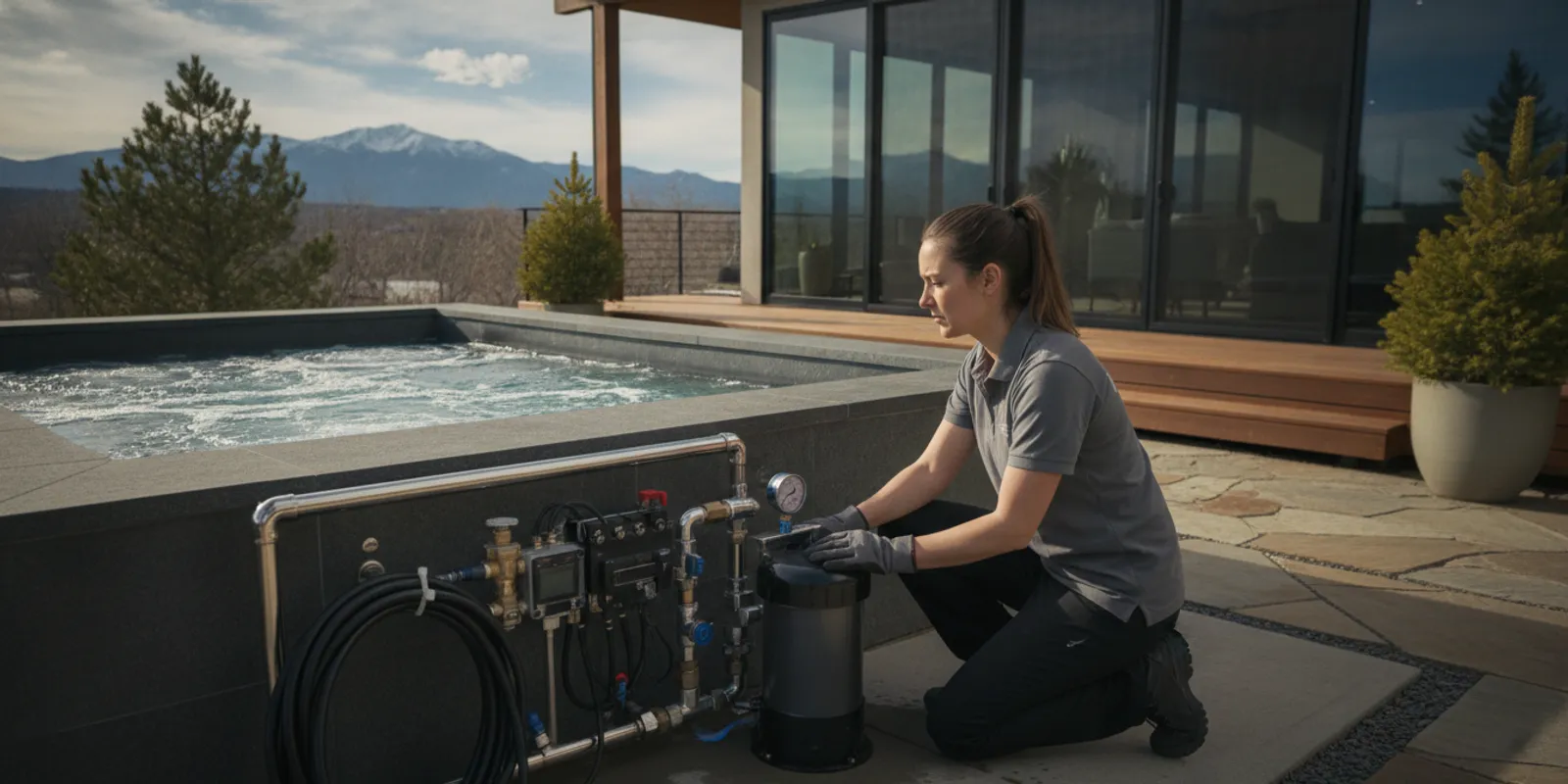
Emergency service usually begins with a visual inspection and diagnostic testing. The technician may examine the control panel, breaker, GFCI, water level, filter, heater, pump, plumbing connections, and equipment compartment. They may also listen for unusual sounds, check for overheating, and review any error codes on the display.
Testing helps separate the visible symptom from the underlying problem. For example, a hot tub that will not heat may have a failed heater, poor water flow, a clogged filter, an air lock, or a sensor fault. A careful inspection can prevent unnecessary part replacements and give you a clearer estimate of the work required.
Repair heaters, thermostats, sensors, and temperature controls
Heating problems are a common reason homeowners request urgent hot tub service. Your spa may stay cold, overheat, cycle unpredictably, or display a temperature-related error. These symptoms can result from a damaged heater, faulty thermostat, failed sensor, restricted circulation, or a problem with the control board.
A technician tests the heating system and connected components before recommending a repair. The work may involve replacing a heater element, sensor, thermostat, or control component. Afterward, the technician should verify that the spa reaches and maintains a safe temperature. Jacuzzi’s hot tub repair guide also identifies heating, filtration, and water-flow issues as common areas to investigate.
Repair pumps, motors, circulation systems, filters, and jets
A pump or motor failure can reduce jet pressure, stop circulation, or prevent the heater from working correctly. You may notice grinding, humming, leaking, weak water flow, or no movement through the jets. A clogged filter or closed valve can cause similar symptoms, so the full circulation system needs to be checked.
Emergency repair may include clearing an obstruction, replacing a filter, repairing a pump seal, servicing the motor, or installing a compatible replacement assembly. The technician should also inspect valves, suction fittings, plumbing lines, and jet bodies. Restoring circulation helps the spa heat evenly and allows sanitizer to move through the water.
Detect and repair plumbing, leaks, shells, jets, and cabinets
A falling water level can indicate a leak, although evaporation and splash-out may also contribute. Technicians inspect the shell, plumbing lines, unions, pump connections, heater housing, jets, drain fittings, and equipment area to locate the source. Water near electrical equipment requires immediate caution because it can create a serious safety hazard.
Depending on the location and severity, repairs may include tightening or replacing fittings, sealing a connection, repairing plumbing, replacing a jet, or addressing shell or cabinet damage. A damaged cabinet can expose equipment to snow, ice, and moisture. Neptune Pools also provides equipment repairs and servicing for pool and spa systems throughout the Denver area.
Troubleshoot electrical components, controls, wiring, and GFCIs
Electrical symptoms require prompt attention. Sparks, burning smells, shocks, damaged wiring, repeated GFCI trips, and a control panel that suddenly goes blank can indicate a dangerous fault. A technician may inspect the disconnect, breaker, GFCI, wiring, control pack, circuit board, and connections for moisture, corrosion, overheating, or damage.
Do not open an electrical panel or repeatedly reset a tripped breaker while standing on wet ground. A hot tub technician can identify equipment-side problems, but wiring or service-panel issues may require a licensed electrician. The Consumer Product Safety Commission’s safety guidance highlights the importance of GFCI protection around pools and spas.
Service filters, drain and clean the spa, and correct water quality
Some urgent repair calls begin with a water-quality problem. Cloudy water, strong odors, foam, scaling, or skin irritation may indicate an overloaded filter, poor circulation, incorrect sanitizer levels, or unbalanced pH and alkalinity. Water problems can also place extra strain on heaters, pumps, and plumbing components.
A technician may remove and clean the filter, drain the spa, scrub affected surfaces, refill the vessel, and test the water. They can then recommend treatment for sanitizer, pH, alkalinity, calcium hardness, or scale. Neptune Pools offers pool and spa supplies and chemicals to help owners care for water quality between professional service visits.
Install compatible replacement parts and service equipment
When a component fails, the replacement must match the hot tub’s model, voltage, flow requirements, connection type, and control system. An incompatible heater, pump, sensor, filter, or control part can cause additional faults or create a safety concern. A technician should confirm the specifications before installation.
Emergency service may include sourcing and installing a replacement part, repairing an existing component, or securing the equipment until the correct part arrives. After installation, the technician should inspect the connections, test the system, and confirm that the new component communicates properly with the spa controls. Ask whether the part includes a manufacturer warranty, workmanship warranty, or both.
Recommend repairs, replacements, or spa rehabilitation
Not every hot tub problem calls for the same solution. A newer spa with one failed sensor may need a straightforward repair. An older unit with repeated leaks, outdated controls, damaged plumbing, and poor insulation may require several repairs or a broader rehabilitation plan.
A reliable technician should explain what failed, what can be repaired, and what may need replacement. They should also identify which work can wait and which issue needs immediate attention. Neptune Pools provides remodel and rehabilitation services for systems that need more than a single part replacement, helping property owners compare repair costs with longer-term options.
Plan shutdowns, return visits, and post-repair testing
Some repairs can be completed during the first visit. Others require a replacement part, additional labor, or a follow-up appointment. The technician should explain whether the spa needs to remain off, drained, covered, or disconnected until the work is complete. This matters during Denver freezes, when standing water in exposed plumbing can expand and cause damage.
After completing the repair, the technician should test the heater, pump, circulation, jets, controls, water level, and safety devices. They may also check for leaks while the system runs. Before using the spa, confirm what was repaired, whether any limitations remain, and which maintenance steps can help prevent another service call.
How Quickly Can Denver Emergency Hot Tub Repair Respond?
Emergency hot tub repair response times vary based on the problem, your location, road conditions, and technician availability. A serious electrical issue, active leak, or complete system failure may receive priority over a minor performance concern. When you call, describe the symptoms clearly, mention any error codes, and explain whether the spa is still connected to power or losing water.
A professional may offer same-day or after-hours appointments, but availability is not guaranteed. Some repairs can be completed during the first visit, while others require a special-order part or a second appointment. Local emergency repair providers generally focus on restoring safe operation for homeowners, guests, and businesses, as noted in this overview of Denver spa repair services.
Compare same-day, after-hours, and scheduled service
Same-day service may be appropriate when your hot tub has an active leak, electrical concern, complete heater failure, or another issue that makes the spa unsafe to use. After-hours service can help when a problem occurs at night, on a weekend, or during a holiday. Ask whether after-hours appointments are available and whether they carry separate service fees.
A scheduled visit may be the better choice for less urgent problems, such as weak jets, a worn filter, or slow heating when the spa remains safe and stable. When you contact a provider, ask whether they serve your area of the Denver Metro region and whether the appointment is considered emergency, same-day, or routine service.
Understand how location, weather, severity, and technician capacity affect timing
Your property’s location can affect the arrival window, especially if it sits outside a technician’s regular service route. Snow, icy roads, traffic, and freezing temperatures may also slow travel. During a cold snap, multiple homeowners may need help with frozen plumbing, failed heaters, or damaged equipment at the same time.
The severity of the problem usually affects priority. Water near electrical equipment, a burning smell, or a repeated breaker trip requires more immediate attention than a minor jet-flow problem. Give the provider a straightforward description of the issue so they can assess the risk and assign the right appointment type.
Ask about arrival windows, service fees, and emergency availability
Ask for an arrival window instead of an exact arrival time. Confirm whether the company charges a diagnostic fee, after-hours fee, travel fee, or minimum labor charge. You should also ask whether the technician will provide an estimate before beginning repairs beyond the initial inspection.
Tell the provider if the hot tub is losing water, if water is near the equipment, or if the breaker keeps tripping. These details may change the recommended response. In some cases, the safest advice may be to contact a licensed electrician first, particularly when the issue involves the home’s electrical panel, damaged wiring, smoke, or an active fire risk.
Know what happens during the initial inspection
The first visit typically begins with a safety check and a review of what happened. The technician may inspect the breaker, controls, heater, pump, plumbing connections, water level, filter, and visible wiring. They may then test individual components to determine whether one failed part caused the larger problem.
Keep the area around the spa and equipment pad accessible. If it is safe, provide the model number, serial number, error codes, and details about recent changes or repairs. Basic checks, such as inspecting and cleaning the filter, can help identify developing problems, according to Jacuzzi’s hot tub repair guidance. Do not touch damaged electrical components while gathering information.
Understand how parts availability affects same-visit repairs
A same-visit repair is more likely when the failed component is common and the technician has it on the service vehicle. Fuses, sensors, thermostats, filters, and some plumbing parts may be easier to replace than brand-specific control boards, pumps, or heaters.
If the correct part is not available, the technician may stop a leak, make the system safe, or recommend keeping the spa shut down while the replacement is ordered. Avoid using a mismatched component just to restore operation quickly. The correct part supports safe performance, proper operation, and applicable warranty coverage. Ask how long ordering may take and whether the repair requires a manufacturer-specific component.
Prepare for temporary shutdowns or return visits
Some repairs require the hot tub to remain off until a replacement part arrives or testing is complete. A technician may recommend draining the spa, protecting exposed plumbing, or securing the cover during freezing weather. Follow those instructions closely, especially when temperatures are expected to drop below freezing.
Before the technician leaves, ask what you can safely do while waiting and whether the return visit can be scheduled. After the repair, the technician should test heating, circulation, controls, and leak points. If the spa needs broader equipment work, Neptune Pools’ equipment repair and servicing team can help assess the necessary next steps.
How Much Do Emergency Hot Tub Repairs Cost in Denver?
Emergency hot tub repair costs in Denver depend on the problem, the equipment involved, and how quickly service is needed. A minor sensor issue may require limited labor, while a failed heater, hidden leak, or electrical fault can involve diagnostic time, replacement parts, and follow-up work. Freezing temperatures may also increase the risk of damage if the spa remains out of service.
To estimate the total cost, separate the service call, labor, parts, water care, and ongoing maintenance. Ask for each charge in writing so you can compare estimates clearly. A company familiar with Colorado weather and equipment, such as Neptune Pools, can help determine whether your spa needs a repair, replacement component, or more extensive spa service.
Compare diagnostic and service-call fees with local price benchmarks
Many repair companies charge a diagnostic or service-call fee before beginning repair work. This fee usually covers travel, an inspection, and a set amount of troubleshooting time. One Denver provider lists a $155 diagnostic fee, which includes the first 30 minutes on site. Treat that figure as a local reference point rather than a standard rate for every company.
Ask exactly what the fee includes before booking. Some providers apply the diagnostic charge toward approved repairs, while others bill it separately. Confirm whether the visit covers electrical testing, leak inspection, equipment testing, and a written recommendation. You should also ask whether the price changes for evenings, weekends, holidays, or locations outside the company’s usual service area. Comparing the full service-call terms will give you a more useful picture than comparing the initial fee alone. You can review the published Denver diagnostic pricing for one local benchmark.
Understand initial diagnostic visits and additional labor charges
The first visit may identify the cause of the problem without completing the repair. For example, a heating issue could involve the sensor, control board, circulation pump, or wiring. Each possibility requires different tests and parts, so the technician may need to inspect the system before providing a final repair price.
Published local rates can help you plan for additional labor. One Denver hot tub repair provider bills extra diagnostic time in 30-minute increments at $75 after the first 30 minutes. Ask whether labor is charged by the half-hour or hour, and whether the technician will request approval before exceeding the initial service period. Confirm whether return visits, testing after installation, and cleanup are included. A written estimate should also explain whether the diagnostic fee is separate from repair labor.
Identify repair costs for heaters, pumps, motors, leaks, controls, and electrical parts
The repair may involve anything from a small component replacement to a larger equipment installation. Common problems include heaters that fail to warm the water, pumps that stop circulating, worn motors, plumbing leaks, frozen pipes, faulty control panels, error codes, and tripped breakers. The final price depends on the failed part, equipment access, labor time, and whether a compatible replacement is available.
Electrical problems require extra caution. Repeated GFCI trips, sparks, burning smells, or water near wiring are safety concerns, not routine maintenance issues. Do not keep resetting the breaker or opening electrical panels. Ask the technician to identify the failed component and explain whether the estimate includes wiring, testing, and GFCI verification. For broader pool and spa equipment support, review Neptune Pools’ equipment repair and servicing.
Budget for deep cleaning, winterization, draining, refilling, and chemical balancing
Not every urgent service call involves a broken part. A spa may need deep cleaning if the water is contaminated, the plumbing contains buildup, or the tub has been neglected for an extended period. Winterization may also be necessary when the spa will remain unused during freezing weather or when equipment cannot be repaired immediately.
One Denver provider lists deep cleaning or winterization at $300. The service includes plumbing line cleaning, cover cleaning, draining, and flushing the plumbing before refilling. Water refill and chemical balancing are listed separately at an additional $75. Your cost may vary based on spa size, water access, plumbing condition, and disposal requirements. Ask whether draining, disposal, refilling, and water treatment are included or billed separately.
Review published prices for diagnostics, labor, and water care
Published prices provide a useful starting point, but they do not replace a site-specific estimate. Compare the diagnostic fee, included inspection time, labor rate, part markup, and minimum charge. A low service-call fee may not be the least expensive option if it excludes important testing or comes with a higher labor rate.
Water care may also be priced separately from repairs. One local provider lists ongoing water care at $150 per month for two visits. The service includes filter cleaning, water chemistry balancing, cover cleaning, and equipment inspection. For owners who handle maintenance themselves, another Denver-area source estimates testing supplies and chemicals at about $20 per month. Ask what each plan includes and whether chemicals, filter service, emergency support, and extra visits cost more. Neptune Pools also provides supplies and chemicals for ongoing spa care.
Account for after-hours, travel, winter access, and replacement-part charges
Emergency service outside regular business hours may cost more than a scheduled appointment. Before booking, ask whether the company charges an after-hours rate, emergency dispatch fee, or travel fee. Confirm the service area as well, since a technician traveling across the Denver Metro area may price the visit differently based on location and availability.
Winter access can affect both timing and cost. Snow, ice, frozen plumbing, and outdoor equipment may make inspection more difficult. If a part is not in stock, the technician may need to order it and return later. Provide the make, model, age, water capacity, and a clear description of the problem when you call. Information about the issue, including error codes and recent maintenance, can help the technician identify compatible parts and reduce delays.
Compare ongoing water-care plans and maintenance pricing
A maintenance plan may cost less than repeated emergency visits, especially if your spa is used often or has aging equipment. Regular service can include water testing, chemical balancing, filter cleaning, cover care, and equipment inspections. These tasks can reveal low water levels, weak circulation, leaks, and unusual temperature changes before they become larger problems.
Compare plans based on the work performed rather than the number of visits alone. Ask whether chemicals are included, whether filters are cleaned or replaced, and whether repairs receive priority scheduling. Check for contracts, cancellation terms, and charges for additional visits. Neptune Pools offers cleaning and maintenance services for homeowners who want consistent support with pool and spa care. A routine plan can also make seasonal preparation easier, especially before periods of freezing weather.
Request written estimates, service warranties, and repair-versus-replacement advice
Request a written estimate before approving substantial work. It should list the diagnostic fee, labor rate, parts, taxes, disposal, travel, and expected return visits. Ask the technician to explain which repairs are urgent, which can wait, and what could happen if you continue using the spa.
A reliable company should also explain its warranty terms. Confirm whether the warranty covers labor, parts, or both, and how long the coverage lasts. Ask what happens if the replacement part fails or the original problem returns. If a technician recommends replacing a heater, pump, or control system, request the expected service life and repair history of the existing unit. These details will help you compare a repair with a larger upgrade and avoid approving work without understanding the total cost.
Know when replacement, remodeling, or rehabilitation makes more sense
Repair is not always the best long-term choice. Replacement may make more sense when a spa has repeated equipment failures, extensive freeze damage, a deteriorating shell, outdated controls, or parts that are no longer available. A repair may solve the immediate problem but leave other aging components at risk of failing soon after.
Ask for a practical comparison between the proposed repair and the condition of the entire spa. A professional can assess the shell, plumbing, cabinet, cover, heater, pump, controls, and electrical system before recommending the next step. If the structure is sound but several features need attention, rehabilitation or a targeted remodel may be appropriate. Neptune Pools provides remodel and rehabilitation services for projects that extend beyond a single emergency repair. Include the likely service life, warranty, and future maintenance needs when comparing each option.
How to Choose a Reliable Emergency Hot Tub Repair Service in Denver
When a hot tub problem involves electricity, an active leak, freezing temperatures, or a complete loss of heat, the repair company you choose matters. A fast response is helpful, but safe work, clear communication, and the right experience matter just as much. Before scheduling service, look for a provider that understands hot tubs, Colorado weather, and the equipment installed at your property.
Start by confirming that the company serves your Denver Metro location and handles the type of repair you need. Then ask about technician qualifications, insurance, pricing, warranties, and response times. A reliable provider should explain what happens during the first visit and tell you when the spa needs to remain shut down.
It also helps to prepare useful information before you call. The hot tub’s brand, model, error codes, recent symptoms, and photos can help the technician understand the issue and arrive with appropriate tools or parts. Use the checklist below to compare providers and avoid unclear pricing, unnecessary delays, and repairs that only address the visible symptom.
Explore Neptune Pools’ Denver Metro repairs, spa services, maintenance, and supplies
Start with a company that offers services suited to both urgent and ongoing needs. Neptune Pools serves homeowners and property managers throughout the Denver Metro area with spa repairs, maintenance, supplies, and related care. Choosing a provider with several service options can make it easier to address the immediate problem and maintain the equipment afterward.
For example, a technician may repair a circulation pump during an emergency visit, then recommend filter cleaning or routine water care to help prevent another failure. Neptune Pools provides spa services, as well as equipment repairs and servicing, so you can work with one local team for repairs and continued care.
Confirm Denver Metro coverage and direct contact details
Confirm that the company serves your specific city or neighborhood before scheduling service. Denver Metro calls can involve different travel times, property access requirements, and weather conditions. Ask whether technicians regularly work in your area and whether emergency appointments are available for residential or commercial properties.
Look for a direct phone number, a clear service area, and practical instructions for reporting a problem. The provider should explain the next available appointment, any service-call fee, and what information the technician needs. If you cannot reach a person or receive only vague promises about timing and cost, consider contacting another company.
Verify certified technicians, insurance, and qualified electrical service
Hot tubs combine water with electrical equipment, so safety qualifications should be part of your screening process. Ask whether the technician is trained to service spa systems and whether the company carries appropriate liability insurance. If the problem involves wiring, breakers, GFCI protection, or the main electrical connection, confirm who is qualified to complete that work.
A spa technician may diagnose the equipment while a licensed electrician handles electrical work outside the technician’s scope. Do not assume every repair company can modify household wiring or an electrical panel. If you notice sparks, a burning smell, an electrical shock, or water near electrical components, follow the provider’s safety instructions and avoid touching the equipment.
Choose experience with hot tub brands, pumps, heaters, controls, and Colorado weather
Hot tubs differ by brand, age, control system, heater design, and replacement-part requirements. Choose a provider with experience servicing equipment similar to yours, including pumps, motors, heaters, sensors, topside controls, jets, filters, and circulation systems. Familiarity with several manufacturers can make diagnosis more efficient and reduce the risk of using an incompatible part.
Denver’s cold temperatures create another concern. Water left inside plumbing or equipment can freeze and expand, damaging pumps, manifolds, heaters, and pipes. Ask whether the company handles freeze-related repairs and seasonal preparation. Share the hot tub’s make and model before the appointment so the technician can identify likely parts and bring suitable equipment.
Compare transparent rates, labor, parts, and service terms
Ask for a clear explanation of pricing before approving work. The total may include a diagnostic fee, travel charge, labor, replacement parts, disposal, water care, or after-hours service. A trustworthy company should explain which charges apply to the first visit and which costs require your approval.
Request a written estimate for more involved repairs. It should identify the suspected problem, recommended work, parts, labor, taxes, and any follow-up visit. Ask whether the diagnostic fee applies to approved repairs and whether the price can change if the technician finds hidden damage. Clear terms let you compare providers based on the full service, not just the lowest initial quote.
Check scheduling, communication, reviews, directories, and local referrals
A dependable company should provide a realistic arrival window and contact you if the schedule changes. Ask whether same-day or after-hours appointments are available, or whether emergency calls are handled during regular service hours. Availability may change with technician capacity, severe weather, and the seriousness of the problem.
Read recent reviews for details about communication, punctuality, workmanship, and billing. Local directories, neighborhood groups, and referrals from other property owners can also provide useful leads. Look for consistent patterns rather than relying on star ratings alone. You can compare local options through Denver hot tub repair listings, then ask each provider the same questions about timing and pricing.
Confirm workmanship and replacement-part warranties
Ask whether the repair and replacement parts include separate warranties. A manufacturer may provide the parts warranty, while the repair company provides the workmanship warranty. Confirm how long each warranty lasts, what it covers, and whether a return visit or labor charge applies if the part fails.
Ask whether the proposed component is new, refurbished, original, or a compatible alternative. A lower-cost part may not have the same expected service life as a manufacturer-approved component. Request the warranty terms in writing on the estimate or invoice, including exclusions related to water chemistry, freezing, power problems, or improper use.
Share equipment details, symptoms, photos, and error codes when requesting service
Give the company useful information during your first call. Include the hot tub’s brand, model, approximate age, recent repairs, and whether the problem began after a storm, freeze, power outage, drain, or water change. Describe specific symptoms, such as weak jets, a noisy pump, no heat, a leak, a flashing display, or repeated breaker trips.
Photos of the control panel, equipment area, water level, and visible damage can help the technician prepare. Share error codes exactly as they appear. Do not remove electrical covers or touch wet components to take a picture. If the water is cloudy or contaminated, mention recent chemical treatments and filter cleaning. These details may help the technician bring the right tools and parts for the initial inspection.
How to Prevent Emergency Hot Tub Repairs in Denver
Many emergency hot tub repairs start with small problems: a dirty filter, a slowly dropping water level, or a pump that sounds different than usual. A consistent maintenance routine helps you catch these warning signs before they affect the heater, plumbing, controls, or other expensive components.
Denver’s changing weather adds another concern. Dry conditions, temperature swings, snow, and freezing temperatures can affect water chemistry and equipment performance. Regular care helps protect your spa throughout the year and keeps it ready for use.
You do not need to manage every task yourself. A professional can test the water, inspect the equipment, identify developing problems, and provide seasonal service. Neptune Pools offers spa services for homeowners and property managers throughout the Denver Metro area.
Maintain sanitizer, pH, alkalinity, and safe water balance
Test your hot tub water regularly, even when you use the spa infrequently. Sanitizer helps control bacteria and contaminants, while pH and alkalinity affect comfort and equipment condition. Water that is too acidic may corrode heaters and metal parts. Water that is too alkaline can cause scale, cloudy water, and clogged plumbing.
Follow the instructions for your sanitizer and testing products. Do not add several chemicals at once unless the labels permit it, and allow the water to circulate before testing again. Keep a record of your readings so you can spot recurring changes, such as pH that frequently moves out of range.
If the water stays cloudy, foamy, or develops a strong odor, stop using the spa until you identify the cause. Neptune Pools offers supplies and chemicals to help you keep compatible water-care products available.
Clean filters and maintain water levels and circulation
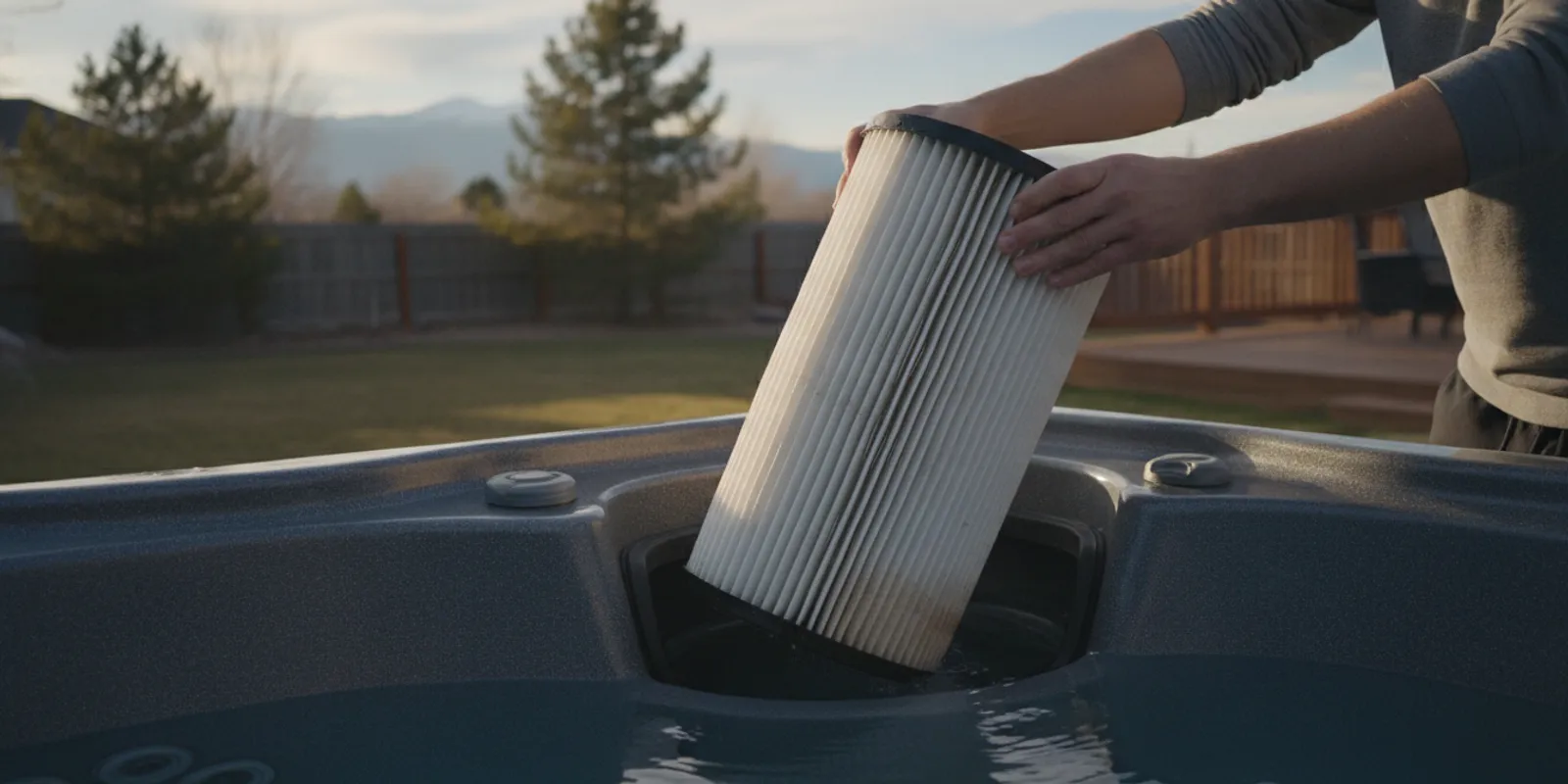
Your filter catches oils, dirt, hair, and other debris before they reach the pump and plumbing. Check it frequently, particularly after heavy use, and rinse it with a garden hose when it looks dirty. Spray between the pleats, use a filter cleaner when appropriate, and replace the cartridge if it is damaged or no longer comes clean.
Maintain the water level recommended by the manufacturer. A low level can cause the pump to draw in air, reducing circulation and damaging equipment. Evaporation, splashing, leaks, and frequent use can all lower the water level.
After cleaning the filter or adding water, confirm that the jets are circulating normally. Weak flow, air bubbles, or a pump that runs without moving water may indicate an obstruction, air lock, low water level, or equipment problem. Neptune Pools’ cleaning and maintenance service can help maintain proper filtration and circulation.
Monitor pump flow, jet pressure, temperature, noises, and error codes
Pay attention to how your hot tub sounds and performs during each use. A pump that rattles, hums, becomes louder, or cycles differently may need attention. Changes in jet pressure can point to a dirty filter, blocked intake, low water level, air in the lines, or a circulation problem.
Watch the temperature as well. If the water takes longer to heat, overheats, or changes noticeably while the spa runs, stop using it and check the display for an error code. Record the code before resetting the system. Repeated restarts may hide the issue without fixing it.
Never ignore smoke, a burning odor, sudden shutdown, or unusual electrical behavior. If it is safe to do so, turn off the spa, keep people away, and request professional service. Neptune Pools can inspect and service hot tub equipment, including pumps, heaters, controls, and related components.
Inspect plumbing, cabinets, covers, and equipment for leaks
Look around the base of the hot tub for puddles, damp soil, water stains, or areas that remain wet. A leak may come from a fitting, pump seal, heater connection, jet body, or plumbing section. Check the equipment compartment carefully, but do not touch wiring or electrical components if water is present.
Inspect cabinet panels for warping, staining, or moisture. These signs may indicate that water is escaping inside the cabinet before it reaches the floor. Also examine the shell, jet fittings, drain area, and cover for cracks or damage.
A damaged cover can let heat escape and allow snow, rain, and debris into the water. Look for torn vinyl, waterlogged foam, broken straps, and gaps around the edges. Neptune Pools’ equipment repair and servicing team can help locate leaks and recommend the right repair.
Protect the cover, plumbing, and equipment during freezes
Freezing temperatures can damage pipes, pumps, filters, heaters, and other components when water expands inside them. Keep the cover secured and in good condition so it retains heat and prevents snow and debris from entering the spa. Remove heavy snow according to the manufacturer’s instructions, and never use sharp tools that could puncture the cover.
Do not turn off a filled hot tub during freezing weather unless a qualified professional has prepared it for shutdown. If circulation stops, the water and plumbing may freeze faster than expected. If the spa loses power, check it promptly and contact a technician if the temperature drops or the equipment does not restart normally.
If you will not use the spa for an extended period, ask about professional winterization. Incorrect draining can leave water trapped in plumbing and equipment. Neptune Pools can help with seasonal spa service and equipment protection for Colorado conditions.
Schedule professional cleaning, inspections, and seasonal service
Professional service provides another opportunity to catch problems that may not be obvious during normal use. A technician can test the water, clean the spa, inspect filters, check circulation, examine connections, and look for leaks or wear around the equipment.
Seasonal inspections are especially helpful before periods of heavy use and before freezing weather arrives. Ask the technician to review the cover, heater, pump, controls, plumbing, and safety features. Replacing a worn part during scheduled service is usually easier than waiting for a failure during a weekend or cold spell.
A maintenance plan can also make responsibilities clearer for rental properties, shared spas, and busy households. Neptune Pools provides cleaning and maintenance for customers throughout the Denver Metro area, with reliable scheduling for recurring care.
Keep compatible filters, supplies, and treatment chemicals available
Store the supplies you use regularly, but confirm that each product is compatible with your hot tub and water-care system. Keep replacement filters, test strips or a testing kit, sanitizer, pH adjusters, and cleaning supplies in a cool, dry location away from children and pets.
Write down your filter size, model number, sanitizer type, and usual water-care products. This information makes replacements easier and reduces the chance of installing the wrong filter or using an incompatible treatment. Never combine chemicals in one container, and always follow the label directions.
Avoid buying large quantities of products you rarely use. Chemicals can lose effectiveness over time, and improper storage can create safety risks. Neptune Pools can help you choose compatible supplies and chemicals for your spa and maintenance routine.
Use Neptune Pools for ongoing spa care, repairs, supplies, and maintenance support
Preventive care is easier with a dependable service partner. Neptune Pools supports Denver Metro homeowners and property managers with spa cleaning, maintenance, equipment repairs, supplies, and seasonal service. Certified technicians can assess your hot tub, explain what needs attention, and help address problems before they become emergencies.
When requesting service, share the hot tub’s brand and model, the symptoms you have noticed, error codes, recent water-care changes, and photos of visible damage. These details help the technician prepare for the visit and determine whether replacement parts may be needed.
For larger problems, Neptune Pools can discuss repair, replacement, or rehabilitation options based on your spa’s condition. Contact Neptune Pools to ask about ongoing spa care, equipment service, supplies, and maintenance support in the Denver Metro area.
Frequently Asked Questions
When should I call for emergency hot tub repair in Denver?
Contact a professional right away if you notice sparks, smoke, a burning smell, electrical shocks, repeated GFCI trips, an active leak near equipment, overheating, or a complete loss of circulation. Stop using the spa and keep people away until the system has been inspected. Contact a licensed electrician first when the issue involves the home’s electrical panel, exposed wiring, or an active fire risk.
What should I do while waiting for a hot tub technician?
Keep the spa closed and prevent children and pets from entering the area. If the surroundings are dry and safe, turn off the dedicated breaker. Do not open electrical panels, reset the breaker repeatedly, drain the spa, or use household heaters to thaw frozen plumbing. Record error codes, water levels, unusual sounds, and visible damage to share with the technician.
How much does emergency hot tub repair cost in Denver?
The total depends on the diagnostic visit, labor, replacement parts, travel, after-hours service, and the complexity of the repair. Ask for an itemized estimate that explains which costs apply to the initial visit and whether the diagnostic fee is credited toward approved work. Also confirm warranty coverage for parts and workmanship.
Can a hot tub technician repair electrical problems?
A spa technician can inspect equipment-side components such as heaters, pumps, controls, and GFCI-related issues within their qualifications. Problems involving household wiring, the main electrical panel, smoke, arcing, or exposed wires may require a licensed electrician. Never touch wet electrical equipment or attempt to open a damaged panel.
How can I reduce the chance of an emergency repair?
Test the water regularly, clean the filter, maintain the proper water level, and watch for changes in jet pressure, heating, pump sounds, and error messages. Inspect the cover and equipment area for leaks or moisture, and arrange seasonal service before freezing weather. Neptune Pools provides recurring cleaning and maintenance, spa services, and equipment repairs throughout the Denver Metro area.
Related Blogs