Hot Tub Service Denver: When to Call a Professional
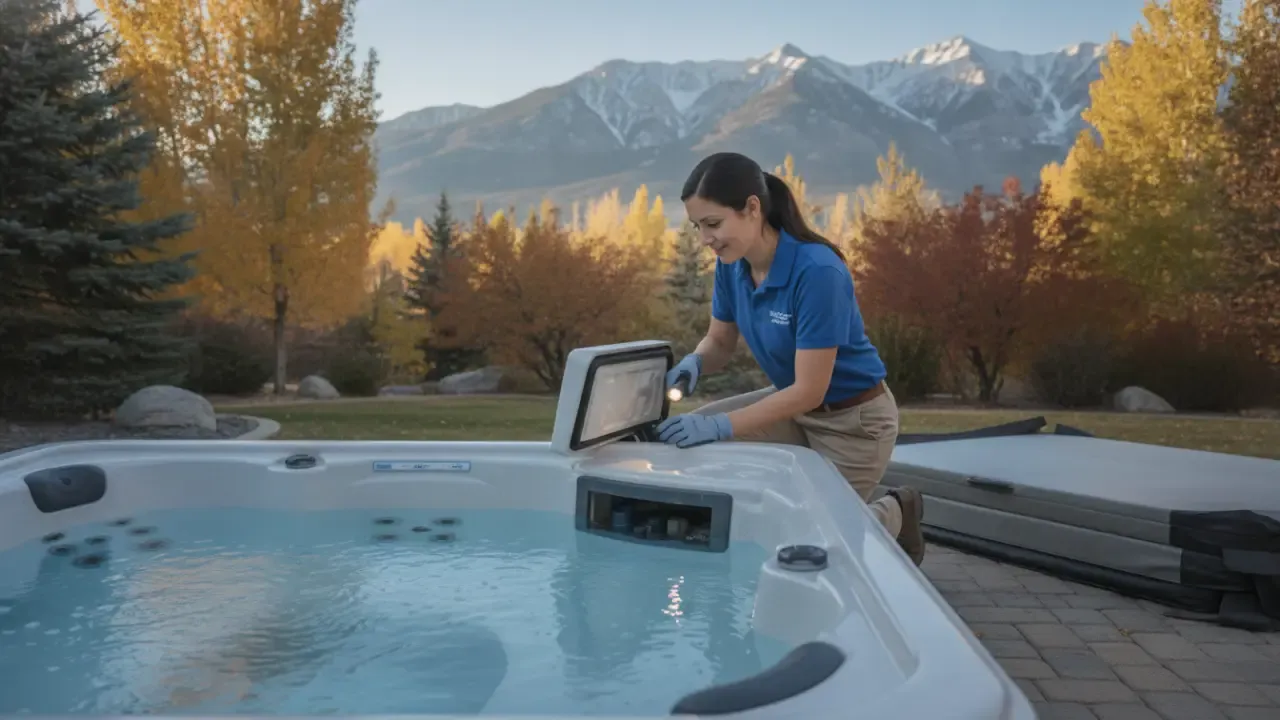
Hot tub service Denver homeowners seek is often not about a routine cleaning. It is about knowing when cloudy water, weak jets, lost heat, an unexplained leak, or a recurring error has moved beyond normal owner care. A professional assessment can identify the cause, set a safe boundary for troubleshooting, and help prevent a small equipment or water-quality issue from becoming a larger one.
Schedule hot tub service in Denver with Neptune Pools.
When is routine hot tub care no longer enough?
Short answer: Routine care is no longer enough when a problem persists after the basic checks in your owner manual, affects sanitation or circulation, involves heating or electrical components, or creates a leak near the equipment area. Stop using the spa when the water may be unsafe or the equipment could be damaged, then arrange a professional inspection.
Regular testing, filter care, surface cleaning, and cover use can prevent many problems. They cannot confirm whether a failing pump seal, heater sensor, blocked line, control fault, or hidden plumbing leak is developing. The key question is not whether you can see a symptom. It is whether the symptom keeps returning, affects another system, or involves a part that should not be opened or bypassed by an untrained homeowner.
1. Water quality will not stay balanced
Persistent water-quality problems are a service signal when correct testing and ordinary adjustments do not hold the water clear and comfortable. Repeated cloudiness, a strong chemical odor, foam that returns, slimy surfaces, unusual discoloration, or rapid sanitizer loss can point to more than a need for another dose of product.
Possible contributors include an overdue drain and refill, dirty or damaged filtration, poor circulation, biofilm, scale, or an underlying equipment problem. Adding chemicals repeatedly without finding the cause can waste product and make the water harder to diagnose. It can also expose bathers to water that has not been confirmed safe.
For a practical safety reference, the CDC recommends hot tub pH from 7.0 to 7.8, with at least 3 parts per million of chlorine or 4 to 8 parts per million of bromine. Those numbers are useful checkpoints, not a substitute for following the spa manufacturer instructions or local requirements.

2. Circulation is weak, intermittent, or unusually noisy
Weak jets, poor return flow, air in the lines, or a pump that cycles off are reasons to arrange service if the issue does not resolve with a safe external check. Circulation carries filtered, treated water through the spa and helps distribute heat. When it drops, both water quality and equipment reliability can suffer.
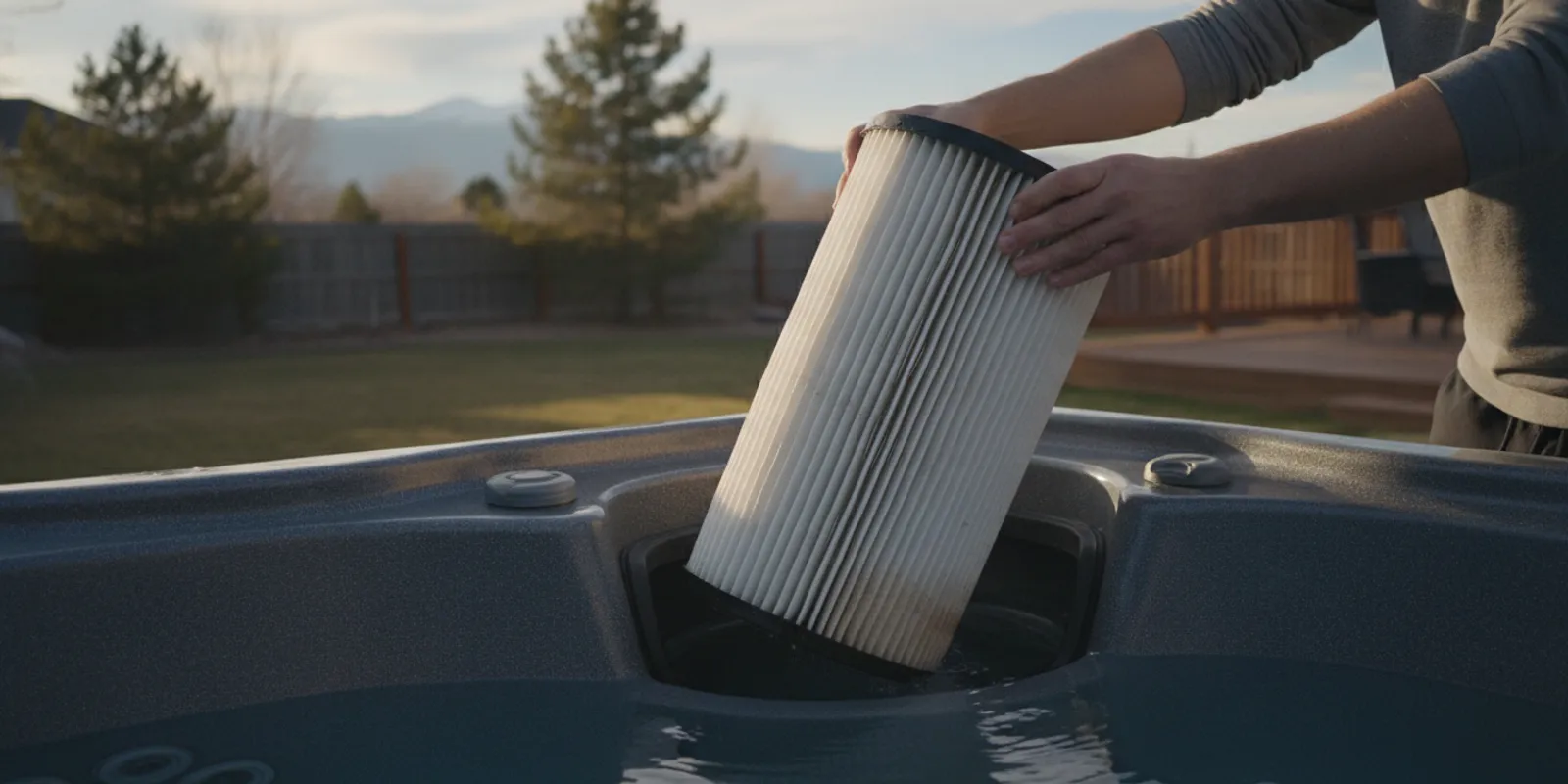
Before calling, you can confirm that the water level is within the manufacturer's marked range, the cover is out of the way, and the filter area is not visibly obstructed. If the manual allows it, inspect the filter and note whether a clean filter changes the flow. Record any displayed error code and whether the pump is silent, humming, surging, or shutting off.
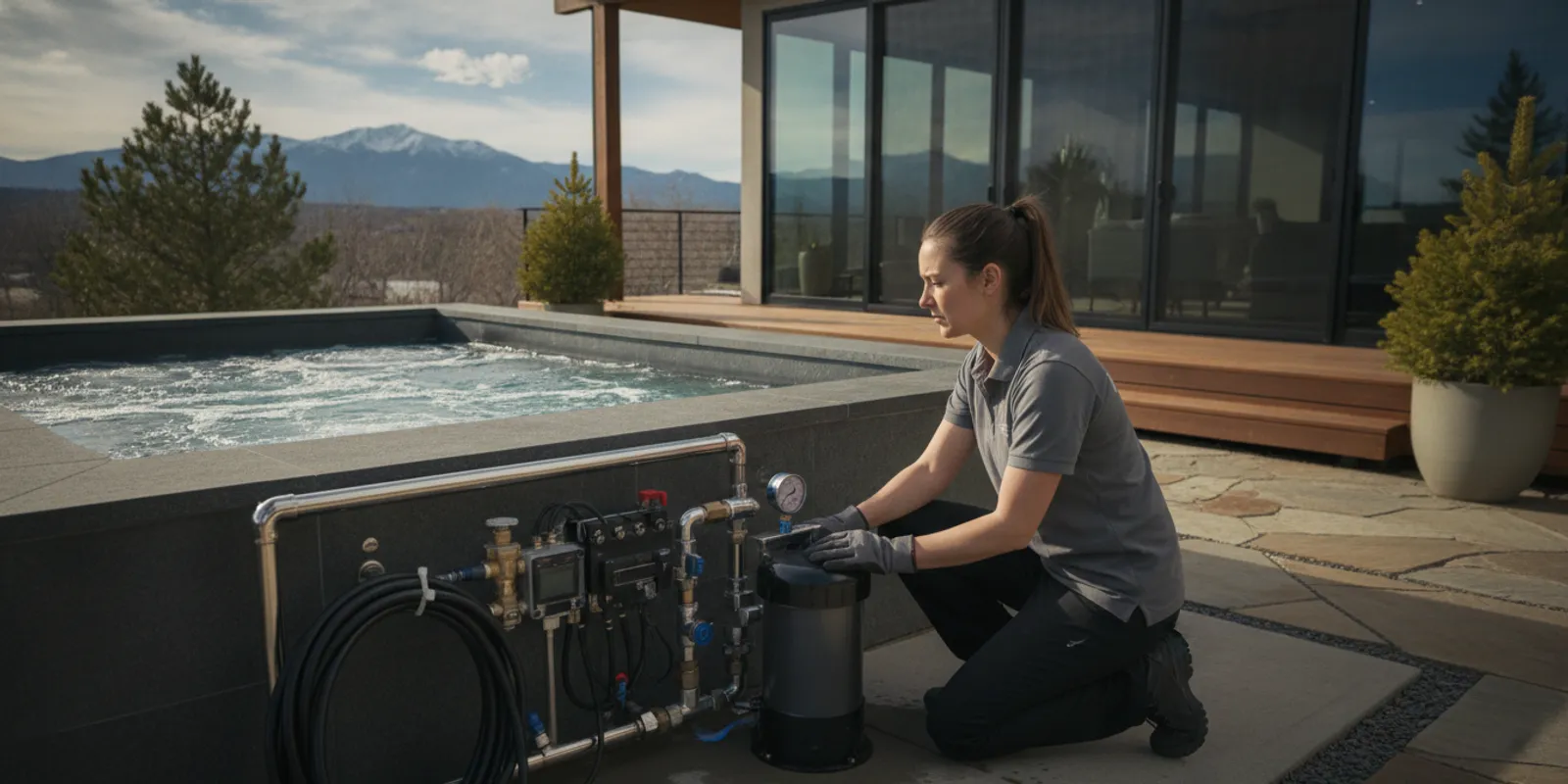
Do not reach into a running spa, remove plumbing fittings, or keep resetting a pump that trips. A blockage, air lock, failing seal, worn motor component, valve problem, or low-flow condition requires diagnosis rather than repeated restarts. Neptune Pools' Denver spa repair guide explains why weak jets and heat loss can share circulation-related causes.
3. The hot tub will not heat or cannot hold temperature
Loss of heat, long recovery times, or temperature swings deserve professional attention when the cover, water level, and programmed settings are not the cause. Heating problems may involve water flow, a sensor, a control board, a heater component, mineral buildup, or an electrical or gas connection, depending on the spa design.
Safe owner checks are limited to the outside controls and the instructions supplied with the unit. Confirm the set temperature, operating mode, filtration schedule, and visible water level. Look for an error message. If the water is below the safe operating level or circulation is poor, turn the system off according to the manufacturer's instructions and arrange service.
Never remove an equipment-panel cover to investigate live components, bypass a high-limit or GFCI safety device, alter wiring, or attempt to service a gas-fired component. Water and electricity create a serious hazard, and continued operation can turn a flow or sensor issue into a damaged heater. For broader equipment context, see Neptune Pools' equipment repair and servicing page.
4. You see a leak, damp cabinet, or unexplained water loss
A leak needs prompt service when water is collecting under the spa, the cabinet is damp, the water level falls without an obvious cause, or the leak is close to pumps, controls, or electrical connections. A small drip can come from a fitting or seal, but the source may also be behind the cabinet or under the shell. Freezing conditions can make a vulnerable connection worse.
Do not assume evaporation is the explanation when the loss is sudden or accompanied by a pump noise, air in the lines, or a wet equipment area. Take a photo from a safe distance, note when the water appears, and shut down the spa using the manufacturer's normal procedure if water is approaching electrical equipment. Do not open the cabinet or apply a temporary sealant over a pressurized connection.
A professional can separate a plumbing leak from a component seal, shell, or drainage issue and recommend the appropriate next step. If you are comparing cleaning with repair, Neptune's hot tub leak repair guide covers why the location and timing of the leak matter.
5. Controls, breakers, or error codes keep warning you
A recurring error code, tripped breaker, burning smell, visible scorch mark, or control that resets itself is not a routine maintenance issue. Write down the exact code, when it appears, and what the spa was doing at the time. That information can make the service visit more efficient.
You may check an accessible breaker or GFCI only as directed by the manufacturer and only from a dry, safe position. If it trips again, leave the circuit off and stop troubleshooting. Do not repeatedly reset it, substitute a larger breaker, run an extension cord to the spa, or remove protective covers. A repeated trip can indicate a fault that should be isolated by a qualified professional.
Likewise, an error code is a clue, not a diagnosis. Clearing it without correcting the cause can hide a low-flow, overheating, sensor, or control problem. A service technician can test the related system and explain whether the next step is an adjustment, repair, part replacement, or a longer-term upgrade.
What can you safely check before calling for hot tub service?
Homeowners can document symptoms and inspect accessible, non-powered areas, but should stop before opening panels, handling wiring, or changing a safety setting. A short preparation checklist is useful:
- Note the water level, water appearance, odor, and the last time the spa was drained and refilled.
- Record pH and sanitizer readings, the test method, and any recent chemical additions.
- Confirm the set temperature, operating mode, and filtration schedule.
- Check for visible debris around the skimmer or filter area, following the owner manual.
- Record whether jets are weak, uneven, noisy, or completely off.
- Photograph visible leaks, error messages, or water around the cabinet without opening the equipment compartment.
- Tell the technician whether a breaker or GFCI has tripped and whether it trips again after reset.
Do not use the spa if the water is cloudy or its sanitizer status is unknown, if the surface is slippery, if there is a strong chemical odor, or if water is near electrical equipment. The CDC hot tub Legionella-control guidance emphasizes proper disinfectant, pH, filtration, drainage, and maintenance practices. Professional help is the safer choice when you cannot verify the condition.
Get a professional hot tub inspection and service plan for your Denver spa.
Why can Denver weather make a hot tub issue more urgent?
Denver's elevation, mineral-heavy water, rapid temperature changes, and freezing weather can make unresolved spa problems harder on equipment. A spa that appears to be operating marginally during mild weather may show a larger circulation, heating, or insulation problem when temperatures drop.
Cold weather increases the consequences of a shutdown or leak because water left in vulnerable lines can freeze. Temperature swings can also expose weak seals and connections. Denver-area water chemistry may contribute to scale or staining when testing and balancing are inconsistent. These are reasons to address a small warning early, not reasons to guess at a chemical treatment or keep a failing system running.
Neptune Pools provides year-round spa services, including cleaning, repair, and refurbishment. That is different from seasonal pool work. If you are building a recurring plan, the Denver hot tub maintenance schedule can help organize routine checks while this article helps you recognize when to move from maintenance to service.
What does a professional hot tub service visit include?
A professional hot tub service visit starts with symptom-based inspection, then matches the remedy to the water, circulation, heating, leak, and control findings. The goal is not to replace parts blindly. It is to determine what is working, what is not, and what should happen next.
Depending on the issue, a service visit may include:
- Water testing and chemical-balancing recommendations.
- Filter, skimmer, jet, pump, and circulation checks.
- Inspection of heater operation, temperature sensing, and flow conditions.
- Assessment of visible leaks, seals, fittings, and equipment-area moisture.
- Control, timer, automation, and error-code diagnosis.
- Repair recommendations using compatible parts and warranty-aligned procedures.
- Advice about recurring maintenance, drain-and-refill timing, or refurbishment when repair is not the best long-term answer.
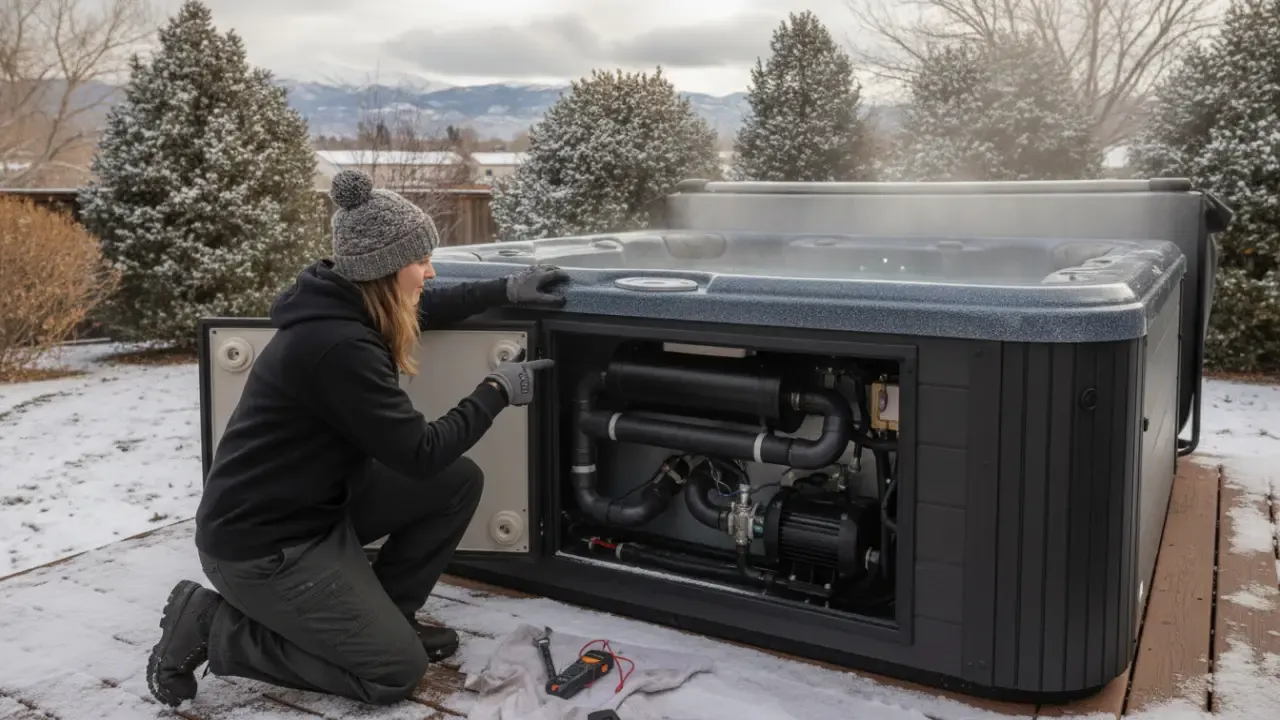
Neptune Pools lists routine ground-spa maintenance and quarterly drain-and-refill service on its spa services page. Repair work is assessed according to the equipment and issue, so a service request is the right way to clarify scope rather than relying on a generic repair estimate.
Is this a cleaning, maintenance, or repair request?
The correct service depends on whether the main problem is water condition, recurring care, or equipment performance. Use this simple distinction before you book:
| What you notice | Most likely starting point |
|---|---|
| Debris, overdue drain, surface buildup, or routine chemistry care | Cleaning or scheduled maintenance |
| Water will not stay balanced, even with documented testing and care | Water-quality assessment with circulation and filtration checks |
| Weak jets, lost heat, repeated error, unusual noise, or a leak | Equipment inspection or repair service |
| Cracked shell, worn finish, damaged insulation, or multiple aging components | Repair-versus-refurbishment consultation |
These categories can overlap. A cleaning may reveal a pump or heater problem, and a circulation repair may be needed before water chemistry can stabilize. Tell the provider every symptom rather than booking only the most visible one.
Ask Neptune Pools which hot tub service fits your Denver spa problem.
Frequently Asked Questions
How do I know if my hot tub needs service or just cleaning?
If the issue is debris or routine water care, cleaning may be enough. If water will not stay balanced, jets are weak, the heater fails, a leak appears, or an error returns, request an inspection so equipment and water quality can be evaluated together.
Can I keep using a hot tub with weak jets?
It is better to stop using it until you know why circulation is weak. Check the water level and accessible filter area as directed by the manual, but do not keep resetting a tripping pump or run the spa when water quality and flow cannot be confirmed.
What should I do if my hot tub is leaking in winter?
Keep people out of the spa, note where the water appears, and follow the manufacturer's normal shutdown procedure if water is near electrical equipment. Arrange prompt service because freezing temperatures can worsen a leak or leave water in vulnerable lines.
Does Neptune Pools service hot tubs year-round in Denver?
Yes. Neptune Pools' spa services include year-round cleaning, repair, and refurbishment support for Denver-area hot tub owners. The team can evaluate water quality, circulation, heating, leaks, jets, and controls and recommend the next safe step.
Related Blogs