Hot Tub Lifespan in Colorado: Weather and Care

How long does a hot tub last? There is no single number that fits every spa. The hot tub lifespan depends on the original construction, installation, use, water care, cover condition, equipment maintenance, and the weather around it. In Colorado, freezing temperatures, intense sun, dry air, hard water, snow, and rapid temperature changes make consistent care especially important.
Explore Neptune Pools' spa services for year-round hot tub care.
What is the average hot tub lifespan?
A hot tub's useful life is best understood as a range rather than a promise. A well-built spa that is installed correctly, protected from weather, and maintained on a consistent schedule may remain comfortable and serviceable for many years. A spa with neglected water, a failing cover, poor drainage, or repeated freeze exposure can develop expensive problems much sooner.
Age alone does not decide whether a hot tub should be repaired or replaced. A ten-year-old spa with a sound shell, a dry equipment area, and a history of regular care may be a better repair candidate than a younger spa with structural damage and several failing systems. The goal is to evaluate the condition of the whole system, not just the most obvious broken part.
How Colorado weather shortens hot tub life
Colorado weather creates several separate stresses. They do not affect every spa in the same way, so use the following factors as a practical inspection list rather than a fixed formula for predicting lifespan.
Freezing temperatures and freeze-thaw cycles
Water trapped in a pump, heater, filter housing, jet line, or fitting can expand when it freezes. That expansion may crack a component or force a connection to leak. A brief warm-up does not undo the damage, and a small leak can become a larger equipment problem when the system cycles again.
Freeze risk is highest when circulation stops, power is interrupted, water levels drop, a component is already leaking, or a spa is drained without a complete winterization procedure. Keeping a hot tub operating through winter can be appropriate when the spa and its systems are designed for it, the water level and circulation are maintained, and the owner can respond quickly to an outage or fault. It is not a universal rule for every model or situation.
If you plan to leave the spa unused, ask a qualified technician whether it should remain operational or be fully drained and winterized. Do not partially drain a spa and assume that the remaining water cannot freeze in the plumbing. Neptune's seasonal experience includes equipment shutdown procedures, line protection, and winter risk inspections for Colorado conditions.
Sun, dry air, and outdoor exposure
Ultraviolet exposure can fade and dry out a cover, weaken exterior materials, and accelerate wear on exposed seals. Low humidity can also make small cracks or drying more noticeable over time. A properly fitted cover reduces exposure while the spa is not in use, but it needs its own care and should be replaced when it no longer seals, drains, or supports its intended insulation function.
Snow, wind, and temperature swings
Snow and wind can stress a cover, hinges, straps, cabinet panels, and surrounding access areas. Large temperature changes can cause materials and connections to expand and contract. Inspecting the cover after storms and checking the equipment area after sharp weather changes can help identify problems before water reaches electrical components or insulation.
For Denver-area weather data and freeze timing, the National Weather Service's Denver fall, winter, and spring statistics provide historical context. Weather history cannot predict the exact conditions at one home, but it illustrates why a Colorado spa needs a plan for more than one season.
Hard water and mineral buildup
Minerals can accumulate on heaters, jets, plumbing components, and surfaces when water is not tested and balanced for the spa's conditions. Scale may reduce heating performance, restrict flow, or make cleaning more difficult. Colorado water conditions vary by location and source, so use test results and the manufacturer's guidance rather than guessing at a treatment routine.
Water care is central to hot tub lifespan
Water that looks clear is not necessarily balanced. Poor pH or sanitizer control can affect comfort, sanitation, pipes, seals, heaters, and other components. The CDC recommends keeping hot tub pH from 7.0 to 7.8 and maintaining at least 3 parts per million of chlorine in hot tubs. Its home pool and hot tub water treatment guidance also explains why hot tub water needs regular testing and adjustment.
Follow the product label, spa manufacturer instructions, and advice from a qualified service professional. A practical routine includes:
- Testing sanitizer and pH on a regular schedule, with more frequent checks during heavy use or unusual conditions.
- Adjusting chemistry based on measured results, not the appearance of the water alone.
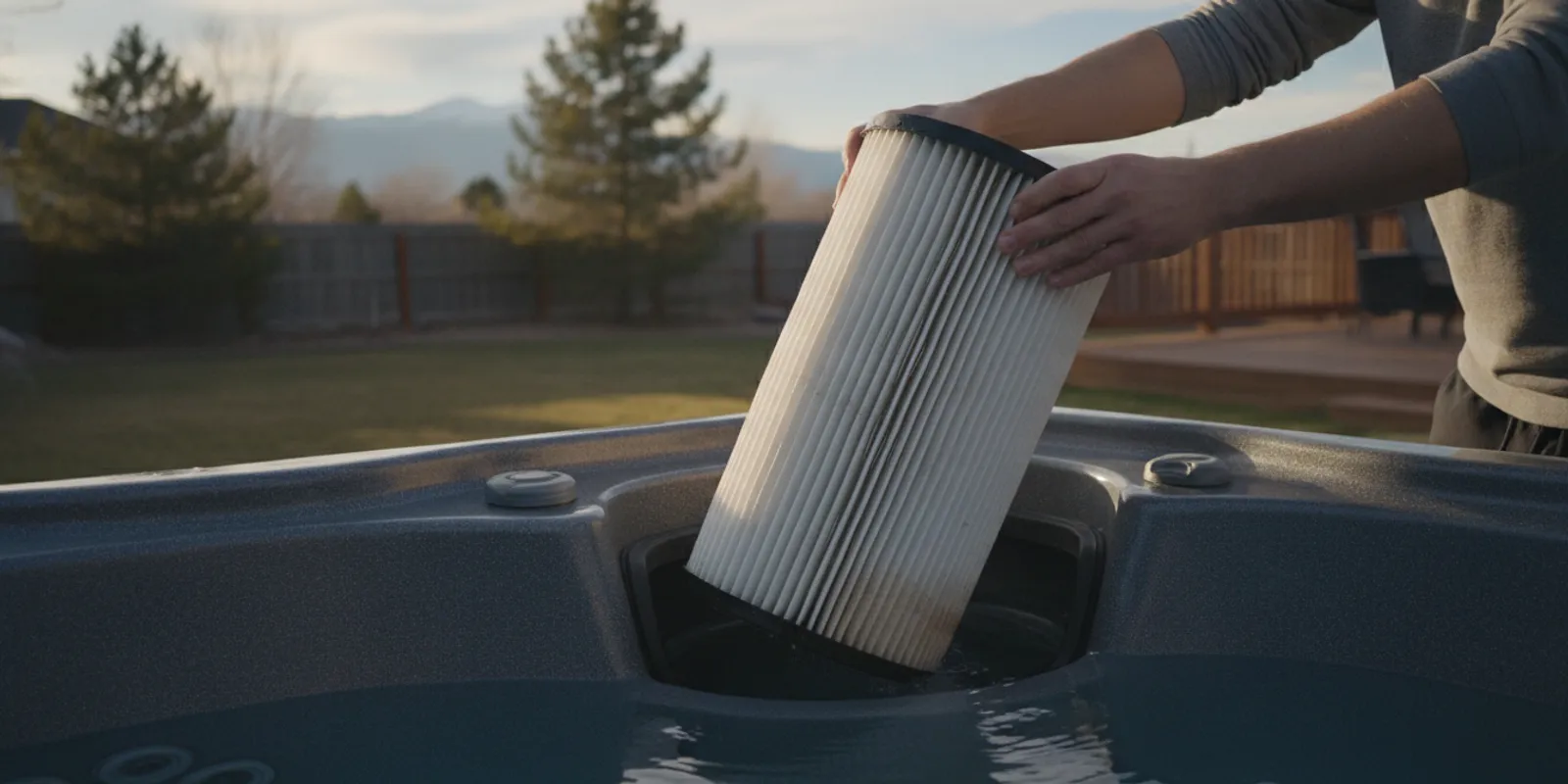
- Cleaning the shell, waterline, skimmer area, and filters as appropriate for the model and usage.
- Draining and refilling at the interval recommended for the spa and its use.
- Watching for cloudy water, scale, foam, unusual odors, or recurring chemistry changes.
Overcorrecting chemicals can create its own problems. If readings are difficult to stabilize, the water repeatedly turns cloudy, or the spa develops scale, have the water and equipment reviewed together. The cause may involve bather load, filtration, circulation, source water, or a component that is no longer working correctly.
Why the cover affects energy use and equipment wear
A hot tub cover is more than a lid. When it fits well and remains in good condition, it helps reduce heat loss, keeps debris out, and limits the amount of work required from the heater and circulation system. A waterlogged, cracked, sagging, or poorly fitted cover can let heat escape and allow more debris into the spa.
Check the cover for sagging, split seams, damaged straps, exposed foam, standing water, and gaps around the edge. Keep it clean according to the manufacturer's directions, handle it without dragging it across abrasive surfaces, and remove snow using a method that does not overload or damage the cover. Do not stand or place heavy objects on it. Make sure the cover lifter and nearby drainage area do not put stress on the spa cabinet.
A cover that is past its useful life can contribute to higher operating demand, but replacing it does not fix an underlying leak, insulation problem, or failing heater. Look at the cover and the equipment as one system.
A Colorado hot tub maintenance schedule
A routine makes the hot tub lifespan conversation more manageable because it turns hidden wear into visible checkpoints.
After use
- Replace the cover securely once the water surface is clear of avoidable debris.
- Look for a change in water appearance, odor, or level.
- Notice unusual pump, heater, or jet sounds before the next use.
Weekly or as recommended for your spa
- Test and adjust sanitizer and pH according to the spa and product instructions.
- Remove debris and clean accessible surfaces.
- Check the water level and confirm that jets and circulation behave normally.
- Inspect the cover, cabinet, visible plumbing, and area around the equipment.
Monthly and seasonally
- Look for damp insulation, leaking unions, cracked fittings, scale, corrosion, or repeated loss of water.
- Clean or replace filters as directed for the model and usage.
- Before a cold-weather period, confirm that the spa can maintain safe operation and that you have a response plan for power loss or equipment failure.
- After a major temperature change or storm, check the cover, cabinet, water level, and equipment area again.
Neptune's hot tub maintenance services can include water chemistry testing, chemical dosing, filter care, cleaning, and equipment review. A written service report can also make changes easier to track over time. Read the Denver hot tub maintenance schedule guide for a more detailed recurring-care framework.
Schedule professional spa cleaning, water care, or hot tub maintenance with Neptune Pools.
Warning signs that your hot tub needs attention
Do not wait for a complete failure when the spa is already showing a pattern of smaller symptoms. Contact a qualified professional when you notice:
- Water level dropping without a clear explanation.
- Repeated cloudy water, scale, foam, or chemistry readings that will not stabilize.
- Weak jets, reduced circulation, delayed heating, or water that will not reach its normal temperature.
- Grinding, humming, rattling, or other new equipment sounds.
- Moisture around the pump, heater, plumbing connections, cabinet, or electrical area.
- Repeated breaker trips, burning smells, exposed wiring, or a control panel that behaves unexpectedly.
- A cover that is waterlogged, broken, or no longer seals the spa.
Do not open electrical panels, reach into moving equipment, or continue using a spa with an electrical or active-leak concern. Turn the system off only when it is safe to do so and arrange an evaluation. If the weather is below freezing, ask for guidance promptly because shutting down or draining the wrong way can create additional risk.
Repair or replace? Use this decision framework
The right choice depends on the condition of the shell, plumbing, equipment, insulation, cover, and controls, along with the cost and reliability of the proposed repair. Use this framework to organize the conversation with a technician.
Repair is often reasonable when:
- The shell and frame are structurally sound.
- The problem is isolated to a serviceable pump, heater component, seal, fitting, jet, filter, control, or cover.
- The spa has been maintained and does not have a pattern of unrelated failures.
- Parts are available and the repair restores safe, dependable operation.
- The repair addresses the cause instead of only resetting a symptom.
Replacement deserves consideration when:
- The shell, frame, or plumbing has extensive structural damage.
- Several major systems are failing at the same time.
- Freeze damage or a long-term leak has affected insulation and inaccessible plumbing.
- Parts or controls are obsolete, unavailable, or no longer supportable.
- The spa has a history of recurring repairs and unreliable operation.
- The cover, insulation, equipment, and shell all need substantial work, making a partial repair unlikely to deliver dependable value.
A technician should explain what failed, what caused it, what else was inspected, and what risk remains after repair. Ask for options when both a repair and a replacement path are technically appropriate. A transparent evaluation is more useful than making a decision from age or one repair estimate alone.
How Neptune Pools can help protect your spa investment
Neptune Pools provides year-round spa services for Denver Metro homeowners and property managers. The team can help with spa cleaning, water care, filter service, pump and heater issues, leaks, jets, controls, refurbishment, and seasonal planning. The focus is not just getting the hot tub running today, but identifying the maintenance or equipment issue that could shorten its useful life if left unresolved.
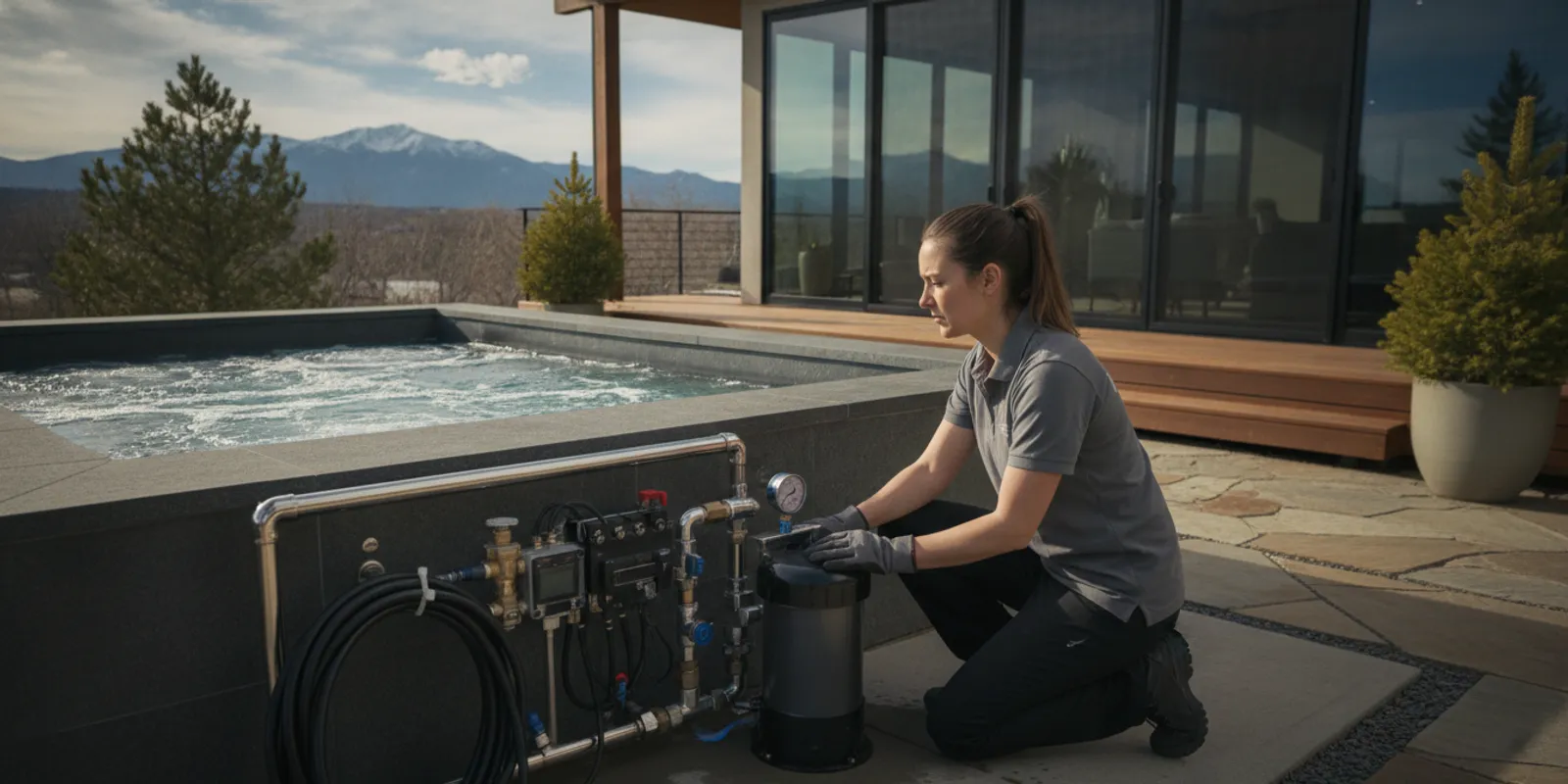
For equipment symptoms that affect heating, flow, or electrical safety, Neptune's equipment repair and servicing team can evaluate the system and explain repair or replacement options. Bring the model information, recent symptoms, water-care history, and any photos of leaks or damage to the service conversation when possible.
Talk with Neptune Pools about a practical plan to extend your hot tub lifespan.
Frequently asked questions
How long should a hot tub last in Colorado?
There is no reliable single number for every model. Construction, installation, water care, cover condition, equipment maintenance, use, and freeze exposure all matter. A professional condition assessment is more useful than judging the spa by age alone.
Does winter weather ruin a hot tub?
Winter weather does not automatically ruin a hot tub, but freezing conditions can damage water-filled components when circulation stops, a leak lowers the water level, power is lost, or the system is drained incorrectly. Use a winter operating or full-winterization plan suited to the specific spa and the conditions at the property.
Is it better to keep a hot tub running in winter or drain it?
That depends on the model, condition, location, power reliability, expected use, and the ability to monitor it. A spa that remains filled must be able to circulate and maintain safe operation. A drained spa needs complete winterization, not a partial drain. Ask a qualified technician before making the seasonal change.
What is the first thing to check when a hot tub loses heat?
Start with safe homeowner checks such as the water level, cover fit, visible leaks, filter condition, control settings, and any error message described in the owner's manual. Stop and request service for repeated breaker trips, burning smells, active leaks near electrical components, exposed wiring, or a system that still will not heat or circulate.
Contact Neptune Pools to schedule a hot tub service evaluation in the Denver Metro area.
Related Blogs