How Much Does It Cost To Upgrade Pool Equipment
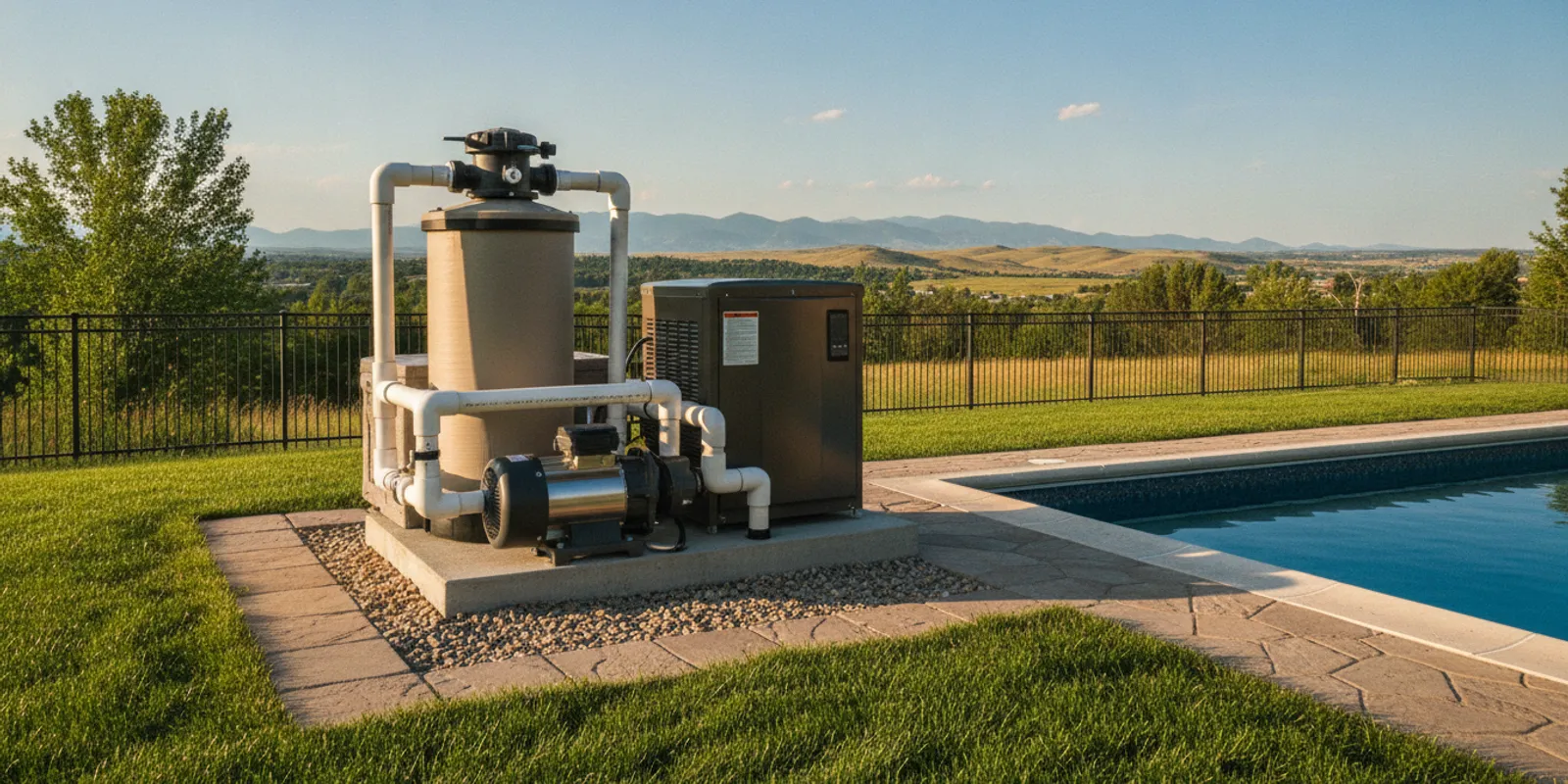
If you are asking how much does it cost to upgrade pool equipment, the honest answer is that it depends on what you replace and what the installation requires. A pump-only swap is a different project from replacing several systems, updating electrical connections, or correcting plumbing. For Denver Metro pool owners, weather exposure, seasonal operation, and freeze protection also matter. The best first step is to identify the equipment issue and define what you want the upgrade to accomplish.
Request an equipment assessment.
What determines the cost of upgrading pool equipment?
There is no single price that applies to every pool. Equipment models, pool size, existing system design, access to the equipment pad, and labor all affect the quote. A replacement that fits the current plumbing and controls may be more straightforward than a project that requires new wiring, rerouted pipes, or changes to automation.
Start by distinguishing a like-for-like replacement from an upgrade. A replacement restores a failed or worn component with a comparable unit. An upgrade changes capacity, efficiency, control, or functionality. It may involve additional work to make the new component compatible with the rest of the system.
The condition of the surrounding equipment pad is another important variable. A new component may expose brittle unions, corroded valves, undersized wiring, leaking connections, or drainage problems that were not part of the original symptom. That does not mean every older connection must be replaced, but an accurate estimate should identify what the technician found and separate necessary work from optional improvements.
| Project scope | What may be included | What to confirm in a quote |
|---|---|---|
| Single component replacement | One pump, filter, heater, or control component | Model, compatibility, removal, installation, and startup checks |
| Component upgrade | A different type or capacity of equipment | Required plumbing or electrical changes and system settings |
| Multiple-equipment project | Two or more connected components | Compatibility across the system, sequencing, and combined labor |
| System modernization | Equipment plus automation or control updates | What is included, what remains, and any limits on integration |
Which equipment upgrades should you compare?
Pumps
A pool pump circulates water through the filtration and treatment system. When comparing pumps, ask whether the proposed model is appropriate for the pool and existing plumbing, and whether the work includes setup and verification of operation. A more advanced pump may require configuration changes or compatibility checks. Do not choose based on the equipment label alone; system design and measured flow matter.
If a contractor discusses turnover or runtime, ask how the calculation was made. The relevant formula is pool volume divided by measured flow multiplied by 60. Using measured flow rather than relying on a label helps keep the discussion tied to the actual installation. A pump that is too large for the system can create compatibility and control questions, while a pump that is too small may not meet the intended circulation needs.
Filters
Filter options differ in their maintenance needs, operating characteristics, and compatibility with the circulation system. A filter upgrade may also require plumbing adjustments or changes to valves and connections. Ask the contractor to explain why the selected size and type suit your pool rather than assuming that a larger unit is automatically better.
Heaters
Heater replacement is shaped by the existing fuel or power supply, location, ventilation and clearance requirements, and connections. A new heater may not be a direct swap if the utility connection or surrounding installation needs attention. Confirm which preparatory work is included and whether any separate inspection or trade work is needed.
Automation and controls
Controls can make it easier to manage schedules and compatible equipment. Before selecting a system, list the devices you want it to operate and confirm compatibility. Ask whether installation includes programming, setup of schedules, and a demonstration of the controls. It is also useful to ask what happens if one component is replaced later, since a control system should be considered as part of the broader equipment plan.
Why can a Denver-area installation cost more than the equipment alone?
The unit price is only one part of a project. Labor, removal and disposal, fittings, valves, wiring, permits where applicable, and startup or configuration may affect the total. Older equipment pads can reveal worn connections or space constraints once work begins. Request an itemized estimate that separates equipment from installation and clearly identifies assumptions.
Colorado conditions also make planning important. Pools generally operate seasonally in the Denver area, while sudden cold snaps can create freeze risks. Equipment should be installed and configured with the pool’s operating schedule and winter plan in mind. Freeze-protection needs vary by system and conditions, so do not assume that a single setting or procedure is appropriate for every pool. Neptune Pools provides pool equipment repair and servicing and can help assess a specific system.
Safety should remain part of the cost discussion. If a project involves electrical connections, water near electrical equipment, or changes to fuel and ventilation arrangements, ask which portions require qualified trade work and whether local approvals apply. Work should be planned around safe operation rather than a rushed installation.
How can you compare estimates fairly?
Compare the scope, not just the bottom-line number. Make sure each estimate describes the equipment model and includes the same work. These questions help uncover differences:
- Does the estimate include removal of the old unit and disposal?
- Are new fittings, valves, wiring, or plumbing included, or billed separately?
- Does the quoted unit match the pool’s requirements and current system?
- Is startup, programming, or a walkthrough part of the work?
- What existing conditions could change the scope, and how will added work be approved?
- What warranty applies to the equipment and installation, and who handles a service issue?
- What testing will be completed before the system is returned to normal operation?
For a useful comparison, create a simple side-by-side list before choosing. Put the equipment model, included materials, labor, removal, commissioning, exclusions, and warranty terms on separate lines. If one estimate leaves an item blank, ask whether it is included, excluded, or only priced after inspection. That prevents a lower initial figure from appearing comparable when it covers less work.
Also ask how changes are handled if hidden conditions appear. A good process identifies who will contact you, what information they will provide, and whether work pauses until you approve the added scope. For example, if a connection is found to be damaged after a unit is removed, the estimate should clarify whether that repair is anticipated or treated as an additional item. Keep written approvals and revised totals with the original estimate.
Should you repair or upgrade the equipment?
A repair may be sensible when the problem is isolated, the component is otherwise in suitable condition, and a repair restores reliable operation. An upgrade may deserve consideration when failures recur, parts are difficult to obtain, the equipment no longer meets your goals, or the project can address several connected issues at once. No one factor settles the decision for every pool.
Ask for a diagnosis that separates the immediate fault from the broader condition of the system. Request the likely repair scope alongside any proposed replacement scope, and compare what each option includes. You can read about common pool pump repair considerations and how to choose a pool pump before discussing options with a technician.
It can help to think in terms of the next several seasons rather than only the immediate repair. If a component is functioning but nearing the end of its useful service life, ask what signs support that assessment and what maintenance could extend its use. If replacement is proposed, ask what problem the new model solves and what other components must work with it. The goal is a scope tied to your pool’s needs, not a larger project by default.
What should you prepare before requesting a quote?
Good information helps a service professional understand the project. Gather the following before reaching out:
- Take clear photos of the equipment pad, labels, plumbing connections, and any visible damage.
- Write down the equipment make and model if it is readable.
- Describe the symptoms and when they occur, such as unusual noise, low circulation, or a control problem.
- Note recent repairs, changes to the pool, or known issues with electrical or plumbing connections.
- Explain your goal: restore operation, reduce manual controls, replace aging equipment, or coordinate several updates.
- Ask whether an on-site assessment is needed to confirm scope and compatibility.
Also gather practical information about access, timing, and pool use. Tell the contractor whether the equipment pad is behind a locked gate, whether the pool is open or winterized, and whether other work is planned. If several contractors are quoting, give each one the same information so the estimates can be compared on equal terms.
A short equipment history is useful too. Note when the symptom first appeared, whether it is constant or intermittent, what you have already tried, and whether the system behaves differently after rain or a temperature change. Avoid guessing at a technical cause; a clear description of what you observed is more helpful. If you have manuals, prior invoices, or control-system details, keep them available rather than discarding them during a replacement.
Do not open electrical enclosures or attempt work on energized equipment. Shut the system down only according to its normal controls and seek qualified help if there is a safety concern, burning odor, water near electrical components, or repeated breaker trips.
How can you plan an equipment project around the season?
Plan early enough to allow time for assessment, equipment selection, and installation before the pool’s busiest use period when possible. If a component fails during the active season, prioritize diagnosis and safe operation rather than choosing a replacement solely to meet a rushed deadline. When the pool is closed, coordinate any equipment changes with the winterization and spring startup plan. Neptune Pools offers pool closing and winterization services; the appropriate approach depends on the pool and equipment.
Before scheduling, ask what access and operating conditions the crew needs. Confirm whether water must be lowered, the system needs to be shut down for a period, or other contractors must complete work first. For a heater or electrical-related change, timing may also depend on coordinating the relevant utility or trade work. Do not assume that every replacement can be completed in one visit; ask what steps are planned and what might cause a return visit.
For a project involving multiple systems, ask how the work will be sequenced and whether you will need to provide access or make decisions during installation. Keep the estimate and equipment information with your pool records. This makes future troubleshooting and seasonal service easier. Homeowners who are also considering broader property improvements can review pool remodel and rehabilitation options separately, since surface or layout work may involve a different scope from equipment replacement.
How can you make sure the new equipment is ready to use?
Installation is not the only milestone. Before the work is considered complete, ask the technician to explain what was installed, what settings were selected, and what checks were performed. For controls, ask for a brief demonstration of the normal schedule and how to make routine adjustments. For circulation equipment, ask what sound, pressure reading, or operating behavior is normal for the system, and what change should prompt a service call.
Record model and serial details, installation date, warranty information, and any special operating instructions. Keep those with the pool’s existing service records. If a component is integrated with automation, note which control operates it and whether the settings were changed. This can save time if you need help later, especially when a technician did not perform the original installation.
Finally, clarify who to contact if the system does not behave as expected after startup. Ask whether the installer expects a settling period or follow-up check, and what symptoms warrant stopping operation. Do not adjust unfamiliar settings or bypass a safety feature to make equipment run. A clear handoff is part of a complete project, not an optional extra.
Discuss your pool equipment options with Neptune Pools.
For transparent planning, request a written scope before authorizing work. Neptune Pools lists its maintenance options on the pool cleaning and maintenance page; maintenance pricing is not the same as a custom equipment installation quote. The company also offers pool services in Denver and serves nearby communities including Denver Metro service areas.
Contact Neptune Pools to discuss your equipment needs.
Frequently Asked Questions
Can I get an exact equipment upgrade price without an inspection?
You may be able to get an initial range after sharing equipment details, but an exact quote can depend on compatibility, access, and the condition of existing connections. An assessment can confirm the scope.
Does replacing a pump mean I need a new filter too?
Not necessarily. The condition and specifications of each component should be evaluated as part of the system. Ask the technician to explain whether the filter is suitable for the proposed pump and pool setup.
Is a more expensive model always the better choice?
No. The best fit depends on the pool, plumbing, controls, operating goals, and maintenance preferences. Compare the equipment’s features and installation requirements against your actual needs.
Can I upgrade equipment while the pool is closed?
Often, planning work during the off-season can provide time to assess options before the next swimming season. The project still needs to be coordinated with winterization and any freeze-protection requirements for your system.
What should an equipment quote include?
It should clearly identify the equipment, installation work, materials, removal, startup or programming, exclusions, and how unexpected work will be approved. Ask for clarification on any line item you do not understand.
Request a clear equipment project assessment.
The right equipment project is the one that fits your pool, addresses the real need, and makes the scope clear before work begins. Gather your equipment details and ask for an assessment when you are ready to compare options.
Pool equipment work should also follow applicable electrical safety requirements. The U.S. Consumer Product Safety Commission publishes pool and spa safety guidance, including advice on electrical hazards: Pools and Spas Safety Guide.
Related Blogs