What Does Weekly Pool Maintenance Include?
What does weekly pool maintenance include? For most Denver-area pools, it means more than removing leaves. A consistent visit checks water condition, cleans the pool, supports circulation, and looks for changes that may need attention. The exact work depends on the pool, equipment, weather, and written service plan.
What happens during a typical weekly visit?
A weekly visit is a repeatable check-and-clean routine. The technician should address the pool’s visible condition and the systems that keep water moving and treated. For Denver owners, weather swings, dry air, windblown debris, and seasonal use can change what needs attention from one visit to the next.
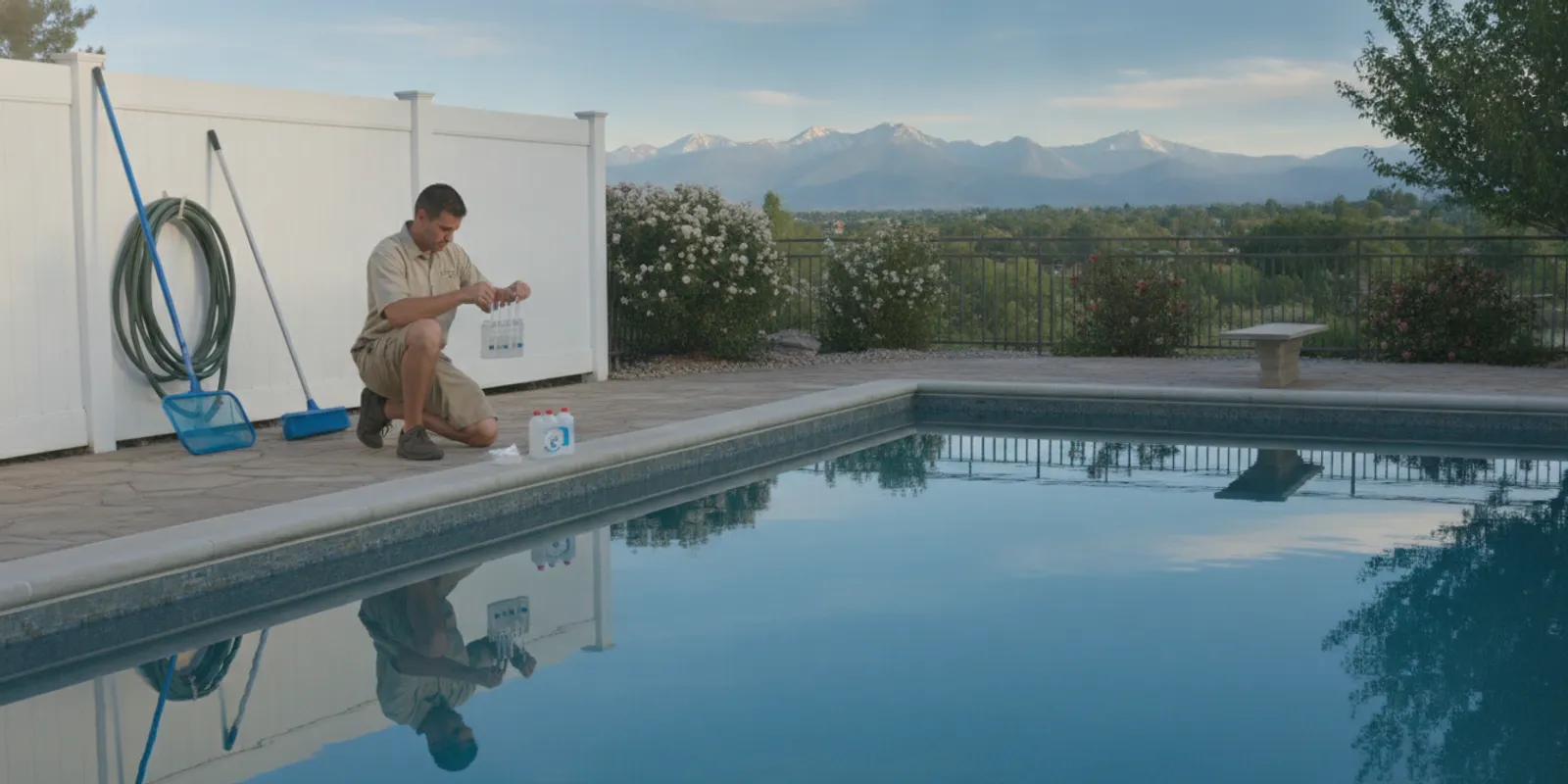
- Check the water. Test and assess water balance and sanitizer levels, then make appropriate adjustments under the service plan. Testing matters because clear water alone does not confirm that water is properly balanced.
- Skim the surface. Remove leaves, insects, and other floating debris that can collect between visits.
- Brush surfaces. Brush walls, steps, and other areas where residue can cling, with attention to the pool’s finish and cleaning needs.
- Vacuum or clean the floor. Remove settled dirt and debris using the method suited to the pool and available cleaner.
- Empty baskets. Check skimmer and pump baskets, removing debris that can impede water flow.
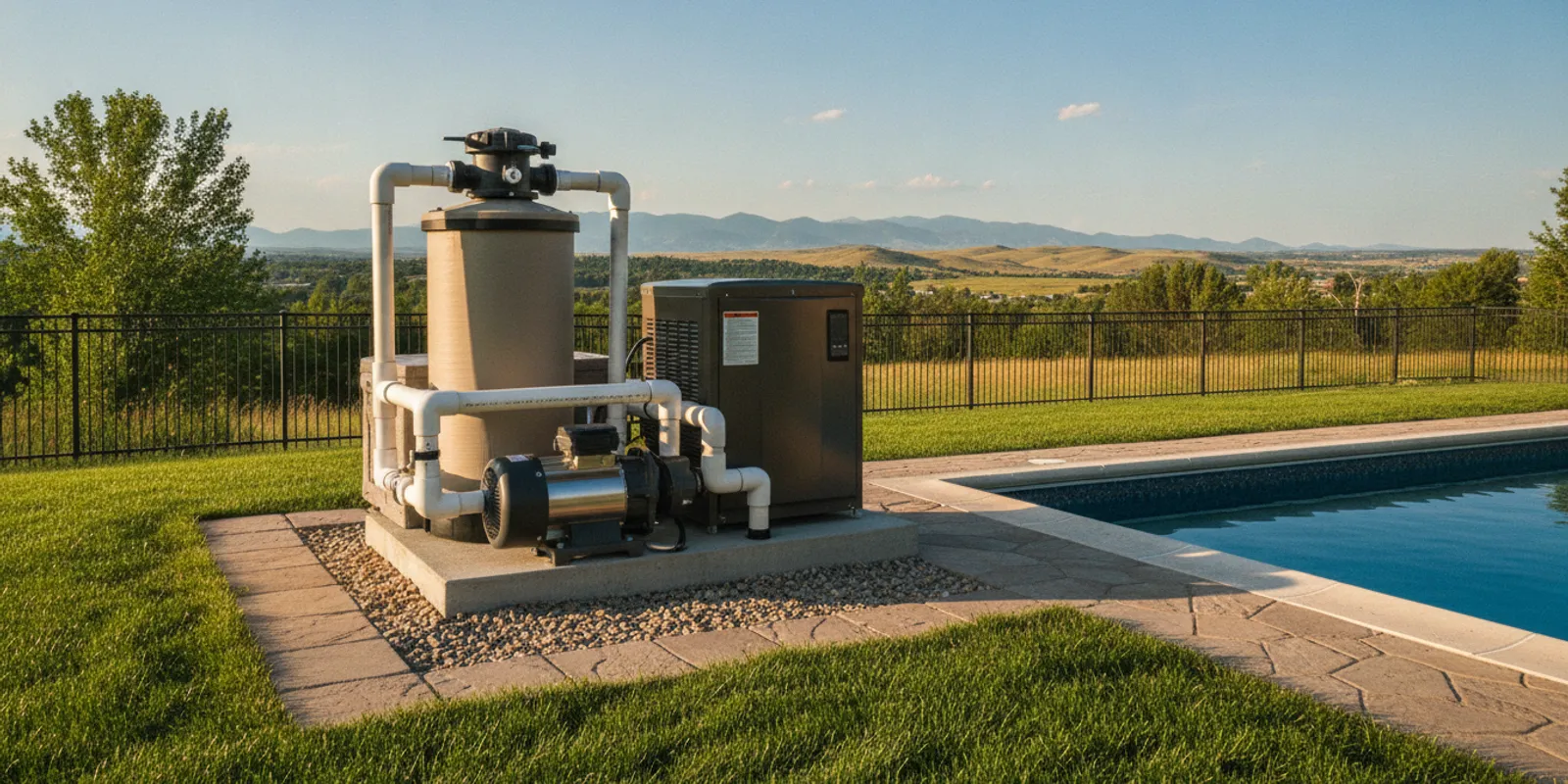
- Observe circulation and equipment. Look for unusual sounds, visible leaks, pressure changes, or other signs that warrant follow-up. A weekly cleaning visit is not necessarily a full mechanical inspection or repair.
- Report the visit. A service record can help owners track what was done and flag developing concerns.
What is included can vary by service agreement. Ask whether chemical products, filter cleaning, detailed equipment inspection, and repairs are included or charged separately. Neptune Pools offers pool cleaning and maintenance in Denver, and its service overview can help you identify the right starting point.
Which tasks are weekly, and which are occasional?
Not every maintenance task belongs on every weekly visit. Filter cleaning, equipment servicing, and seasonal opening or closing may follow a different schedule based on the pool, manufacturer guidance, and observed conditions. Use the following as a planning conversation, not a rigid schedule. Your filter manual and service agreement should determine the actual interval.
| Task | Typical timing | What it addresses |
|---|---|---|
| Water condition check and routine adjustments | Weekly, with frequency adjusted as needed | Water balance and sanitizer condition |
| Skimming, brushing, basket clearing | Weekly; more often if debris is heavy | Surface debris, deposits, and unobstructed flow |
| Vacuuming or floor cleaning | Weekly or based on visible debris and cleaner performance | Settled dirt and debris |
| Filter cleaning or backwashing | When indicated by filter type, pressure, and manufacturer directions | Filter performance and water flow |
| Equipment repair or seasonal service | As needed or at opening and closing | Faults, wear, and seasonal preparation |
Owners can use this table to compare promises in a maintenance proposal. If a plan says “weekly cleaning” but does not name testing, baskets, brushing, floor cleaning, and reporting, ask for the scope in writing. Also ask what happens when weather or a pool event changes the workload. A visit that finds a problem may lead to a recommendation, but diagnosis and repair can be separate work.
For safer chemical handling, follow product labels and keep swimmers away when treatment instructions require it. The CDC’s pool chemical safety guidance advises closing the venue to swimmers if recirculation is not running or before servicing chemical-feed or recirculation systems. Never mix pool chemicals or improvise dosing. Store products as directed and avoid handling them near children or pets.
How does Denver weather change the routine?
Colorado conditions make observation especially useful. Wind can bring dust and plant debris into the pool. Strong sun, dry air, and changing temperatures can affect water conditions and pool use. The amount of shade, landscaping, cover use, swimmer activity, and equipment setup also influence how quickly a pool gets dirty. A consistent schedule gives a technician a chance to notice changes, but the work still needs to fit the actual pool rather than a one-size-fits-all checklist.
During the active swimming season, frequent use and storms may mean more debris or faster changes in water quality. After a windy day or heavy rainfall, check whether the water remains clear and whether baskets or the cleaner need attention. If conditions change between scheduled visits, tell your service provider what you observed. Avoid adding chemicals without testing and following label directions; a guessed adjustment can complicate troubleshooting.
Water level is another useful observation. Evaporation, splash-out, backwashing, and a possible leak can all contribute to a falling level, so a single change does not identify the cause. Note the level and date, and report a persistent or sudden change. Do not let a concern about water level dictate winterization decisions; seasonal water levels and freeze protection depend on the pool and system. For more on seasonal preparation, see Neptune Pools’ pool closing and winterization information.
As colder weather approaches, weekly cleaning is not a substitute for proper seasonal preparation. Winterization needs to be planned for the pool’s plumbing and equipment, and freeze protection should be tailored to the system and conditions rather than treated as universal advice. If a pool remains open, ask how the service plan handles temperature changes and equipment monitoring.
What should owners check between visits?
A short visual check helps you spot a change early without taking on chemical adjustments you are not comfortable making. Between scheduled service visits, use a simple routine:
- Look at water clarity and note unusual color, foam, or a strong chemical odor.
- Check the water level against its usual range. Look around the pool and equipment pad for visible water loss, but remember that appearance alone cannot confirm a leak.
- Listen for new pump or motor noises and watch for alarms or equipment that appears not to be operating.
- Remove large floating debris if safe to do so, and keep the pool area clear.
- Share changes, recent storms, heavy use, or equipment symptoms with your technician. A dated note or photo can make the report more useful.
Do not reach into a running pump or service electrical equipment. If circulation stops, a leak appears, or the water changes suddenly, pause swimming until the problem is assessed. Neptune Pools provides pool equipment repair and servicing for issues beyond routine cleaning.
How can you tell when a routine visit needs follow-up?
Routine service can reveal a symptom without identifying its cause. For example, a basket that repeatedly fills with debris may need more frequent attention, while a noisy pump, visible water around equipment, or a recurring pressure change calls for a closer look. Cloudy water can have several causes, including circulation or water-treatment issues. A technician may need more information or a separate diagnostic visit before recommending a fix.
When you contact a service provider, describe what changed, when it began, and whether the pump was running normally. Mention recent storms, unusual use, and any steps already taken. Avoid repeatedly changing settings or adding products while the issue is unclear; keeping a concise record helps the person assessing the pool distinguish a new symptom from a recurring pattern.
Some tasks are outside a standard weekly cleaning scope. Filter service may depend on the filter type and its condition. Repairs may involve diagnosis, approval, parts, and a separate appointment. Seasonal opening and closing require planning beyond routine debris removal. Neptune Pools’ pool care FAQs provide another place to review common service questions.
How do you compare weekly service plans?
Compare the written scope, not just the number of visits. Two plans described as weekly can cover different tasks, products, reporting, and follow-up. Before choosing, ask these questions:
- Which cleaning tasks are completed at each visit?
- Are water testing and routine chemical adjustments included? Which products are billed separately?
- How are filter cleaning and backwashing handled, and what signs trigger that work?
- Will you receive a service record and notice of concerns?
- How are repairs, storm cleanup, and seasonal opening or closing scheduled and priced?
- What should you do if the pump stops or water condition changes between visits?
Ask how the provider will communicate when a visit cannot be completed as planned, and whether a missed service is rescheduled. Clarify how access, pets, gates, and equipment-pad clearance are handled. These practical details can prevent confusion on service day and help you understand what the recurring plan does—and does not—cover.
Neptune Pools lists maintenance options publicly, so review the maintenance service details and confirm that the selected plan fits your pool and expectations. If you manage a shared pool, the HOA service information may be more relevant to operating needs such as communication and shared-use coordination.
For a useful comparison, write down the same questions for each provider and compare answers side by side. Look for clear inclusion and exclusion language rather than assuming that a task is covered because it is commonly part of pool care. Ask whether chemical adjustments, specialty cleaning, replacement parts, and repair labor are included, billed separately, or require approval first. The goal is not to select the longest checklist; it is to understand the regular work, the exceptions, and the path for follow-up.
Neptune Pools serves the Denver Metro area, including Denver, Lakewood, Littleton, and nearby communities. If you are comparing plans, share the pool type, equipment, seasonal schedule, and the issues you most want addressed. That gives a provider a better basis to explain which routine tasks fit your situation. You can also review Neptune Pools’ service areas to check whether your location is covered.
One practical way to evaluate a proposed schedule is to map tasks against the pool’s weekly conditions. A yard with mature trees may collect leaves and seed pods faster than a more open yard, while a pool used daily by a large household may need closer observation than one used occasionally. If the pool has an automatic cleaner, ask what it can handle reliably and which areas still need manual brushing or inspection. The answer should distinguish equipment capability from the technician’s actual work, so you know whether a task is completed during every visit or only when needed.
Also agree on what counts as a reportable concern. A useful note might identify an unusual reading, a basket that was unusually full, visible equipment moisture, or a change in water clarity. Ask how urgent concerns are communicated and whether you should approve additional work before it begins. That simple process prevents surprise expectations: a maintenance visit can identify a symptom, but it should not be assumed to include troubleshooting, parts, or repair labor unless the service scope says so.
For shared or managed pools, define the point of contact and the information that person needs after each service. A property manager may want a brief record of completed tasks and open issues, while a homeowner may prefer a simple update and a recommendation when something changes. If several people can access the equipment area, clarify who may adjust controls or add products between visits. Consistent communication reduces conflicting actions and gives the service provider a clearer history of the pool.
Season transitions deserve their own planning conversation. Before the normal swimming routine ends, ask which tasks remain part of weekly care and which belong to the opening or closing appointment. Confirm whether the pool will stay circulating, be shut down, or receive another arrangement, because those choices affect what monitoring is appropriate. In Colorado, temperature swings can arrive quickly; avoid treating a calendar date or a generic checklist as a substitute for equipment-specific winter preparation.
For owners who maintain some items themselves, divide responsibilities clearly. You might handle a quick visual check and remove a few leaves, while the regular visit covers testing, brushing, baskets, and a service record. Write down who is responsible for each task and how often it is done. This is especially helpful when a family member, tenant, or property staff member may take action between visits. A shared checklist also makes it easier to report whether a condition appeared before or after a service visit.
Discuss a weekly maintenance plan for your pool.
Frequently asked questions
Does weekly pool maintenance include chemicals?
It depends on the written plan. Ask whether testing and routine adjustments are included, which products are covered, and how additional treatment is handled.
Is weekly service necessary for every pool?
Needs vary with pool use, weather, debris, and equipment. A consistent schedule can help catch changes, but the appropriate frequency and tasks should fit the pool and service agreement.
Does a weekly visit include equipment repairs?
Usually, routine maintenance and repair are different services. A technician may notice a concern during a visit, but repair work may require diagnosis, approval, parts, and a separate appointment.
What should I do if the water looks cloudy between visits?
Limit swimming until you understand the cause, check that circulation is operating, and contact your pool professional. Avoid guessing at chemical doses; follow product labels and qualified guidance.
A clear service scope, regular observation, and timely follow-up make weekly care easier to manage. If you are unsure what your pool needs, share its condition and equipment details with a local pool professional before the next visit.
Related Blogs