OEM Hot Tub Parts Repair in Denver: A Buyer’s Guide

Your hot tub should be a source of comfort, not a recurring repair problem. When a pump begins making noise, the water stops heating, or the control panel shows an error, the replacement part you choose matters. OEM components are made for specific spa models, which helps support proper fit, water flow, electrical performance, and safe operation. That matters even more in Denver, where freezing temperatures can place extra stress on heaters, pumps, plumbing, and seals. This guide explains how OEM hot tub parts repair in Denver works, which components commonly need replacement, how to verify compatibility, and when to call a qualified technician. You’ll also learn how Neptune Pools can help with diagnosis, sourcing, installation, and testing.
Ready for a cleaner pool?
Denver's trusted pool care professionals since 1982. Get started today.
Schedule ServiceKey Takeaways
- Verify every replacement before purchase: Match the hot tub’s brand, model, serial number, part number, electrical rating, measurements, and connection type to avoid compatibility problems.
- Prepare for Denver’s cold weather: Watch for reduced water flow, slow heating, leaks, unusual noises, and error codes, especially before freezing temperatures arrive.
- Use professional repair support when needed: A qualified technician can identify the actual fault, recommend an OEM or approved alternative, install it safely, test the system, and explain the repair warranty.
What Are OEM Hot Tub Parts, and Why Do They Matter for Denver Repairs?
OEM, or Original Equipment Manufacturer, hot tub parts come from the company that made your spa or supplied its original components. They are designed to match the manufacturer’s specifications for fit, materials, electrical requirements, and performance. Common OEM replacements include pumps, heaters, control panels, sensors, filters, jets, seals, and covers.
The main advantage of an OEM part is compatibility. A pump built for your hot tub model should connect correctly to the existing plumbing and control system. Likewise, a replacement heater must match the spa’s voltage, flow rate, wiring, and safety requirements. Even minor differences in fittings, sensors, or electrical connections can cause poor performance or damage other components. Before ordering, review the manufacturer’s parts guidance from Master Spas and confirm that the part matches your specific model.
Denver’s changing weather makes dependable components particularly important. Freezing temperatures can put added stress on pipes, pumps, heaters, and seals, especially when a spa has not been winterized or maintained properly. A poorly fitting replacement may contribute to leaks, restricted circulation, or inconsistent heating. OEM parts are made to work with the spa’s original design, which helps the system perform reliably through Colorado’s seasonal temperature changes.
OEM parts can also simplify future service. When a replacement matches the original specifications, technicians can diagnose the issue more accurately, install the component with fewer modifications, and test the equipment according to the manufacturer’s operating requirements. Aftermarket parts may cost less initially, but an inconsistent fit or lower-quality construction can result in repeated service calls and higher repair costs.
Avoid ordering a replacement based only on its appearance. Have your hot tub’s model number, serial number, and existing part label ready when requesting help. Neptune Pools can assess equipment concerns through its spa services and help determine whether the right solution is a repair, an OEM replacement, or another service.
Which OEM Hot Tub Parts Need Replacement?
Hot tub components do not all wear out at the same pace. Filters may require regular replacement, while pumps, heaters, controls, jets, and sensors often last for years before showing signs of failure. Water exposure, mineral buildup, electrical problems, poor circulation, and freeze damage can shorten the life of any part. Colorado’s temperature swings make proper maintenance especially important, particularly when a spa sits unused or is not winterized correctly.
Replacing a failed component with the correct original equipment manufacturer, or OEM, part helps preserve the way your hot tub was designed to operate. OEM parts are made for specific spa models, which supports the correct fit, water flow, electrical performance, and safety features. Genuine parts can also reduce the risk of modifications that may create leaks, error codes, or additional equipment problems. Master Spa Parts explains that model-specific parts are engineered for compatibility and reliable performance.
Before ordering a replacement, record the spa’s make, model, serial number, and the part number printed on the existing component. A part that looks similar may have a different voltage, size, connection type, or programming requirement. When the cause of the problem is unclear, a professional technician can test the system, confirm the failed component, source the correct replacement, and verify the repair. Neptune Pools offers spa services for Denver Metro homeowners who need help with hot tub maintenance and equipment concerns.
Filters, Pumps, Heaters, Controls, Jets, and Sensors
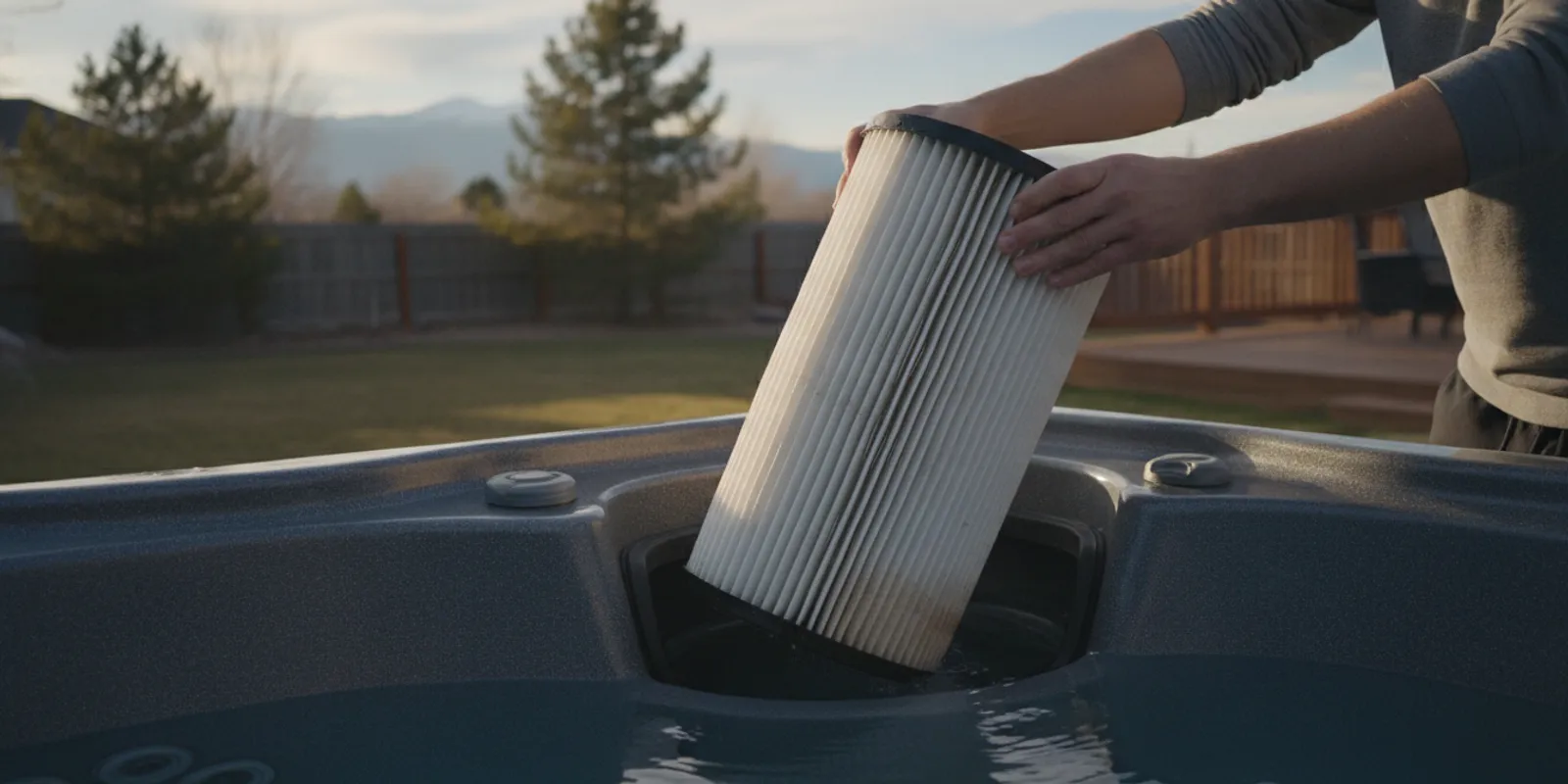
Filters: Filters remove oils, debris, and other contaminants from the water. A clogged, damaged, or collapsed filter can reduce circulation and place extra strain on the pump. Replace it when thorough cleaning no longer restores water flow or when the pleats, end caps, or housing show damage.
Pumps: Pumps move water through the filter, heater, and jets. Grinding noises, leaks, weak circulation, or a motor that will not start can point to pump failure. The replacement must match the motor, horsepower, voltage, wet end, and plumbing connections.
Heaters: A failing heater may leave the water cold, display error codes, or trip a breaker. The correct OEM heater must match the spa’s electrical system and control pack. Neptune Pools’ equipment repair and servicing can help determine whether the heater failed or another component caused the problem.
Controls: The control panel or spa pack manages temperature, filtration, lighting, and jet functions. Unresponsive buttons, display errors, and repeated shutdowns may indicate a control issue, although wiring and sensors should be tested first.
Jets and sensors: Jets can crack, leak, or lose pressure as seals and fittings deteriorate. Sensors monitor temperature and water conditions, so inaccurate readings can affect heating and circulation. Check the part number, dimensions, voltage, and connection type before ordering, as hot tub parts suppliers recommend confirming these specifications for proper fit.
How Can You Verify OEM Part Compatibility?
Ordering the wrong hot tub part can cause delays, additional shipping costs, and a repair that does not resolve the original problem. Before purchasing an OEM replacement, collect as much information as possible about your spa and the existing component. The model name alone may not be enough because manufacturers can use different parts across similar models, or update specifications between production years.
Begin with the spa cabinet, equipment compartment, and owner’s manual. Look for the model and serial number, manufacturer name, part number, voltage, dimensions, and connection type. These details help confirm whether a replacement is designed for your specific system. You can also compare the component with compatibility information from a reputable supplier, such as Master Spa Parts.
Avoid relying on appearance alone. Two pumps, heaters, sensors, or control boards may look similar while having different electrical ratings or connection requirements. If the information is missing, damaged, or inconsistent, have a technician inspect the equipment before you order. Neptune Pools can help identify hot tub issues through its equipment repair and servicing options, including diagnosis and replacement planning.
Match the Model, Serial Number, Part Label, Manual, Photos, and Specifications
Use this checklist to confirm compatibility before placing an order:
- Record the model and serial number. Check these details against the supplier’s parts finder or product description. Include the production year when available.
- Read the existing part label. Note the part number, voltage, amperage, dimensions, wattage, and connection style. A small difference in specifications can make a component unsuitable.
- Review the owner’s manual. Manuals may include approved replacement parts, wiring information, equipment diagrams, and manufacturer specifications.
- Take clear photos. Photograph the part label, wiring connections, plumbing fittings, and the complete equipment compartment. Visual references can help a supplier confirm the correct replacement, as explained in this spa filter compatibility guide.
- Ask for confirmation if details conflict. Do not guess when the model, label, or manual points to different parts. Contact a qualified supplier or technician and provide all available information. Neptune Pools also offers spa services to help with inspection and repair planning.
Where Can You Find Genuine OEM Hot Tub Parts in Denver?
Finding a genuine OEM hot tub part begins with choosing a supplier that understands spa equipment, not just general plumbing or electrical components. Homeowners and property managers in the Denver Metro area have several options, including local spa service companies, authorized dealers, and established online suppliers.
A local service company can inspect the hot tub, identify the cause of the problem, and confirm whether you need a replacement part at all. This matters because a failed pump, heater, or control panel may be connected to another equipment issue. Neptune Pools provides spa services for Denver-area customers and can help assess the equipment before you purchase a component.
When the part is difficult to identify, professional help can also prevent an expensive mismatch. Older hot tubs may have discontinued components, modified wiring, or replacement equipment from a previous repair. A technician can compare the existing setup with manufacturer specifications and recommend an appropriate solution.
Before contacting a supplier, collect the hot tub’s brand, model, serial number, and purchase year if available. Photograph the part label, wiring, connections, and surrounding equipment. Include measurements and any error codes shown on the control panel. These details help a supplier verify the part’s fit, voltage, dimensions, and connection type.
Neptune Pools, Authorized Dealers, and Online Suppliers
Neptune Pools is a convenient local resource for hot tub parts and repair support in the Denver Metro area. Its technicians can evaluate the equipment, identify the component causing the problem, and coordinate installation when the repair involves electrical, plumbing, or mechanical work. You can review its equipment repair and servicing options before scheduling an inspection.
Authorized dealers are also useful because they typically have access to manufacturer-specific parts, service records, and technical guidance. For online purchases, Master Spa Parts carries components for Master Spas, while EZ Hot Tub Parts organizes replacement parts by brand.
Not every online listing is an OEM part, even when it appears to match the original. Check the manufacturer, part number, warranty terms, and return policy before ordering. For heaters, pumps, control boards, and sensors, confirm the selection with the manufacturer or a qualified technician first.
How Does Denver Weather Affect OEM Hot Tub Repairs?
Denver’s seasonal weather can affect both hot tub performance and the repair process. Freezing temperatures place additional strain on heaters, pumps, plumbing, and control systems. A circulation problem that might be minor in mild weather can become more serious if water remains inside the equipment and freezes. Rapid temperature changes can also expose cracks, weak seals, and insulation problems that were less noticeable during warmer months.
Before cold weather arrives, secure the cover, maintain the proper water level, and keep the water chemistry balanced. Check for warning signs such as slow heating, weak jets, unusual sounds, error codes, or reduced water flow. If your hot tub stops circulating during freezing conditions, arrange an inspection promptly. A professional can identify the source of the issue and determine whether the repair requires a genuine OEM component.
Neptune Pools offers spa services for homeowners in the Denver Metro area. Local experience matters because technicians must account for outdoor exposure, seasonal temperature changes, and the equipment commonly installed in Colorado homes.
Cold Weather, Older Models, Demand, and Parts Availability
Cold weather often increases wear on heaters and pumps, especially in older hot tubs. Research from Mile High Hot Tubs notes that these components may struggle to operate efficiently in freezing temperatures. Older models can present another challenge because the manufacturer may no longer produce certain parts. In that situation, technicians may need to search specialty suppliers or confirm whether an approved replacement is compatible.
Repair demand also tends to rise during colder months, when homeowners use their spas more often. Higher demand may mean longer scheduling windows or additional time to source genuine OEM parts. Scheduling an inspection before peak winter use can help identify problems early.
When you contact a repair company, provide the hot tub’s make, model, serial number, and photos of the existing component. These details help technicians confirm fit before ordering. Neptune Pools provides equipment repair and servicing, including diagnosis, part selection, installation, and system testing.
How Do OEM and Aftermarket Hot Tub Parts Compare?
When your hot tub needs a replacement part, the lowest listed price is not always the lowest overall cost. OEM, or original equipment manufacturer, parts are made for a specific spa brand and model. Aftermarket parts come from third-party manufacturers and may be designed to fit several models. Some aftermarket components perform well, but their quality, fit, and durability can vary.
OEM parts are often the better choice for essential components, including pumps, heaters, control boards, and sensors. Because they are built to the spa’s original specifications, they can help preserve proper performance and reduce installation issues. Master Spa Parts explains the benefits of genuine OEM parts, including model-specific fit and dependable operation.
An aftermarket part may be practical when the original component is no longer available or when a reputable alternative meets the manufacturer’s specifications. However, never choose a replacement based on appearance alone. Differences in voltage, dimensions, connections, flow rate, or programming can cause poor performance or damage to other equipment.
Denver’s cold winters also make dependable equipment important. A part that fails during freezing weather can leave pipes and equipment vulnerable to damage. Before ordering, have a technician verify the part number and inspect the surrounding components. Neptune Pools provides spa services for homeowners and property managers throughout the Denver Metro area.
Cost, Fit, Warranty, and Long-Term Value
Cost: Aftermarket parts may have a lower upfront price, but OEM parts can be more economical over time when they fit correctly and last longer. Repeated service calls, modifications, or early replacement can quickly erase the initial savings.
Fit: OEM parts are matched to the spa’s original specifications. Aftermarket parts require a careful comparison of dimensions, voltage, connections, flow ratings, and control compatibility.
Warranty: OEM parts commonly include manufacturer warranty coverage, while aftermarket warranties vary. Ask whether the warranty covers the part only or includes labor as well.
Long-term value: A reliable replacement can extend your hot tub’s service life and reduce repeat repairs. For an older spa, compare the repair cost with the price of replacement. Neptune Pools can evaluate the equipment and provide equipment repair and servicing based on the unit’s overall condition, not just the price of one component.
When Should You Hire a Professional for OEM Hot Tub Repairs?
Hire a professional when a hot tub problem involves electrical components, water leaks, heating issues, or a part you cannot identify with confidence. A spa may seem to have a simple fault, but a failed heater, pump, sensor, or control panel can affect several connected components. Working without the right tools or training may cause additional damage and create a serious electrical or safety risk.
Professional service is especially important when your hot tub is older, covered by a warranty, or built with a specialized system. A qualified technician can identify the exact model, review the equipment, and confirm which replacement part the manufacturer specifies. Neptune Pools provides equipment repair and servicing for pool and spa systems throughout the Denver Metro area.
Call a technician if the water will not heat, the pump makes unusual sounds, the jets lose pressure, the control panel displays an error, or the circuit breaker trips repeatedly. You should also arrange an inspection after a freeze, particularly if the spa was not winterized correctly or sat unused during a cold period. Colorado’s low temperatures can damage plumbing, pumps, heaters, and other components that may not show problems right away.
Let Professionals Diagnose, Source, Install, Test, and Warranty the Repair
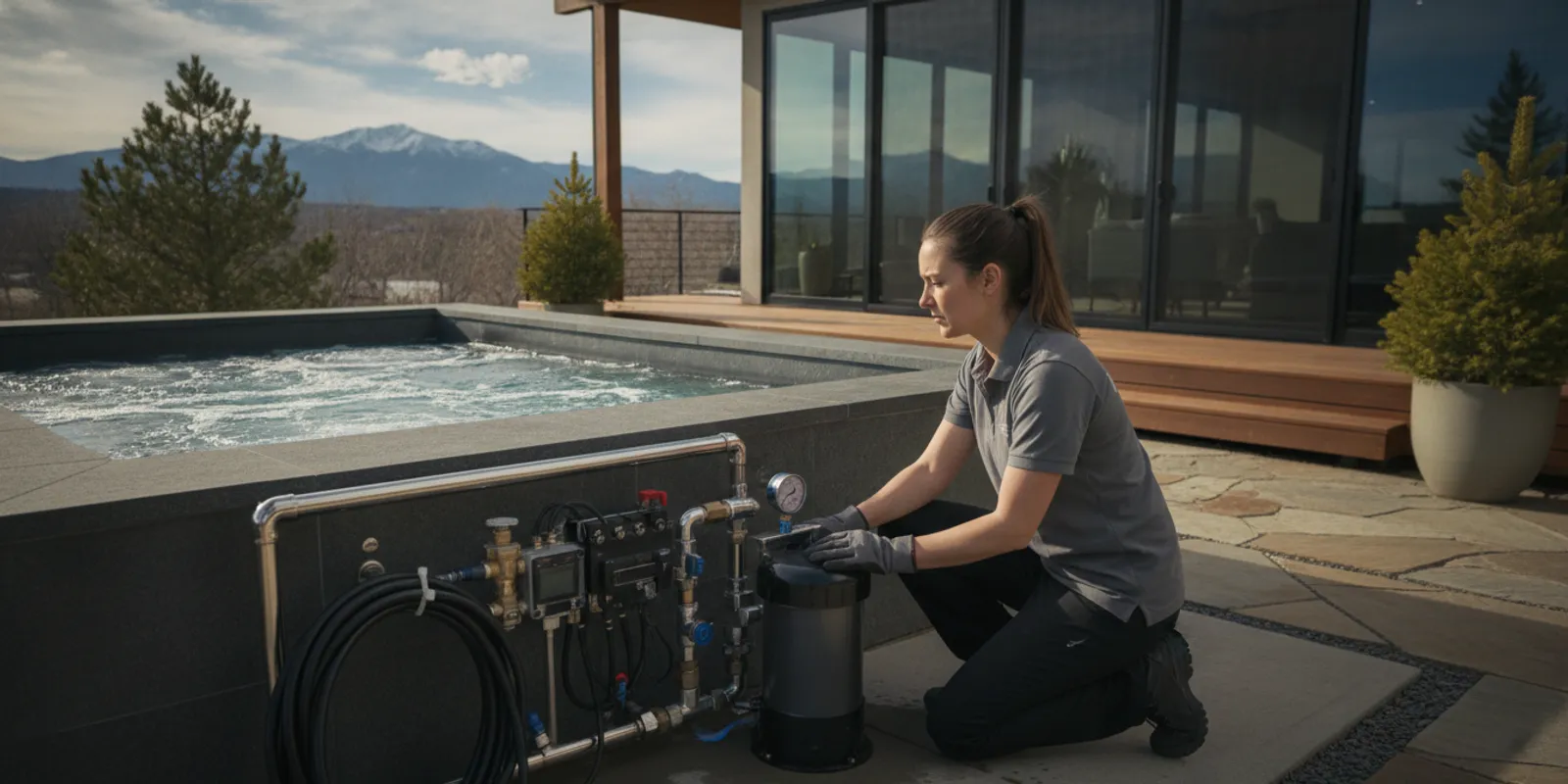
A qualified technician begins by diagnosing the underlying problem rather than replacing the first part that appears faulty. They can inspect wiring, water flow, pressure, sensors, and control components to determine whether an OEM replacement is necessary. This approach helps prevent unnecessary parts purchases and repeat service calls.
Professionals can verify the part number, source a compatible component, and install it according to the manufacturer’s specifications. After installation, they should test heating, circulation, jet operation, water flow, and electrical performance. Before approving the repair, ask whether the work includes a written warranty, what it covers, and how long it lasts. For larger repairs or aging equipment, Neptune Pools also offers spa services to address the broader needs of your system.
How Can You Choose a Reliable Denver Hot Tub Repair Service?
A dependable hot tub repair company should do more than replace a part and leave. The right provider will diagnose the underlying problem, explain your options, and complete the work safely. Before scheduling service, look for a company with trained technicians, transparent pricing, reliable communication, and experience serving homeowners throughout the Denver Metro area.
Start by reviewing the company’s full range of services. A provider that handles diagnostics, equipment repairs, routine maintenance, and spa care can often manage the entire repair process without sending you to several businesses. Neptune Pools offers spa services and cleaning and maintenance, giving homeowners support for both immediate problems and long-term care. Customer reviews can also show how a company handles scheduling, workmanship, and follow-up service. Before booking, ask whether the technicians work with your hot tub’s brand and model.
Check Certifications, Pricing, Scheduling, and Local Expertise
Ask whether the technicians are certified, formally trained, and experienced with electrical, plumbing, heating, and control-system problems. This expertise matters because incorrect repairs can damage equipment or create safety risks. A qualified technician should also explain whether a genuine OEM part is the right choice for your hot tub and confirm that the replacement is compatible.
Request a written estimate that separates labor, parts, diagnostic fees, and other service charges. Clear pricing makes it easier to compare providers and avoid surprises. You should also ask about appointment windows, repair timelines, warranty coverage, and what happens if the same issue returns after service.
Denver’s changing temperatures make local experience especially valuable. Freezing weather can affect plumbing, water lines, covers, and equipment, while seasonal demand may affect appointment availability and part sourcing. Choose a company familiar with these conditions and with the equipment found in local homes. Neptune Pools provides equipment repairs and servicing for homeowners who want professional help diagnosing and resolving hot tub problems.
Frequently Asked Questions
What does OEM mean for hot tub parts?
OEM stands for Original Equipment Manufacturer. These parts are made for a specific spa brand and model, so they are designed to match the original equipment’s size, connections, electrical requirements, and operating specifications.
How can I tell which replacement part my hot tub needs?
Record the spa’s brand, model, serial number, and production year if available. Photograph the existing part label, wiring, plumbing connections, and equipment compartment. A technician can use this information to confirm the correct part and determine whether the component is actually causing the problem.
Are OEM hot tub parts better than aftermarket parts?
OEM parts generally provide more predictable fit and compatibility, especially for heaters, pumps, control boards, and sensors. A reputable aftermarket part may work when the original is unavailable, but its voltage, dimensions, flow rate, connections, and programming must match the spa’s requirements.
When should I call a professional for hot tub repairs?
Contact a qualified technician if the spa will not heat, circulation is weak, the pump makes unusual noises, the control panel shows an error, water is leaking, or the breaker trips repeatedly. Professional service is also recommended after possible freeze damage or when electrical components are involved.
How can I find reliable hot tub repair service in Denver?
Look for certified technicians, clear estimates, dependable scheduling, manufacturer-specific experience, and a written workmanship or parts warranty. Neptune Pools provides spa services and equipment repairs throughout the Denver Metro area, including diagnosis, OEM part selection, installation, and system testing.
Related Blogs