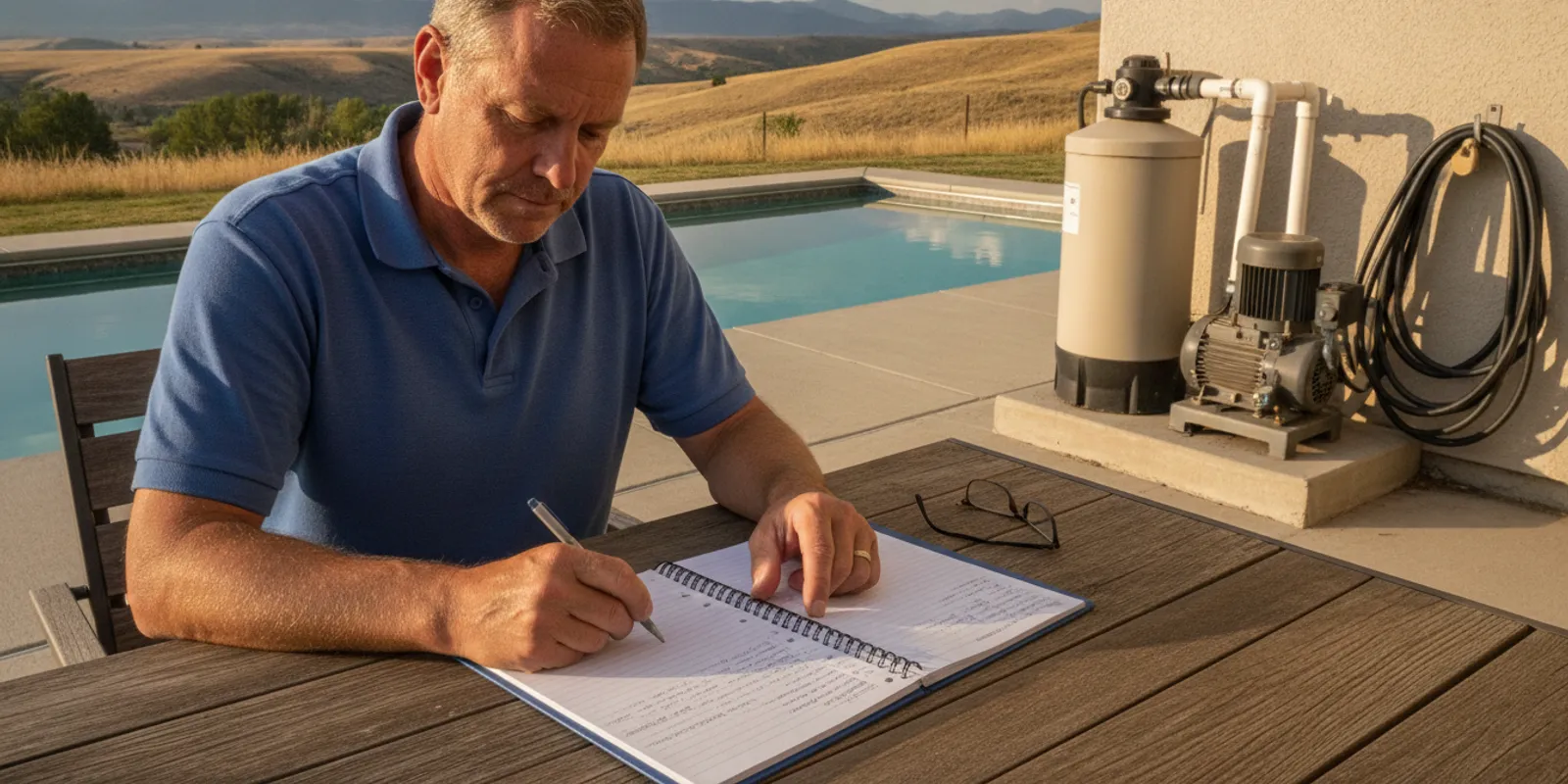
Pool Equipment Access Planning Denver: Preparing for Repairs
Pool equipment access planning denver homeowners can do before a service visit is straightforward: make the route clear, identify the equipment, and share site conditions before anyone arrives. You do not need to diagnose a pump, filter, heater, or control problem. A little preparation helps the technician find the reported issue, understand how to reach the equipment, and avoid preventable access delays.
Request a pool equipment service visit.
What should you identify before the visit?
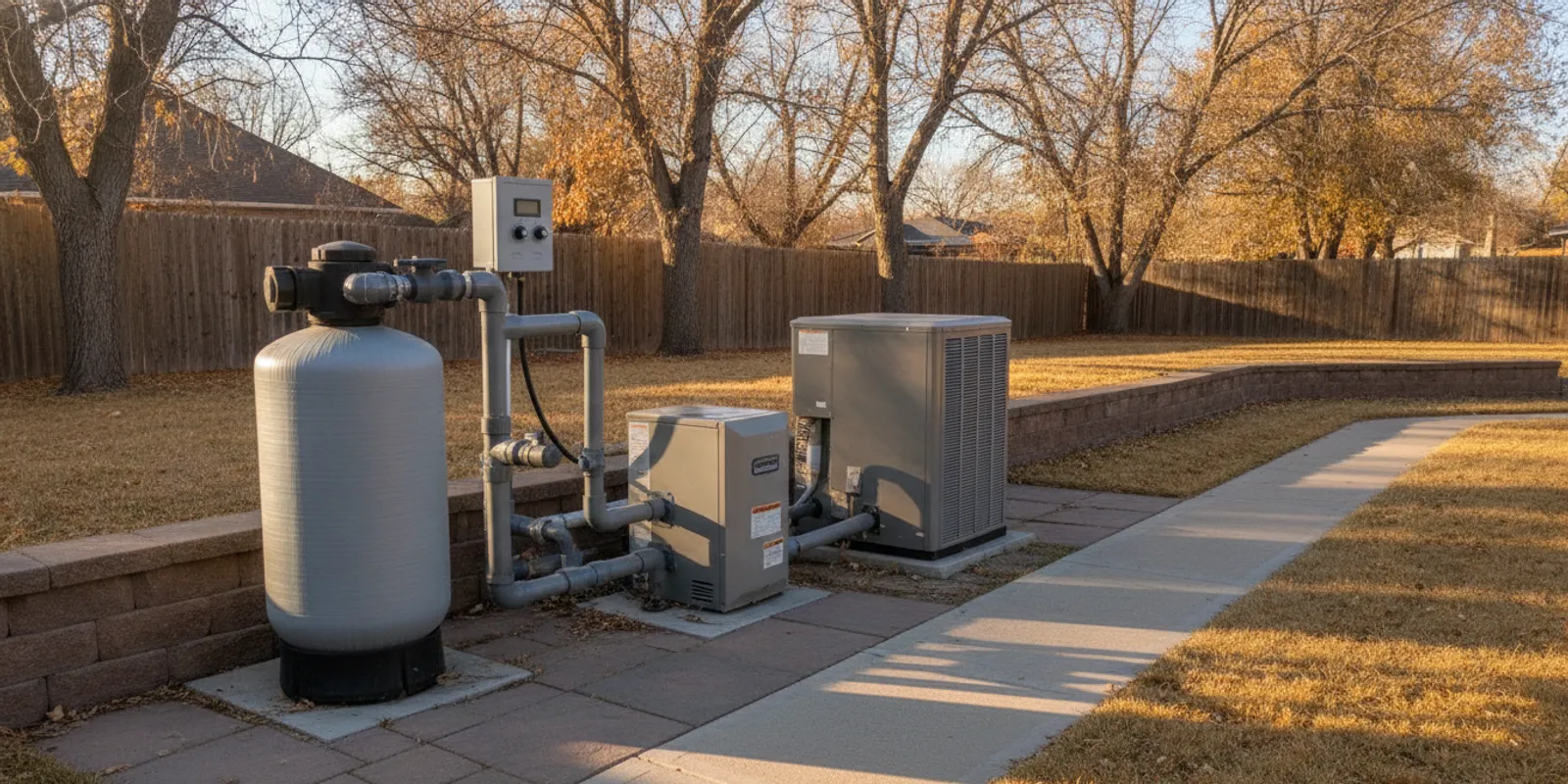
Start by walking the planned route from the entry point to the equipment pad. From a safe position, note which items are present: pump, filter, heater, valves, automation panel, electrical disconnect, and any other equipment you believe is related to the concern. The goal is orientation, not diagnosis. If you are unsure which component is involved, describe what you observed instead of guessing at a cause.
Check for readable labels without opening a cabinet or removing a cover. A photo of the complete equipment area can show how components are arranged. A separate close-up of a visible make and model label may help with identification. Do not reach behind equipment, remove electrical panels, or touch wiring to get a better picture. For symptoms involving pool equipment, Neptune Pools' pool equipment service page provides a direct route to repair and servicing information.
Make a short symptom note while details are fresh. Include when the issue began, what changed beforehand, whether it happens continuously or only at certain times, and whether you can see water where it was not present before. Record sounds or display messages only if you can observe them safely. A factual note such as “the pump made a new rattling sound after the storm” is more useful than a conclusion about a failed part.
How can you prepare a safe route to the equipment?
Clear movable objects from the agreed path and the space immediately around the equipment. Common obstructions include hoses, garden tools, bins, toys, patio furniture, and stored pool supplies. Keep the route as dry and stable as conditions allow. Do not shift heavy items, detach plumbing, remove fixed barriers, or move equipment as a do-it-yourself preparation step.
- Clear a walking route from the agreed entrance to the equipment pad.
- Keep gates, doors, and the equipment approach unobstructed, and arrange access with the person who controls them.
- Secure pets and keep children away from the work area during the visit.
- Point out steps, loose paving, narrow passages, low branches, and other conditions that may affect entry.
- Keep stored items away from controls, service panels, shutoffs, vents, and the equipment manufacturer's required clearances.
- Do not cover vents or block airflow, and do not move electrical or plumbing components.
There is no single clearance measurement that applies to every equipment layout. Different components and installations have different access and manufacturer requirements. Leave a practical approach to the equipment, but do not assume that a particular number of inches makes a crowded setup safe or serviceable. If the area is tight, take a wide photo from a safe location and ask what needs to be moved before the appointment.
Take special care around wet areas and electrical equipment. If you notice sparking, a burning odor, a damaged wire, unusual heat, or water reaching electrical components, keep away and tell the service provider what you observed. Do not open an enclosure or try to investigate the source. If you have an immediate safety concern, contact the appropriate qualified professional for direction.
What information should you send when scheduling?
Give the service provider enough detail to plan the visit without sending sensitive access information through an unsecured channel. Useful information includes the property address, a concise description of the symptom, the best contact person, and any known entry restrictions. Mention whether the equipment is behind a locked gate, whether a person must be present, and whether there are limited access hours or parking constraints.
Photos can clarify the layout, but take them only from a safe position. A helpful set might include one wide image showing the path and equipment, one image of a visible label, and one image of a leak or other reported condition if it can be photographed safely. Do not photograph or share a gate code in a public notice or an unsecured message. Arrange a secure way to provide entry instructions with the authorized contact.
Existing service notes, equipment manuals, and records of recent work can also provide context. You do not need to assemble a complete history. If you have a recent repair summary or know that a setting or component changed shortly before the symptom appeared, make that available. Avoid changing controls simply to reproduce a problem; a description of what you saw before changing anything is often more useful.
| Preparation item | What to check or share | Why it is useful |
|---|---|---|
| Route | Entry point, gates, steps, surface, and obstructions | Helps clarify how the work area can be reached and what conditions to expect |
| Equipment | Visible components, safe photos, and readable model labels | Gives context without asking you to diagnose or open equipment |
| Symptoms | Start time, changes, frequency, sounds, visible leaks, or display messages | Separates observations from guesses about the cause |
| Site conditions | Snow, ice, standing water, pets, low light, or restricted hours | Flags issues that may affect timing or safe access |
| Access contact | Name of the person who can authorize entry and provide instructions | Reduces confusion at locked or shared properties |
How do Denver's seasonal conditions affect access?
In the Denver area, a route that was clear the day before can become slick or blocked after a weather change. During colder months, inspect the path for snow, ice, and standing water before the visit. Clear snow only when you can do so safely. Do not chip ice close to plumbing, wiring, or equipment, and do not ask a technician to cross a route you know is unsafe without first discussing the condition.
Cold weather can also affect whether equipment should be operated or left alone. Do not start, stop, drain, or change settings on unfamiliar equipment just to prepare for a visit. Pool setups and freeze-protection needs differ, so avoid treating one winter procedure as right for every property. If a storm or hard freeze changes access or creates a concern, contact the service provider and describe the current conditions. Owners planning seasonal shutdown can review Neptune Pools' pool closing and winterization information for the service context.
In warmer months, wind-blown leaves, garden growth, and outdoor furniture can narrow the approach. Remove loose debris and move items only when doing so is safe, while keeping equipment vents and access panels unobstructed. A clear path is useful year-round, but it should not come at the expense of safe operation or required equipment spacing.
What changes need more than simple clearing?
Moving a hose or patio chair is different from altering an equipment location, enclosure, fence, or permanent access route. If you are considering a fixed change so a technician can reach the pad, pause before starting construction. The relevant requirements can depend on the property and jurisdiction. Denver's permitting guide for residential and commercial pools, spas, and water features says a zoning permit is required for outdoor pools, barriers and fences, and installation of pool-related mechanical equipment. That is a reason to check the rules that apply to your proposed work; it does not mean an ordinary service visit requires a permit. Outside Denver, confirm applicable requirements with the local authority having jurisdiction.
If a fixed obstacle appears to prevent access, document it with a photo and explain what part of the route is limited. Ask the service provider whether the obstruction affects the visit and whether you should consult the local building or planning office before changing anything. Do not remove a fence, cut a gate, shift a heater, or modify a plumbing connection simply to create room. Those changes can have safety, code, or equipment implications that go beyond routine preparation.
For owners who need a broader service overview, Neptune Pools lists its pool service options. The company's Denver Metro service areas page can help property owners check local coverage. Neither page replaces local permitting guidance for construction or equipment installation.
How should property managers and HOAs coordinate a visit?
Shared facilities need a named point of contact, a clear access window, and a plan for keeping the route available. The person scheduling the visit should confirm who can unlock the mechanical area, whether a key or escort is required, and how residents or staff will be notified. For a community pool, coordinate around scheduled use so swimmers are not directed through the work area and the technician can approach the equipment without interruption.
Keep the notice practical. Tell residents when and where access may be affected, but do not publish gate codes, key locations, or other private entry details. If the property uses a vendor log or sign-in process, share that requirement in advance. Also note parking rules, loading limits, or any building access procedure that could add time to the arrival process.
A property manager can prepare one concise handoff containing the symptom, equipment location, access contact, known hazards, and relevant recent service history. If the concern affects a community pool, identify whether a pool operator or other responsible staff member will be available to answer site questions. Neptune Pools has information for HOA pool service needs and commercial pool service that may help managers understand the appropriate service path.
What does good preparation look like in practice?
Consider a homeowner who notices the heater display go blank after a windy night. The owner should not open the heater cabinet or reset unknown electrical components. Instead, the owner can note when the display changed, check whether the path is clear, take a wide photo from a safe position, and tell the provider about the weather and any visible damage. If the pad is wet near electrical equipment, the owner should stay back and report that condition rather than approaching for a closer image.
Now consider a rental property with a locked side gate and a pump that sometimes makes a louder sound. The manager can confirm who will provide access, arrange a private way to share entry details, and note when the sound occurs. If the symptom is intermittent, the manager can say whether it happens at startup or during a particular operating period, if known. There is no need to leave the gate unlocked or ask a tenant to inspect equipment.
A third example is a community pool whose equipment pad is partly screened by stored seasonal furniture. The property representative can arrange for movable furniture to be relocated before the visit, confirm the mechanical-room key holder, and keep residents out of the work area. If the screening is permanent or the approach seems too narrow, send a photo and ask about access before altering the structure. These examples all follow the same pattern: share observations, provide authorized access, and leave technical work to the service professional.
Review pool equipment repair and servicing options.
Arrange a service conversation before the visit.
Frequently asked questions
Should I clear everything around the equipment?
Clear loose objects that block the route or approach, but do not dismantle equipment, move heavy items, or remove fixed structures. If a particular obstruction cannot be moved safely, describe it and ask the provider what to do before the visit.
Should I turn off the pump before a repair visit?
Do not change unfamiliar controls solely to prepare. If you see an immediate safety concern, keep clear and ask a qualified professional for direction. Report the current operating state and any changes you have already made.
What if snow or ice blocks the route?
Do not risk a fall or chip ice near equipment. Tell the provider what is blocked and ask whether safe access can be arranged or the appointment should be adjusted. The right plan depends on site conditions.
What photos should I take?
A wide view of the approach and equipment layout, plus a clear image of a visible label or reported symptom, can provide useful context. Take pictures from a safe position and do not open electrical panels or approach a hazard for a better view.
Do I need a permit just to schedule equipment service?
The Denver permitting guide concerns specified work such as installation of pool-related mechanical equipment and barriers; it does not say that routine service appointments require a permit. If you plan a permanent change or equipment installation, check the requirements with the authority for your property before work begins.
Get a clear next step for equipment access
Contact Neptune Pools to discuss service and access.
Before the visit, confirm the entry contact, make the walking route as clear and safe as conditions allow, and share a short account of the symptoms and site limitations. If access depends on a permanent change, check local requirements first; if you need repair help, contact Neptune Pools to discuss the next step for your Denver-area pool.
Related Blogs