Pool Remodel Contract: Scope, Allowances, and Change-Order Basics
A pool remodel contract should make it clear what work is included, what materials are planned, how the price is organized, and what happens if the plan changes. Before signing, compare the agreement with the estimate and selections, then ask for unclear terms to be explained in writing. This checklist is for Denver-area pool owners evaluating a remodel, not a substitute for legal advice.
Request an estimate for your pool renovation.
What should a pool remodel contract describe?
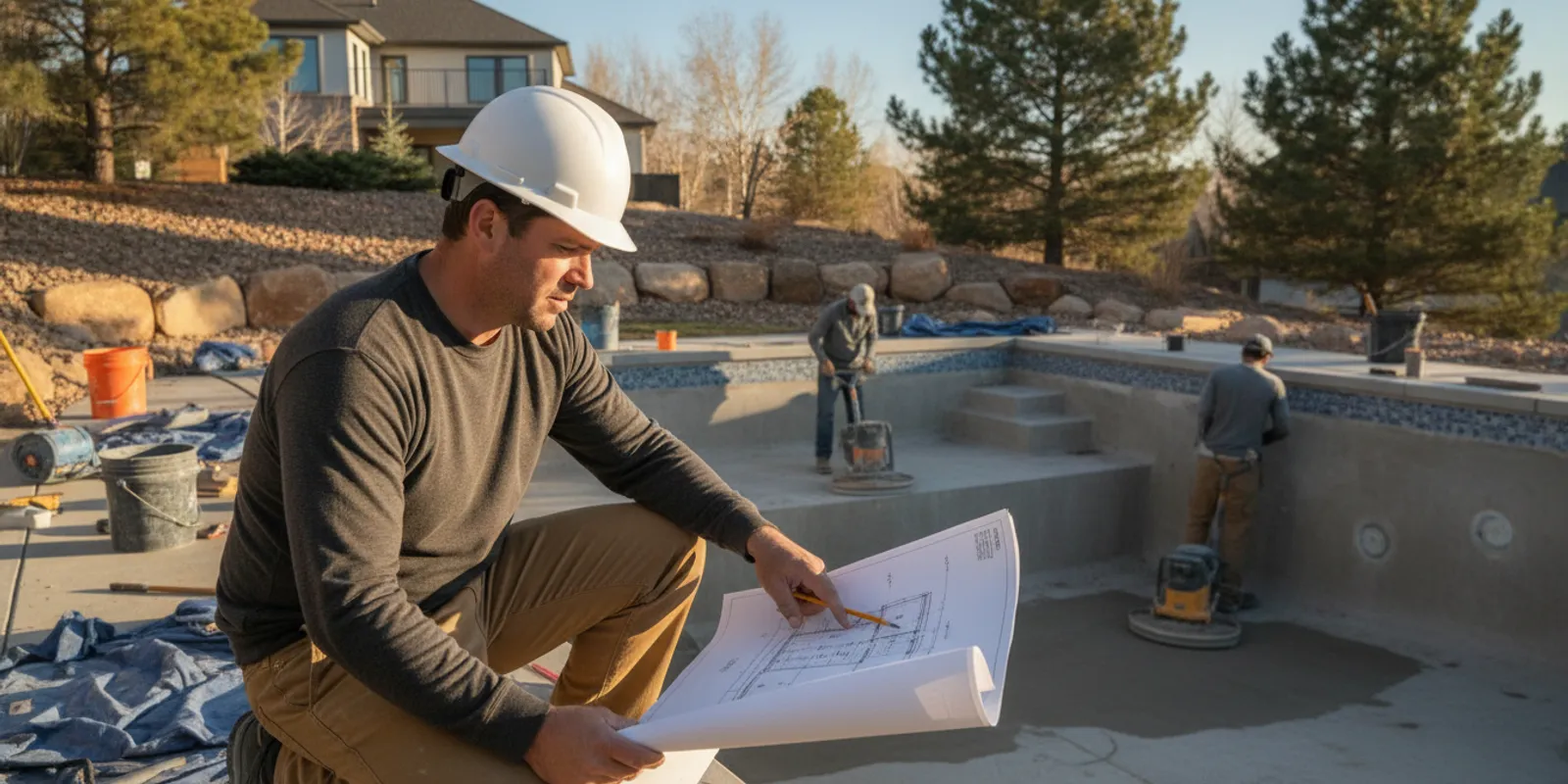
Start with the scope of work: a task-by-task description of what the contractor is proposing to do and where. A phrase such as “renovate pool” leaves too much open to interpretation. The written scope might distinguish surface preparation and resurfacing from tile replacement, coping work, structural repair, leak sealing, or plumbing work. These are separate activities. If you expect an item to be done, look for it in the scope rather than assuming it is included because it was discussed during an estimate visit.
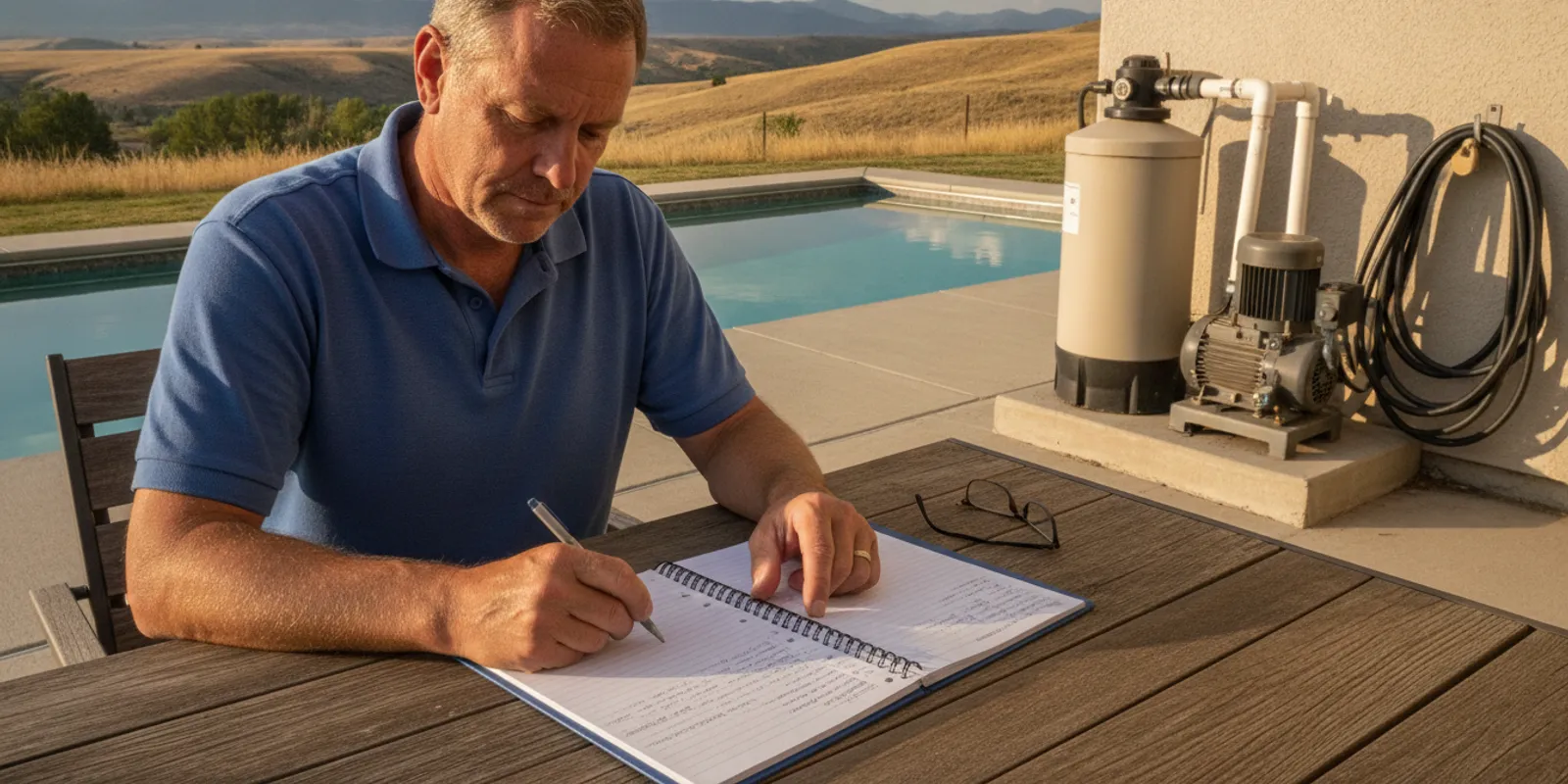
Read the scope beside the estimate, drawings, product selections, and any attachments it references. They should describe one consistent project. If one document lists a repair while another does not, ask which document controls and request a clear correction before signing. Keep a copy of the final versions together so you can refer to the agreed description if questions come up during the work.
- Work areas: Identify the pool surfaces, steps, walls, coping, tile bands, equipment pad, or plumbing sections involved.
- Work sequence: Separate demolition, preparation, repair, installation, finishing, and cleanup where those tasks apply.
- Exclusions: Ask whether adjacent deck work, landscaping, fencing, or other site repairs are outside the quoted scope.
- Existing conditions: Note known concerns, such as a suspected leak or damaged step, and ask whether investigation and repair are included or separately proposed.
- Approvals: Ask who will determine whether permits or other approvals apply and who is responsible for them; do not assume they are included.
Pool renovations can involve very different work, from resurfacing to tile and coping replacement or structural repairs. Neptune Pools describes its remodeling and rehabilitation services as custom-estimate projects. That service description provides context, but the agreement still needs to identify the work for your particular pool.
How can you make material descriptions specific?
A material description should be detailed enough to distinguish the selected product from a broad category. For a finish, confirm whether the proposal names plaster, quartz, pebble, aggregate, or another finish. Where a specific selection has been made, record the product or style, color, and other distinguishing details in the contract or an attached selection sheet. For tile and coping, identify the chosen material and style when those items are included.
Check who is responsible for supplying each item and whether the price includes the material, installation, and related preparation. Avoid relying on a sample viewed in person as the only record of a choice. Keep a dated note or selection document that names the approved option. If the exact product is not yet chosen, confirm how and when the selection will be finalized and how it will affect the total.
It can also help to separate a specified item from a substitution. Ask whether a change in availability or a requested alternative requires your approval, how the substitute will be compared with the original selection, and whether price or timing changes. The facts here do not establish a standard substitution policy; the contract should state the process the parties agree to use.
What does an allowance mean in a remodel estimate?
An allowance is a budget amount assigned to an item that has not been fully selected or priced. It is not necessarily a final product choice or a promise that every possible selection will fit that amount. Ask what the allowance covers and whether it includes only the item itself or also labor, installation, delivery, preparation, and related materials.
Before signing, ask how the final cost will be reconciled if your selection costs more or less than the allowance. Is the adjustment based on the difference in material cost, or are other costs included? When will the difference be documented? Request an example using the actual allowance in your proposal. The purpose is not to predict every eventual cost; it is to make the calculation method understandable before you make a selection.
For example, suppose a proposal includes a tile allowance but you have not selected a tile. Ask the contractor to identify the allowance amount and what it covers. Then ask how an above-allowance selection would be priced and approved, and how a less expensive selection would be credited or otherwise reflected. Do not treat the allowance as a confirmed product or assume a particular adjustment unless the written terms say so.
Which contract details are worth comparing side by side?
A simple comparison can reveal omissions that are easy to miss when you read proposals one at a time. This table is a review aid, not a recommended contract form. The actual terms should reflect the project and the agreement between the parties.
| Contract item | What to verify | Question to ask |
|---|---|---|
| Scope | Tasks, locations, exclusions, and cleanup | Which surfaces, structures, or equipment are included? |
| Materials | Product type and recorded selections | Is this a named selection or a general category? |
| Allowance | Covered items and adjustment method | How will a selection above or below the allowance change the total? |
| Schedule | Expected sequence, start window, and updates | How will weather or newly found work affect the plan? |
| Payments | Amounts, due dates, and payment triggers | What event or completed work makes each payment due? |
| Changes | Revised work, cost, timing, and approval record | How will a proposed change be documented before proceeding? |
When reviewing the numbers, distinguish the base project amount from selections, allowances, and possible additional work. Neptune Pools describes its approach as itemized quotes with clear breakdowns; when comparing proposals, ask each provider to show the corresponding components. A lower total can be difficult to compare fairly if one proposal omits work that another includes. The pool services overview and company background offer additional context about Neptune Pools, while the contract and estimate should govern the actual project details.
How should you review the schedule and payment terms?
Look for the expected sequence of work and how schedule updates will be communicated. Depending on the project, useful details may include a planned start window, major stages, dependencies between tasks, and what happens when weather or a newly discovered condition affects progress. Outdoor work in Colorado can be affected by changing conditions, but there is no standard start date or duration that applies to every remodel. No standard remodel schedule or guarantee applies to every project, so confirm the expectations in your own written agreement rather than assuming a project length.
Ask how the contractor will notify you about a schedule change, who is your day-to-day contact, and whether a revised target date will be recorded. If access to the yard, equipment, or utilities needs to be arranged, clarify when and by whom. Keep this focused on the practical handoffs for your property. Avoid treating a preliminary date discussed during planning as a firm commitment unless the written terms define it that way.
Review each payment term with the same care. Check the total price, amount due at each point, the due date or milestone, and the accepted payment method. The document should make it possible to understand what triggers a payment. Ask how approved changes or allowance adjustments affect the balance. The available customer information does not specify a standard deposit or progress-payment schedule, so do not rely on a general rule or assume that one particular structure applies.
If payment depends on a project stage, ask what completion of that stage means in practical terms. If the contract references an attachment, confirm that it is included and matches the agreement. Do not rely on a verbal explanation to fill in a missing amount, milestone, or due date. Request the actual agreed terms in writing and keep the revised documents with your records.
What should happen when the scope changes?
A change can come from a homeowner’s new selection or request, or from a condition found after work begins. For instance, a previously hidden issue may prompt a contractor to recommend additional repair work. The initial agreement may not be able to describe every condition concealed beneath a surface, which makes a clear process for proposed changes especially useful.
Before agreeing to a change, ask for a written description that answers four questions: what is being added, removed, or revised; how the price will change; whether the schedule will be affected; and how approval will be recorded. If the change concerns newly discovered damage, ask what was observed and whether photographs or other documentation can clarify the proposed work. A description such as “extra repair as needed” may not give you enough detail to understand what has changed.
- Pause to understand why the change is proposed and how it relates to the original scope.
- Ask for the revised work and cost in writing, including any effect on the timing or payment terms.
- Compare the proposed change with the existing scope so you can see what is new and what remains unchanged.
- Confirm who must approve it and how that approval will be recorded under the agreement.
- Keep the approved revision with the contract, estimate, and material selections.
This is a practical documentation checklist, not a claim about what the law requires. The specific procedure depends on the written agreement and applicable law. If you need advice on your rights or the legal meaning of a clause, have a qualified attorney review the actual documents. For general consumer-protection information, you can consult the Colorado Attorney General; this resource does not replace individual legal advice.
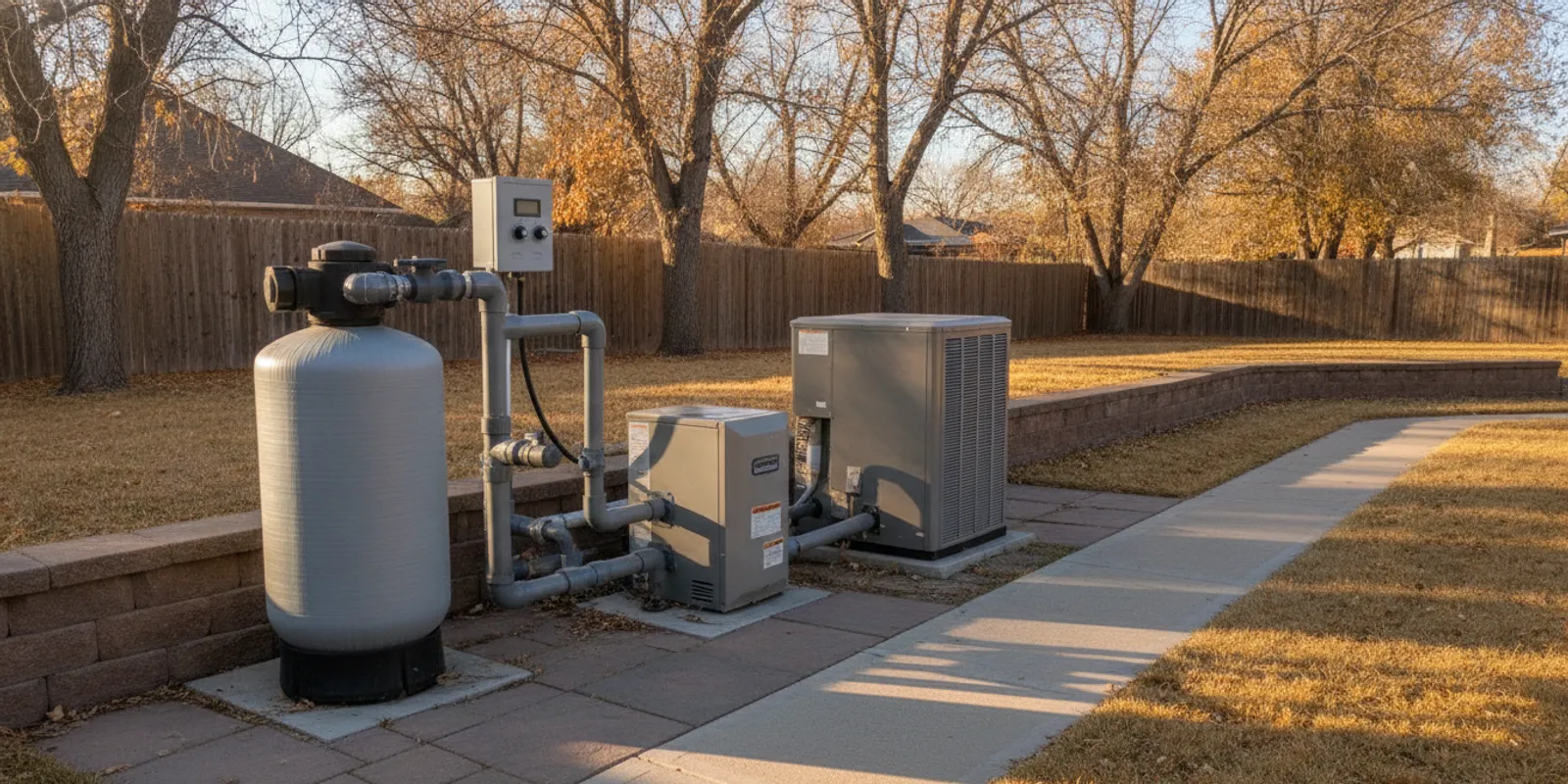
When planning connected work, keep the scope boundaries clear. Pool resurfacing, equipment repairs, and routine upkeep are different needs. If a proposal references a mechanical issue, compare it with the information on pool equipment repair and servicing. For continuing care after a renovation, review pool cleaning and maintenance. These pages provide service context; they do not add work to a remodel agreement.
Discuss your pool remodel estimate with Neptune Pools.
What should Denver-area owners confirm before signing?
Do one final pass through the entire document set, not just the signature page. This is a good time to compare the final estimate, scope, selection notes, schedule language, and any attachments. If someone made a correction, make sure it appears in the version you are signing and not only in an earlier email or draft.
- Does the scope name each included task and identify important exclusions?
- Do the material descriptions match the selections you have made?
- Are allowances explained, including what they cover and how differences are handled?
- Are the schedule expectations and update method clear without overstating certainty?
- Are payment amounts, due points, and the effect of approved changes understandable?
- Is there a written way to describe and approve proposed scope changes?
- Do the agreement, estimate, drawings, and referenced attachments agree?
- Do you know who to contact with a project question and how key decisions will be recorded?
- Do you have a complete copy of the signed documents and current selections?
If an item is significant and unclear, ask for clarification before signing. Homeowners and property managers coordinating a shared facility can also make sure the person approving the work has the same final scope and selection documents as the contractor. For service-area context, see Neptune Pools’ Denver-area locations information. Do not treat a service-area page as a project-specific commitment.
Request an estimate for your pool remodel.
Frequently asked questions
Is an estimate the same as a pool remodel contract?
Not necessarily. An estimate may outline proposed work and pricing, while the signed agreement and its attachments record the terms accepted for the project. Compare them and ask for differences to be resolved in writing before signing.
What does a pool remodel allowance cover?
An allowance is a budget amount for an item that may not yet be selected or fully priced. Confirm what is included in that amount and how the final selection will affect the total if it costs more or less.
Should a change to the project be documented?
Ask for a written record of the revised work, cost, schedule effect, and approval process. Keep the approved change with the original agreement so the current scope is easy to identify.
Can the contract promise a fixed completion date?
Read the schedule language and ask how updates and delays are handled. Weather, site conditions, or newly discovered work can affect an outdoor project, so confirm what the written schedule does and does not promise.
Get a clear next step for your pool remodel
A careful contract review helps you understand the planned work, the selections and allowances, and how timing, payments, and changes will be handled. Keep the final agreement and its attachments together so you can refer to the same written plan throughout the remodel.
Contact Neptune Pools to discuss your remodel project.
Taking time to resolve questions before signing can make the project expectations clearer for everyone involved.
Related Blogs