Solar Pool Heater Guide for Denver Homeowners
Denver pool owners evaluate heating differently than homeowners in milder climates. Strong sun can support seasonal comfort, but elevation, rapid weather changes, and freeze exposure still shape whether a system fits your property and routine.
A solar pool heater can use available sunlight to support pool heating during Denver's active season, generally April through October. Its value depends on site conditions, circulation compatibility, expected use, and how much supplemental heat you need. It should be evaluated separately from winterization because it does not protect pool lines and equipment from freezing.
The right decision starts with understanding what the system does, what it cannot do, and how it compares with other heating approaches. From there, a practical evaluation can account for sun exposure, equipment access, controls, maintenance, and a separate Colorado freeze-protection plan. If your existing setup needs troubleshooting or a compatibility review, schedule pool equipment repairs and servicing.
How a solar pool heater works
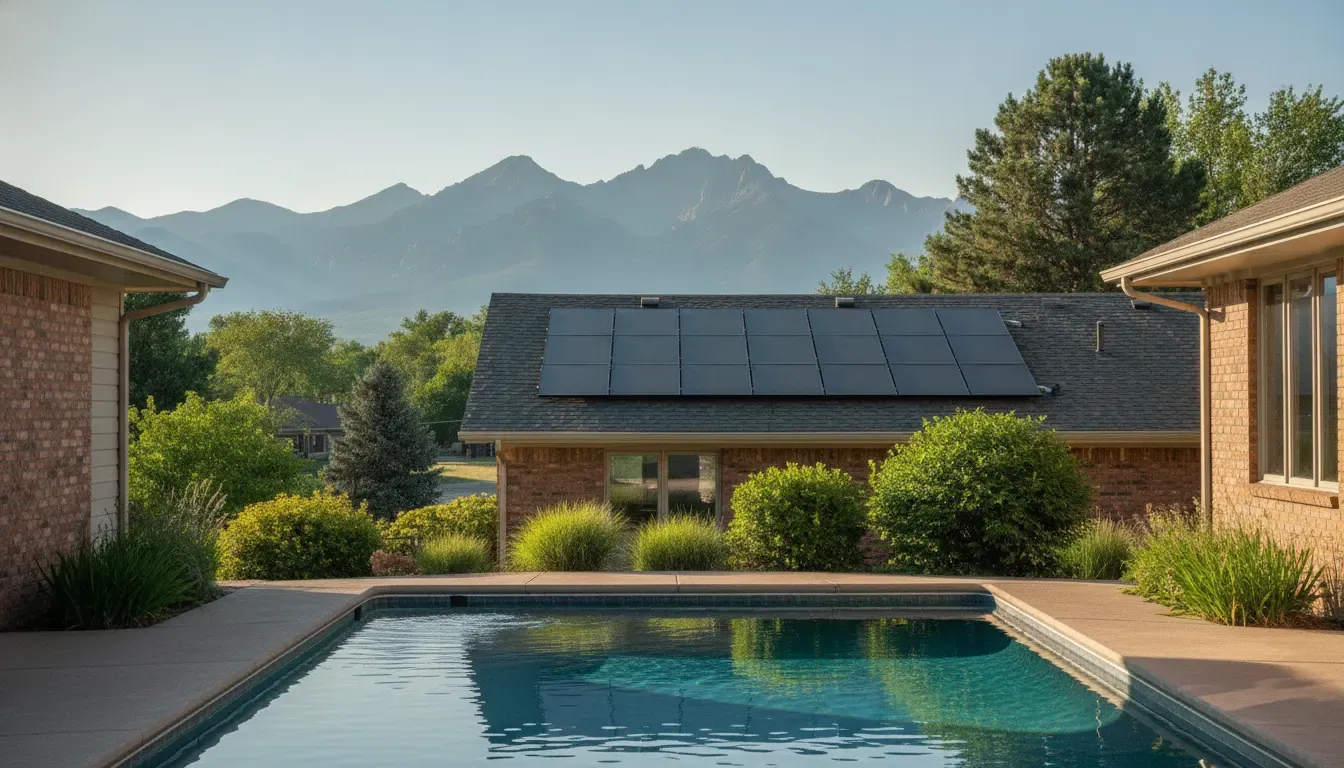
A solar pool heater uses the pool's existing circulation system to move water through solar collector panels, where sunlight warms the water before it returns to the pool. The collectors may be installed on a suitable roof, rack, or other location with adequate sun exposure. The system is not a separate pool with its own water supply. It works as part of a larger equipment system that includes the pump, filter, plumbing, valves, and controls.
Water circulation through the collectors
When heating is wanted, a control system can direct some or all of the circulating water through the collectors. Valves determine the water path, while sensors or automation can help decide when the collectors are useful. On a sunny day, the system circulates water through the panels and sends it back toward the pool. When conditions are unfavorable, the controls can reduce or stop flow through the collectors and return the system to its normal circulation route.
That routing makes installation compatibility important. The pump must provide appropriate circulation through the plumbing, the valves must be configured correctly, and the controls must coordinate with the rest of the equipment. A solar pool heater should be evaluated alongside the filter, pump, automation, and available plumbing rather than treated as an isolated upgrade.
Why a pool cover still matters
Heating the water is only one part of retaining comfortable conditions. A pool cover can reduce exposure to wind and evaporation when the pool is not in use. The benefit depends on the cover, weather, pool use, and how consistently it is used. A cover does not create heat. But it can help limit heat loss so the energy collected during the day is not quickly lost overnight or during changing weather.
Realistic limits in Colorado
Solar heating depends on available sunlight, shade, weather, circulation, and the amount of heat the pool loses. Denver's intense UV exposure does not eliminate the effects of cool nights, rapid temperature changes, or periods of limited sun. A solar system can support seasonal pool comfort, but it should not be described as a guaranteed replacement for every other heating option.
It also does not replace winterization or freeze protection. Closing procedures may include equipment shutdown, line blow-out, winter treatment, cover installation, and a winter risk inspection. Neptune Pools can evaluate how a solar system would fit with existing pool equipment, controls, and Colorado operating conditions through pool equipment repairs and servicing.
Is a solar pool heater a good fit for a Denver pool?
A solar pool heater can be a practical part of a Denver pool-heating plan when the site receives consistent sun and the system can be installed where collectors are accessible for inspection. The right fit depends less on the label on the equipment and more on how your property, pool, and operating habits work together.
Start with sun, shade, and placement
Look at the pool area and possible roof or rack locations throughout the active season, not only on a clear spring day. Nearby trees, taller buildings, roof angles, and afternoon shade can affect how much direct sunlight reaches the collectors. A location that looks sunny in the morning may be shaded during the hours your pool circulates. Roof or rack placement also needs to account for safe access, plumbing runs, structural considerations, and future service. These details should be evaluated before choosing equipment.
Denver's intense UV exposure and fast-moving weather make durable installation and accessible maintenance important. A professional should be able to inspect connections, circulation equipment, valves, and controls without treating the solar system as a set-and-forget addition. For a broader look at efficient equipment choices, see Neptune Pools' energy-efficient pool equipment guidance.
Match the system to how you use the pool
Pool surface area, water depth, desired swimming temperature, and cover use all affect the practical value of supplemental heat. A cover can reduce heat loss when the pool is not in use, while an uncovered pool may lose heat more quickly through evaporation and changing weather. If your household swims mainly on sunny afternoons, available solar exposure may align well with your routine. If you want dependable heating at specific times regardless of cloud cover or a sudden temperature drop. You may need to compare solar with other heating options or consider a hybrid approach.
Keep Denver's season and winter risks in view
Neptune generally treats April through October as the active pool season in this region. That window includes strong sunny periods, but it also includes rapid temperature changes and cool nights. Set realistic expectations for seasonal support rather than assuming a solar pool heater will deliver the same result every day. High-altitude chemistry, hard-water staining, freeze exposure, and weather swings also make ongoing equipment attention part of the decision.
Solar heating does not replace winterization. Before freezing conditions, pool equipment may require shutdown, line blow-out, winter treatment, cover installation, and a risk inspection. Those steps protect plumbing and equipment separately from normal heating performance. A site evaluation that addresses both seasonal comfort and winter protection gives you a more reliable basis for deciding whether solar heating belongs in your Denver pool plan.
What should you compare before choosing pool heating?
Choosing a heating approach is less about finding one universally best system and more about matching the equipment to how your pool is used. Denver-area owners should compare the desired swimming season, available sun, existing circulation equipment, control preferences, and the amount of hands-on maintenance they are willing to manage. A solar pool heater may be a strong seasonal fit, but it should be evaluated alongside other options and a separate Colorado freeze-protection plan.
| Approach | Best fit | Controls and schedule | Maintenance considerations |
|---|---|---|---|
| Solar thermal | Seasonal pool use where suitable sun exposure and installation space are available. | Typically works with circulation and temperature controls. Performance depends on sunlight and operating conditions, so scheduling should reflect the available solar window. | Collectors, connections, valves, and related plumbing need inspection. The system does not replace winter closing or freeze protection. |
| Gas heater | Owners who value responsive heating and more control over when the pool is warmed. | Can be scheduled around planned use, subject to the condition and capacity of the existing system and controls. | Requires attention to ignition, water flow, combustion-related components, connections, and safe operation. |
| Heat pump | Owners seeking a dedicated heating system for regular seasonal use and compatible site conditions. | Works with temperature settings and automation when properly configured. The operating schedule should account for outdoor conditions and desired pool use. | Needs inspection of airflow, electrical components, water flow, controls, and general operating efficiency. |
| Hybrid approach | Properties where one system can support seasonal efficiency while another provides flexibility during less favorable conditions. | Requires coordinated controls and clear priorities for when each heating source operates. Automation can help manage schedules and alerts. | More equipment means more components to inspect, configure, and winterize. Service access and control compatibility matter from the beginning. |
Compare the whole system, not just the heater
Before selecting equipment, review the pump, filter, valves, plumbing, automation, and available service access as one system. Existing equipment may influence how a new heater is connected and controlled. Neptune supports gas heaters, heat pumps, solar systems, pumps, filters, and automation, so an evaluation can address compatibility rather than treating the heater as an isolated purchase. Review energy-efficient pool equipment with the full operating setup in mind, and keep winter shutdown, line blow-out, and freeze-risk inspection separate from the normal heating decision.
What should a professional solar pool heater evaluation include?
A professional evaluation should connect the heater to the way the pool is actually used, the conditions around the property, and the equipment already in place. In Denver Metro, that means looking beyond the collector itself. Sun exposure, rapid weather changes, circulation, controls, and winter protection all affect whether the system can operate reliably.
- Start with pool use and seasonal goals. The evaluation should document who uses the pool, how often it is used, and which months matter most. A household seeking comfortable water for occasional summer use may have different priorities from an HOA or commercial operator that needs predictable operation during a longer active season. The discussion should also cover desired comfort, existing heating equipment, and whether the solar system is intended to supplement another heater.
- Inspect sun, shade, and collector placement. The technician should assess available sunlight across the intended operating window, including shade from trees, nearby buildings, roof features, and changing sun angles. Collector location should be reviewed alongside roof or rack condition, weather exposure, safe access, and how the placement affects future service. A location that looks open at midday may not provide the same exposure throughout the season.
- Trace circulation and plumbing compatibility. The evaluation should follow the path between the pool, pump, filter, valves, collector, and return lines. It should identify how water will be routed, whether the existing circulation equipment can support the configuration, and where isolation or bypass valves may be needed. Filter condition, pump operation, and flow-related concerns deserve attention before a new heating component is added.
- Review controls and operating decisions. A professional should explain how temperature sensing, valves, automation, and scheduling will work together. If the pool uses an existing automation system, the evaluation should address compatibility, seasonal programming, alerts, and manual override procedures. Homeowners should leave knowing what the system can control and which decisions still require observation or service.
Schedule pool equipment repairs and servicing.
- Plan for access and ongoing service. The collector, valves, sensors, pump, filter, and controls should remain reachable for inspection, troubleshooting, cleaning, replacement, and configuration. Neptune Pools supports solar systems alongside pumps, filters, heaters, and automation, so the evaluation should consider the complete equipment set rather than treating the solar component in isolation.
- Create a separate winter freeze-protection plan. Solar heating does not replace Colorado winterization. The plan should specify when equipment is shut down, how lines are blown out. How water levels and winter chemicals are handled, and how the cover and equipment are inspected. Freeze protection should account for the pool's plumbing and all connected equipment, not just the collector. Neptune's closing service includes equipment shutdown, line blow-out, winter treatment, cover installation, and a winter risk inspection.
The result should be a clear operating and service plan, including what is being evaluated now. What requires monitoring during the pool season, and what must happen before freezing weather arrives.
How do you maintain a solar pool heater in Colorado?
Maintenance starts with the pool water, not just the heating equipment. During each service visit, water should be tested and balanced, with chemical dosing adjusted as needed. Colorado's high-altitude conditions, hard-water staining, intense UV exposure, and rapid weather changes can all affect pool operation. Balanced water helps protect the circulation system and gives the heater a more stable environment.
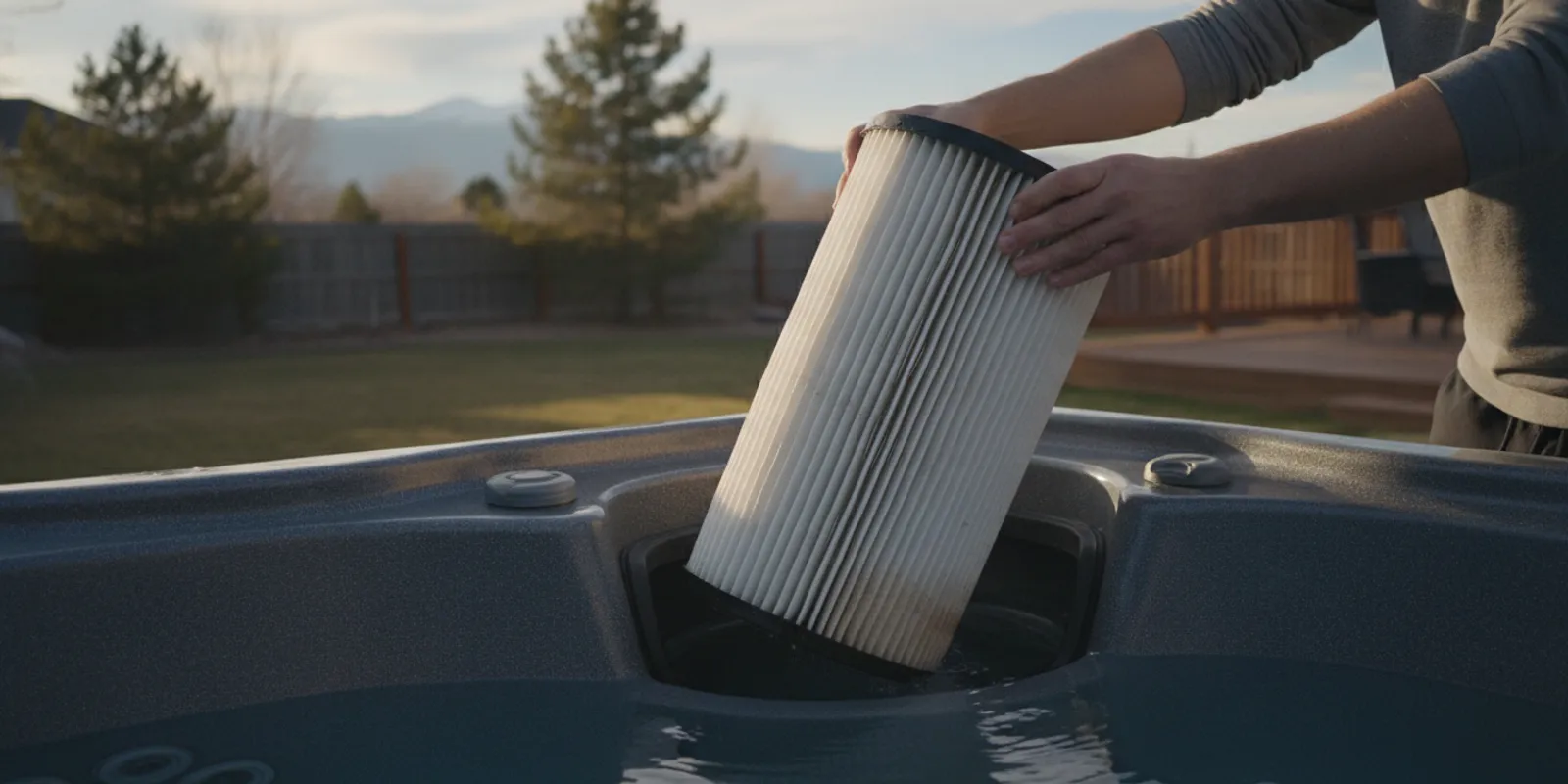
A practical inspection should also include the pump, filter, skimmer, valves, visible plumbing, and controls. Confirm that water is circulating correctly and that the system's controls are communicating with the rest of the equipment. Look for leaks, unusual noise, damaged insulation, loose connections, clouded filter components, and debris that could restrict flow. Filter and skimmer checks matter because poor circulation can reduce heating performance and place unnecessary strain on the equipment.
Collectors and their connections deserve a careful visual review as well. Check for visible damage, blocked surfaces, loose fittings, or signs of leaking. But do not climb onto a roof or elevated collector system without appropriate training and fall protection. Safe access is part of responsible maintenance. A qualified technician can inspect locations that are difficult or hazardous for a homeowner to reach, then document findings in an electronic service report.
Plan for the full Colorado season
Neptune's active pool season generally runs from April through October, but equipment maintenance continues year-round. Before opening, have the circulation system, controls, and heater inspected. During the operating season, keep up with water testing, filter and skimmer checks, and visible equipment inspections. At closing, reduce the risk of freeze damage with a separate winterization plan that addresses the entire system.
A solar pool heater does not replace freeze protection. Closing service may include equipment shutdown, line blow-out, winter treatment, cover installation, and a winter risk inspection. The goal is to protect lines, pumps, filters, valves, and other equipment when temperatures fall. For additional guidance, review Colorado pool heater maintenance and pool equipment freeze protection.
Schedule pool equipment repairs and servicing.
Frequently Asked Questions
Are solar pool heaters worth it in Denver?
They can be a practical fit when your pool has suitable sun exposure, you use it mainly during the warmer season. And your goal is to extend comfortable swimming without relying on one heating method alone. Denver's rapid weather changes, shade, desired water temperature, and existing equipment all affect the decision. A site and equipment evaluation is more useful than assuming every pool will receive the same result.
Can I run a pool heater on solar power?
A solar thermal system can use collected sunlight to support pool heating through the pool's circulation system. It still depends on compatible plumbing, controls, pump operation, and available sunlight. It also does not replace a separate winterization plan. In Colorado, equipment shutdown, line blow-out, winter treatment, and risk inspection remain important freeze-protection steps.
How long does a solar pool heater typically last?
Service life depends on the specific system, installation quality, exposure, water chemistry, and maintenance history. There is no single lifespan that applies to every solar pool heater. Ask for the equipment model, installation details, inspection findings, and replacement-part availability before relying on a generalized number.
What maintenance does a solar pool heater need?
Maintenance should include checking circulation and controls, inspecting connected equipment, testing and balancing water chemistry, and confirming that filters and skimmers are working properly. In Denver, technicians should also consider freeze exposure, hard-water staining, rapid temperature changes, and intense UV exposure. Seasonal maintenance generally continues even when the active pool season ends in October.
Does a solar pool heater prevent freeze damage?
No. Heating performance and freeze protection are separate concerns. A solar system alone should not be treated as protection for pool lines, pumps, filters, or other equipment. Before freezing weather, use a documented closing plan that addresses equipment shutdown, line blow-out, winter treatment, cover installation, and a winter risk inspection.
Ready to Evaluate Pool Heating for Your Denver Home?
A professional equipment evaluation can help you compare solar heating with other options, account for your pool's exposure and plumbing, and keep freeze protection in the plan. Neptune Pools has served Denver-area pool owners since 1982, with support for heating equipment, controls, and seasonal service. Contact Neptune Pools to schedule an equipment evaluation or discuss seasonal pool heating service.
Related Blogs