Weekly Hot Tub Maintenance Service in Denver: What to Expect

A neglected hot tub can develop cloudy water, scale, unpleasant odors, weak jets, heating problems, or leaks. By the time one of these issues becomes obvious, the underlying cause may already require professional attention. Regular maintenance gives you a practical way to protect the water, equipment, and surfaces while keeping the spa ready for use. That routine matters even more in Denver, where dry air, dust, snow, and freezing temperatures can affect outdoor spas throughout the year. A weekly hot tub maintenance service in Denver can manage recurring care and document changes in your system. Learn which tasks belong on a weekly checklist and how professional service can simplify ownership.
Ready for a cleaner pool?
Denver's trusted pool care professionals since 1982. Get started today.
Schedule ServiceKey Takeaways
- Choose complete weekly care: Look for water testing, chemical balancing, surface cleaning, filter care, equipment checks, cover inspections, and service records.
- Prepare for Denver’s weather: Monitor evaporation, dust, water levels, freezing temperatures, and cover condition to help protect your spa throughout the year.
- Compare providers carefully: Review pricing, included tasks, chemical policies, repair approvals, technician credentials, scheduling, and follow-up documentation before signing up.
What Does Weekly Hot Tub Maintenance in Denver Include?
Weekly hot tub maintenance involves more than removing leaves from the water. A complete service visit should address water chemistry, surface cleaning, filtration, circulation, equipment, and safety. This routine is especially useful in Denver, where dry air, dust, temperature swings, and freezing weather can affect water levels and spa components.
A professional technician should follow a consistent checklist and adjust the service based on your hot tub’s age, condition, equipment, and usage. Neptune Pools provides spa services for homeowners and property managers throughout the Denver Metro area, with a focus on dependable care and clear communication.
Test and balance the water
Testing the water is one of the most important parts of every maintenance visit. A technician checks pH, sanitizer, alkalinity, and other levels that affect water quality. Balanced water feels more comfortable, helps sanitizer work correctly, and protects the shell, heater, pump, and plumbing. When the chemistry is off, you may notice cloudy water, unpleasant odors, skin irritation, or scale around the waterline.
The technician should add chemicals in measured amounts based on the test results rather than guessing. Water may need additional attention after heavy use, rain, a drain and refill, or an extended period without service. Regular testing can also reveal patterns, such as unusually fast sanitizer loss or recurring cloudiness. Neptune Pools provides pool and spa chemicals to support consistent water care between professional visits.
Clean the shell, seats, jets, and waterline
Weekly cleaning removes body oils, dirt, hair, and debris from the surfaces that receive the most contact. A technician should clean the shell, seats, pillows, jet faces, steps, and waterline using products that are safe for spa surfaces. This helps prevent residue from hardening into scale or creating a slippery film.
Jets need careful attention because buildup can affect water flow and make the fittings difficult to adjust. The waterline may also develop a visible ring from oils and evaporated water. Cleaning it regularly makes stains easier to remove and keeps the spa more comfortable. While cleaning, the technician can look for cracks, discoloration, loose fittings, or surface damage. They should explain whether each issue needs immediate attention or can simply be monitored during future visits.
Clean filters and check circulation
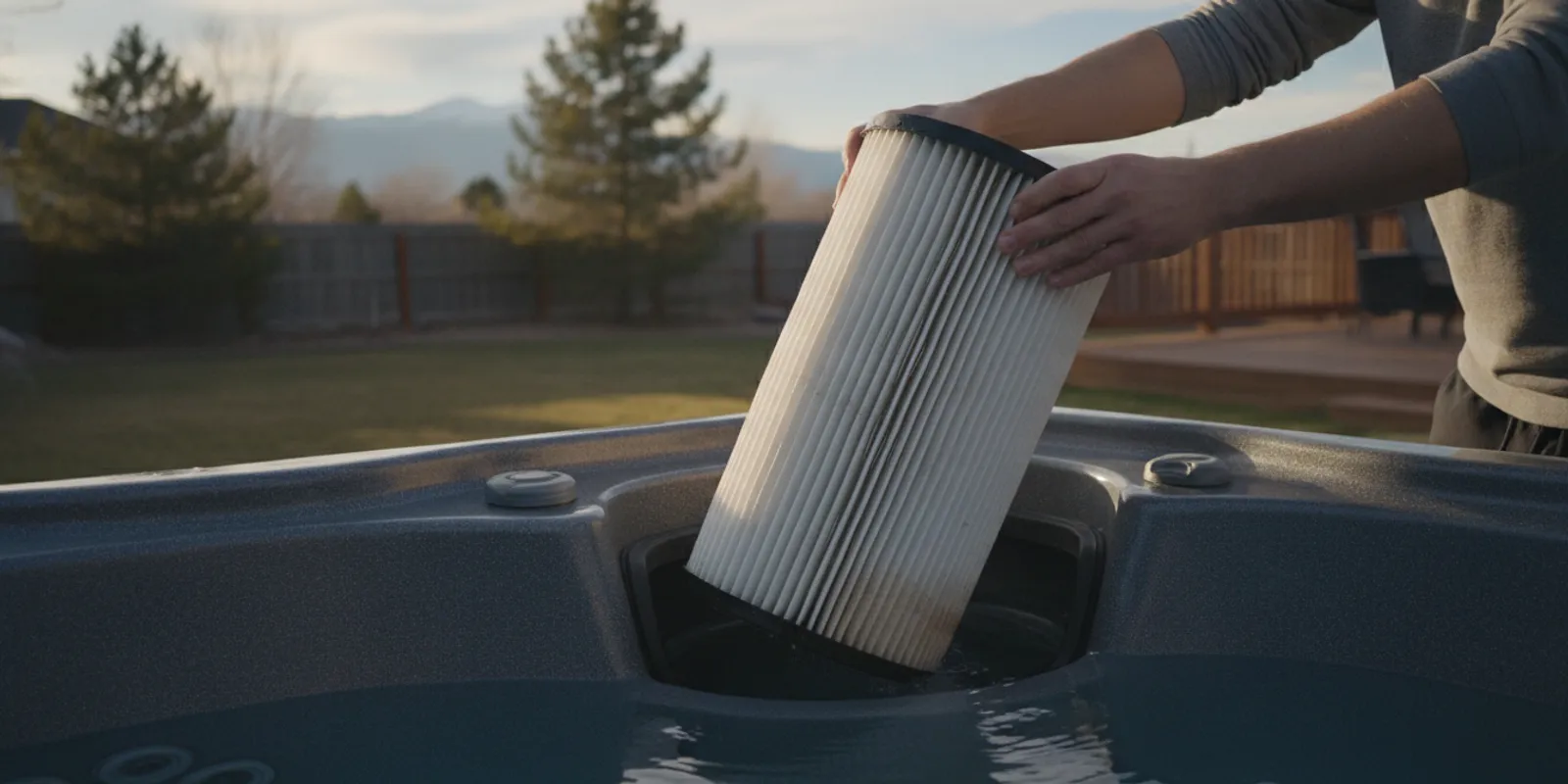
Spa filters collect oils, dust, hair, and other particles. As debris builds up, a filter can restrict water flow and make the pump work harder. Weekly maintenance should include checking the filter, rinsing it when necessary, and recording when a deeper cleaning or replacement is due. The right schedule depends on usage, water quality, and the filter manufacturer’s instructions.
The technician should also verify that water is moving properly through the pump, filter, heater, and jets. Poor circulation can leave some areas untreated, contribute to cloudy water, and create uneven temperatures. Hot tub cleaning guidance also emphasizes regular filter care and circulation checks. During the visit, the technician can listen for unusual pump sounds and check for weak jet pressure, air in the plumbing, or other signs of restricted flow.
Inspect the pump, heater, plumbing, leaks, and safety features
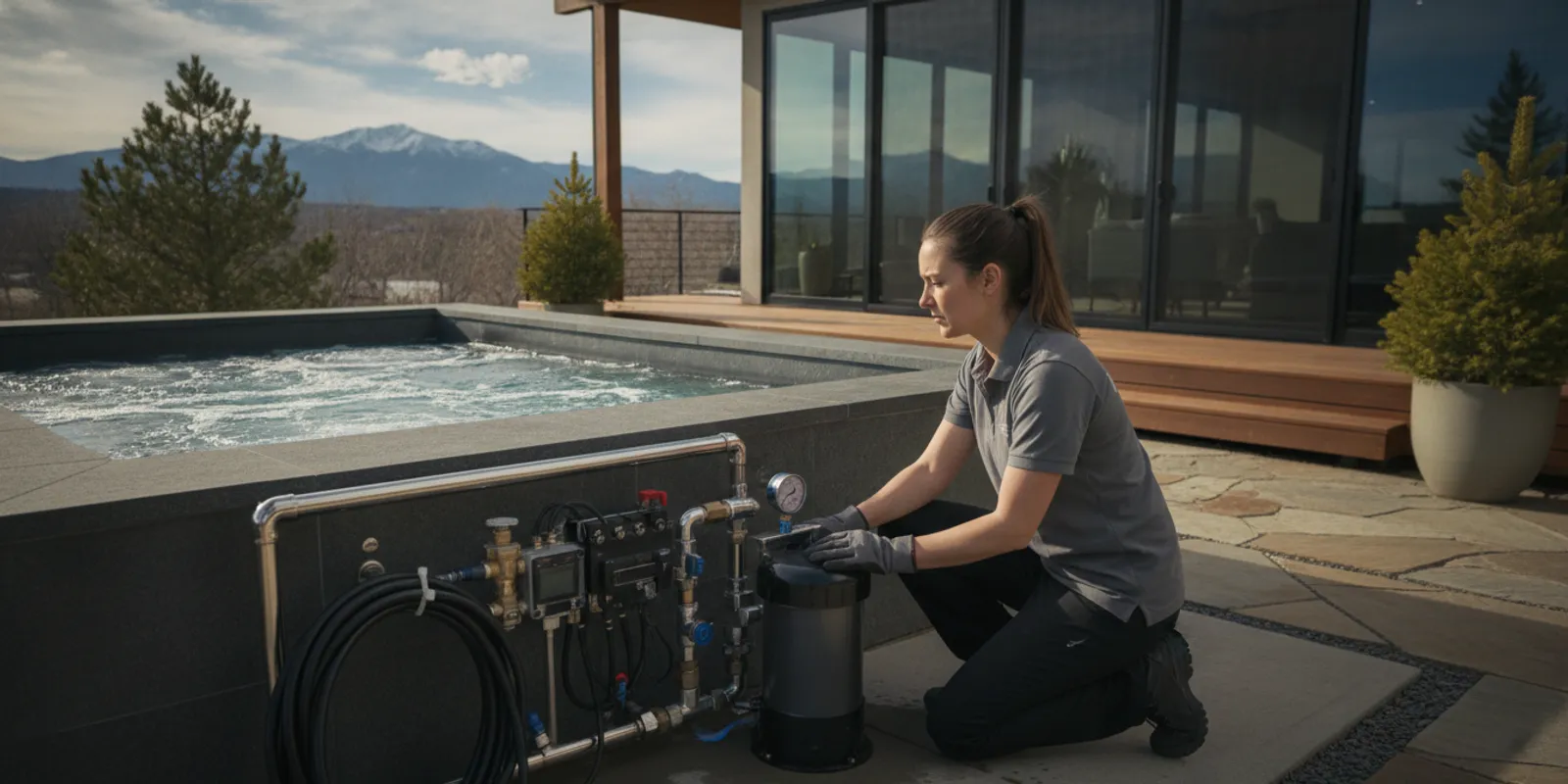
A weekly visit should include the equipment area, not just the water. The technician checks the pump, heater, control panel, valves, plumbing connections, and accessible lines for leaks, corrosion, cracks, and unusual sounds. Even a small drip can become a larger problem if it continues unnoticed or reaches electrical components.
The inspection should also cover safety features, including GFCI protection, the breaker, cover condition, handrails, steps, and access around the spa. Electrical safety devices should never be bypassed or repeatedly reset without finding the cause of the problem. If the hot tub is not heating, cycles unexpectedly, or displays an error code, equipment repair and servicing may be necessary. Early attention can help prevent water loss, equipment damage, and an unexpected service interruption.
Check the cover, water level, and access
The cover helps keep debris out and retain heat, so it should be inspected during every visit. A technician can check for torn seams, waterlogged foam, broken straps, damaged handles, and gaps that allow heat to escape. The cover should fit securely and remain easy to remove without creating a safety concern.
Water level is just as important. If the water gets too low, the pump and heater may not operate correctly. Denver’s dry air can increase evaporation, particularly when the spa receives frequent use or the cover does not seal well. The technician should add water when appropriate and check for leak symptoms instead of assuming that evaporation is the only cause.
The area around the spa should also remain clear. Open access makes it easier to inspect equipment, reach shutoffs, and respond quickly if a problem occurs. For rental properties, a clear surrounding area also supports safer guest use.
Record service notes and flag repairs
Thorough maintenance includes clear service records. After each visit, the technician should note water test results, chemicals added, filter condition, water level, equipment observations, and completed work. These details make it easier to spot recurring issues and understand how the spa responds to changing weather or usage.
Service notes should identify recommended repairs and explain how urgent each one is. A worn cover strap may be suitable for routine replacement, while an active leak or electrical issue may require prompt attention. Ask whether the company will get your approval before starting repair work. Neptune Pools provides equipment repairs and servicing, allowing maintenance concerns to be reviewed by technicians familiar with spa equipment. Written records also help homeowners and property managers track expenses and plan future service.
Care for the spa between visits
Weekly service works best when the hot tub receives basic attention between appointments. Keep the cover secured, remove visible debris, and check the water level after heavy use. Avoid adding chemicals without current water readings, since over-treating the water can create problems just as under-treating it can. Rinsing off before use and keeping food and drinks away from the spa can also reduce debris and water contamination.
Do not place heavy objects on the cover or drag it across concrete. Both actions can damage the cover and shorten its service life. If the spa will be unused for an extended period, ask your provider whether it needs a special care plan, temperature adjustment, drain and refill, or additional inspection. For ongoing water care and cleaning, Neptune Pools offers spa services for Denver-area homes and properties.
How Much Does Weekly Hot Tub Maintenance Cost in Denver?
The cost of weekly hot tub maintenance in Denver depends on more than the number of visits. A service plan may include water testing, chemical balancing, filter care, surface cleaning, equipment checks, and service records. Some companies include chemicals in the base rate, while others bill separately for supplies and additional work.
When comparing estimates, review the complete service scope instead of choosing the lowest advertised price. A clear quote should explain what happens during each visit, which materials are included, and how the company handles repairs, drain-and-clean services, and other tasks outside routine maintenance.
Compare typical weekly pricing
National hot tub maintenance visits commonly range from about $155 to $320, according to hot tub maintenance cost information from Neptune Pools. Denver pricing may differ based on local labor rates, travel distance, spa size, access, and equipment condition.
Treat this range as a starting point rather than a guaranteed weekly price. Ask whether the quoted amount covers one visit, a recurring weekly plan, or a broader maintenance package. You should also confirm whether the estimate includes chemicals, filter cleaning, water testing, and basic adjustments. A written service scope makes it easier to compare similar plans from different companies.
Compare weekly and twice-monthly plans
Weekly service usually makes sense for spas that receive frequent use, have several users, or sit at a rental or managed property. Regular visits give a technician more opportunities to test the water, remove debris, and identify changes before they affect the spa or create a larger repair.
A twice-monthly plan may suit a lightly used spa when the owner handles basic care between visits. Ott Spas’ service guidance notes that biweekly maintenance can work well for many households, while monthly service may suit lower-use tubs. Your provider can recommend a schedule based on usage, water condition, and the amount of owner care you can manage between visits.
Review what the base rate covers
A base maintenance rate often covers a standard checklist, such as water testing, chemical adjustments, surface cleaning, and a basic equipment inspection. The exact scope varies by provider and visit frequency, so ask for the checklist in writing before scheduling service.
Confirm whether the technician cleans or rinses the filters, checks the cover and water level, records water readings, and reports concerns after each visit. You should also ask whether routine chemical adjustments are included or billed separately. Neptune Pools offers spa services for homeowners who want a defined care plan rather than handling every maintenance task themselves.
Account for chemicals, filters, drains, and repairs
Chemicals and replacement supplies can add to the cost of ongoing care. Neptune Pools estimates that recurring hot tub supplies may range from $120 to $360, depending on the products and the spa’s maintenance needs. These expenses may include sanitizer, pH and alkalinity products, testing supplies, cleaning materials, and filter care.
Draining and refilling a spa may cost extra, especially when the water needs a complete reset or the shell requires deep cleaning. Repairs are also usually outside the routine maintenance rate. Ask how the company handles worn filters, leaks, pump problems, and other issues through its equipment repair and servicing options.
Consider access, spa condition, usage, and equipment
Two spas with the same water capacity can require different amounts of care. A tub with easy access and well-maintained equipment may take less time than one behind a locked gate, beneath a heavy cover, or located far from the service vehicle. Share access details before requesting an estimate.
Usage also affects the maintenance workload. Frequent soaking can introduce more body oils, debris, and contaminants into the water. Older equipment may need closer monitoring, particularly when it includes aging pumps, heaters, sensors, plumbing, or controls. If a technician needs additional time to diagnose a concern, the company may charge for that work separately.
Compare one-time and recurring service
A one-time cleaning can help prepare a neglected spa for regular care, reopen it after an extended closure, or address cloudy water. Depending on the spa’s condition, the service may include draining, deep cleaning, refilling, chemical balancing, and filter care.
Recurring service focuses on maintaining the spa between visits and identifying changes earlier. Ask whether the company offers both options, along with pool and spa cleaning and maintenance. You may need a one-time reset before beginning weekly service, especially if the water is unbalanced or the equipment has not been inspected recently.
Request written estimates and approval policies
Request a written estimate that lists the visit frequency, included tasks, chemical charges, filter services, drain-and-clean pricing, and repair rates. The estimate should also explain how the company documents issues found during a visit and whether it contacts you before performing billable work.
A clear approval policy helps prevent unexpected charges. Find out whether technicians can make minor adjustments without approval, which repairs require authorization, and whether emergency or return visits cost extra. Ask how service notes and photos are shared, too. Written details make it easier to compare providers and choose a plan with clear expectations for your Denver home or property.
What Benefits Come With Professional Service?
A hot tub can appear clean while water chemistry, circulation, or equipment problems are already developing. Professional weekly service adds a consistent process to routine care, including water testing, surface cleaning, filter care, and equipment inspections. That regular attention helps identify small concerns before they interfere with comfort or require a more involved repair.
For Denver homeowners and property managers, scheduled service can also make care easier during dry weather, freezing temperatures, busy rental periods, or extended vacancies. A qualified technician can document the spa’s condition, complete routine maintenance, and recommend repairs when needed. Neptune Pools provides spa services for customers who want dependable care from a local team familiar with Colorado conditions.
Keep water safer and more comfortable
Balanced water feels better on the skin and helps protect the hot tub’s shell, plumbing, and equipment. During each visit, a technician can test important chemistry levels, add or adjust treatment products, and look for cloudy water, buildup, debris, or other visible concerns. This regular attention matters because warm water can change quickly when a spa receives frequent use.
Professional maintenance also helps keep the hot tub ready to use instead of leaving you with a long cleaning session before every soak. Service does not replace responsible use or the need to report changes between visits, but it provides a reliable routine for water care. The Centers for Disease Control and Prevention’s hot tub safety guidance explains why proper disinfectant and pH levels matter.
Spend less time testing and cleaning
Weekly hot tub care involves more than adding chemicals. Owners may need to test the water, wipe the shell and waterline, rinse filters, check the water level, clear debris, and confirm that the jets and circulation system are working properly. Keeping up with these tasks can be difficult when your schedule includes work, travel, family responsibilities, or property management duties.
A professional plan handles recurring maintenance on a set schedule, so you do not have to remember every task or fit it into a busy week. You can still monitor the spa between visits and report changes, while the routine work remains on the service calendar. Neptune Pools’ cleaning and maintenance service helps homeowners organize regular pool and spa care.
Catch leaks and equipment issues early
A small leak, unusual pump sound, weak jet, or inconsistent water temperature may signal a developing equipment problem. During a professional visit, a technician can inspect visible plumbing, equipment connections, circulation, controls, and other accessible components. Finding an issue early may allow you to address one worn part before it affects nearby equipment or the spa structure.
Regular visits also give technicians a clearer picture of how the hot tub performs over time. By comparing current conditions with previous service notes, they may notice changes that are easy to miss during occasional inspections. If a repair is needed, Neptune Pools can evaluate the issue through its equipment repair and servicing options, giving you a clear next step.
Extend the life of filters, pumps, heaters, and covers
Routine cleaning and balanced water help reduce unnecessary strain on a hot tub’s working parts. Filters collect debris and oils, pumps circulate water, and heaters maintain the selected temperature. When filters become clogged or water chemistry stays out of balance, equipment may work harder than it should. Regular care helps identify cleaning needs, worn components, and performance changes earlier.
A technician can also inspect the cover, which helps retain heat and keep debris out when the spa is not in use. A damaged, waterlogged, or poorly fitted cover may allow more contamination into the water and make temperature control less efficient. Professional service cannot prevent every failure, but consistent maintenance supports the conditions that help equipment perform reliably for longer.
Reduce surprise repairs and track service clearly
Professional maintenance does not prevent every unexpected repair, but it can make developing problems easier to identify. A technician who visits each week may notice a filter that needs replacement, a cover that is deteriorating, or a pump that has become louder than usual. Addressing these concerns early may give you more control over repair timing and planning.
Clear service records provide additional value for homeowners and property managers. Notes can show when the water was balanced, filters were cleaned, parts were replaced, or a repair was recommended. They also create a useful record for owners, tenants, and future service visits. Before scheduling, ask whether the company provides written findings and requests approval for work outside the regular maintenance scope.
Maintain consistent care for homes and properties
A regular schedule is especially helpful when several people use the hot tub or when no one lives at the property full time. Vacation rentals, second homes, apartment communities, and managed properties can all benefit from having one company responsible for recurring spa care. Consistent visits reduce the chance of missed maintenance during a busy week, tenant changeover, or owner absence.
Professional service also gives you a dependable point of contact for questions, repair recommendations, supplies, and seasonal adjustments. Property managers do not have to rely on residents or tenants to test water and report every concern. Neptune Pools provides supplies and chemicals along with pool and spa services, making routine care easier to coordinate through one local provider.
How Does Denver Weather Affect Hot Tub Care?
Denver weather changes quickly, and each season creates different demands for hot tub care. Freezing temperatures can damage plumbing and equipment, while dry air, strong sunlight, dust, and evaporation can affect water levels and chemistry. Even a covered spa needs regular attention to stay clean, safe, and ready to use.
A weekly service visit helps keep care consistent throughout the year. A technician can test the water, inspect the equipment, check the cover, and adjust the maintenance routine as conditions change. This matters for both homeowners and property managers, especially when a spa receives frequent use or sits outdoors without much shade. Neptune Pools provides spa services for homes and properties throughout the Denver Metro area.
Protect equipment from freezing
Cold weather can damage pumps, heaters, plumbing lines, and other components when water freezes inside the system. Before freezing temperatures arrive, confirm that the spa has the proper water level, reliable power, and steady circulation. A well-fitting cover also helps retain heat and keeps snow, ice, and debris away from the water.
Avoid draining a hot tub for an extended period unless a professional has completed the winterization process. Water can remain in hidden sections of the plumbing after an incomplete drain, creating a risk of freeze damage. If you will not use the spa during a cold period, ask a technician which temperature and circulation settings are appropriate. Winter preparation guidance also emphasizes checking water care and inspecting equipment before cold weather use.
If the pump, heater, or circulation system is making unusual sounds or failing to run, arrange an inspection promptly. Neptune Pools offers equipment repairs and servicing for hot tub components that need professional attention.
Manage dry air, dust, sun, and evaporation
Denver’s dry air can increase evaporation, particularly when a hot tub receives direct sunlight or the cover does not seal properly. As water leaves the spa, dissolved minerals and chemicals become more concentrated, which can affect water balance. Low water levels may also interfere with the skimmer and place additional strain on the pump.
Check the water level regularly and refill the spa with a clean water source when needed. Wipe dust and dirt from the cover before removing it, then use a skimmer to collect debris from the surface. Clean the waterline and rinse the filter according to the manufacturer’s instructions. Regular circulation is also important, especially for spas without an automatic circulation feature, as hot tub care guidance recommends circulating the water once or twice each day in those systems.
A secure, clean cover limits debris, reduces heat loss, and helps slow evaporation. Replace or repair a cover that has become heavy, waterlogged, cracked, or difficult to seal.
Adjust water chemistry with the seasons
Water chemistry can change with temperature, evaporation, rainfall, and spa usage. Hotter months often bring more frequent use and faster evaporation, which may require more regular testing and adjustments. During colder months, the spa may be used less often, but the water still needs sanitation, circulation, and routine testing.
Each service visit should include checks for sanitizer, pH, alkalinity, and any other levels recommended for the spa. A technician can make measured adjustments based on the test results instead of adding chemicals by guesswork. Incorrect chemical levels may irritate skin, damage surfaces, corrode equipment, or create cloudy water.
Filter condition also affects water quality. A dirty filter can restrict circulation and make it harder to maintain balanced water. Neptune Pools’ cleaning and maintenance service helps keep testing, cleaning, and seasonal adjustments on a regular schedule.
Check water levels during dry weather
Some water loss is normal in Denver’s dry climate, but a sudden or repeated drop can indicate a leak, a damaged cover, or a circulation problem. After refilling the spa, note the water level and check it again over the next few days. Keep the water within the range recommended by the manufacturer so the skimmer, pump, and heater can operate correctly.
Look for damp areas around the equipment pad, cabinet, decking, and nearby landscaping. Leaks can also develop at fittings or inside plumbing, where they may not be immediately visible. If you need to add water often, arrange an inspection rather than treating the issue as ordinary evaporation.
Running equipment with insufficient water can cause serious damage. A professional can determine whether the cause is weather-related evaporation, a poor-fitting cover, or a plumbing leak. Regular maintenance helps keep a hot tub clean, safe, and ready for use, as local hot tub maintenance guidance explains.
Prepare for vacations and extended low use
A hot tub still needs care while you are away. Before leaving, test the water, clean the filter, confirm the water level, and secure the cover. For a short trip, these steps may be enough. Longer absences may require a service visit so someone can check the water, inspect the equipment, and respond to changing weather.
Ask your technician whether to adjust the temperature or sanitizer level during the period of low use. Do not turn off the power without understanding how doing so could affect circulation and freeze protection. This is especially important during winter.
When you return, inspect the water before using the spa. Cloudiness, an unusual odor, low water, or equipment that is not running can indicate a problem. If something appears wrong, schedule a professional inspection before entering the water. Spa repair professionals recommend having a technician assess problems rather than continuing to use a malfunctioning hot tub.
Which Hot Tub Maintenance Schedule Fits Your Home?
The best hot tub maintenance schedule depends on how often you use the spa, who uses it, and how well the equipment is operating. A family that uses its hot tub several times a week will usually need more attention than a spa at a second home that sits covered for much of the season. Rentals, shared properties, and homes with children or frequent guests may also need more regular service.
Denver conditions matter, too. Dry air can increase evaporation, while dust, temperature changes, and freezing weather can affect water levels, chemistry, and equipment. A professional can assess your spa and recommend a schedule based on its condition and use. Neptune Pools provides spa services for homeowners and property managers throughout the Denver Metro Area, with support for routine water care, cleaning, and equipment concerns.
A schedule should also remain flexible. You may need more frequent visits after a repair, during a busy rental period, or when several people begin using the spa. If the water stays clear and balanced between visits, a less frequent plan may be suitable. The goal is consistent care that fits your home, not a schedule that creates unnecessary work or expense.
Choose weekly or biweekly service
Weekly service is often the right fit for a hot tub that receives frequent use. Regular visits allow a technician to test and balance the water, remove debris, clean the shell and waterline, and check for early signs of equipment trouble. This can help keep the water clear and comfortable when several people use the spa throughout the week.
Biweekly service works well for many homes with moderate use and a reliable cover routine. According to Ott Spas’ maintenance guidance, weekly care suits high-use spas, while biweekly service works well for many households. Monthly service may fit a lower-use spa, but the water should still be checked between visits. Usage, weather, water quality, and equipment condition should all guide the decision.
Plan for busy homes, rentals, and managed properties
Busy households often benefit from weekly service because frequent use introduces body oils, lotions, debris, and other contaminants into the water. Regular care keeps cleaning and water testing from piling up between uses, especially when the spa is part of your family’s weekly routine.
Rental homes, vacation properties, and managed communities also need a dependable plan. Between guests or residents, a technician can test the water, check the cover, confirm that the jets and circulation system are working, and report concerns with the heater or plumbing. Service records give property managers a clear history of visits and identified issues. A consistent schedule is especially useful when no one lives nearby to inspect the spa. Companies that serve both households and property managers, such as Your Water Care, recognize the value of regular, documented service.
Address older spas and recurring issues
An older hot tub or one with repeated problems may need more attention than a newer spa in good condition. Cloudy water, low water levels, weak jets, unusual noises, and frequent chemical adjustments can point to a filter, pump, heater, plumbing, or leak issue.
More cleaning visits may manage the symptoms, but they will not fix a failing component. If problems continue after routine care, arrange a professional inspection. Neptune Pools’ equipment repair and servicing can help identify the source of the issue and determine whether the spa needs a repair, replacement part, or more extensive work. Addressing the cause early may prevent a minor concern from affecting additional equipment.
Consider one-time, seasonal, or owner-assisted service
Recurring weekly service is not the only option. A one-time cleaning can prepare a neglected spa for use, while seasonal service may suit a vacation home or a hot tub that sits unused for part of the year. You can also combine professional visits with simple owner care between appointments.
With an owner-assisted plan, a technician handles detailed cleaning, water testing, filter care, and equipment checks while you follow a manageable routine. That may include checking the water level, removing debris, rinsing the filter as directed, and keeping the cover secure. Ask which tasks are safe to handle yourself and which require a technician. Neptune Pools also offers supplies and chemicals to support routine care between professional visits.
Adjust care after repairs, renovations, or usage changes
Your maintenance schedule should change when the spa’s condition or use changes. More frequent use, a new household, a rental arrangement, or a change in the number of guests may call for weekly visits. The same applies after a long period without service, a major repair, or a remodel.
After repairs or renovations, closer monitoring can confirm that the water chemistry, circulation, and equipment are working properly. Once the spa remains stable, you may be able to return to a less frequent plan. Reassess the schedule if you notice recurring issues, replace the cover, change the spa’s location, or begin using it during a different season. A written service plan makes these changes easier to track and discuss with your technician.
How Can You Find Reliable Weekly Hot Tub Service in Denver?
Finding a dependable hot tub service company requires more than comparing a few weekly rates. The right provider should follow a repeatable maintenance process, understand local weather conditions, communicate clearly, and explain what happens when a technician finds a problem. Before you hire anyone, ask what each visit includes, who will perform the work, how service notes are shared, and whether repairs require your approval.
Compare complete service plans instead of focusing only on the lowest advertised price. A plan that includes water testing, chemical balancing, filter care, equipment checks, and follow-up communication may offer better value than a basic cleaning that comes with several add-on charges. It is also helpful to choose a company that can handle routine maintenance and more involved repairs as your needs change.
Choose a company with Colorado experience
Local experience matters because Denver-area spas deal with dry air, dust, temperature swings, and winter freezes. These conditions can increase evaporation, affect water chemistry, and place added strain on covers, plumbing, pumps, and heaters. A provider familiar with Colorado homes will know what to check as the seasons change.
Ask whether the company regularly services hot tubs in the Denver Metro area and understands local equipment concerns. You can also ask how the team prepares spas for freezing weather and extended periods of low use. Neptune Pools serves local homeowners and property managers with dedicated spa services, making its local knowledge relevant when comparing providers.
Verify technician training, certification, and insurance
Ask who will service your hot tub and what training they receive. Technicians should understand water testing, chemical handling, circulation systems, pumps, heaters, and basic electrical safety. Certifications can provide additional reassurance, although hands-on experience and careful workmanship matter just as much.
Confirm that the company carries appropriate insurance before allowing technicians onto your property. Insurance helps protect you and the provider if an accident or property damage occurs during service. It is also worth asking whether the same technician, or a consistent team, will visit your home. Familiarity with your spa can make it easier to notice unusual sounds, recurring leaks, or changes in water quality.
Confirm the weekly maintenance checklist
A weekly visit should follow a defined checklist rather than a quick visual inspection. Ask whether the service includes water testing, chemical balancing, debris removal, shell and waterline cleaning, filter checks, water-level checks, and an inspection of the pump, heater, jets, plumbing, and cover.
Request a written description of the standard visit and ask what falls outside the base rate. Deep cleaning, filter replacement, draining, excessive debris, and repairs may cost extra. Neptune Pools provides cleaning and maintenance services, which can help you compare the scope of regular care with other Denver providers.
Ask about pricing and repair approvals
Before service starts, ask how the weekly rate is calculated and whether chemicals are included. You should also confirm how the company bills for replacement filters, drain-and-refill visits, emergency calls, additional cleaning, and equipment repairs. A clear estimate makes it easier to compare plans accurately.
Find out what happens when a technician discovers a faulty pump, damaged cover, leak, or water-quality issue. The company should explain the problem, provide a repair estimate, and request your approval before completing non-urgent work. Neptune Pools offers equipment repairs and servicing, so you can ask how maintenance findings are handled when a repair is needed.
Assess scheduling and technician consistency
Weekly service only works when visits happen consistently. Ask how appointments are scheduled, whether you receive a service window, and how the company handles holidays, severe weather, or technician absences. A reliable provider should have a clear process for rescheduling a missed visit and communicating any changes.
Ask whether one technician or a small team will care for your spa. Consistent technicians become familiar with your equipment and can identify changes sooner. If you manage a rental property or several homes, confirm how the company handles access instructions, service windows, and records for each location. This detail can prevent missed visits and confusion between property owners, managers, and technicians.
Check reviews, records, communication, and follow-up
Reviews can show whether a company arrives as promised, communicates well, and responds when a problem occurs. Look for feedback about recurring maintenance instead of focusing only on one-time cleanings. Pay attention to comments about punctuality, water quality, repair recommendations, billing, and follow-up after service.
Ask what documentation you receive after each visit. Useful records may include water test results, chemicals added, filter condition, equipment observations, photos, and recommended repairs. Clear notes help you track recurring issues and share updates with a property manager or household member. The provider should also explain findings in plain language and tell you which issues need immediate attention.
Confirm supply, chemical, and repair services
A full-service company can simplify hot tub care by handling more than cleaning. Ask whether it supplies the chemicals, filters, and other products your spa needs, and whether it can complete repairs when routine maintenance reveals a problem. Working with one provider may reduce delays between diagnosis, parts, and repair.
Confirm whether the company can support your spa after equipment replacement, renovation, or an extended period of neglect. Neptune Pools offers supplies and chemicals, along with remodel and rehabilitation services. These services can be useful when an older spa needs more extensive work than standard weekly maintenance.
How Can You Save on Denver Hot Tub Maintenance?
Professional hot tub care can fit a household or property budget when you compare service plans carefully. Start by looking beyond the advertised rate. Ask what each visit includes, whether chemicals and filter care are part of the price, and how the company handles repairs or extra work.
Regular maintenance can also help control long-term costs. Consistent water testing, cleaning, and equipment checks may identify a circulation problem, leak, or heater issue before it causes more extensive damage. When comparing providers, consider the full service scope, scheduling reliability, technician experience, and communication process along with the price.
Ask about recurring-service and pool-and-spa discounts
If you own both a pool and a hot tub, ask whether the company offers a combined service rate. One provider may be able to care for both systems during the same visit, which can simplify scheduling and reduce separate trip charges. You can also ask whether weekly or twice-monthly service costs less than booking individual appointments.
When requesting a quote, explain how often you want service, whether you need chemical care, and whether the hot tub is used throughout the year. Pricing may vary based on access, equipment condition, and the work included. Homeyou’s Denver hot tub cost guide recommends contacting local contractors directly when comparing maintenance options.
Check seasonal, new-customer, and loyalty offers
Ask whether a provider offers a new-customer promotion, seasonal rate, or loyalty discount. Some companies reduce the cost for recurring service, while others offer savings during slower periods. If you also need pool maintenance, ask whether a pool-and-spa package is available.
Seasonal promotions may apply to products as well as service visits. Retailers often advertise offers around holiday weekends, Black Friday, and end-of-year clearance events, according to this guide to hot tub sale timing. Discounts may cover filters, covers, water care products, or accessories instead of maintenance, so confirm the details before purchasing.
Review prepaid plans and contract terms
A prepaid plan may lower the cost per visit, but review the agreement before committing. Confirm the number of included appointments, the start and end dates, and whether unused visits expire. Ask if you can pause service during a vacation or a period of low use, and check the cancellation notice requirements.
Also, find out how the company handles repairs. A maintenance visit may reveal a failing pump, heater, or circulation problem, but replacement parts and repair labor are often separate charges. Ask whether the technician will contact you for approval before performing additional work. Written terms make it easier to compare plans and avoid unexpected costs.
Confirm promotion terms, exclusions, and add-ons
A low promotional rate may exclude services you expect. Before accepting an offer, ask if it covers water testing, chemical balancing, filter cleaning, surface cleaning, waterline care, and basic equipment checks. Confirm whether drain-and-refill service, filter replacement, cover cleaning, or extended visits cost extra.
Some offers include useful additions such as a water care kit, cover, steps, delivery, or installation support. These extras can add value when you need them, but they should not influence your decision if they are unrelated to your property. Hot tub package upgrades can vary widely, so ask for an itemized explanation of what is included and what is optional.
Compare total value, not just introductory pricing
The lowest advertised rate is not always the least expensive choice over time. Compare the number of visits, tasks completed during each visit, chemical policies, travel charges, and response times for equipment concerns. A slightly higher rate may provide more complete care and help identify a small problem before it leads to a larger repair.
Ask how the provider responds to leaks, cloudy water, heating problems, and circulation failures. Repair knowledge matters because hot tubs combine water, electrical components, and mechanical equipment. Pool & Spa Medics advises professional evaluation for Denver spa problems, reinforcing the importance of including repair support in your comparison.
Ask which offers are available
When requesting a quote, ask directly about every offer that may apply. Mention whether you need weekly maintenance, pool-and-spa care, chemical delivery, supplies, equipment repairs, or seasonal support. You can also ask whether consultations are free and whether simple water care questions can be answered by phone.
Request the offer, service schedule, and additional charges in writing. This gives you a clear basis for comparing providers and helps prevent misunderstandings later. Neptune Pools provides spa services, as well as cleaning and maintenance, supplies, and equipment support for Denver Metro homeowners and property managers.
Why Choose Neptune Pools for Denver Hot Tub Maintenance?
A hot tub should be ready when you want to use it, not waiting on a long list of water care tasks or unresolved equipment problems. Regular maintenance helps keep the water comfortable, the surrounding area clean, and the spa equipment operating as it should.
Neptune Pools provides hot tub maintenance for homeowners and property managers throughout the Denver Metro area. The team can handle routine cleaning, water care, equipment inspections, repairs, and larger renovation projects. This gives you one local company to call as your spa needs change.
Professional service is especially helpful when your hot tub sits outdoors year-round. Denver’s dry air, temperature changes, snow, and freezing conditions can affect water levels, covers, plumbing, heaters, and pumps. A consistent maintenance plan makes it easier to monitor these concerns and address problems before they interfere with your use of the spa.
You also receive clear service details and practical recommendations based on your hot tub’s condition. Whether you need weekly maintenance, help with a recurring equipment issue, or advice about restoring an older spa, Neptune Pools can help you determine the right next step.
Schedule weekly pool and spa maintenance
Weekly service helps keep your hot tub clean, comfortable, and ready for use. During scheduled visits, a technician can test and balance the water, clean key surfaces, check the filter, and look for signs of equipment trouble. Consistent care also makes it easier to notice changes before they become more disruptive problems.
If your property includes both a pool and a spa, arranging both services through one company can simplify your maintenance routine. Neptune Pools provides pool and spa cleaning and maintenance for Denver-area properties. Keeping service with one team also gives you a central place for scheduling, questions, and maintenance records.
Get spa services, water care, supplies, and chemicals
Hot tub care involves more than removing leaves and debris. Water chemistry needs regular attention to help protect bathers, spa surfaces, plumbing, and equipment. Water that is out of balance may cause irritation, scale, cloudy water, or unnecessary wear on components.
Neptune Pools provides spa services, including water care and chemistry management for spas that need regular professional attention. You can also purchase the supplies and chemicals needed for care between visits through the company’s supplies and chemicals service. Having access to suitable products makes routine upkeep easier and helps you avoid guessing about what your spa needs.
Request equipment repairs and servicing
A noisy pump, weak jets, slow heating, cloudy water, or repeated water loss may point to an equipment or plumbing issue. These symptoms do not always reveal the actual cause, so replacing a part without an inspection may not solve the problem.
Neptune Pools technicians can evaluate the system and explain the recommended repair. The company’s equipment repairs and servicing includes support for pumps, heaters, filters, plumbing, and other spa components. A timely inspection can help identify worn parts and reduce the chance that a small issue affects additional equipment.
Restore aging pools and spas with remodels
Older hot tubs may need more than routine cleaning and minor repairs. Cracked surfaces, worn finishes, outdated equipment, damaged surrounding materials, or an inefficient layout can affect the spa’s appearance and everyday use.
Neptune Pools offers pool and spa remodels and rehabilitation for properties that need a larger improvement. A renovation may address visible wear while giving you an opportunity to update components that no longer suit your home or usage. The team can assess the spa’s condition and discuss practical options, whether you need targeted repairs or a more extensive restoration.
Get transparent pricing and clear service scopes
Before scheduling hot tub work, you should know what the service includes, how often it will be performed, and which items may cost extra. Neptune Pools focuses on transparent pricing and clear service scopes, helping homeowners and property managers make informed decisions about ongoing care.
Routine maintenance, chemicals, replacement filters, equipment repairs, and remodeling projects may follow different pricing structures. Ask whether chemicals are included in the base rate, which tasks are completed during each visit, and how additional repairs are approved. Clear answers make it easier to compare service plans and plan for future expenses.
A defined service scope also helps prevent missed expectations. You know what the technician is scheduled to inspect or clean, and you can discuss separate concerns before work begins. This approach is useful for rental properties and managed homes where owners may not be present during every appointment.
Rely on certified technicians and local expertise
Denver-area hot tubs face conditions that can change throughout the year. Dry air may increase evaporation, while cold temperatures can place added stress on exposed plumbing and equipment. Snow, debris, sunlight, and changes in usage can also affect the cover, water quality, and surrounding area.
Neptune Pools has certified technicians and experience serving the Denver Metro area. That local knowledge supports practical recommendations for Colorado properties, whether you need weekly water care, help troubleshooting a heater, or advice about preparing an older spa for continued use.
Choosing a local company also gives you a consistent resource for maintenance, repairs, supplies, and larger projects. You can learn more about Neptune Pools and its services through the company website, then request information about the schedule and service plan that fit your hot tub.
Frequently Asked Questions
How often should a hot tub be professionally serviced in Denver?
Weekly service is a strong choice for frequently used hot tubs, rentals, and shared properties. Lightly used spas may work well with twice-monthly or monthly visits if someone checks the water, cover, and equipment between appointments. Your service frequency should reflect usage, weather exposure, water condition, and the spa’s age.
What should a weekly hot tub maintenance visit include?
A complete visit may include water testing and chemical adjustments, shell and waterline cleaning, filter inspection, water-level checks, cover inspection, and a review of the pump, heater, jets, plumbing, and safety features. Ask for the provider’s checklist so you understand which tasks are included in the regular rate.
How does Denver’s climate affect hot tub maintenance?
Dry air can increase evaporation, while dust and sunlight can affect the water and cover. Freezing temperatures may also harm pumps, heaters, and plumbing when the system is not properly maintained. Regular inspections help identify low water, poor circulation, cover damage, and freeze-related concerns before they interfere with spa use.
What should I ask before hiring a Denver hot tub service company?
Ask about technician training, insurance, scheduling, service notes, chemical charges, filter care, repair rates, and approval policies for additional work. Request a written estimate that explains the visit frequency and included tasks. Local experience with Denver-area weather and spa equipment is also worth considering.
Can Neptune Pools handle hot tub repairs as well as maintenance?
Yes. Neptune Pools provides spa maintenance, water care, supplies, equipment repairs, and larger remodel or rehabilitation services for Denver Metro homeowners and property managers. A technician can assess issues such as weak jets, poor heating, leaks, unusual pump sounds, or recurring water-quality problems and explain the recommended next step.
Related Blogs