Pool Equipment Upgrade Cost in Denver: Budget Guide
Planning several pool equipment changes at once can make budgeting feel uncertain, especially when a Denver pool has aging plumbing, limited access, or components from different manufacturers. A bundled project is not priced from one universal rate. The right scope starts with the equipment you have, the work it needs, and the conditions technicians find during inspection.
Get equipment repair, replacement, and installation support from Neptune Pools.
There is no defensible flat pool equipment upgrade cost for every Denver property. The quote can change with the mix of pumps, filters, heaters, controls, and related work, along with compatibility, labor, access, plumbing, electrical requirements, and site conditions. A clear estimate should show each component, installation task, and assumption so you can compare the full plan rather than guess from a single-equipment price.
That makes the first budgeting question less about finding an average and more about understanding what belongs in the upgrade. What can remain, and which conditions will shape the work. The factors below show how a site-specific plan comes together.
What Shapes Pool Equipment Upgrade Cost in Denver?
A bundled quote reflects the work needed to make several components function as one dependable system, not simply the number of boxes being replaced. The existing pump, filter, heater, controller, plumbing, and electrical service all influence the scope. EPA guidance notes that new equipment and targeted maintenance can affect water, energy, and operating costs, but the right combination depends on the pool and its current condition.
When reviewing a proposal, ask what is included, what was observed during the inspection, and which items are optional versus necessary. A clear scope helps you compare recommendations without treating every Denver pool as if it has the same layout or infrastructure.
| Quote factor | What it may cover | Question to ask |
|---|---|---|
| Equipment scope | Pumps, filters, heaters, controllers, timers, or related accessories selected for the project. | Which components are being replaced, retained, or added, and why? |
| Installation labor | Removal, placement, setup, calibration, testing, and startup of the new equipment. | Does the labor include commissioning and verification of the complete system? |
| Compatibility and utility work | Connections between equipment, existing plumbing, electrical service, controls, and manufacturer requirements. | Will plumbing or electrical changes be needed for a safe, warranty-aware installation? |
| Access and site conditions | Equipment-room layout, working clearance, removal access, weather exposure, and condition of existing connections. | What site findings could change the work after removal begins? |
| Winter planning | Whether shutdown, line protection, seasonal programming, or other freeze-related steps fit the system. | What seasonal plan applies to this pool, and who is responsible for each step? |
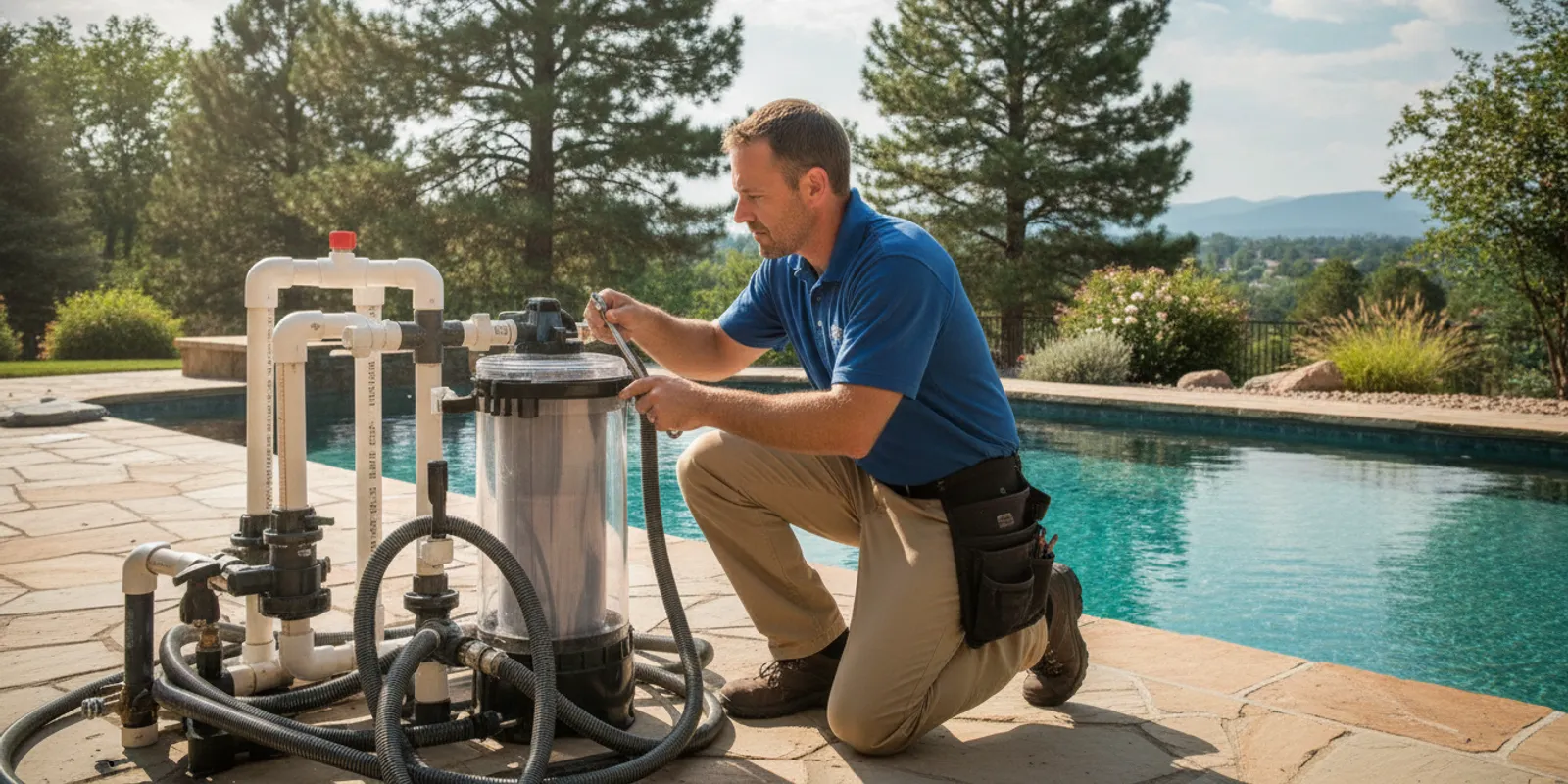
Neptune Pools handles equipment repair, replacement, installation, and compatibility checks across major pool systems. If the inspection shows that one component can be restored rather than replaced, discuss that option before approving a larger package. For a site-specific assessment, see equipment repair and replacement support.
Which Equipment Belongs in a Full Upgrade?
A full pool equipment upgrade is usually a coordinated system plan, not simply a new pump. The scope may include the circulation pump and its controls, filtration, heating, automation, connected plumbing, and accessories that help the equipment work together. The right combination depends on the pool's volume, existing flow requirements, electrical and gas setup, plumbing condition, and how the pool is used.
The pump is the starting point for circulation. The U.S. Department of Energy defines a pool pump as equipment designed to move liquid. And notes that the pump package may include mechanical equipment, a driver, and controls when supplied by the manufacturer. That distinction matters when comparing equipment options because a quote should identify what is included with the pump and what must be added separately.
Core equipment and controls
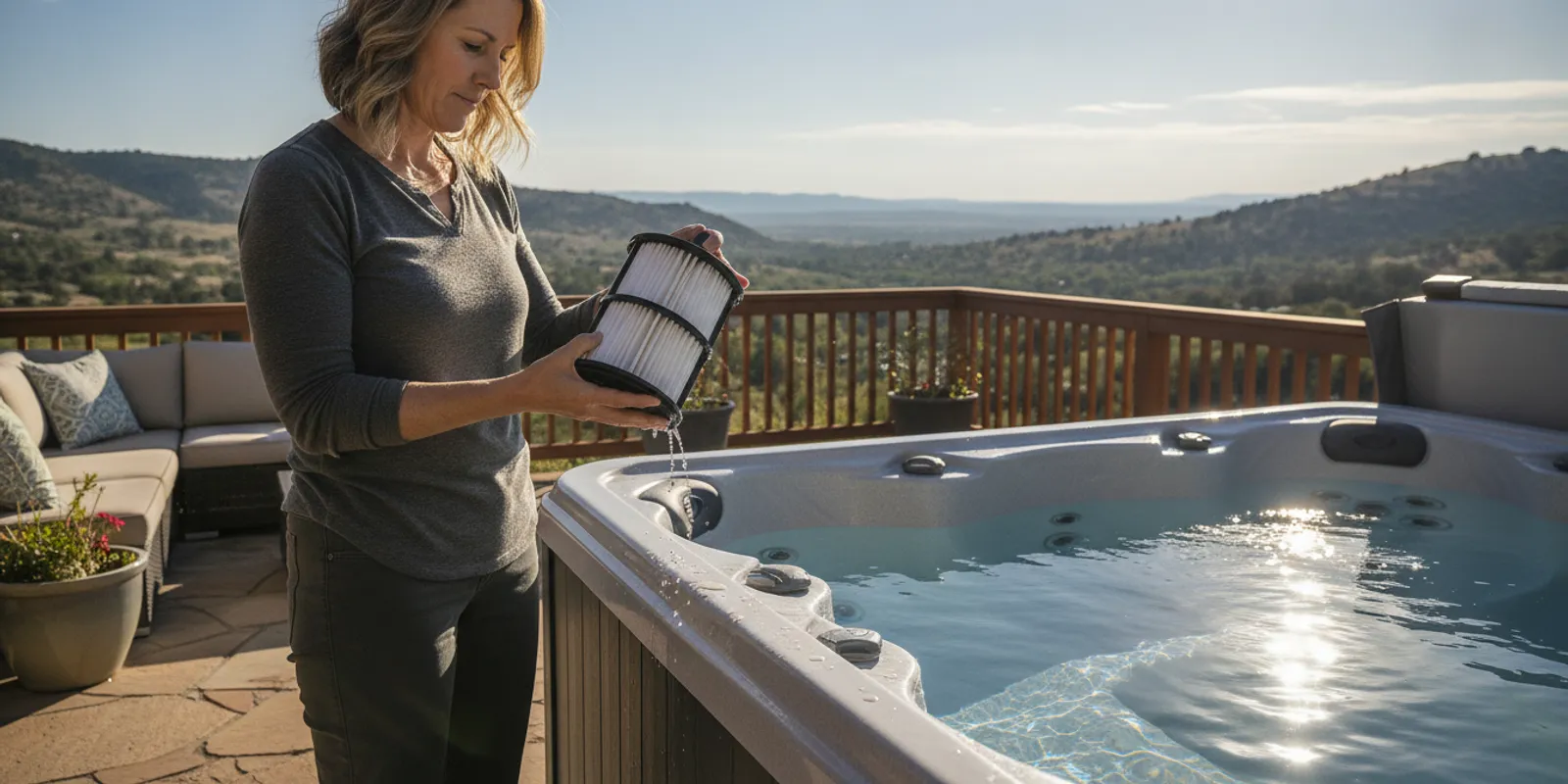
Filtration is the next major part of the circulation system. Neptune supports cartridge, sand, and diatomaceous earth filters, with the appropriate choice depending on the existing plumbing, maintenance preferences, available space, and water-management goals. Heating may involve a gas heater, heat pump, or solar system. Automation can include a controller, timer, remote-management features, schedules, alerts, and seasonal programming. These components should be checked for compatibility before installation rather than assumed to work together.
The EPA identifies pool covers and more water-efficient filters as effective ways to reduce pool water use. That makes filtration and cover-related equipment relevant to an upgrade discussion, but not every pool needs the same configuration. A cartridge filter does not require backwashing, while other filter types may fit a particular system or maintenance plan better. Review the EPA guidance on water-efficient pool filters for the supporting details.
Connected plumbing and compatible accessories
Plumbing connections, valves, unions, check valves, heaters, chemical systems, cover reels, and other accessories can affect whether a bundled upgrade is straightforward. Existing equipment age and condition also matter. Neptune's guide to Colorado pool equipment lifespan can help frame that assessment, while its guide to pool automation upgrade options covers the control side in greater depth.
Before approving a package, ask for an itemized scope that names each component, compatibility checks, required plumbing or electrical work, controls, accessories, setup, and testing. This makes the pool equipment upgrade cost easier to evaluate because you are comparing complete system plans rather than isolated product labels.
How Compatibility and Labor Change the Quote
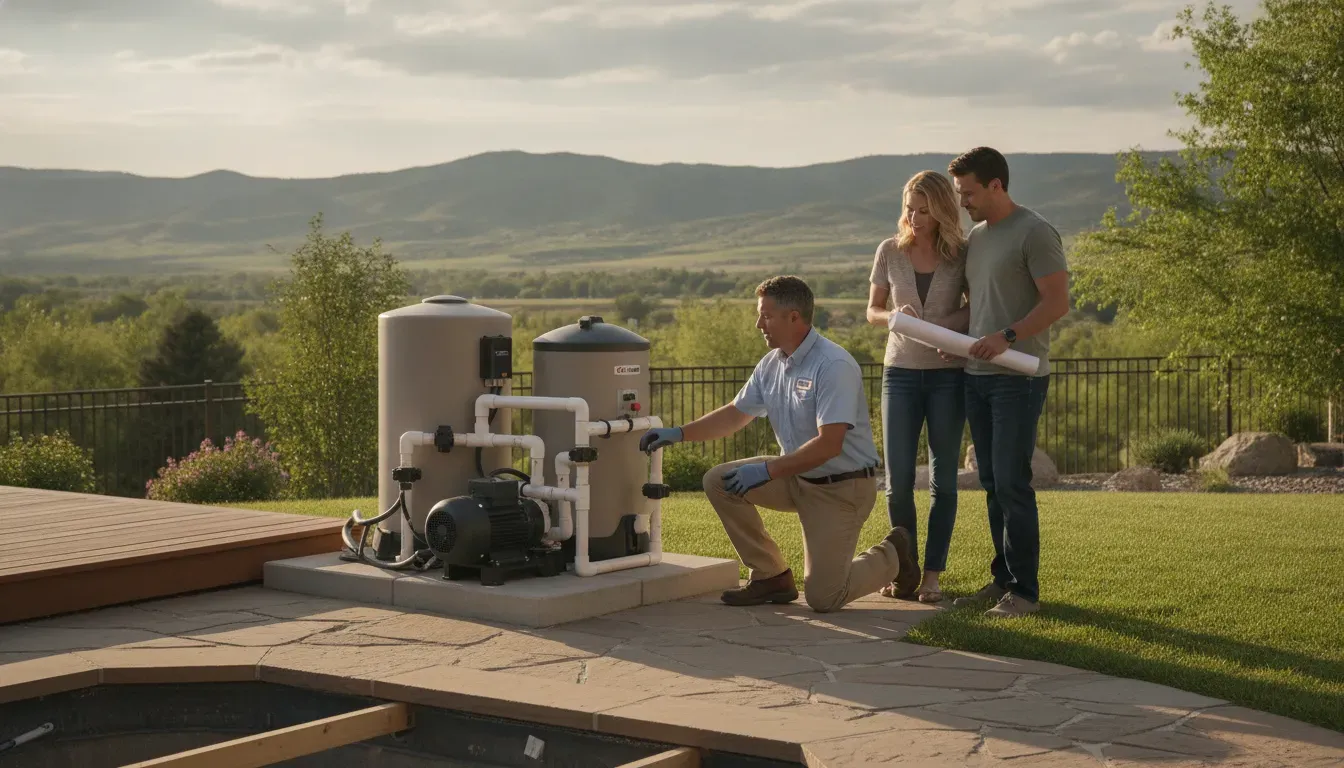
A bundled upgrade is rarely a matter of removing one piece of equipment and connecting another. The existing plumbing, electrical service, equipment pad, and control system all affect how the work can be planned. Before a quote is finalized, the technician needs to understand what can remain, what needs modification, and how the new components will work together.
Pipe sizing and plumbing layout matter because pumps, filters, heaters, and other equipment operate as a connected system. A replacement may require changes to fittings, valves, or sections of plumbing so the installation matches the existing configuration. For a broader look at that connected-system planning, see Denver pool plumbing upgrade planning. This article addresses bundled pool equipment upgrade cost, while that resource focuses specifically on plumbing installation considerations.
What the site inspection can uncover
- Electrical service: The available service and existing connections help determine whether the planned equipment can be installed as intended.
- Equipment pad layout: Limited space, crowded equipment, or difficult access can add planning and labor because components must be safely positioned and connected.
- Controls and calibration: Automation may need pairing, scheduling, alert configuration, seasonal programming, calibration, or warranty-compliant setup after installation.
- Compatibility: Matching brands, models, sensors, controllers, and related components helps prevent a new item from creating problems elsewhere in the system.
Access also changes the practical labor involved. A clear equipment area may support a more straightforward installation, while restricted access or a complicated pad can require additional preparation and careful sequencing. Those conditions are difficult to price accurately from a component list alone.
For context, Denver pool pump installation costs covers a single-component project. It can help frame pump-specific questions, but it does not replace a site review for a pump, filter, heater, plumbing, and controls being upgraded together.
A complete quote should identify the equipment, compatibility checks, plumbing and electrical work, access assumptions, calibration, and warranty-safe installation procedures. That level of detail makes the scope easier to compare and reduces the chance that essential labor is treated as an unexpected add-on.
How Colorado Weather and Freeze Protection Affect Planning
Denver's pool season is typically active from April through October, but Colorado weather can make opening, closing, and equipment planning more demanding than a simple calendar appointment. Temperature swings, wind, elevation, and low humidity affect how a pool is operated and protected. The right winter plan depends on the pool, equipment, plumbing layout, and whether the system will be fully shut down or maintained through colder weather.
A site-specific closing may include water adjustment, winter chemicals, equipment shutdown, line blow-out, freeze protection, cover installation, and a winter risk check. These steps are not a universal checklist for every property. For example, a system with different plumbing exposure or equipment constraints may require a different shutdown sequence than another Denver-area pool. The goal is to identify where trapped water, exposed lines, or an incorrect water level could create risk before freezing conditions arrive.
The timing also matters when planning an upgrade. If a pump, filter, heater, controller, or plumbing connection is being replaced near the end of the active season. The quote should explain whether the new system will be commissioned immediately, protected for winter, or scheduled for spring. Equipment shutdown and line blow-out should be coordinated with the installed configuration, not treated as an afterthought.
Freeze damage can be significant, but the risk depends on the pool, equipment, plumbing exposure, weather, and winter plan. A winter risk check can help determine whether freeze protection belongs in the project scope. Evaporation also varies with temperature, humidity, and wind speed, according to the EPA, so water-level observations should be interpreted alongside leak checks and seasonal conditions.
For ongoing service, review Neptune's seasonal maintenance and freeze-protection service options as part of the broader equipment plan.
Where Efficiency Can Lower Operating Costs
Efficiency belongs in a pool equipment upgrade cost discussion because the purchase decision affects more than the installation itself. Water use, heating demand, filter maintenance, and equipment run time can all influence ongoing operating costs. The right choice depends on the pool, climate, usage pattern, existing equipment, and how consistently the system is maintained. A component that is efficient on paper may not be the best fit if it is incompatible with the existing plumbing or operating needs.
Reduce water loss with the right cover and filter
A solid cover can reduce evaporation by more than 90 percent when it is in use, according to the EPA's pool water-efficiency guidance. In a heated pool, the same guidance says covers can save 50 to 70 percent of pool heating costs. Those figures describe potential reductions under stated conditions, not a guaranteed savings result for every Denver pool. Cover type, fit, condition, weather, and how often the cover is used all matter.
Filtration choices can also change water demand. Backwashing can account for up to one-quarter of pool water consumption. Cartridge filters do not require backwashing, while DE or glass filters can reduce water use compared with commonly used sand filters. The most water-efficient option still depends on filtration capacity, cleaning requirements, available space, and the existing circulation system. The energy-efficient pool equipment choices guide provides additional context for comparing systems.
Compare operating effects, not just equipment features
When evaluating a bundled upgrade, ask how each proposed component changes water use, heating load, service intervals, and control of the system. A heat pump may be relevant for one pool, while a cover, filtration change, or controls adjustment may address a larger operating concern for another. Review Denver pool heat pump options separately if heating is part of the plan. A qualified evaluation should explain the tradeoffs without promising a fixed payback period or a specific dollar savings amount.
When to Upgrade, Repair, or Phase the Work
A bundled equipment project is not automatically the right answer when one part of a pool system is underperforming. Start with diagnostics. A technician can review filter pressure, water flow, pump performance, leaks, electrical connections, and the condition of connected equipment. Those findings help separate a repairable problem from a component that is no longer a practical fit for the system.
Leak indicators deserve attention before any upgrade scope is finalized. The EPA notes that wet spots or bubbles may indicate leakage from the liner, pump seal, pool piping, pool-to-pipe connection, pool edges, or pipe joints. Air bubbles in the return pipeline or pump strainer can also be a warning sign. See the EPA pool water-efficiency guidance for those diagnostic indicators.
Repair first when the system is otherwise compatible
Repair may be the sensible first step when the pump, filter, heater, or controller is in serviceable condition and the issue is isolated. For example, correcting a seal leak, addressing restricted flow, cleaning filter media, or resolving a control setting may restore proper operation without expanding the project. Filter pressure and flow troubleshooting are especially useful when a homeowner is unsure whether a filter needs replacement or only service.
Upgrade when condition and compatibility point in the same direction.
Consider a broader upgrade when multiple components are worn, replacement parts are difficult to match, or the existing equipment cannot support the desired controls, heating, or circulation plan. The decision should account for plumbing, electrical capacity, equipment placement, and warranty-safe installation, not just the age of one component. Neptune's equipment repair and replacement support can help evaluate those connected-system questions.
Phase the work when priorities are clear
Phasing can protect the budget while addressing the highest-risk problem first. A practical sequence may begin with an active leak or circulation failure, then move to filtration, heating, or controls after the system is stable. Ask for a written scope that identifies immediate repairs, recommended upgrades, compatibility dependencies, and work that can safely wait. That approach produces a more useful project plan than treating the entire system as either all-new or beyond repair.
Questions to Ask Before Approving a Denver Upgrade
A clear proposal should show how the recommended equipment will work as one system, not simply list replacement parts. Before approving a bundled project, ask these questions so the scope, installation assumptions, and ongoing responsibilities are clear.
- What exact equipment is included? Ask for the pump, filter, heater or heat pump, controller, valves, plumbing components, sensors, and accessories to be identified by type and model where possible.
- Will the new equipment work with my existing system? Confirm compatibility with the current plumbing layout, flow requirements, electrical service, equipment pad, and any equipment you plan to keep.
- What site conditions could change the installation? Ask whether access, equipment-pad condition, buried lines, tight enclosures, drainage, or removal of old equipment has been considered.
- Are plumbing and electrical changes included? The proposal should state whether reconnection, new disconnects, wiring, breakers, bonding, valves, pipe modifications, or other installation work is included or excluded.
- How will controls be configured and calibrated? Confirm who will pair automation equipment, configure schedules and alerts, test sensors, calibrate controls, and verify that the system operates correctly before handoff.
- What is the winter and freeze-protection plan? Ask which steps fit your pool and equipment, including shutdown, line protection, monitoring, or seasonal service. Colorado systems do not all require the same winter approach.
- How will the installation protect warranties? Confirm that equipment will be installed, commissioned, and documented according to manufacturer requirements, including any required flow, electrical, or control settings.
- What maintenance handoff and exclusions should I expect? Ask for startup instructions, recommended maintenance, service responsibilities, timing, cleanup, permits or inspections if applicable, and a written list of work not included.
Review the answers against the written proposal, especially if the project combines equipment from different manufacturers. A qualified evaluation can identify whether the best path is a full upgrade, a targeted replacement, or staged work.
Contact Neptune Pools for equipment repair, replacement, and upgrade support.
Frequently Asked Questions
How should equipment lifespan affect an upgrade plan?
Use age as one planning factor, not an automatic replacement rule. Review the condition, reliability, compatibility, and repair history of the pump, filter, heater, controls, and related plumbing. Replacing components together can make sense when several systems are nearing the end of useful service or when newer equipment must work as a coordinated package.
What does pool filter replacement usually include?
Filter replacement can include identifying the filter type and capacity, inspecting connections and media. Checking pressure and flow, removing the existing unit, installing a compatible replacement, and confirming normal operation. Cartridge, sand, and DE systems have different maintenance and media requirements, so the correct scope depends on the existing equipment and the condition of the plumbing.
What should be included in a bundled pool equipment quote?
A clear quote should identify each proposed component, its compatibility with the existing system, installation labor. Plumbing or electrical changes, controls and calibration, startup testing, warranty-safe setup, and any seasonal or freeze-protection work. It should also distinguish included work from optional or future phases, so you can compare recommendations accurately.
When should a homeowner repair equipment instead of upgrading it?
Repair may be appropriate when the equipment is otherwise sound and the problem is limited to a serviceable component. Upgrade planning is more reasonable when failures recur, efficiency or control needs have changed, compatibility is poor, or several connected components require attention. Pressure and flow testing, leak inspection, and a condition assessment can help determine the right path.
Ready to plan your equipment upgrade?
A site-specific review can help you understand how your existing equipment, plumbing, electrical service, and Colorado weather considerations affect a bundled upgrade plan. Neptune Pools can help organize the scope so you know what the project should address before approving the work.
Request equipment upgrade planning and a site-specific quote from Neptune Pools.
Related Blogs